
Last updated November 17, 2026
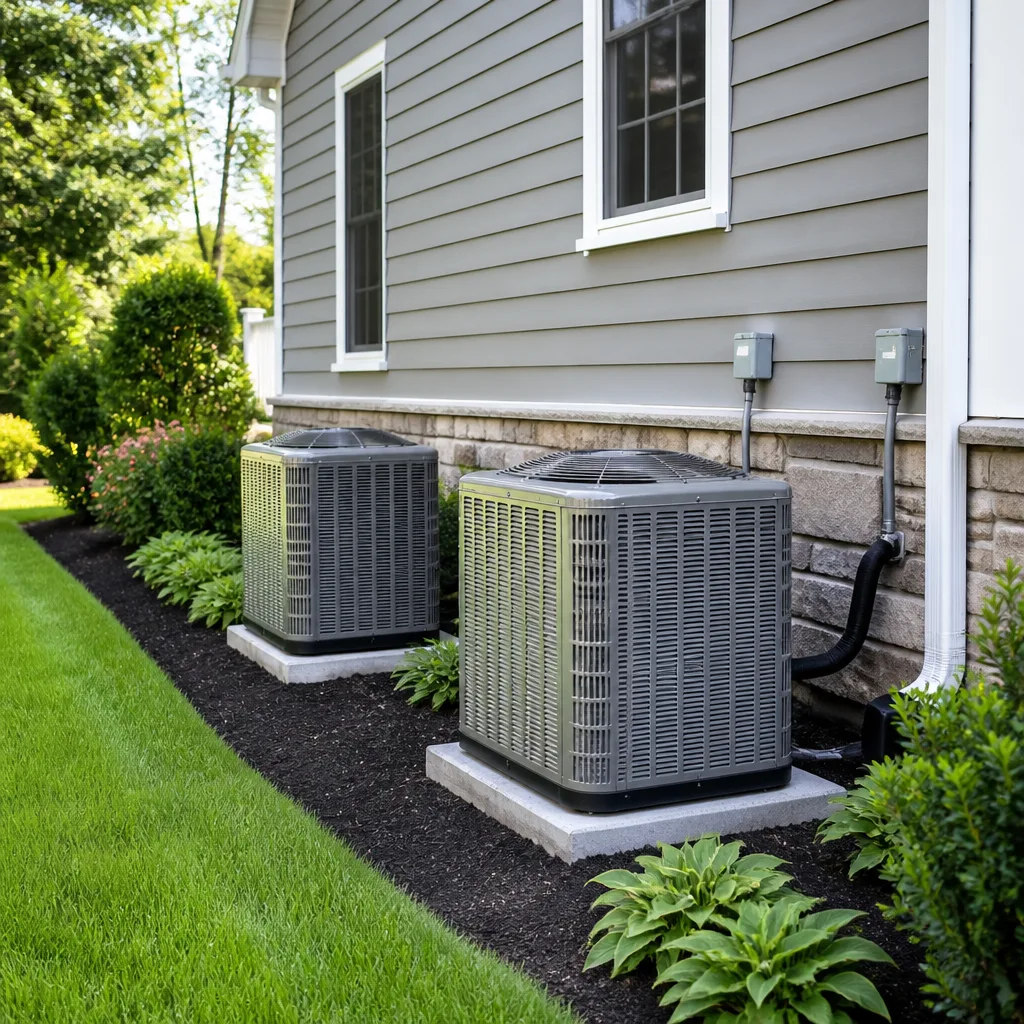 Heat pumps
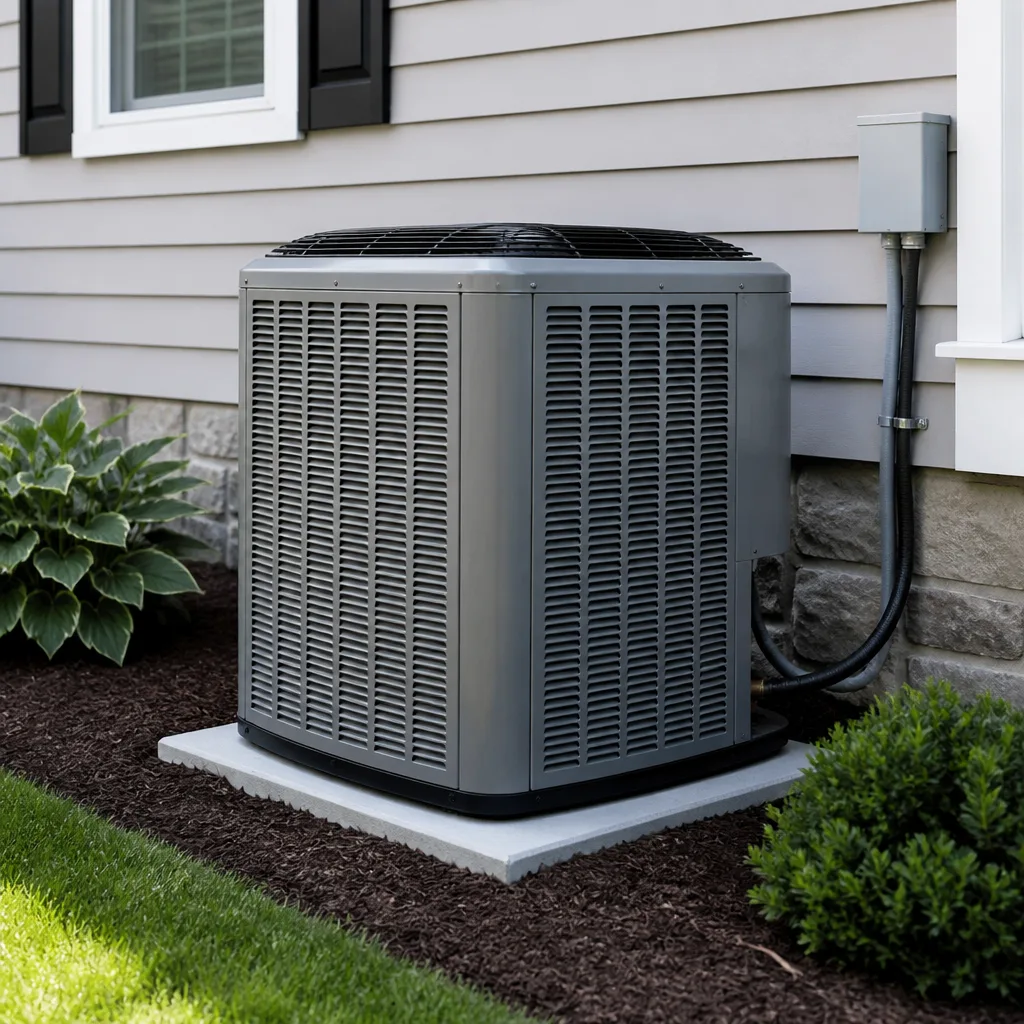 AC repair
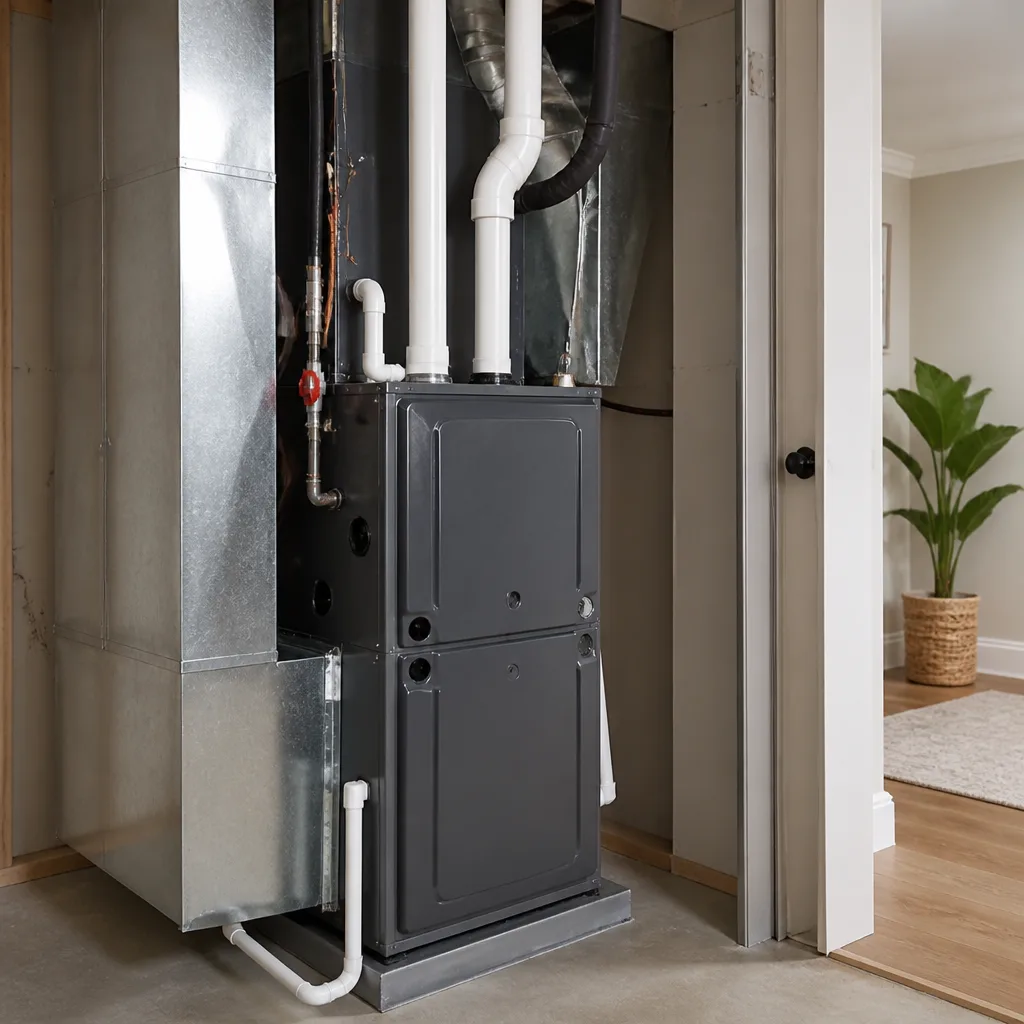 Furnace & heating
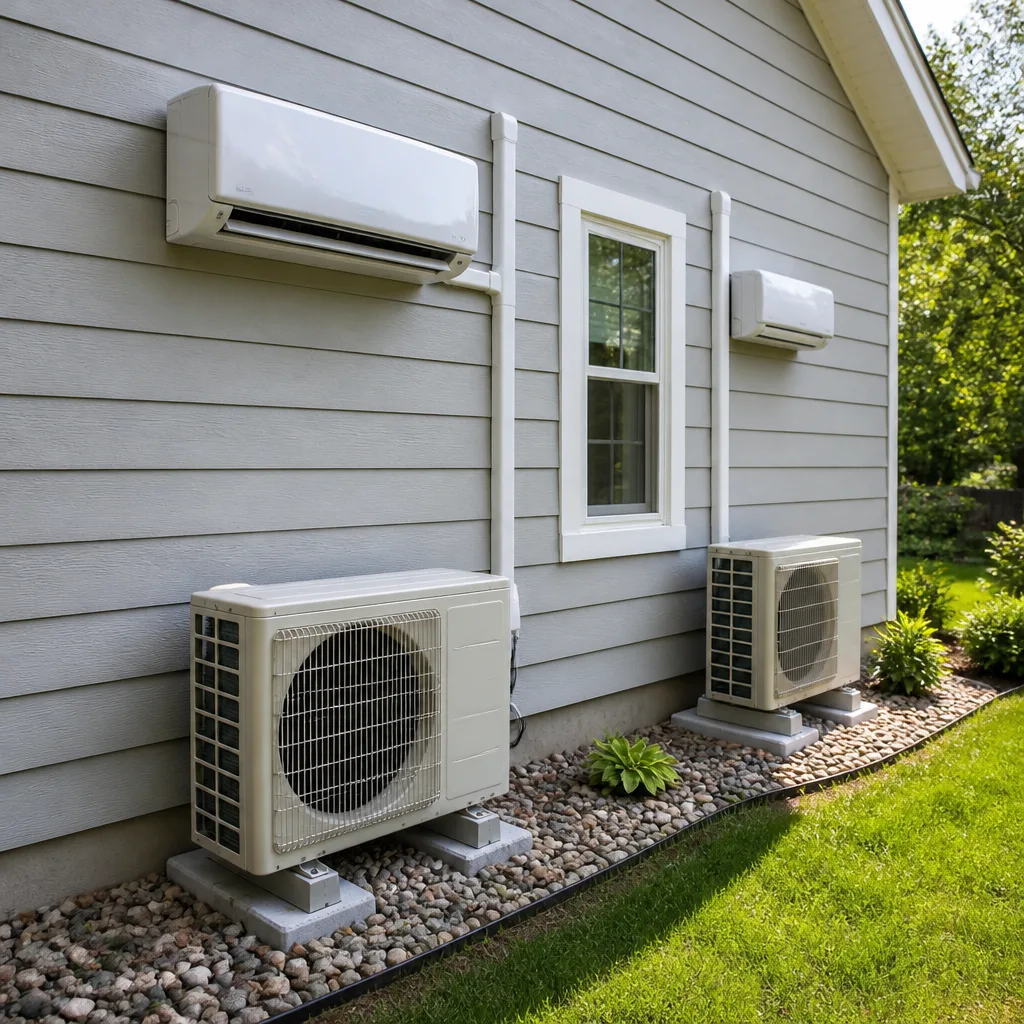 Ductless mini splits
 Carrier
 Trane
 Goodman
Seasonal tune-up and full diagnostic on your Carrier, Trane, or Goodman system - readings shown to you before any repair is proposed
Diagnosis first, numbers second - you approve the repair price before a single part goes in.
Get your free estimateHeat Pump & Mini Split Troubleshooting: Common Problems and How to Fix Them
The blinking light on your mini-split head unit is trying to tell you something specific, but the manual reads like a legal brief. Most North Las Vegas homeowners either ignore the code until the unit quits entirely or call for service on something that was a $0 fix. Here’s what we’ve learned after years of walking into North Las Vegas homes where a homeowner spent a sleepless night worrying about a code that turned out to be a clogged filter. This guide translates the most common error codes into plain English, covers the desert-specific failures we see constantly, and tells you which codes you can reset yourself at 10 p.m. and which mean call before you touch anything.
Quick Answer
Most mini-split error codes point to one of four things: a dirty filter or coil, low refrigerant from a leak, a failed capacitor, or a communication glitch between the indoor and outdoor units. The first three need a professional; communication errors and some sensor faults can often be cleared with a proper power cycle. If you’re in North Las Vegas and you see a code you don’t recognize, check the filter first, then call us at (844) 761-6871 before you start guessing.
Styles & brands we work with
- AC repair
- Furnace & heating
- Heat pumps
- Ductless mini splits
- Carrier
- Trane
- Goodman
Table of Contents
- The Five Most Common Error Codes, Translated
- Desert-Specific Failure Modes We See in North Las Vegas
- A Safe Restart Sequence You Can Do Yourself
- “Cooling But Not Enough” – Dirty Filter vs. Low Charge vs. Failed Capacitor
- Two Situations Where Troubleshooting Makes It Worse
- Heat Pump Troubleshooting in Heating Mode
- Common Mistakes to Avoid
- When to Call a Professional
The Five Most Common Error Codes, Translated
Mini-split error codes are written by engineers in Japan and Korea for a global market. They’re not designed for a homeowner in North Las Vegas trying to figure out whether to call someone. Here’s what the most common ones actually mean.
- E1 – Communication error between indoor and outdoor unit. The two units have stopped talking to each other. This is often a power glitch, a loose control wire, or a lightning-strike surge. It’s the most reset-friendly code on this list. Try the power cycle sequence below before calling anyone.
- E4 – Indoor coil temperature sensor fault. The sensor that reads the indoor coil temperature has failed or is reading out of range. Sometimes it’s a dirty coil throwing off the reading; sometimes the sensor itself is done. This one usually needs a technician to test the sensor.
- P1 – High-pressure protection or low refrigerant pressure. On most Daikin and Goodman mini-splits, P1 means the system’s pressure safety tripped. That could be a clogged outdoor coil, a failing fan, or low refrigerant. Low refrigerant is a leak, and leaks don’t fix themselves.
- F1-series – Communication or control board fault. Depending on the brand, an F1 code points to a control board or wiring issue. York and Rheem systems use F-codes for several faults; the manual for your specific model is the only place that breaks down what each one means. A blown fuse or a chewed wire is common here.
- Communication errors (generic) – Units not syncing. If the indoor and outdoor units aren’t syncing, the display may flash a code or just blink. This is the one code family where a proper power cycle genuinely fixes the problem maybe a third of the time.
If the code disappears after a reset and doesn’t come back, you probably had a power event. If it comes back within hours or days, the underlying fault is still there. For more on how we approach heat pump and mini-split service in North Las Vegas, that page covers the full diagnostic process.
Desert-Specific Failure Modes We See in North Las Vegas
North Las Vegas sits in a climate that punishes HVAC equipment in ways the manufacturer’s manual never anticipated. The Mojave dust, the UV load, and the daily temperature swings from 60 at dawn to 110 at 3 p.m. all wear on your system differently than they would in Seattle or Dallas. These are the failures we see over and over.
- Low refrigerant from UV-degraded line insulation. The insulation on the copper refrigerant lines running between your indoor and outdoor unit breaks down under our UV load. When it cracks, the copper gets exposed, and the line set vibrates against the wall or the frame. Over a few summers, this can wear a pinhole leak. Homeowners in the older neighborhoods off Carey Avenue and Civic Center Drive call us about a system that “just stopped cooling as well” – about a third of the time, it’s a slow leak on a line set with sun-cracked insulation.
- Outdoor coil clogged with Mojave dust and cottonwood. The outdoor unit condenser coil acts like a filter for everything in the air. In North Las Vegas we get wind-blown dust on top of spring cottonwood fluff. A coil that’s 40% clogged loses efficiency fast and can trip a high-pressure code (that P1 again). Rinsing the coil from the inside out with a garden hose twice a season is the single best thing you can do for your system’s lifespan.
- Capacitor failure from heat cycles. Capacitors are the weakest link in any AC or heat pump. The extreme heat load here cycles them harder than in cooler climates. I test the capacitor before anyone says the word compressor – because a $12 capacitor failing looks exactly like a dead compressor to a homeowner, and a contractor who skips the test is a contractor you don’t want back. We’ve seen ten-year-old units in North Las Vegas with original capacitors still in spec, and two-year-old units with a bulging cap that already failed. Heat cycling isn’t linear.
None of these are unusual in North Las Vegas. What is unusual is finding a homeowner who knows to check for them. Now you do.
A Safe Restart Sequence You Can Do Yourself
Before you pick up the phone, try this sequence. It’s safe, it takes five minutes, and it clears a genuine fraction of the “not working” calls we get.
- Turn the unit off at the remote. Not just to “off” – hold the power button until the display goes dark or the unit beeps.
- Wait 60 seconds. This matters. The control board needs time to fully discharge. Cutting the power too fast may not reset the fault memory.
- Check the breaker. Open your panel and look for a tripped breaker on the circuit feeding the condenser or air handler. If it’s tripped, reset it once. If it trips again, stop – that’s a fault a technician needs to find, not a breaker you should keep throwing.
- Power off at the breaker for a full 30 minutes. This is the deep reset. It’s the only way to clear a stuck communication fault that didn’t clear with the remote.
- Restore the breaker, then power on with the remote. If the unit comes up clean, watch it for a few hours. If the code returns, it’s not a glitch.
- Do not open the electrical panel or the outdoor unit’s service panel. The capacitor inside can hold a lethal charge even after you’ve cut the breaker. This is where the DIY sequence stops.
We’ve walked North Las Vegas homeowners through this exact sequence over the phone while they were standing in their garage at 10 p.m. Most of the time, the code clears. When it doesn’t, you know it’s real.
“Cooling But Not Enough” – Dirty Filter vs. Low Charge vs. Failed Capacitor
The most common call we get isn’t “my unit won’t turn on.” It’s “my unit is running, but it’s not keeping up.” Those are three completely different problems with wildly different price tags. Here’s how to tell which one you’re facing before you call.
- Dirty filter or clogged indoor coil. The unit runs continuously, airflow from the vents feels weak, and the house slowly warms through the afternoon. Your filter might be gray and matted. This is the cheapest fix – filter replacement is $10 to $30, and coil cleaning runs $150 to $350. In North Las Vegas with our dust load, you should be checking your filter once a month during cooling season, not once a season.
- Low refrigerant charge. The unit runs constantly, the vents blow air that’s cool but not cold, and the outdoor unit’s copper line may be icing up. That frost is the tell. Low charge means a leak, and a leak doesn’t fix itself. Recharging runs $250 to $600 depending on refrigerant type (R-410A vs. R-32), plus leak repair. This is not a “top it off and forget it” situation – a system low on charge runs the compressor harder and can fail outright within a season.
- Failed capacitor. The unit cycles on, runs for a minute or two, then shuts off. Sometimes you hear a click and nothing happens. The outdoor fan won’t spin or spins slowly. A replacement capacitor runs $150 to $350 installed, and any competent technician should test it before recommending anything else. If your contractor jumps straight to “you need a new compressor” without a capacitor test, get a second opinion.
The cost difference between these three scenarios is roughly $20 at the low end and $2,000-plus at the high end. Knowing which one you’re facing before the tech arrives means you can ask better questions. For furnace-side issues during the winter, our heating and furnace service in North Las Vegas page covers that separately – heat pump problems in heating mode are their own animal.
Two Situations Where Troubleshooting Makes It Worse
There are exactly two scenarios where a homeowner troubleshooting their own mini-split can turn a fixable problem into a much more expensive one. Both are worth knowing before you pick up a screwdriver.
Situation one: a system that’s low on refrigerant and running dry. If the compressor is running with too little refrigerant, the compressor has nothing to compress but vapor and oil. Compressors rely on refrigerant to carry heat away from the motor windings. Run a compressor low on charge for a few days and you’ll scorch the motor windings. That’s not a repair – it’s a compressor replacement, and the bill goes from $400 to $2,000. If you suspect low charge (frost on the line, poor cooling, a P1 code), stop running the system and call. Don’t keep resetting the code and hoping it catches.
Situation two: DIY electrical checks on a unit still under warranty. Most manufacturer warranties – Daikin, Goodman, Lennox, and Rheem all do this – include language that voids coverage if the equipment is opened by someone who isn’t a licensed technician. If your system is inside its five- or ten-year parts warranty and you open the electrical panel, you may hand the manufacturer a reason to deny a compressor claim. That’s an expensive five minutes of curiosity. On top of that, the capacitor inside the outdoor unit can hold a charge strong enough to stop your heart. We’ve had to replace more than one control board that a homeowner fried by poking around with a multimeter they didn’t know how to read correctly.
The pattern is simple: reset from the remote or the breaker, then call. Everything inside the service panel is a trained technician’s job.
Heat Pump Troubleshooting in Heating Mode
Heat pumps in North Las Vegas work harder in July than January, but when winter does hit and the temperature drops to the 30s at night, a heat pump in heating mode has its own set of predictable failures. These are the ones we see most.
- System runs but blows cold air. Check the mode setting first – it’s more common than you’d think that a remote got bumped or a thermostat schedule flipped. If the setting is correct and the air is still cold, suspect the reversing valve or low charge. Both need a technician.
- Outdoor unit iced over and not defrosting. Heat pumps go through a defrost cycle that melts ice off the outdoor coil. If you’re seeing a solid block of ice that persists for more than an hour, the defrost board or sensor has failed. Don’t chip it off with a tool; that’s how coil fins get destroyed.
- System blows warm for a few minutes then cold. This can be a defrost cycle running normally, or an auxiliary heat issue. If the pattern repeats every 30 to 90 minutes in cold weather, that’s the defrost cycle working as designed. If the warm air only lasts 30 seconds, it’s a fault.
- P1 or P4 code on a York or Daikin in heating mode. Pressure faults during heating mean the system is fighting itself – usually a clogged outdoor coil or a refrigerant issue. Same drill: reset once, then call if the code returns.
One North Las Vegas quirk: homes near the Nellis Air Force Base side of town often get more wind-blown sand than homes closer to the 215. If your outdoor unit sits on the windward side of the house, your defrost issues will be worse and your coil will need cleaning more often. Location within the valley genuinely matters for heat pump upkeep.
Common Mistakes to Avoid
- Resetting the code five times and hoping it sticks. If a code clears on the first reset but comes back within a day, the fault is real. Repeated resets on a low-refrigerant system are how compressors die. Call after the second code.
- Replacing the thermostat before testing the capacitor. We’ve seen homeowners buy a $250 smart thermostat to fix a symptom caused by a $12 capacitor. Thermostats rarely fail. Capacitors fail constantly in our heat. Test capacitors first.
- Skipping the filter for three months because “it’s still cooling.” A clogged filter in North Las Vegas doesn’t just cost you efficiency – it freezes the indoor coil, and a frozen coil can send liquid refrigerant back to the compressor. That’s a $1,800 problem that started with a $15 filter.
- Using a hose on the electrical side of the outdoor unit. Rinse the coil fins, not the electrical panel. Water and capacitors don’t mix, and a wet control board is an expensive lesson in garden-hose discipline.
- Hiring whoever answers the phone fastest and cheapest. We get second-opinion calls every week from North Las Vegas homeowners who paid a national outfit for a “full system replacement” off a single code and a thirty-minute diagnostic. A real technician tests, reads, and explains before anyone quotes a replacement.
- Blocking the outdoor unit with landscaping or storage. That side-yard condenser needs two feet of clear space in all directions. A pallet of pavers stored against the unit raises the head pressure and shortens compressor life. In North Las Vegas, this is more common than you’d think.
- Running the system through a code because “it still cools a little.” A low-charge system that “still cools a little” is a system actively damaging its own compressor. Cooling isn’t the same as working.
When to Call a Professional
Call us when you see a code that returns after the reset sequence, when you feel frost on the outdoor copper line, when the outdoor fan won’t spin, when a breaker trips twice in a row, or when the system is running but the house won’t cool within five degrees of the thermostat setting. Call if you’re inside a manufacturer warranty and considering opening the unit yourself. Call if the unit is over ten years old and the repairs are adding up – the math on repair-versus-replace only works if someone’s actually run it. Ray’s Heating & Air North Las Vegas offers free estimates in North Las Vegas – call (844) 761-6871. The phone gets answered by a live person around the clock, and if we come out and the fix is a filter, we’ll tell you it’s a filter.
You can also read more about why our AC repair and installation work in North Las Vegas starts with readings, not sales talk.
See the difference
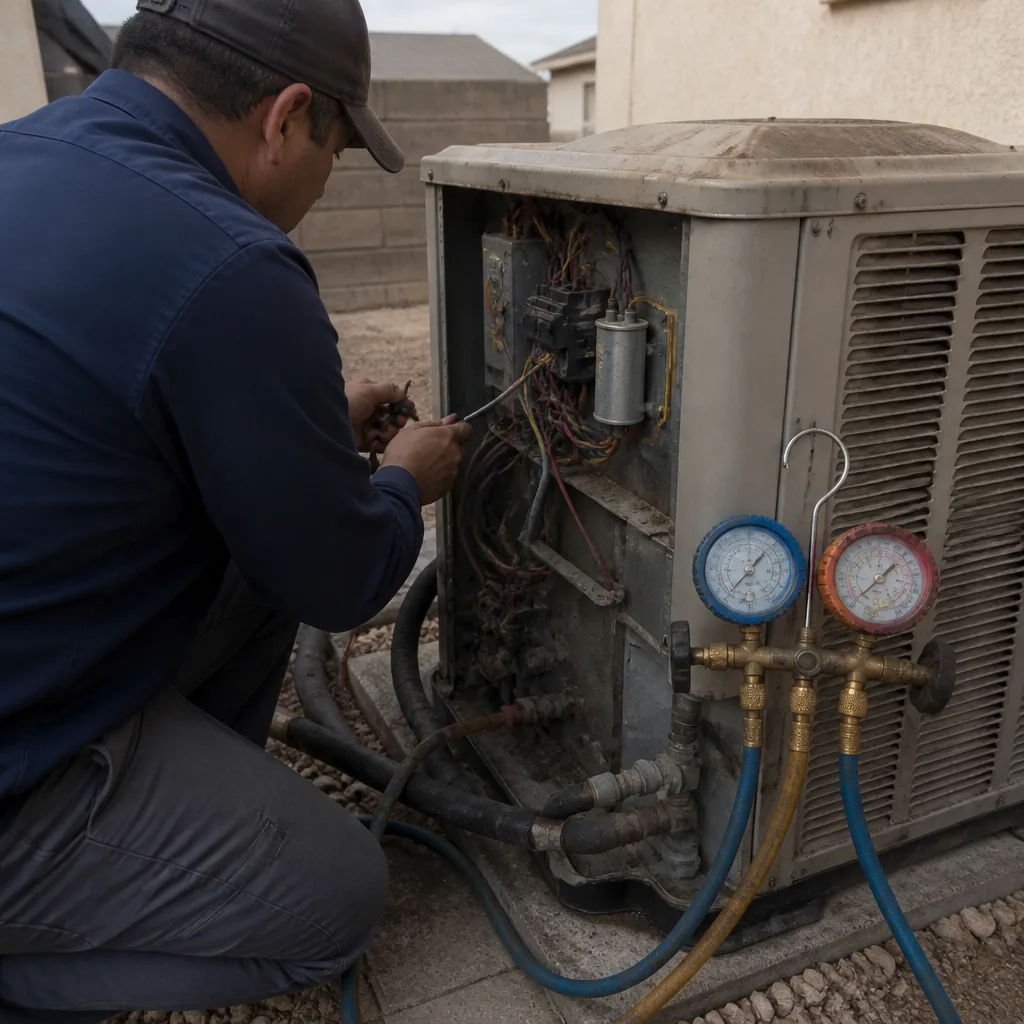
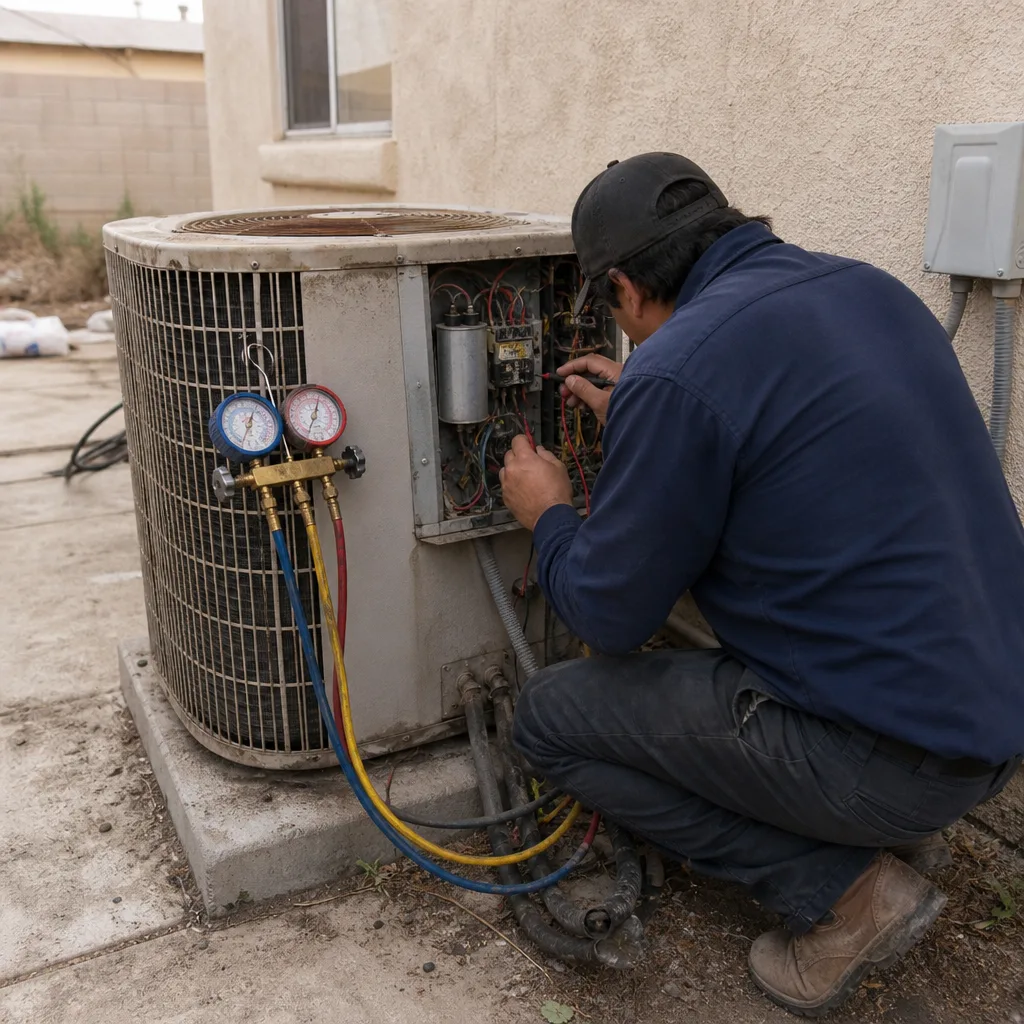 Before
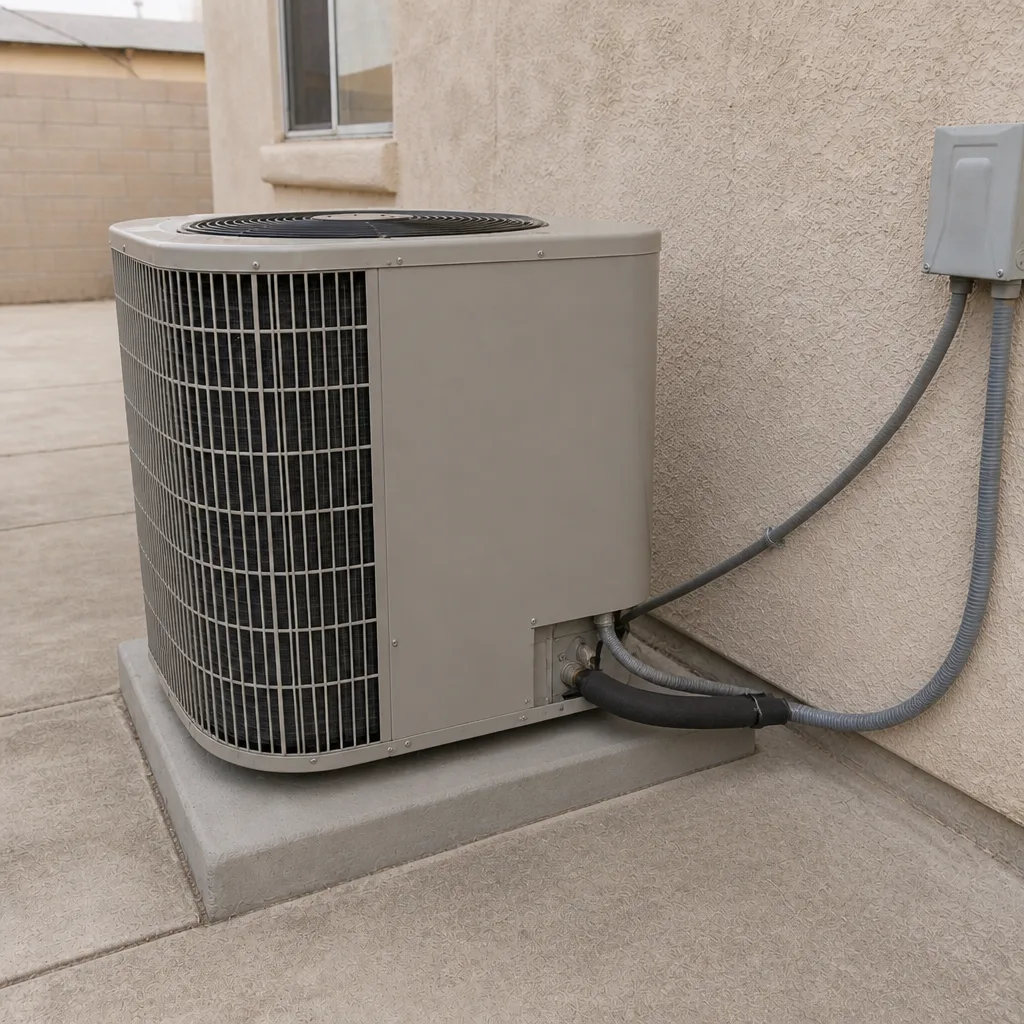 After
 Before
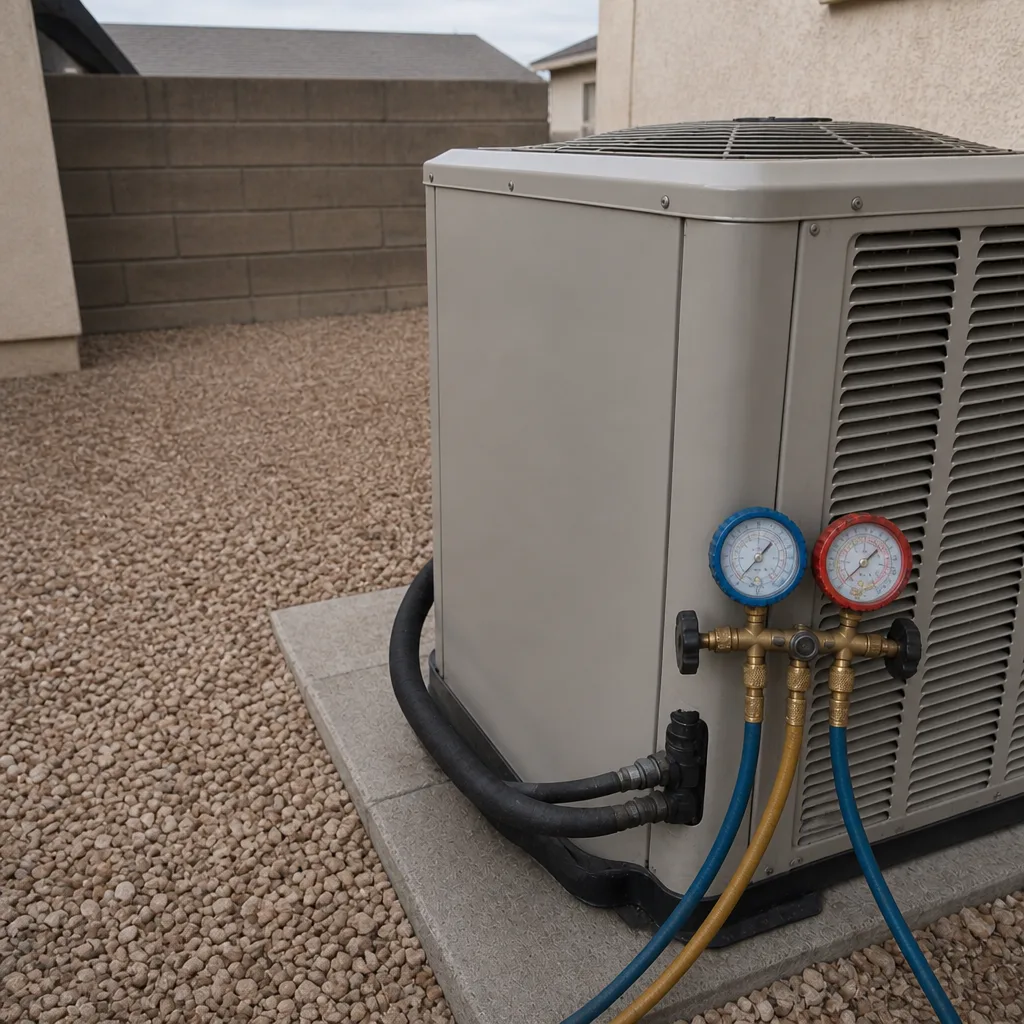 After
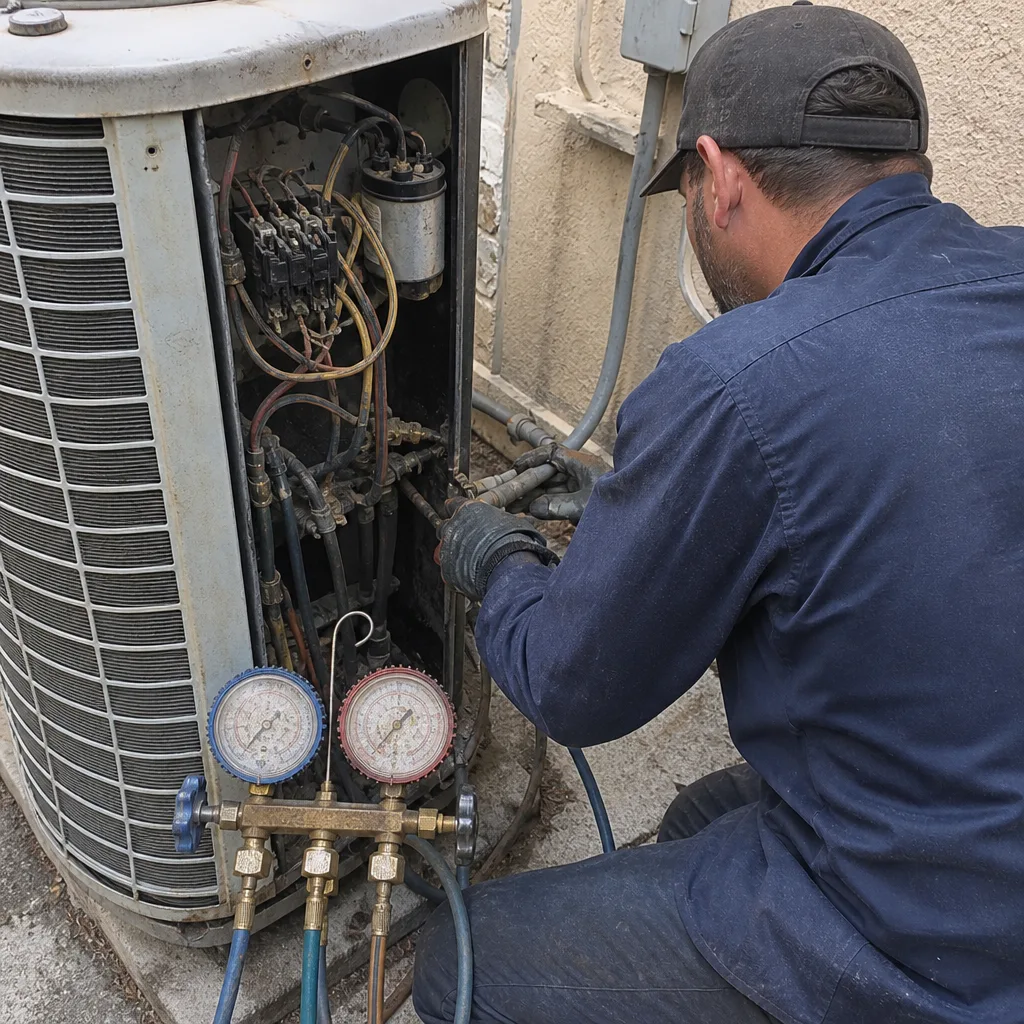 Before
 After
Frequently Asked Questions
A flashing light on the indoor unit is the system reporting a fault through a blink code. Count the blinks, then check your brand’s code chart – most mini-splits flash a specific number of times to indicate which fault they’ve logged. If the flashes form a repeating pattern (like two quick blinks and a pause), that’s a code. If the display shows a letter-number code, that’s easier still. Either way, the first step is a power cycle, then a call if the code returns.
Sometimes. E1 usually means the indoor and outdoor units have lost communication, which a proper power cycle clears maybe a third of the time. Turn the unit off at the remote, wait 60 seconds, then kill power at the breaker for 30 minutes. If the code returns after that, the problem is a loose or damaged control wire, a failed board, or a power surge issue that needs a technician to trace. Call (844) 761-6871 for a diagnostic – we’ll test before we quote.
Ice on the indoor coil is almost always one of three things: a dirty filter blocking airflow, low refrigerant from a leak, or a failing blower motor. In North Las Vegas, the dust load makes the dirty-filter scenario far more likely, especially during cottonwood season. Check the filter first, then check again. If the filter is clean and the coil still ices over, you’ve got a refrigerant or airflow problem that needs a proper diagnostic before the compressor suffers.
Most mini-split repairs in North Las Vegas run between $150 and $600 depending on what failed. A capacitor replacement runs $150 to $350 installed. A refrigerant leak repair plus recharge runs $400 to $900 depending on how far the tech has to go to find the leak. A control board runs $300 to $800. Diagnostic fees are typically around $100 and most reputable shops will credit that toward the repair if you move forward – Ray’s Heating & Air North Las Vegas offers a free second opinion on any written estimate, so if you’ve got one in hand, call us before you sign.
A musty smell on startup is usually a wet evaporator coil growing biological growth, which happens here more often than you’d think because our summer humidity swings are enough to keep the indoor coil damp. A burning smell on startup is the electric heat strips in the air handler burning off dust – that’s normal the first time a system runs in heating mode for the season and should fade within 20 minutes. If a burning smell persists, shut it down and call. A sweet or chemical smell can indicate a refrigerant leak, and that’s a same-day call. Live person, any hour.
Twice a year minimum, once in late spring before cooling season and once in fall. Homes on the windward side of the valley – which includes a lot of the North Las Vegas neighborhoods near the base – may need a third cleaning mid-summer after cottonwood season. Skip it and you’re at higher risk for a P1 high-pressure code, which is the code most often caused by a clogged coil in our climate. A garden hose, a rinse from inside out, and ten minutes is all it takes. No chemicals needed.
The Bottom Line
Most mini-split codes come down to one of four things – a filter that needs changing, a coil that needs cleaning, a capacitor that failed, or a refrigerant leak that needs a real repair. The restart sequence in this guide clears a genuine share of “not working” calls on its own. The desert-specific failures – UV-degraded line insulation, cottonwood-clogged coils, heat-cycled capacitors – are what North Las Vegas puts your system through every year, and knowing them means you can ask better questions when someone shows up at your door. Don’t keep resetting a code that keeps coming back, don’t open your unit’s electrical panel if it’s under warranty, and don’t let anyone quote a compressor before they’ve tested the capacitor.
Contact
When your mini-split or heat pump stops making sense, call Ray’s Heating & Air North Las Vegas at (844) 761-6871 for a free estimate. We serve all major brands – Carrier, Trane, Lennox, Goodman, Rheem, York, Daikin, Bryant, and American Standard – and every heating and cooling job is stamped with the 90-Day Done Right Promise in writing. Free Second Opinion on any written estimate, No Trip Charge inside our own county, and the phone gets answered by a live person around the clock. Readings first, numbers second – you’ll see both. Ask anyone on your street. For more about our North Las Vegas home base and full service list, start there.
Written by the team at Ray’s Heating & Air North Las Vegas.