
Last updated November 17, 2026
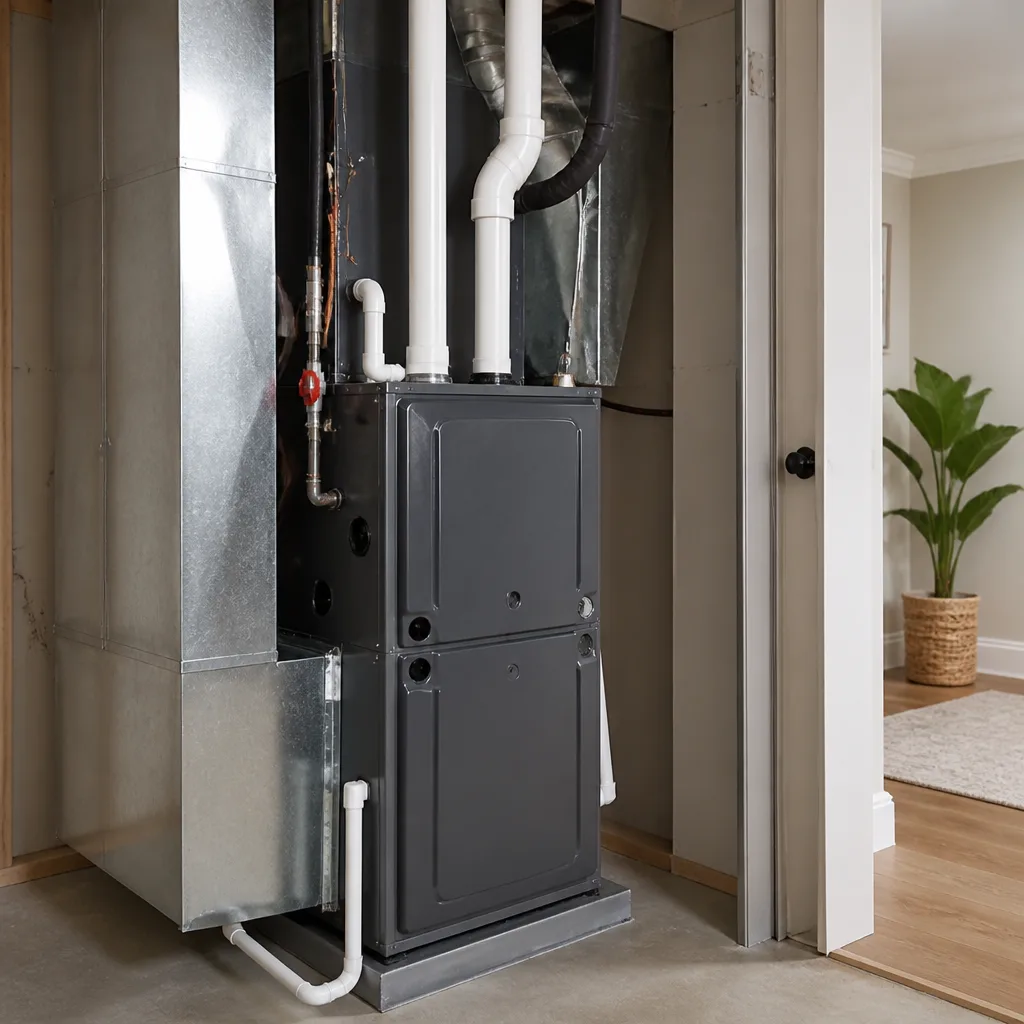 Furnace & heating
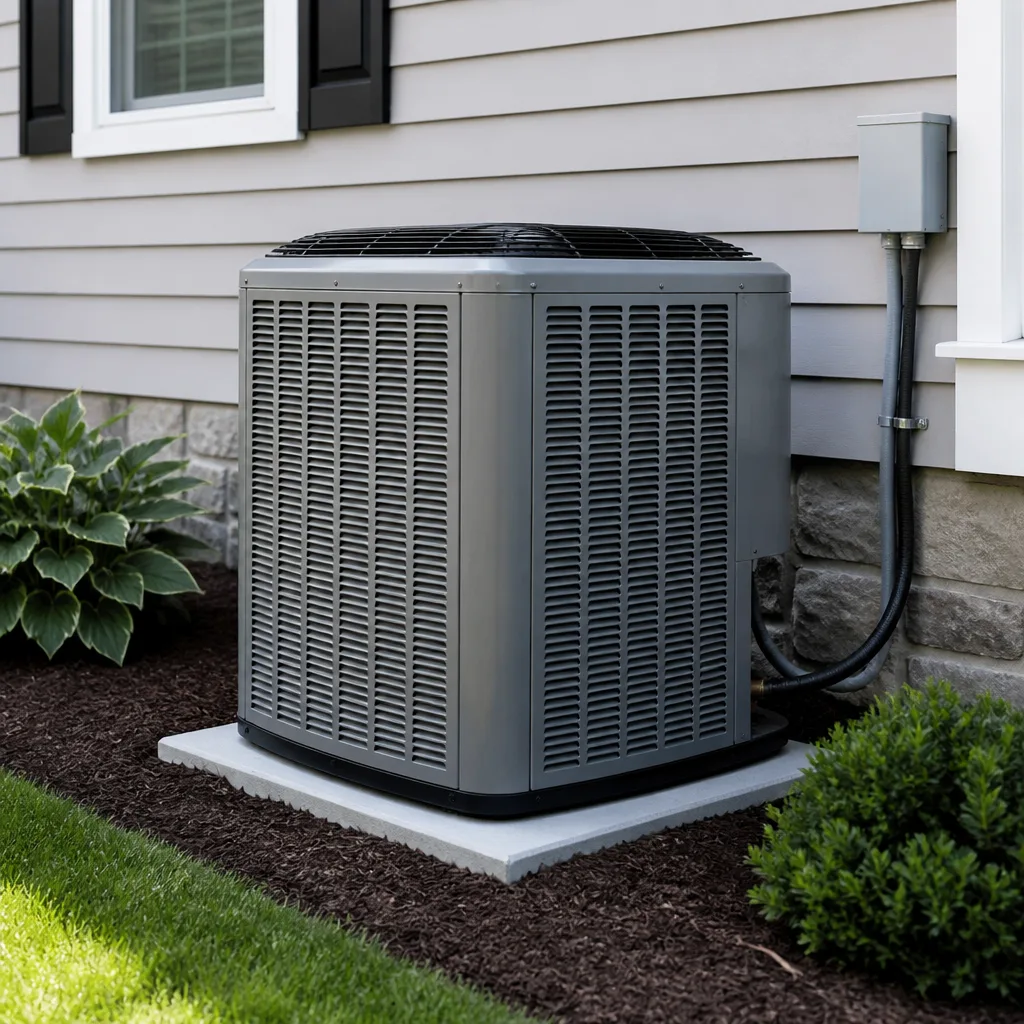 AC repair
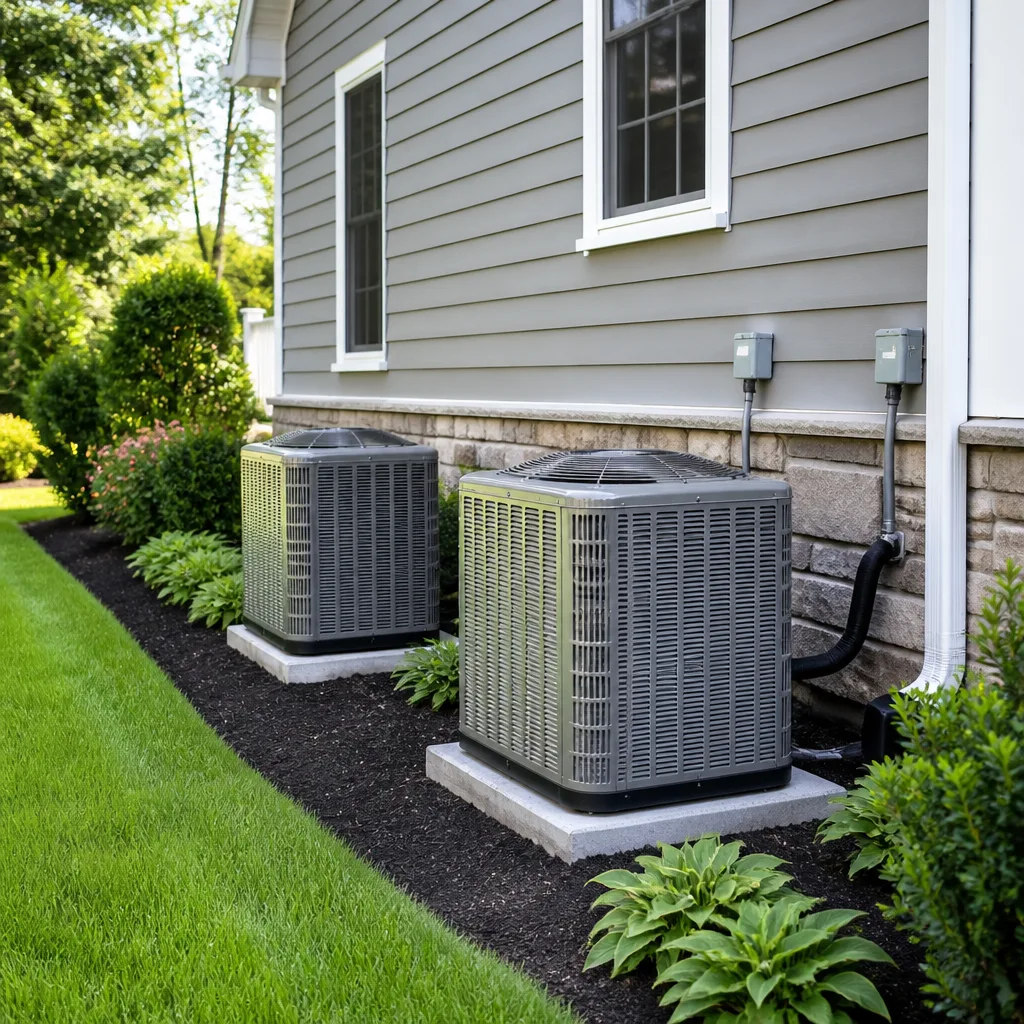 Heat pumps
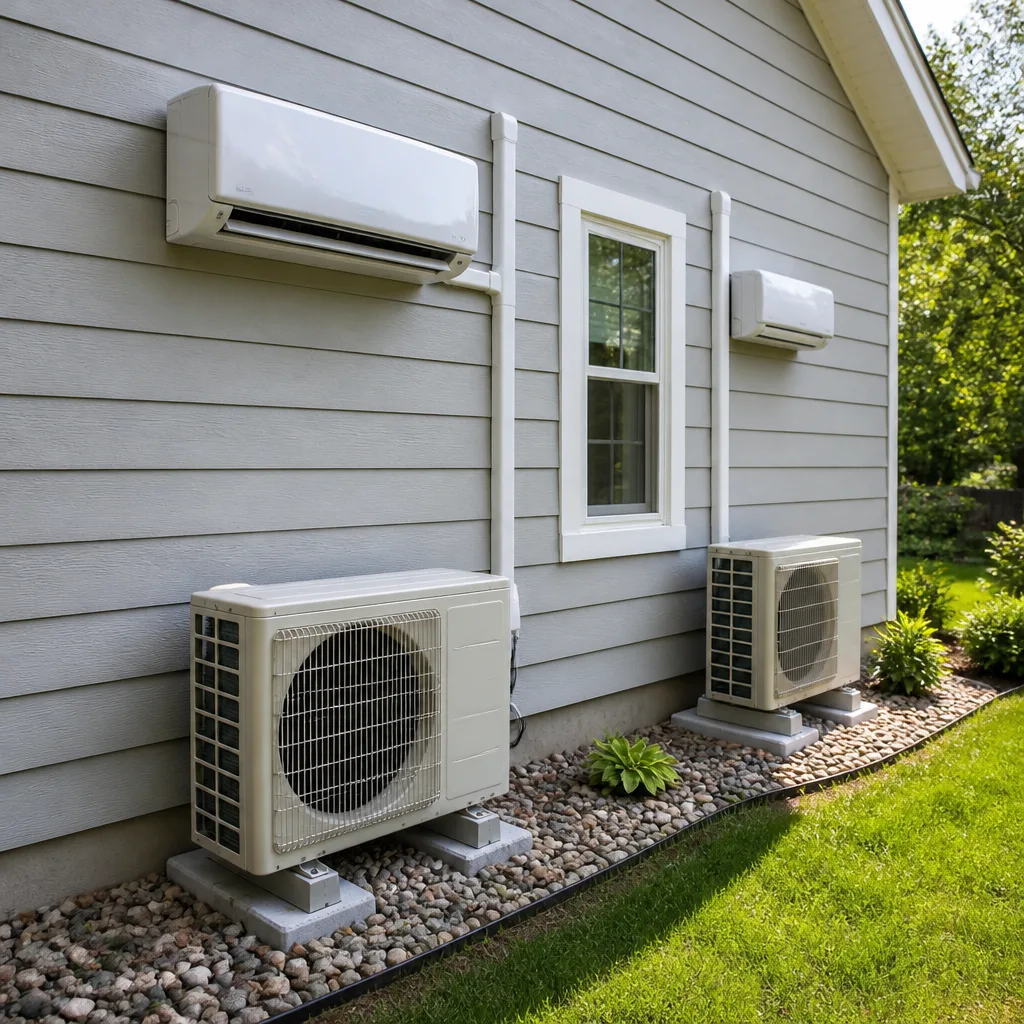 Ductless mini splits
 Carrier
 Trane
 Goodman
Seasonal tune-up and full diagnostic on your Carrier, Trane, or Goodman system - readings shown to you before any repair is proposed
Diagnosis first, numbers second - you approve the repair price before a single part goes in.
Get your free estimateHeating & Furnace Maintenance Schedule: What to Do and When
Most furnace failures we see in North Las Vegas don’t announce themselves. The blower still runs. The house still gets warm. But a cracked heat exchanger can leak carbon monoxide into the same air your family breathes, and there’s no smell, no alarm from a standard smoke detector, and nothing obvious when you glance at the unit. It develops quietly over skipped maintenance cycles, and because heating season here is short, plenty of homeowners skip four or five Octobers in a row without noticing a thing. This guide lays out the exact furnace maintenance schedule North Las Vegas homes actually need: an October pre-season checkup, a March post-season inspection, and the filter and vent habits in between. You’ll also learn which tasks you can handle yourself, which ones need a trained eye, and how to document the work so your warranty holds up and your paperwork looks good if you ever sell.
Quick Answer
In North Las Vegas, a furnace needs two professional visits a year: one in October before heating season and one in March after it. Between visits, you should replace the filter every 60 days during heating season and check the vent and carbon monoxide detector monthly. The annual heat exchanger inspection is the one task no homeowner should skip, because it’s the failure that can hurt people, not just cost money.
Styles & brands we work with
- AC repair
- Furnace & heating
- Heat pumps
- Ductless mini splits
- Carrier
- Trane
- Goodman
Table of Contents
- Why North Las Vegas Furnaces Need a Schedule at All
- The Two-Visit Annual Calendar: October and March
- The Heat Exchanger Inspection: Why It’s Non-Negotiable
- The Furnace Tasks You Can Do Yourself
- What a “Tune-Up” Often Skips, and How to Ask About It
- Documenting Your Furnace Maintenance to Protect the Warranty
- Dust, Dry Air, and the North Las Vegas Climate Factor
- When to Call a Professional
Why North Las Vegas Furnaces Need a Schedule at All
Here’s the trap. Heating season in North Las Vegas is short. December and January nights drop into the 30s and low 40s, then by March the furnace sits idle for eight months. A homeowner figures the unit barely runs, so what’s the harm in skipping a year or two? That reasoning is exactly backwards. The furnace sits idle in a dusty, dry climate for most of the year. Dust settles on burners, lint packs into the blower, and the heat exchanger sits through 100-plus degree summers without anyone looking at it. When the cold finally comes, the system starts up with a full year of dry Nevada dust baked onto its components.
We’ve seen it in the older neighborhoods around Civic Center Drive and the newer builds out toward Aliante. A homeowner skips four seasons, then the furnace fires up on the first cold night and the blower motor fails or the flame sensor gets a coat of dust and won’t stay lit. A small scheduled maintenance visit would have caught either one for a fraction of the emergency repair.
And then there’s the part that isn’t about money at all. Combustion gases have to go somewhere. If the heat exchanger cracks and the venting has been compromised by a bird nest or a pile of stored boxes, those gases end up inside the house. That’s the outcome the schedule protects you from. A furnace maintenance schedule in North Las Vegas isn’t about squeezing more years out of equipment. It’s about the air your family breathes when the heat kicks on.
The Two-Visit Annual Calendar: October and March
One yearly tune-up is the industry default. In North Las Vegas, we schedule two visits because our season has a hard start and a hard stop, and each one catches different problems. Here’s what each covers.
October: the pre-season checkup
This is the visit that gets the furnace ready for its first cold start. It happens in early to mid-October, before the first really cold night, so there’s time to order any parts before the rush.
- Inspect the heat exchanger for cracks (more on this below).
- Clean the burners and check the flame pattern and color. A lazy yellow flame means something’s off with the gas-to-air mix.
- Test the ignitor and flame sensor. A dusty flame sensor is the single most common reason a furnace won’t stay lit.
- Lubricate the blower bearings and check the blower wheel for dust buildup.
- Check the flue and vent for blockages. Bird nests, wasp nests, and lint are common in North Las Vegas.
- Test the carbon monoxide levels and the detector itself.
- Check the filter and the return-air path.
- Verify thermostat operation and battery.
March: the post-season inspection
This visit happens right after the last cold stretch, and it catches what winter wear looks like. We check the heat exchanger again for stress, inspect the blower and motor for wear, check the vent after a full season of use, and clean anything the season packed in. The March visit also gives you a documented end-of-season condition report, which is worth a lot if anything fails next October. A furnace that got through March clean is a furnace likely to fire up clean in October.
The Heat Exchanger Inspection: Why It’s Non-Negotiable
The heat exchanger is a set of metal tubes or cells that carry combustion gases through the furnace. The burners heat the metal, the blower pushes household air across the outside of the metal, and the two air streams are supposed to stay completely separate. When the metal cracks or rusts through, combustion gases mix with the air you breathe. That includes carbon monoxide.
A standard smoke detector won’t catch it, and you can’t smell it or see it. A homeowner can sometimes look at the visible parts with a flashlight but can’t see the whole unit. A proper inspection uses a camera to inspect the full heat exchanger surface, checks the seams and the visible cells, and in many cases performs a combustion-gas test on the air stream. The gap between a flashlight and a camera is the gap between a guess and an answer.
If a crack is found, the furnace should be shut down until it’s handled. There’s no safe way to run a furnace with a compromised heat exchanger. Depending on the age and model, the fix is usually a replacement furnace, though some heat exchangers can be replaced if the unit is otherwise solid. We don’t recommend attempting any inspection or repair of the heat exchanger or the gas components yourself. Those are genuinely dangerous, and the cost of a professional inspection is small compared to the danger of carbon monoxide in a house with children sleeping in it. On any Lennox or Goodman system, a heat exchanger crack is one of the main reasons a furnace gets replaced rather than repaired.
The Furnace Tasks You Can Do Yourself
Some maintenance is safe, cheap, and genuinely protects the furnace. Here’s what a homeowner can take on between professional visits.
- Filter replacement. Every 60 days during heating season, in North Las Vegas dust. If you have pets or you’re in an older home with a leaky return, go to 30 days. Write the date on the new filter so you don’t have to remember.
- Vent clearance check. Once a month during heating season, look at the outdoor vent and make sure nothing’s blocked. Bird nest, leaf piles, stored patio furniture, even a dryer vent blowing nearby. A blocked vent is a real hazard.
- Carbon monoxide detector batteries. Replace them twice a year, and test the unit with the test button every month. Replace the detector itself every five to seven years, even if it still beeps.
- Return-air registers. Clear furniture, boxes, and carpets from the grilles. A blocked return makes the blower work harder and drives your energy bill.
- Thermostat batteries. A weak battery is a common reason a system “won’t turn on” in cold weather. Swap them at the start of the season.
That’s the safe list. The burners, the gas valve, the heat exchanger, the flue, and the ignitor are not on the do-it-yourself list. Those need a trained set of hands, and in North Las Vegas a gas work permit may be required for some of it. Once the filters and vents are handled, the annual visits from a professional cover the rest.
What a “Tune-Up” Often Skips, and How to Ask About It
Some furnace tune-ups are essentially a filter change and a bill. We’ve seen it plenty in North Las Vegas, and if you’ve had a national company do the work, you may have paid for a tune-up that skipped the time-consuming checks. The tasks most commonly skipped are the ones that take the longest and matter the most. Here’s what to ask about before anyone leaves.
- Camera inspection of the heat exchanger. Ask directly: “Did you use a camera on the heat exchanger, and did you look at the whole surface?”
- Combustion gas test in the air stream. “Did you test the air coming off the heat exchanger for combustion gases?”
- Burner cleaning, not just a visual glance. “Did you remove and clean the burners, or just look at them?”
- Blower motor amperage reading. “Did you measure the amp draw on the blower motor?” That reading tells you about motor health before it fails.
- Vent inspection inside the house, not just the outdoor cap. “Did you check the entire flue run, including the section that passes through the attic?”
- Temperature rise across the heat exchanger. “Did you measure the temperature difference between return and supply air?” That number confirms the furnace is running in its spec range.
If the person at your door can’t say yes to those questions with a straight face and a written report, the “tune-up” wasn’t one. On a Rheem or York system where the parts can add up quickly, a skipped check now is an expensive repair later. The right maintenance schedule catches the problem while it’s still cheap.
Documenting Your Furnace Maintenance to Protect the Warranty
Most furnace manufacturers’ warranties require documented annual maintenance. If a part fails and the manufacturer asks for proof of service, a stack of receipts and a written report is what keeps the claim alive. A verbal “yeah, we looked at it” doesn’t hold up. Here’s how to build a paper trail that protects you.
- Keep every written report. Not just the receipt, the actual report with the readings. A real maintenance visit produces one, and it lists what was found, what was measured, and what was recommended.
- Write down the date and the name of the company for each visit. A simple folder or a scanned file is enough.
- Keep filter receipts. Yes, the filter receipts. Filter change dates are part of the maintenance record.
- Keep any part warranty paperwork. When a blower motor or ignitor is replaced, stash that receipt with the rest.
- Keep the original install paperwork. The serial number, the model, and the install date all matter for warranty claims.
That folder does double duty. If you ever sell the house, a documented maintenance history is a genuine selling point, and buyers ask for it. In North Las Vegas, where transplants and first-time buyers make up a lot of the market, a clean record tells a buyer the system has been cared for. If you want to go deeper on scheduling and what each visit should include, the Heating & Furnace in North Las Vegas page covers the service side in detail, and our Ray’s Heating & Air North Las Vegas home page is a good starting point for the whole schedule.
Dust, Dry Air, and the North Las Vegas Climate Factor
Our climate changes the schedule in ways a generic maintenance guide won’t tell you. North Las Vegas sits in a dry, dusty basin. Spring and summer winds push fine dust into every gap, and that dust settles on the furnace components even with the unit off. Two things follow.
First, filters load up faster here than in most of the country. Every 60 days is the floor during heating season, not a stretch goal. A clogged filter is the single biggest cause of blower motor failure in this climate, and in our experience it’s also behind a lot of the high energy bills we see.
Second, the heat exchanger runs through temperature swings that stress the metal. A furnace that sits idle for eight months gets cold, then heats up fast on the first cold night. Repeated heating and cooling wears on the metal. The annual heat exchanger inspection catches the stress before it becomes a crack. If your home runs a swamp cooler or a heat pump in the warmer months, the ductwork is shared, and the dust load rests on the furnace too. If you’re running a heat pump as your main system, our Heat Pump & Mini Split in North Las Vegas page explains how the maintenance schedule differs. For furnace-specific concerns in the north part of the valley, the AC Repair & Installation in North Las Vegas page points to the same service area, since the two systems share the same ductwork and the same crews.
See the difference
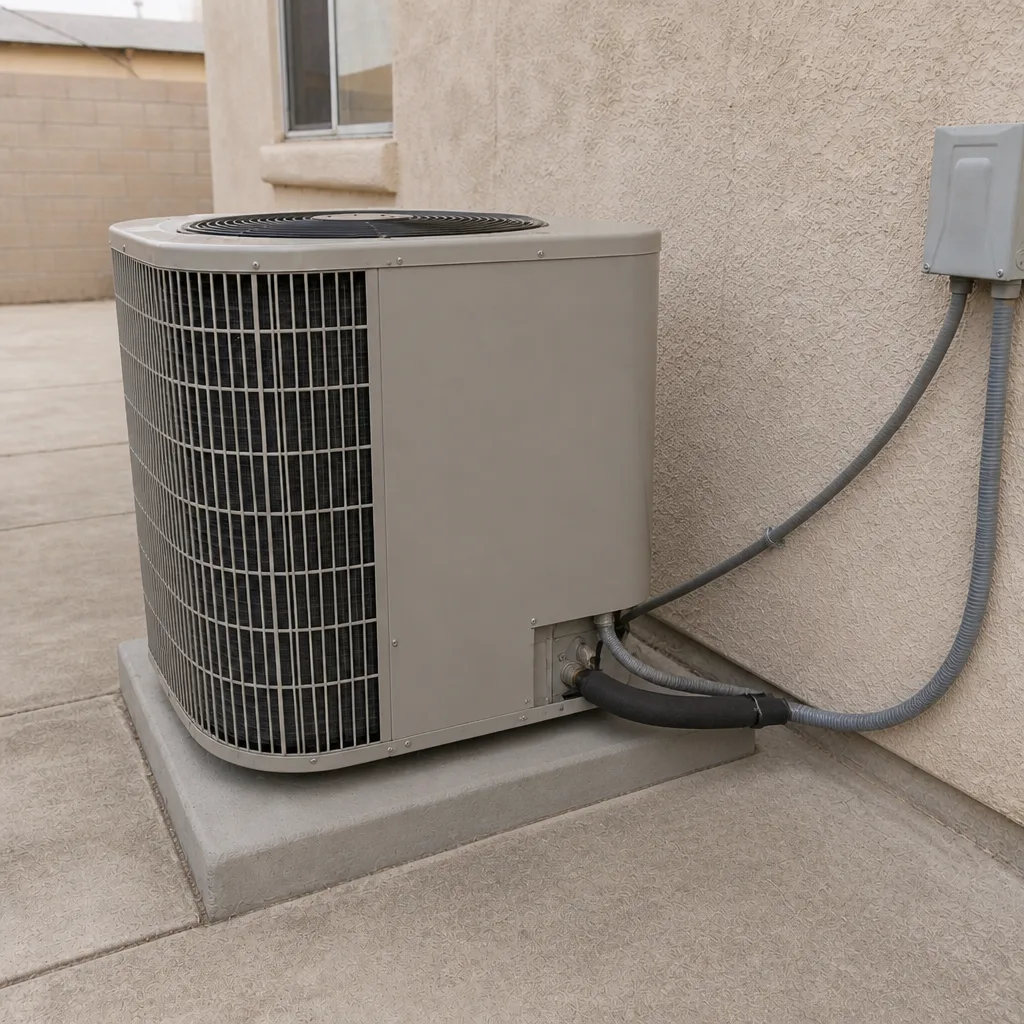
 Before
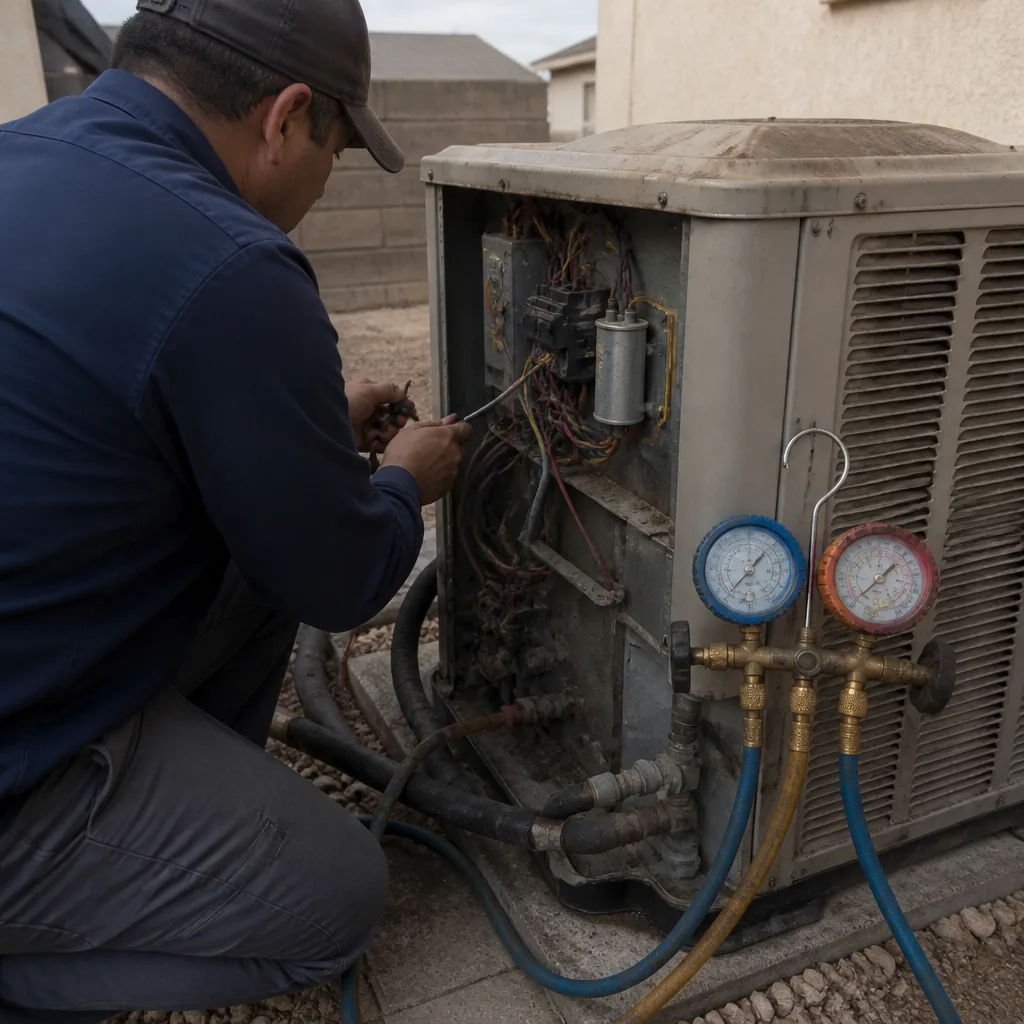
 After
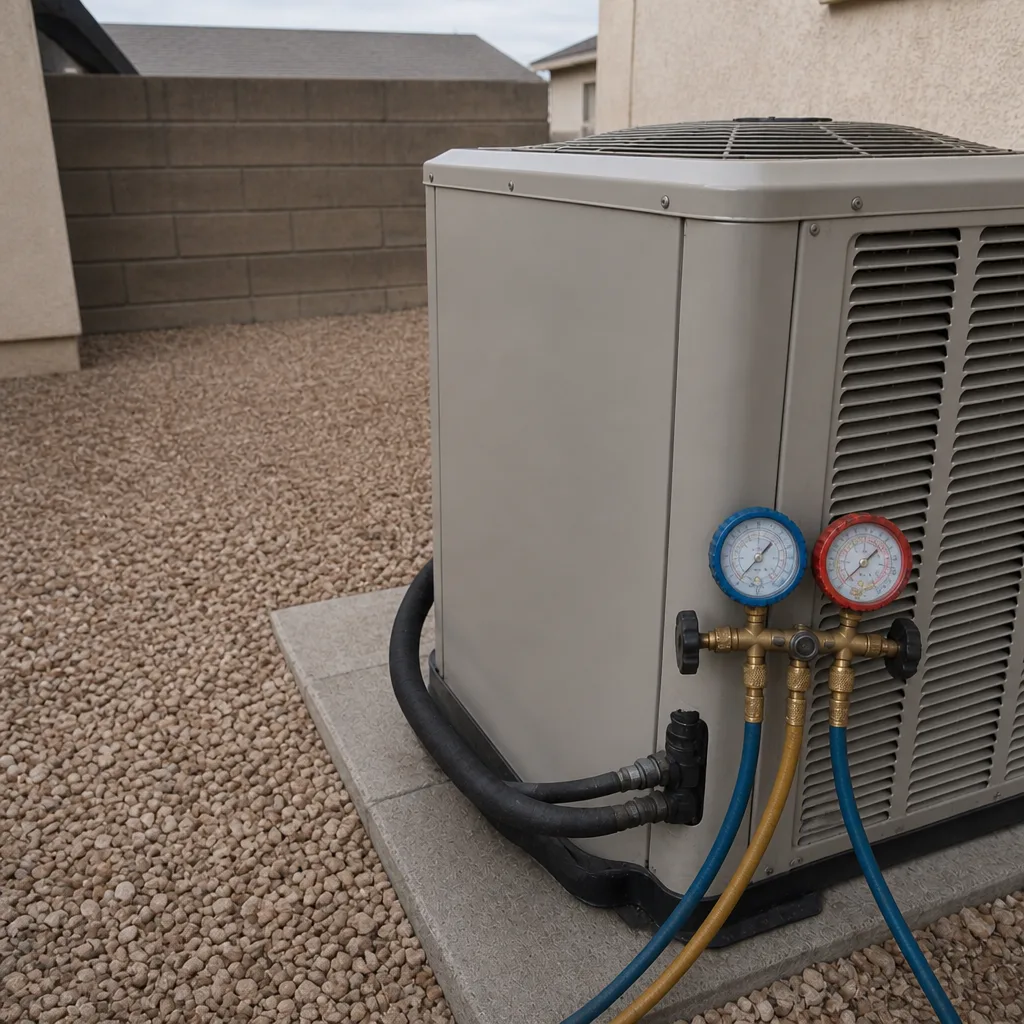
 Before
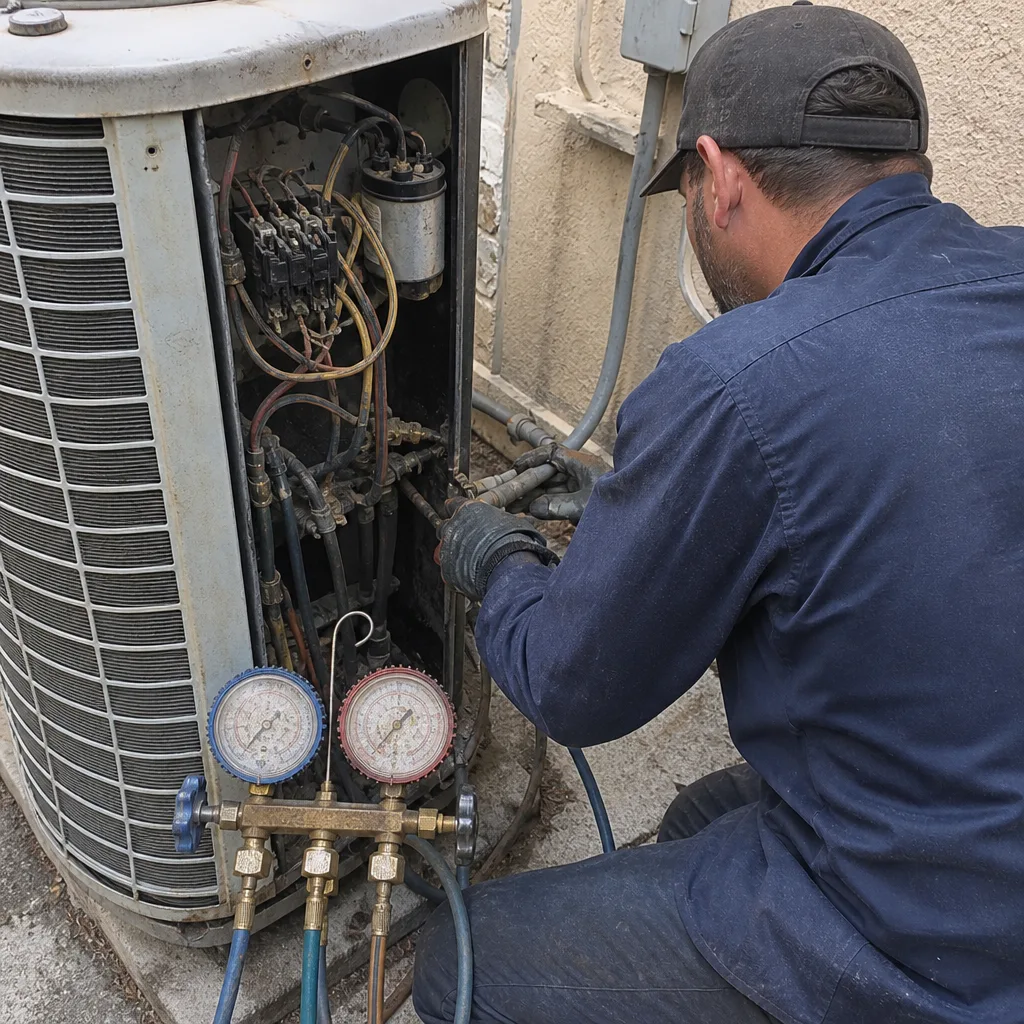
 After
 Before
 After
Common Mistakes to Avoid
- Skipping the March visit because heating season is short. That’s the visit that catches winter wear. Skipping it means the next October visit finds a bigger problem than it should.
- Replacing the filter once a year and calling it done. In North Las Vegas dust, a filter is spent at 60 days during heating season. By September, a once-a-year filter is a choked-up filter.
- Trusting a smoke detector for carbon monoxide. A standard smoke detector won’t warn you about a heat exchanger crack. You need a working CO detector, and you need the annual camera inspection.
- Letting someone skip the heat exchanger camera because “it looks fine from here.” “Looks fine” is not a diagnostic. Ask for the camera inspection and the written report.
- Piling storage around the furnace and vent. Boxes, paint, and holiday decorations around the unit block airflow and can block the vent. Keep the space around the furnace clear.
- Ignoring the thermostat batteries. A weak battery shows up as a cold house on the first cold night, and homeowners end up paying for an emergency visit that a $4 battery would have prevented.
- Not keeping the written report. A verbal “all good” won’t protect your warranty. Keep the report and the filter receipts.
When to Call a Professional
Some situations aren’t a maintenance question. Call a professional right away if you smell gas, if your carbon monoxide detector alarms, if you see a yellow or lazy flame instead of a crisp blue one, if you notice soot around the furnace, or if your family is having headaches or flu-like symptoms that clear up when you leave the house. Those are signs of combustion problems, and they need a trained set of eyes, not a flashlight. Also call if the furnace cycles on and off repeatedly, if you hear banging or rumbling on startup, or if the blower runs but the house doesn’t get warm. That last one is often a flame sensor or ignitor, both of which are usually quick fixes when caught early. For anything touching gas, the heat exchanger, or the flue, don’t attempt the repair yourself. Ray’s Heating & Air North Las Vegas offers free estimates in North Las Vegas. Call (844) 761-6871.
Frequently Asked Questions
Twice a year: an October pre-season checkup and a March post-season inspection. The October visit prepares the furnace for its first cold start, and the March visit catches the wear from the season before. A single yearly visit is the industry default, but our short season means the start and the finish are two very different checkpoints.
Yes. A short season is actually the argument for it, not against it. The furnace sits idle through a dusty, dry summer, and the heat exchanger sits through months of temperature swings. That’s exactly the condition that hides a problem until the first cold night. A quick call to (844) 761-6871 gets you a free estimate and a straight answer on what your system needs.
Every 60 days during heating season, and every 30 days if you have pets or an older home with a leaky return. Our dust load is heavier than most of the country, so the 60-day floor is real. Write the change date on the new filter.
No. You can look at the visible parts, but you can’t see the full surface without a camera, and a visual glance won’t catch a crack in the back cells. This is a job for a trained technician with a camera and a combustion gas test. Don’t run a furnace with a suspected heat exchanger problem. Call (844) 761-6871.
The furnace gets shut down until it’s handled. There’s no safe way to run it with a compromised heat exchanger. Depending on the age and model, the fix is usually a replacement furnace, though some heat exchangers can be replaced if the unit is otherwise solid. We’ll show you the readings and the numbers before any work begins.
Yes, most manufacturers’ warranties require documented annual maintenance, and a written report is what keeps a claim alive. Keep every report, every filter receipt, and the original install paperwork. That folder also becomes a selling point if you ever list the house.
The furnace sits off in summer, so there’s no furnace maintenance to do. But if you run a heat pump or a mini-split, the maintenance schedule is different, and it runs through the cooling season. Our Heat Pump & Mini Split North Las Vegas page explains what each season needs. Cooling maintenance still matters for the same ductwork and filter. Call (844) 761-6871 for a free estimate on either system.
The Bottom Line
North Las Vegas furnaces need two visits a year: an October pre-season checkup and a March post-season inspection. Between those visits, change the filter every 60 days during heating season, clear the vent, and keep the carbon monoxide detector working. The annual heat exchanger inspection is the task you can’t skip, because a crack leaks combustion gases into the living space with no smell and no standard alarm. Keep the written report from every visit, because it protects your warranty and becomes a selling point if you ever list the house. The schedule is small. The consequence of skipping it is not.
If you’d like a straight answer on where your furnace stands, call (844) 761-6871 today for a free estimate. We’ll show you the readings, then the numbers, and you’ll know exactly what your system needs before anything happens. Ask anyone on your street.
Written by the team at Ray’s Heating & Air North Las Vegas.