
Last updated November 17, 2026
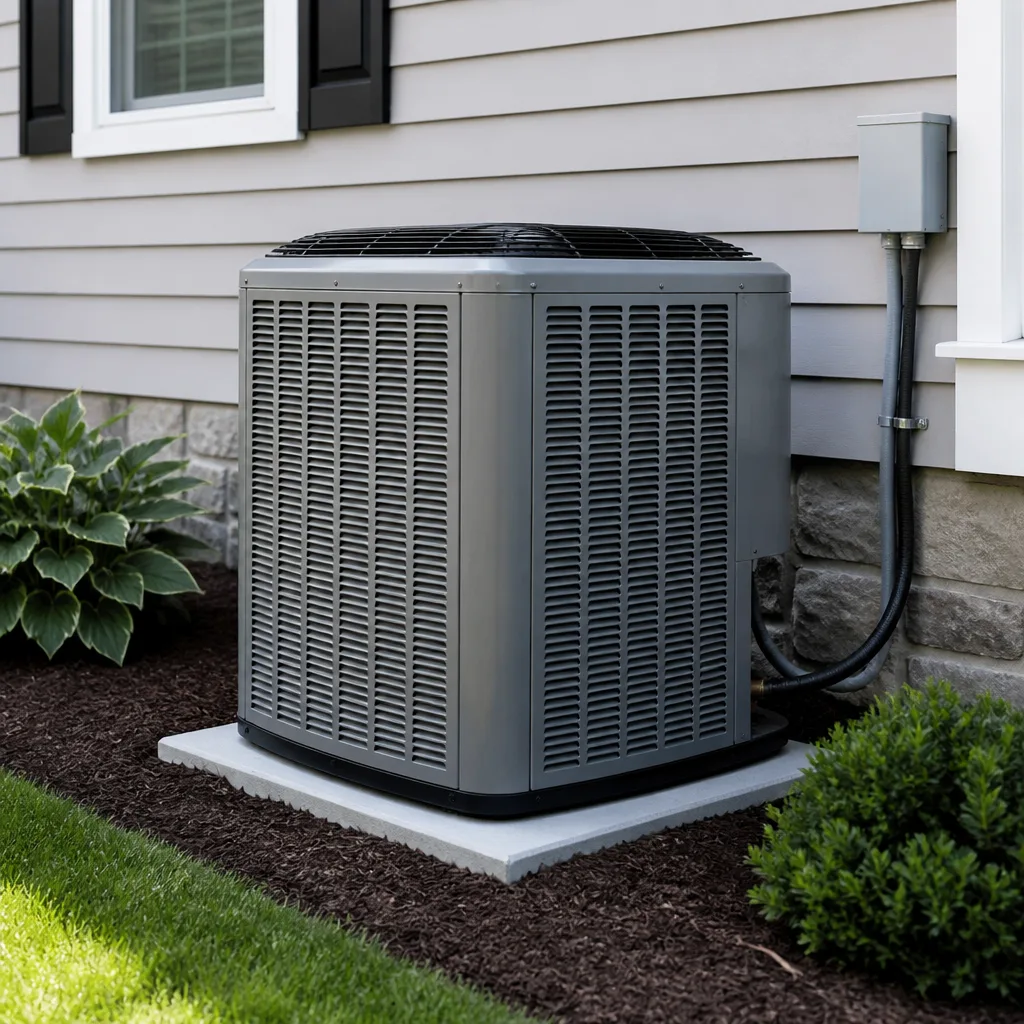 AC repair
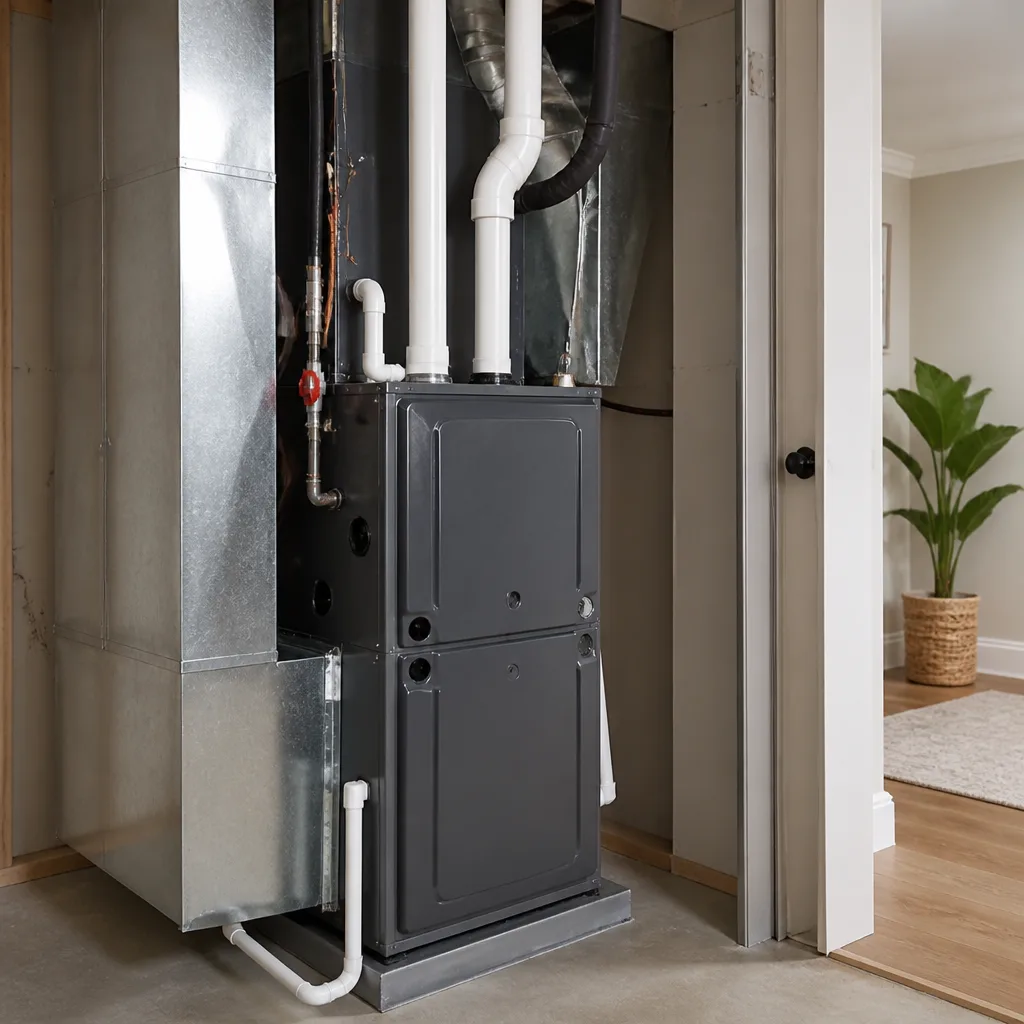 Furnace & heating
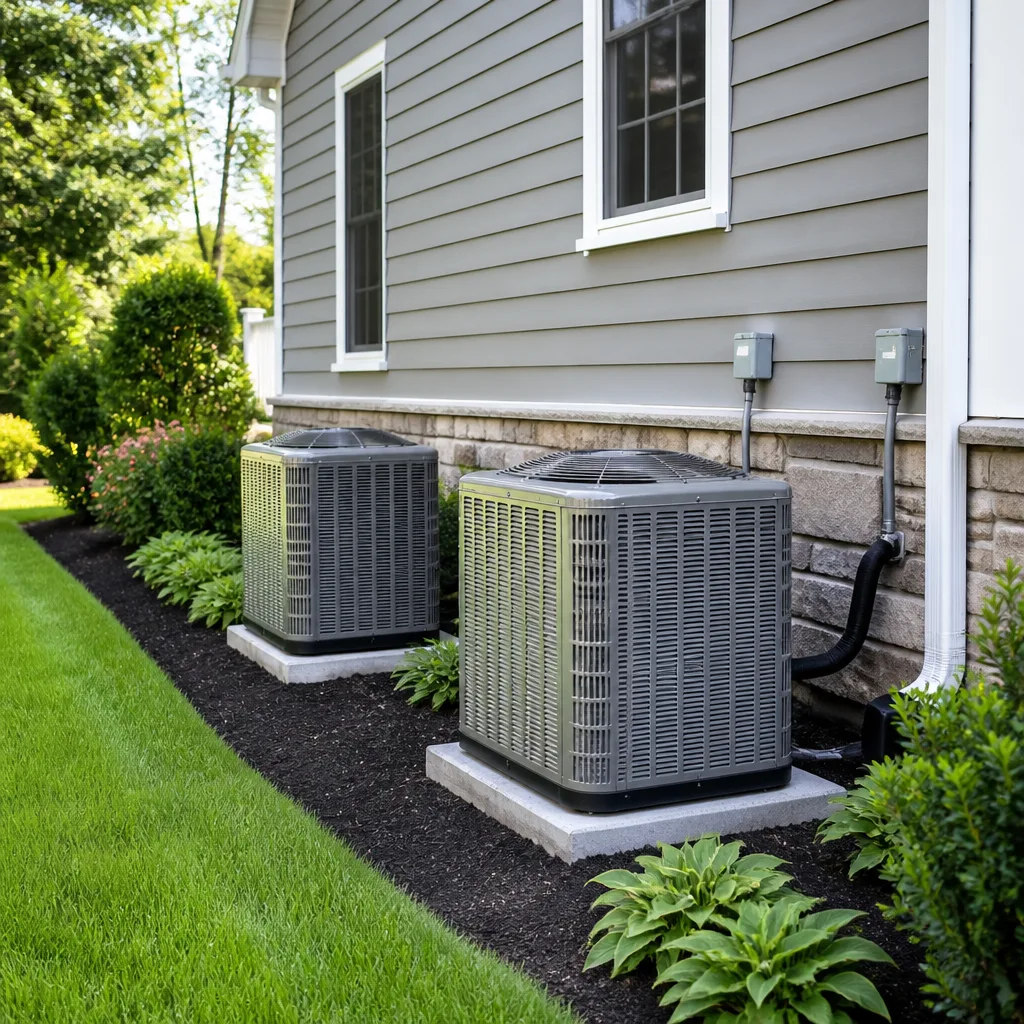 Heat pumps
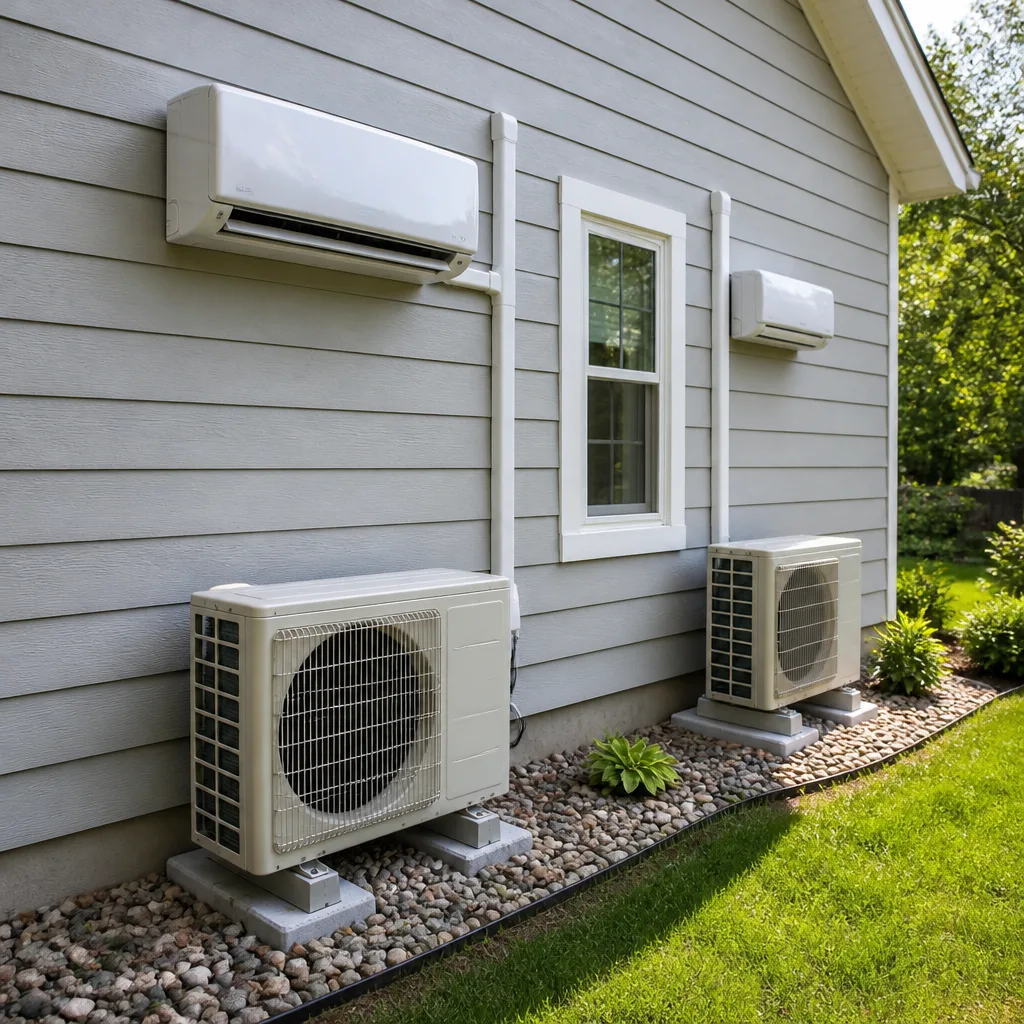 Ductless mini splits
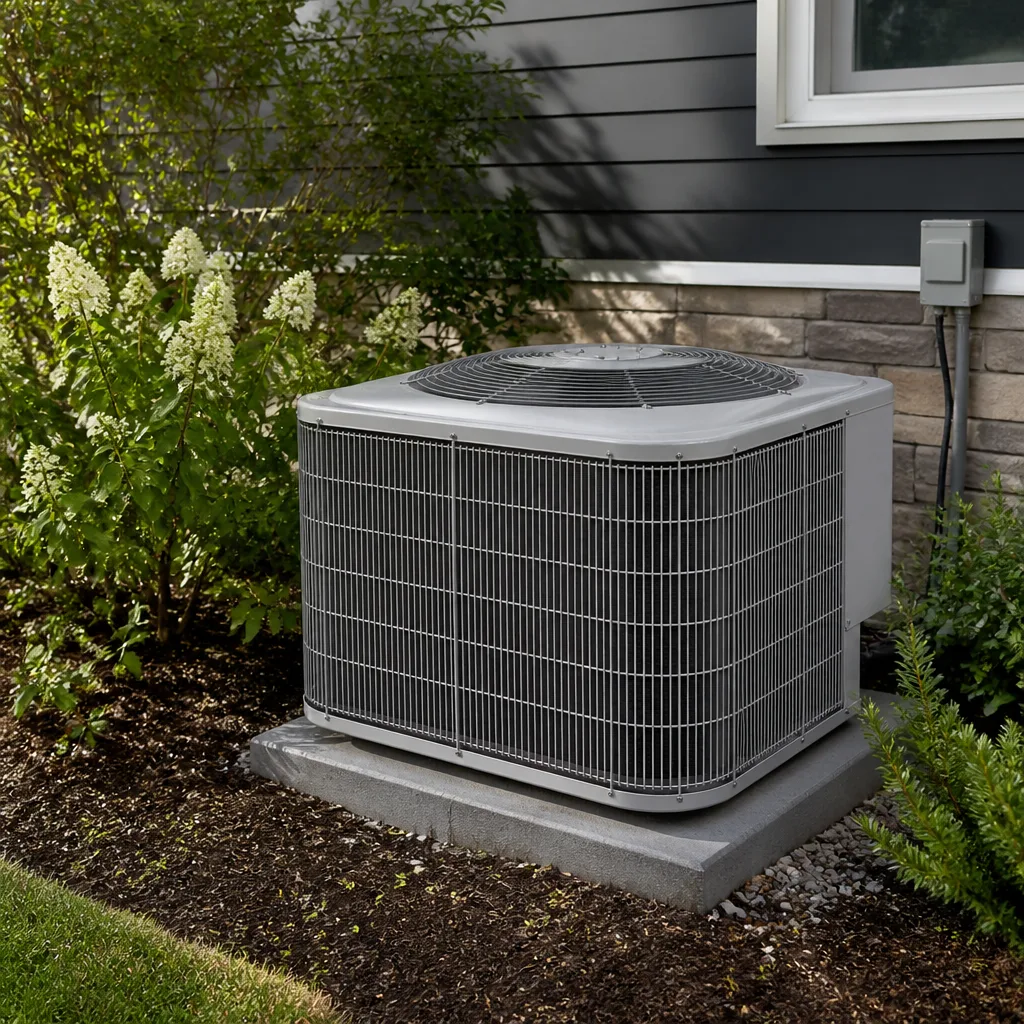 Carrier
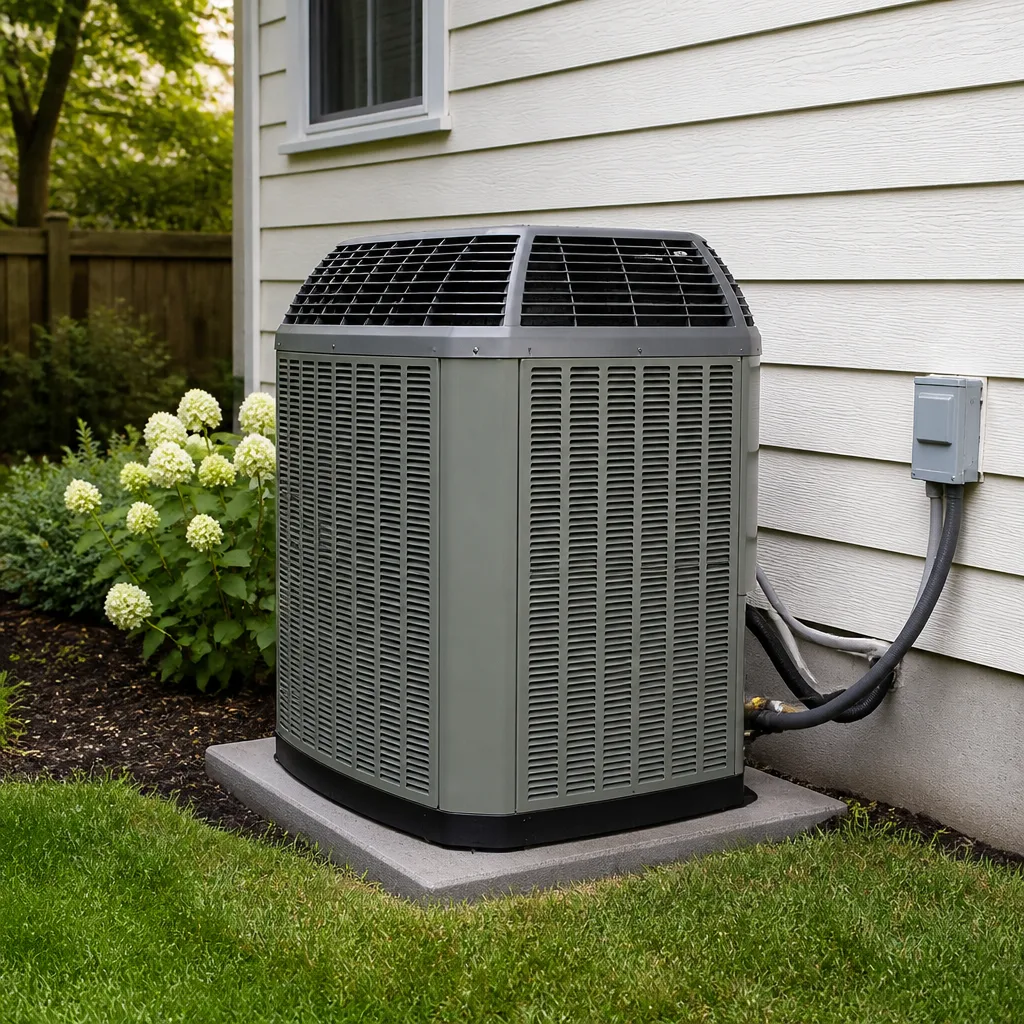 Trane
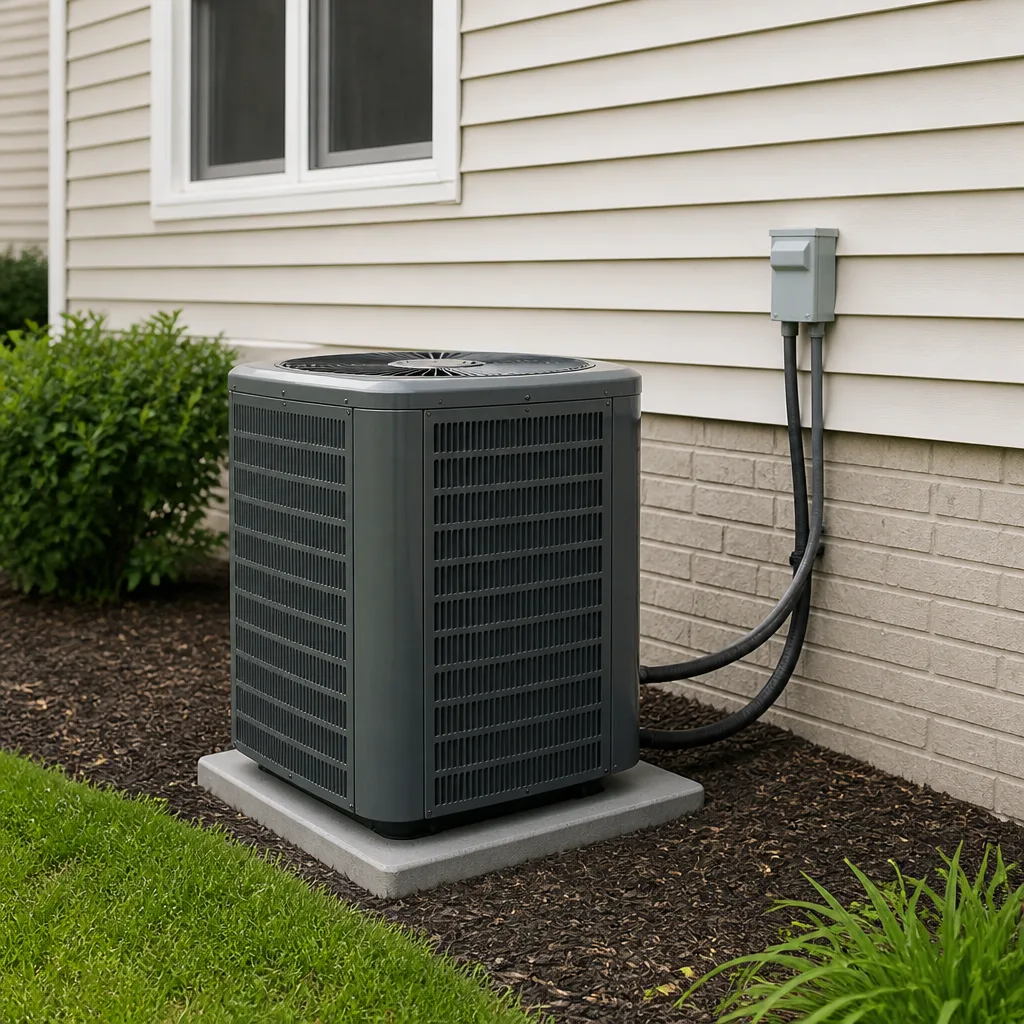 Goodman
Seasonal tune-up and full diagnostic on your Carrier, Trane, or Goodman system - readings shown to you before any repair is proposed
Diagnosis first, numbers second - you approve the repair price before a single part goes in.
Get your free estimateEmergency & Commercial HVAC Warning Signs Every Homeowner Should Know
Here’s the thing we wish more people knew: commercial equipment rarely quits on you cold. It tells you first. The number-one thing we see before a rooftop unit or a split system fails completely is that it starts working harder and louder, and most folks call that “running a little rough” and wait it out. That wait almost always costs five times more than catching it early. A compressor that goes down on the hottest day of a North Las Vegas summer is a four-figure surprise you didn’t budget for. In this guide we’ll walk you through the sounds, smells, bills, and complaint patterns that give you 48 to 72 hours of warning, and how to read them before they turn into a breakdown.
Quick Answer
Commercial HVAC failures almost always warn you 48 to 72 hours ahead through three things: a change in sound (working harder and louder), a bump in your energy bill over the same month last year, and a pattern of “it’s warm in here” complaints clustered in one zone or one time of day. The problem is these signals look like minor annoyances, so building managers ignore them until the unit dies. Read them early and you’re looking at a service call; ignore them and you’re looking at a compressor replacement.
Styles & brands we work with
- AC repair
- Furnace & heating
- Heat pumps
- Ductless mini splits
- Carrier
- Trane
- Goodman
Table of Contents
- The Three Sounds That Predict a Commercial Breakdown
- Uneven Cooling: Is It Your Ducts or Your Equipment?
- Energy Bill Spikes: When to Call and When It’s Normal
- What a Burning Smell Means and the First Two Minutes
- The Employee Complaint Pattern That Actually Predicts Failure
- Warning Signs at Home, Too: What Homeowners Miss
- Common Mistakes to Avoid
- Frequently Asked Questions
The Three Sounds That Predict a Commercial Breakdown
Sound is the first thing we listen for, and it’s the cheapest diagnostic there is. Before anyone touches a gauge, we stand there and listen. Three distinct sounds come up again and again before the three most common commercial failures, and each one points somewhere different.
- The compressor death rattle. A deep, heavy, metallic knock that pulses with the equipment and gets worse the longer it runs. That’s the compressor itself telling you its bearings or internal parts are giving out. It won’t last long once you hear it.
- Refrigerant slugging. A wet, chugging, surging sound, almost like the unit is gargling. That means liquid refrigerant is getting where it shouldn’t, and it damages the compressor over time. This one is easy to mistake for “just how it sounds,” which is why it gets ignored.
- A failing motor bearing. A high-pitched squeal or a grinding whine from the blower or condenser fan motor. It’ll change pitch as it spins up. Left alone, a fan motor seizes and the whole system overheats.
Here in the desert we hear these earlier in the season than most places. Around North Las Vegas, a unit that sounds fine in April can start complaining by late May once it’s running flat out through triple-digit afternoons. The equipment is working harder, so the warning sounds show up sooner. If a building manager calls us in the spring because “it’s just louder this year,” that call has saved more than one customer a summer shutdown.
One quick ground rule on this: listening is fine, but don’t go pulling panels or poking around a running compressor to investigate. There’s live high voltage and refrigerant pressure behind those panels, and both can hurt you badly. The trained person at your door is there for exactly this. We test the capacitor before anyone even says the word compressor, because half the “dead compressor” calls we get are a cheap part that failed first.
Uneven Cooling: Is It Your Ducts or Your Equipment?
When one part of a commercial space is cold and another part is warm, people jump straight to “the AC is broken.” In our experience it’s a duct problem about 30% of the time and an equipment problem about 70% of the time. The good news is there’s a quick check that tells you which.
Here’s the check. Go to the supply registers in the warm zone and the cold zone. Hold your hand a few inches away, or tape a strip of tissue to a register and watch it.
- If the airflow in the warm zone is weak or barely there compared to the cold zone, but the air coming out is still cold, that points to a duct problem: a separating joint, a crushed run, a damper stuck shut, or leaks in the run.
- If the airflow is strong but the air is only cool, not cold, in the zone that struggles, that points to an equipment problem: the system isn’t keeping up with demand, which often means low refrigerant, a failing compressor, or a system that was never sized right for the load.
- If the warm zone is consistently the farthest run from the unit no matter what, that’s often a balance and design issue worth a professional look.
This matters in North Las Vegas warehouses, small offices, and shops off Craig Road, where the afternoon sun hits one wall for six straight hours and demands more from one zone than another. A zone that fights the heat every day and slowly loses isn’t a nuisance. It’s a system telling you it needs attention before it stops trying. Catching a stuck damper or a leaky duct early is a same-visit fix. Catching it after the compressor has been overworked all summer is a replacement.
Energy Bill Spikes: When to Call and When It’s Normal
Your energy bill is one of the best early warning signs you have, because it moves before anything sounds wrong or smells wrong. But rates creep up, and usage swings with the weather, so you need a line to judge against. Here’s the line we use.
- A 10% or less increase over the same month last year is generally normal, especially with rate adjustments and a hotter-than-usual stretch. Watch it, don’t panic.
- A 15% to 20% increase over the same month last year, once you’ve ruled out added equipment or longer hours, is the point where a service call pays for itself. Something is running harder than it should be.
- Anything over 20% with no explanation is a red flag. That’s a system losing efficiency fast, and the underlying cause almost never fixes itself.
Compare like months, not month over month. Comparing July to June in North Las Vegas will fool you every time, because a July afternoon load here is nothing like June. Compare this July to last July. That’s the honest comparison.
A building manager who tracks bills this way gets a head start. By the time a unit is drawing noticeably more power for the same cooling, a technician can often find the reason before it’s a breakdown: a dirty condenser coil, a failing run capacitor, low refrigerant, or a fan that’s dragging. That’s a modest repair versus a major one. It’s the difference between a service call and a $12,000 compressor. If your numbers jump and you can’t explain it, that’s the moment to get us or any qualified local outfit out to look. Our guess is the readings will tell the story.
What a Burning Smell Means and the First Two Minutes
A burning smell on commercial equipment is the one warning you act on immediately. It means heat where heat isn’t supposed to be. Here’s the sequence we want you to follow in the first two minutes, in order.
- Get people out of the area, then find the smell’s source. Is it coming from the equipment itself, from a wall outlet, or from the room air? A smell from the unit is one thing. A smell near wiring or a panel is more urgent.
- If the smell is clearly from the equipment and you smell wire or plastic burning, kill the breaker feeding that unit. Cut the power at the disconnect or the panel, and don’t turn it back on to “see if it’s still there.”
- If the smell is faint and only shows up at startup, that can be accumulated dust burning off the heat exchanger, which happens on first heat of the season. But if it persists past a few minutes or smells like plastic or wire, treat it as step 2.
- If you smell gas, don’t touch any switch, don’t kill that breaker, get out, and call from outside. That’s the one time killing the breaker is the wrong move: a spark from a switch can ignite gas. Gas leaks are not a wait-and-see situation.
This is the part where expertise earns its keep. A faint dusty smell on the first cold morning and a wire-burning smell can start out looking similar, and knowing which one to shut down is the whole job. Don’t guess, and don’t go opening up a unit to investigate the smell yourself. There’s live voltage and heat inside. Get it shut down safely and call a trained professional. In North Las Vegas, we get these calls year round, and the right call is always the cautious one.
The Employee Complaint Pattern That Actually Predicts Failure
This one doesn’t come from the equipment at all. It comes from the people inside the building, and it’s the most underrated early warning we know. Employees complaining “it’s warm in here” before anyone has looked at the equipment is often the real first sign, but the value is in the pattern, not the volume.
Track those complaints by two things: zone and time of day. A single “it’s warm” from one area now and then is noise. But if one zone is consistently warm every afternoon, or every morning before the sun hits it, you’ve got a signal.
- A zone that’s warm only in the afternoon usually points to a system struggling to keep up with peak load: low charge, a dirty coil, a compressor past its prime.
- A zone that’s warm first thing in the morning and evens out often points to a control, thermostat, or damper issue that a technician can catch easily when it’s small.
- Complaints that move around unpredictably can point to airflow and balancing problems worth a look before summer.
We’ve watched building managers in North Las Vegas run this kind of log almost by accident, an email here and a sticky note there, and it told the story before the equipment ever made a sound. When we show up and a manager can point to “this zone, every day at 2,” we know exactly where to start. That’s the 48-to-72-hour head start, handed to you by the people who work in the space. If more than a handful of people are quietly remarking on it, that’s not a comfort complaint. That’s a system asking for help.
Warning Signs at Home, Too: What Homeowners Miss
The title includes homeowners, and it’s worth saying plain: the same early-warning logic applies at the house, even if the stakes are smaller than a commercial building. At home the signs are quieter, but they’re there.
- Your system runs longer to get to the same temperature. Same house, same setting, but it takes 40 minutes where it used to take 20. That’s lost efficiency, not a guessing game.
- Warm air at the vents instead of cold in summer, or the reverse in winter. That’s the system failing to do its one job. Don’t wait to see if it clears up.
- Rattling, clicking, or a squeal you can hear from another room. Loud is a signal. A quiet system is the goal.
- Moisture, ice, or a puddle near the indoor unit. Ice on the lines means something’s off with refrigerant or airflow, and a puddle can mean a clogged drain line or worse.
- Your system is getting up there in years. If it’s older and now acting up, the question shifts from “can this be fixed” to “is it worth fixing,” and that’s a real conversation to have with a pro.
At home you have a friendlier option than waiting: you can get a straight look at it before it turns into an emergency. If you need AC repair and installation in North Las Vegas, that’s the kind of call that’s best made in spring, not on a 110-degree Friday when everyone else is calling too. Same story with the furnace in January. If you’re noticing the signs above, don’t let them stack up until one of them wins.
Common Mistakes to Avoid
- Waiting until it’s “actually broken.” By the time a commercial unit fails outright, the warning window is gone, and you’re paying for the biggest repair on the hottest day. Catch the signals early and you’re paying for a service call.
- Chalking a new noise up to “just how it sounds.” Equipment doesn’t develop a new personality. A change in sound is a change in condition, and the fan motor or compressor that’s complaining today is the one failing next week.
- Comparing this month’s bill to last month’s instead of last year’s. In North Las Vegas, a hot month always looks scary next to a mild one. Compare like to like or the number will lie to you.
- Smelling something burning and turning the unit back on “to check.” If it was hot enough to smell like plastic or wire, it’s hot enough to stay off until it’s looked at. Get it shut down and call.
- Ignoring employee complaints because “people always complain about the temperature.” A single complaint is noise. A pattern by zone and time of day is a diagnosis waiting to happen.
- Swapping parts without testing them. We test the capacitor before anyone says the word compressor, because the real answer is often a cheap part, not the expensive one. Anyone who skips readings and goes straight to a big number isn’t diagnosing, they’re guessing.
- Calling the national outfit that quoted one price on the phone and another at the door. That’s how you end up paying more for less certainty. The person at your door should know your system and show you the readings before the numbers.
See the difference
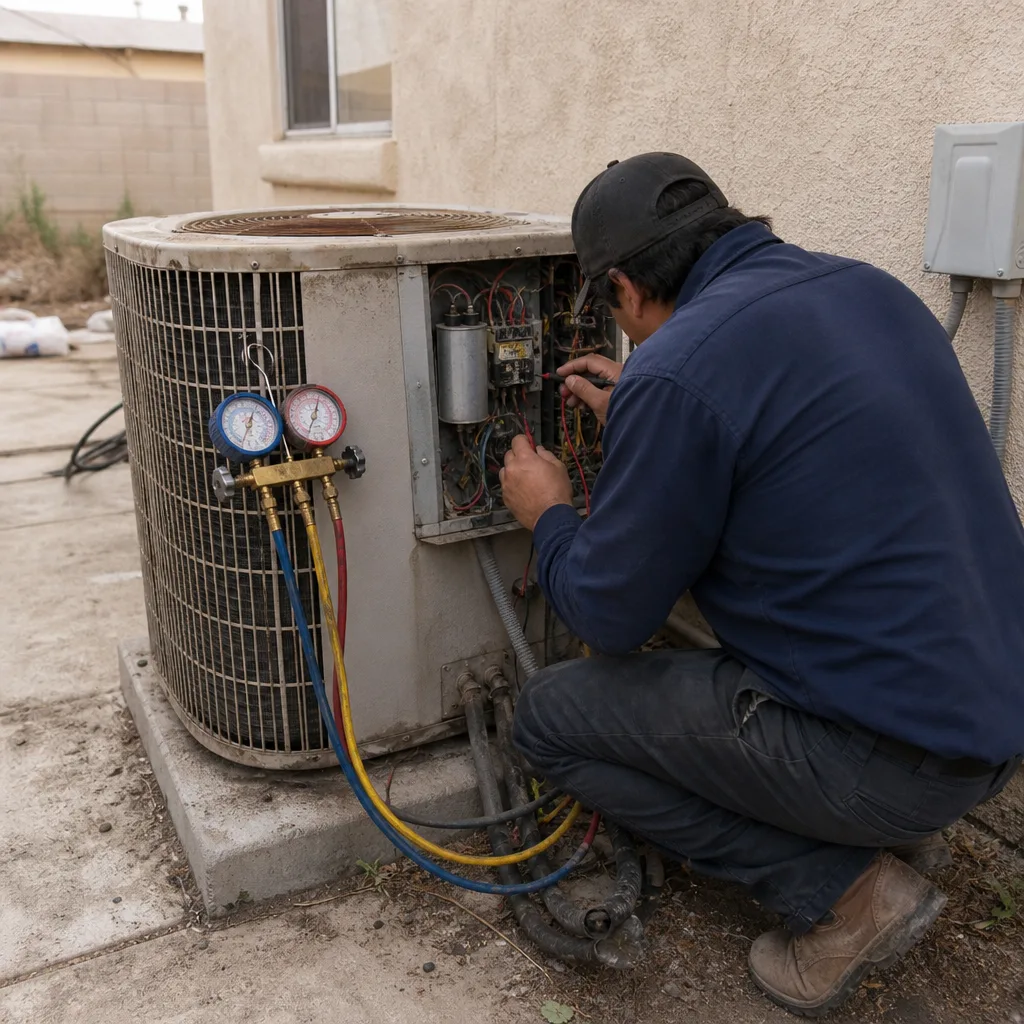 Before
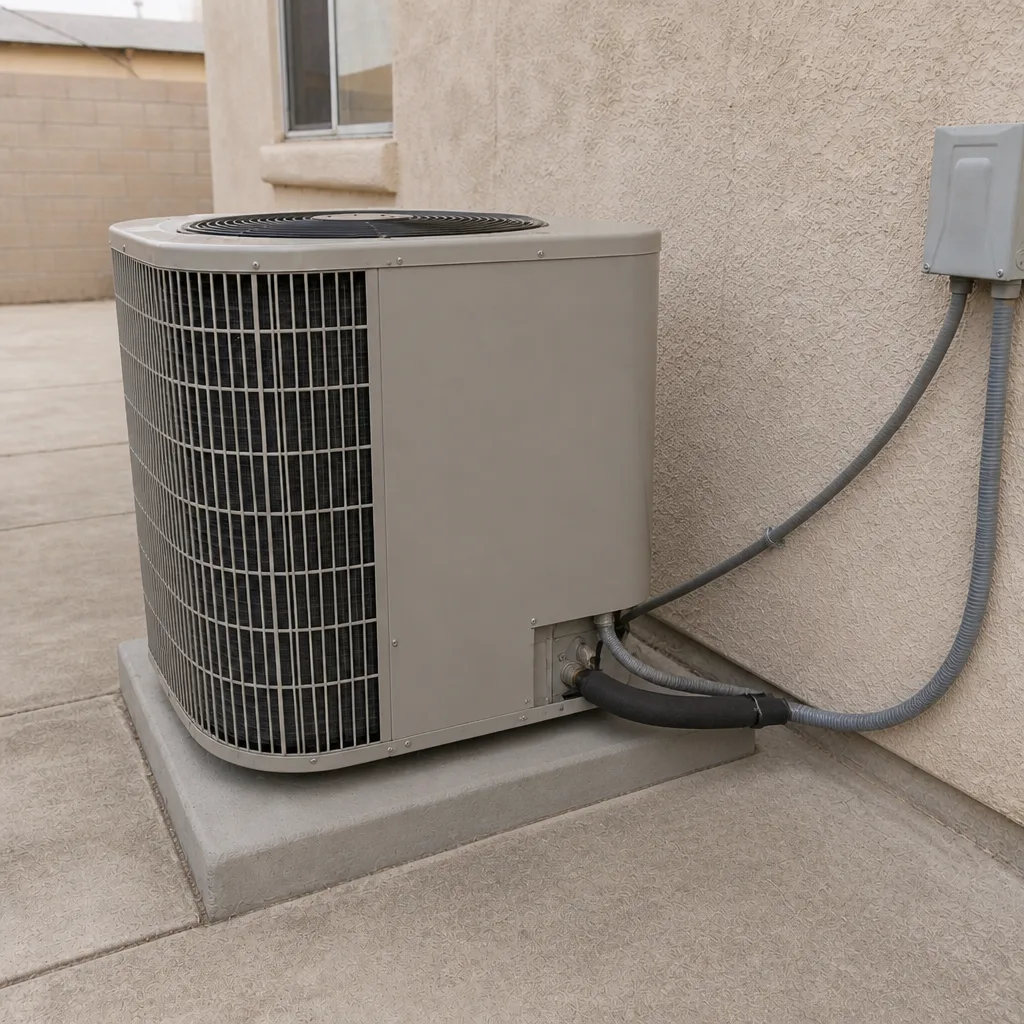 After
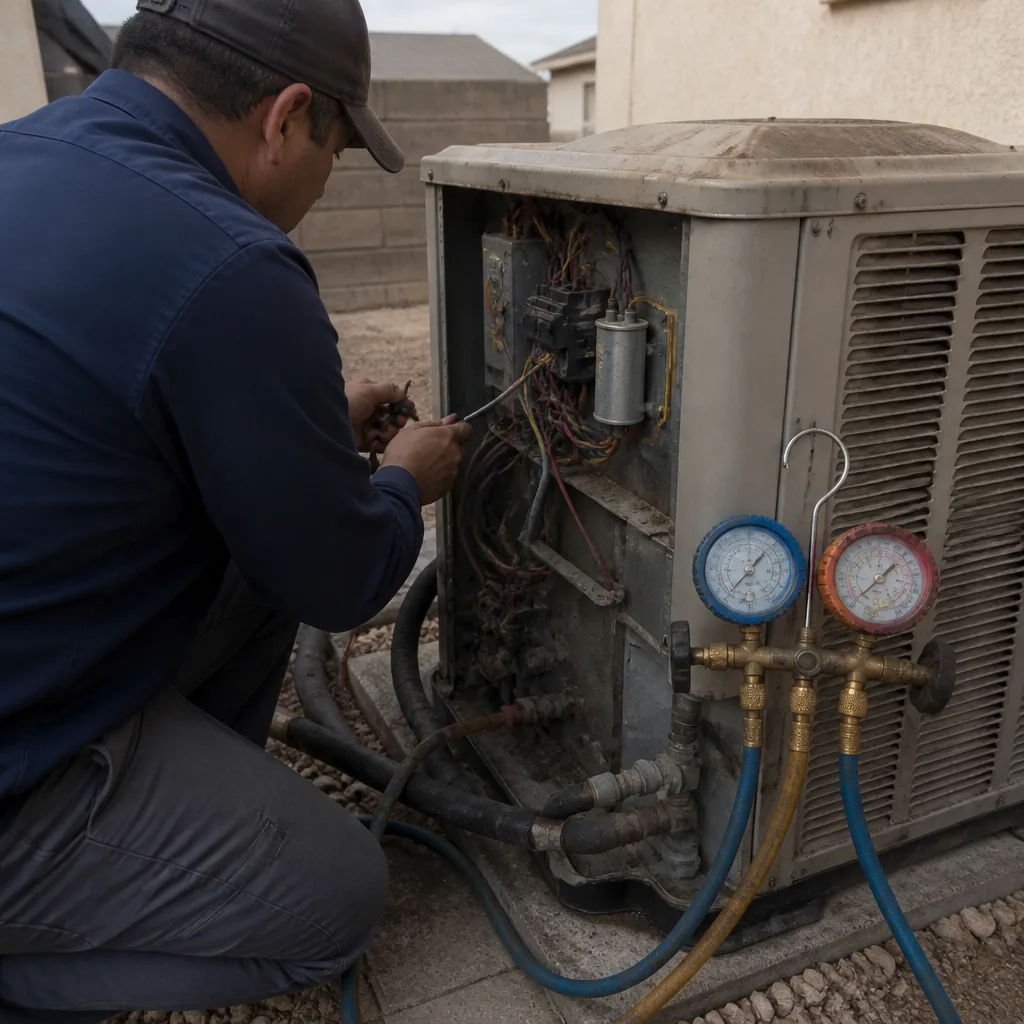 Before
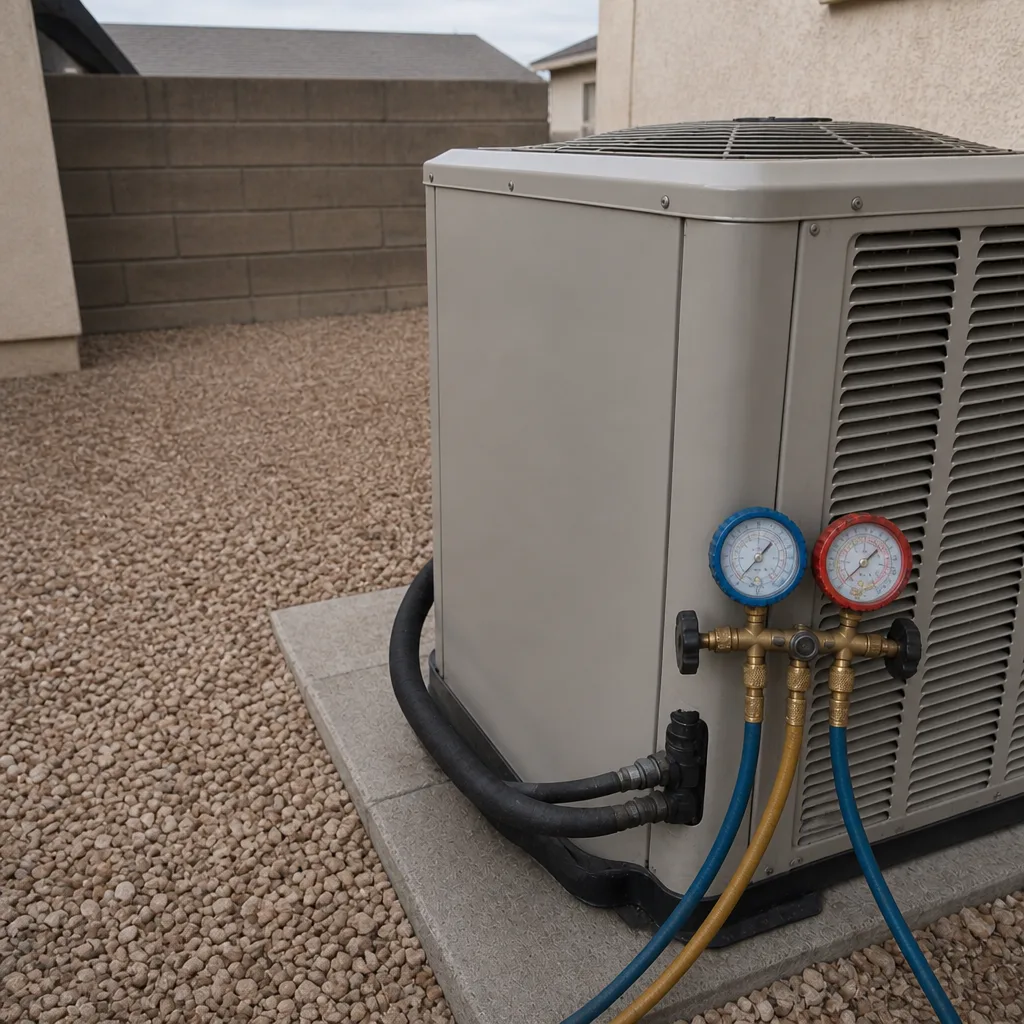 After
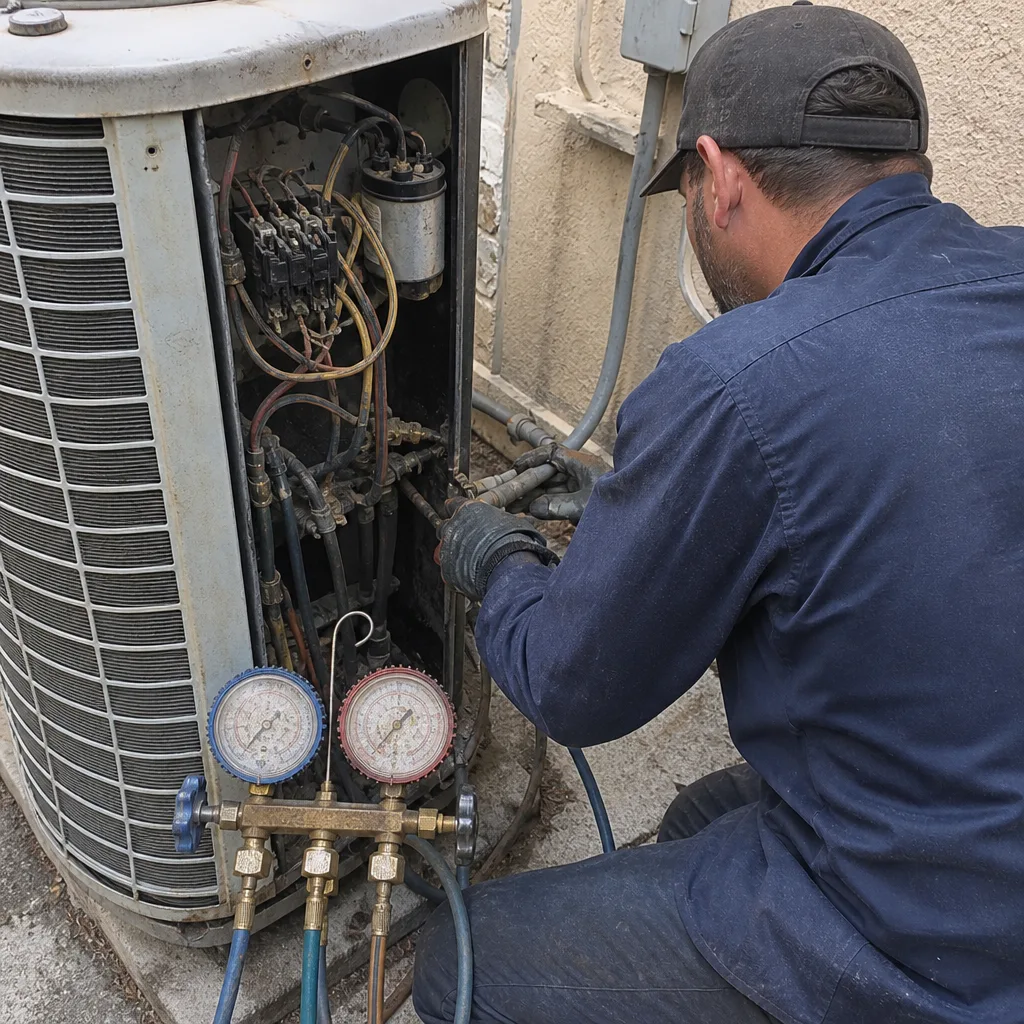 Before
 After
When to Call a Professional
Call right away if you hear a heavy metallic knock from the compressor, smell burning wire or plastic near a unit, see a fan motor grinding or stalled, or find gas anywhere in the building. Call sooner than you think you should if your bill jumped more than 15% over last year’s same month with no explanation, or if one zone has been warm for a week while others are fine. These are the scenarios where the 48-to-72-hour warning window is closing. None of them are DIY territory, and none are things to wait on until morning. Ray’s Heating & Air offers free estimates in North Las Vegas, and Ray answers his own phone at two in the morning, so call (844) 761-6871. Ask anyone on your street – the name on the truck answers for the work.
Frequently Asked Questions
Most commercial rooftop and split equipment runs 12 to 15 years with good maintenance, though in a hot climate like ours the upper end can come faster if the unit’s been ignored. The bigger point is that the last year or two of a unit’s life are when it warns you loudest: more frequent breakdowns, climbing bills, and repairs that start stacking. When repairs add up to a big fraction of a replacement, the money question shifts. Get an honest look at the readings before you decide, not a guess.
No, and you shouldn’t try. Commercial equipment runs on high voltage, high refrigerant pressures, and open flames on the heating side, and the parts that fail are exactly the parts that can hurt you. The safe job for you is reading the early signs and shutting things down. The trained job is diagnosing and repairing. That’s the split we’d give anyone. If it’s making a new noise or smelling of wire, shut it down and get a pro.
Ten percent or less is generally normal once you allow for rate changes and a hotter stretch. Fifteen to twenty percent over the same month last year, with no added equipment or longer hours, justifies a service call. Anything over twenty percent with no explanation is a red flag for a system losing efficiency fast. Compare like month to like month, because in North Las Vegas a July load and a June load are two different animals. Call (844) 761-6871 for an exact look, and estimates are free.
Repair makes sense when the failure is a cheap component, like a capacitor or a fan motor, and the unit still has years left. Replacement makes more sense when the compressor is the failing part, the unit is near the end of its expected life, and bills are already climbing. The deciding factor is real diagnostics, not a phone guess. Get the readings first, then the numbers, then decide. Call (844) 761-6871 for a free second opinion on any written estimate before you commit.
Yes, when it’s down we prioritize getting someone out the same day, and we answer every call with a live person around the clock, never a voicemail maze. That’s true whether it’s a rooftop unit on a commercial building in North Las Vegas or a home AC that quit on a holiday. One call and you’re talking to a person. When you’re already down, call (844) 761-6871 and we’ll get you on the schedule.
Yes. We take $40 off any repair over $200, give a free second opinion on any written estimate, and charge no trip charge inside our own county. Seniors and veterans get 10% off. Those are the standing offers, and we don’t invent others to sweeten the pitch. If you’re comparing a quote that seems too good, bring it to us and we’ll look at it with you. Call (844) 761-6871 to set it up.
The Bottom Line
Commercial HVAC failures don’t come out of nowhere. They give you 48 to 72 hours of warning, and the whole game is reading it in time: the change in sound, the bump in the bill over the same month last year, the burning smell you shut down instead of investigating, and the pattern of “it’s warm in here” complaints that points to the problem before any equipment does. Catch those early and you’re looking at a service call. Ignore them and you’re looking at a $12,000 compressor on the hottest day of the year. In North Las Vegas, the heat gives you no extra margin, so read the signs while they’re small. The same goes for your house: the signs are quieter, but they’re there, and they’re worth acting on early. The whole point of this guide is to hand you the warning before the repair bill does.
Frequently Asked Questions
Check the supply registers in both zones. If the warm zone has weak airflow but the air coming out is still cold, it’s usually a duct problem, about 30% of cases we see. If the airflow is strong but the air is only cool, not cold, that’s usually an equipment problem, about 70% of cases. The quickest way to be sure is a professional look with readings. Call (844) 761-6871 for a free estimate in North Las Vegas.
Get people clear of the area, find the source, and kill the breaker feeding the unit if you smell wire or plastic burning. The one exception is a gas smell: don’t touch any switch, get out, and call from outside, because a spark can ignite gas. Faint dusty smell at first heat of the season is normal; persistent wire or plastic smell is not. When in doubt, shut it down and call (844) 761-6871.
Yes, and it’s cheaper. A spring call that catches a stuck damper, a failing capacitor, or a dirty condenser coil is a routine visit. The same issue caught after a summer of overwork is the reason people replace a compressor. In North Las Vegas with our heat, the wear piles on fast, and the early catch pays for itself, often with a starting point below a full repair call thanks to the no-trip-charge and discount offers. Call (844) 761-6871 before the peak.
Yes, and it’s the best way to catch a problem before it becomes an emergency. When you track bills, sounds, and complaints per unit, you learn which one is the early quitter before it fails. A single building with four units and one that’s always the last to keep up is a pattern worth a call. Our background-checked technicians can look at all of them in one visit. Call (844) 761-6871 to set it up.
We service all the major commercial and residential brands, including Daikin, Bryant, American Standard, and Carrier. That means you don’t have to hunt for someone “certified” on a single brand. One call and you’re covered. We’ve worked on these systems in every kind of North Las Vegas building, from warehouses to small shops, so we know what to look for. Call (844) 761-6871 for a free estimate.
Yes. Every heating and cooling job carries the 90-Day Done Right Promise in writing: if it isn’t done right, Ray makes it right, and one call brings him back. That includes commercial jobs. It’s not a slogan; it’s a written commitment stamped on the work, and one call brings the name on the truck back to your door. Call (844) 761-6871 with any question about it.
Written by the team at Ray’s Heating & Air North Las Vegas.