
Last updated November 17, 2026
 AC repair
 Furnace & heating
 Heat pumps
 Ductless mini splits
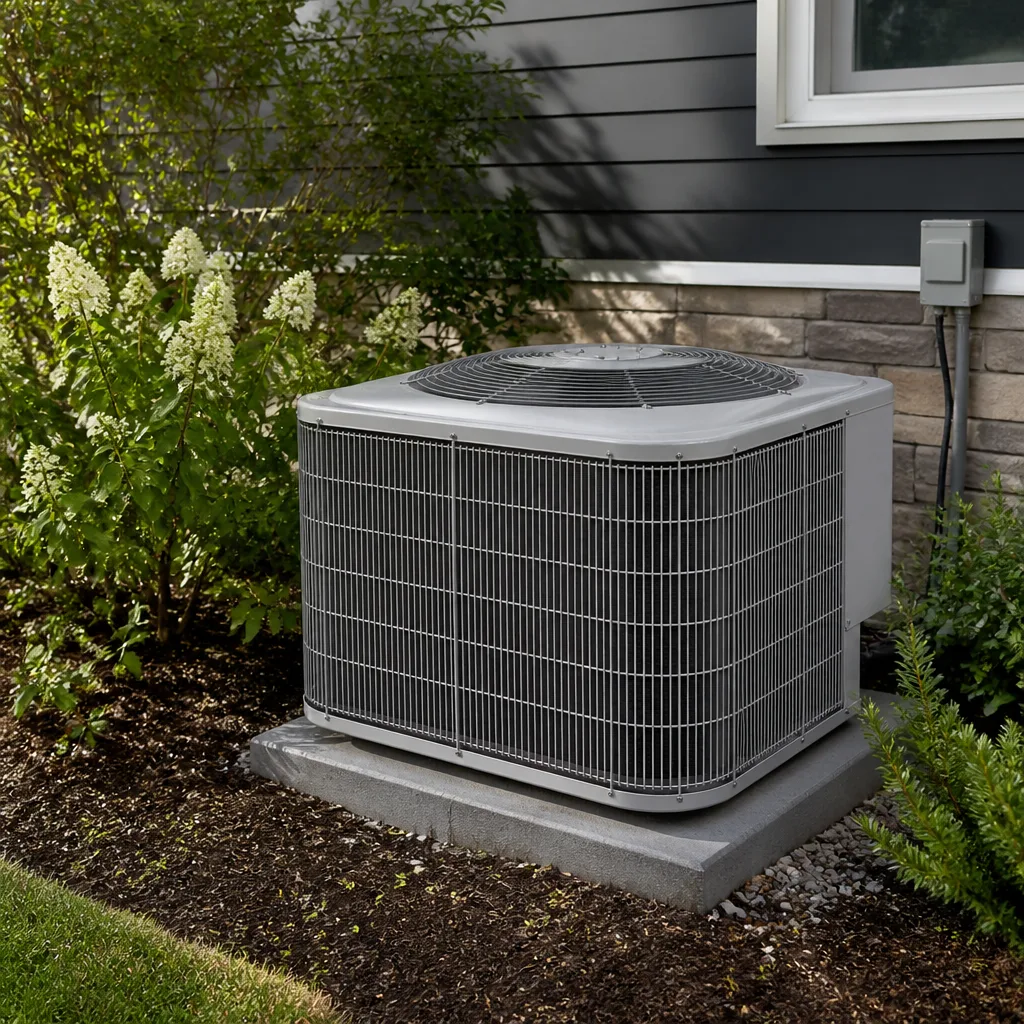 Carrier
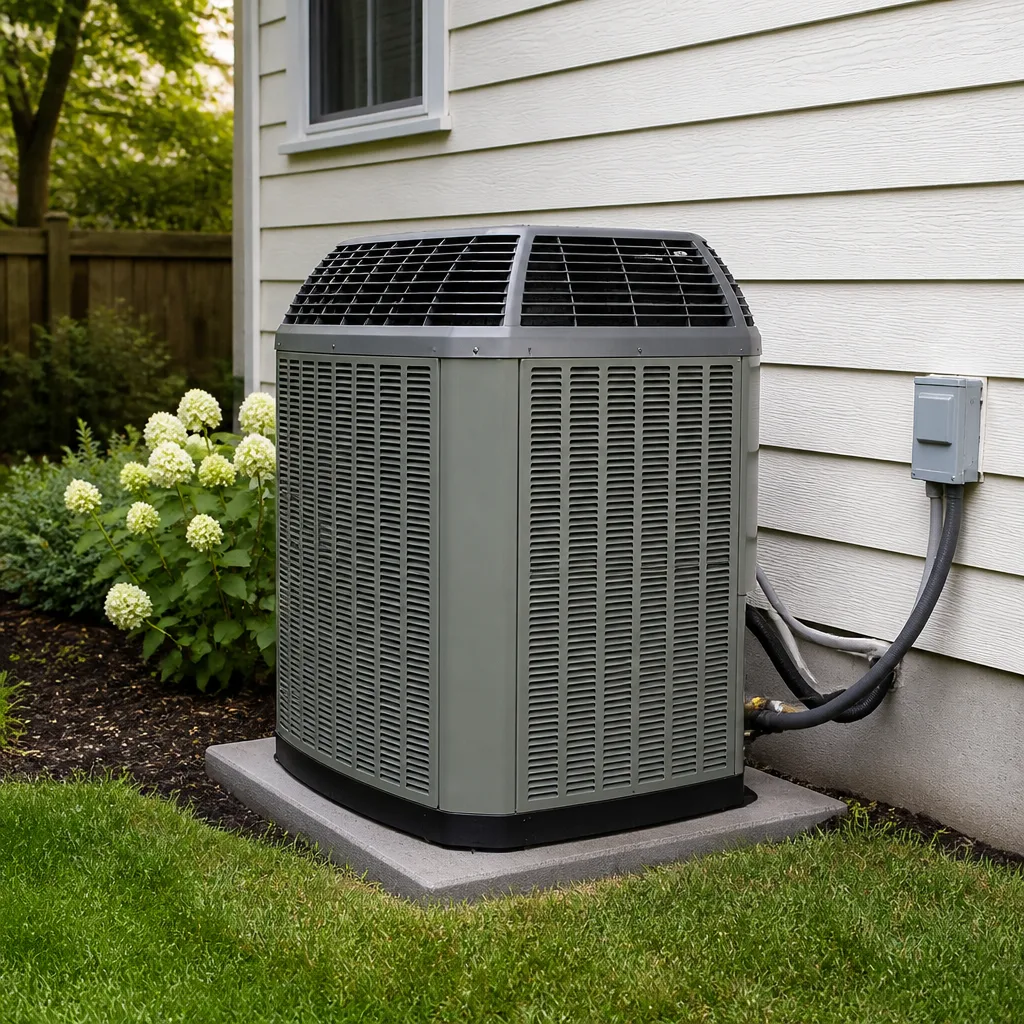 Trane
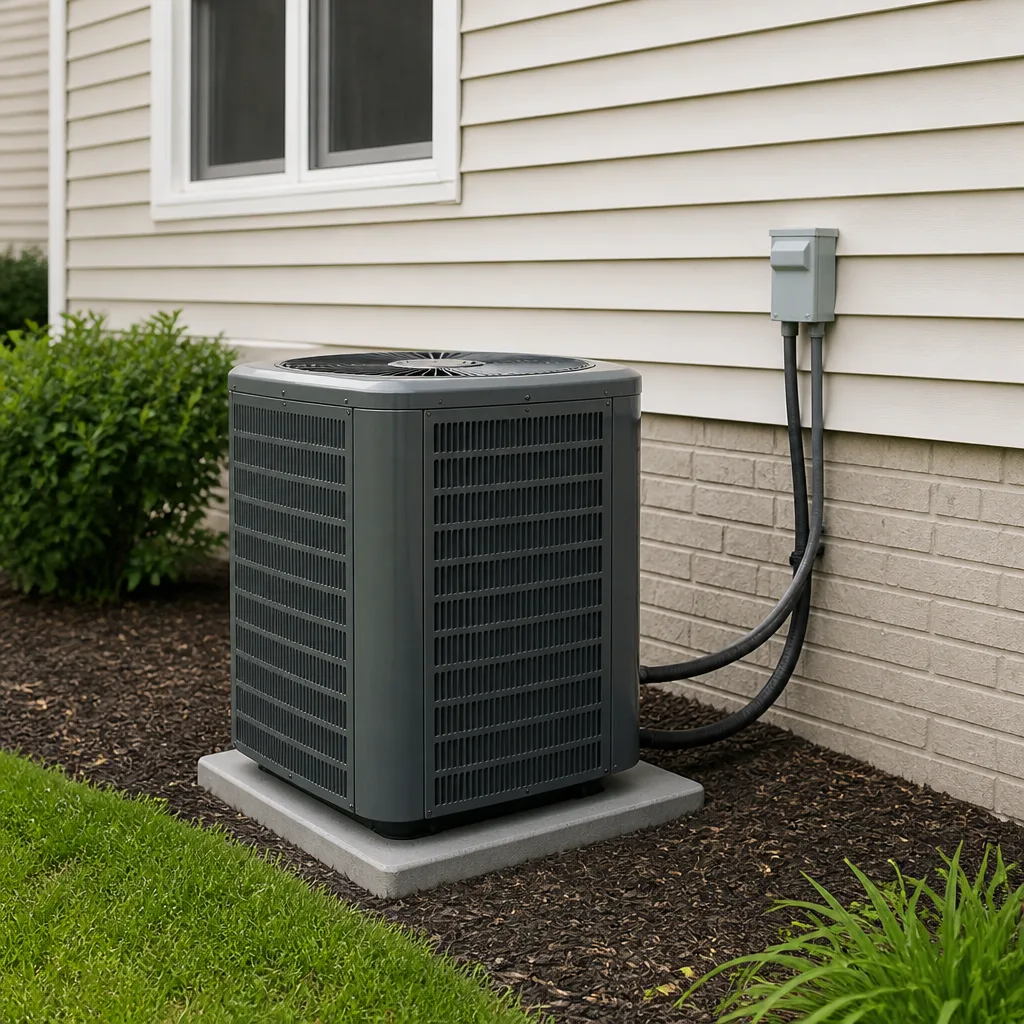 Goodman
Seasonal tune-up and full diagnostic on your Carrier, Trane, or Goodman system - readings shown to you before any repair is proposed
Diagnosis first, numbers second - you approve the repair price before a single part goes in.
Get your free estimateEmergency & Commercial HVAC Troubleshooting: Common Problems and How to Fix Them
Three out of five “emergency” commercial service calls we’ve rolled on could’ve been handled, or at least correctly diagnosed, by the building manager before anyone dialed a phone. Not fixed, mind you. Diagnosed. There’s a big difference between a rooftop unit that’s dead because a disconnect switch got knocked open by a landscaper and one that’s dead because the compressor let go. One takes thirty seconds and no tools. The other takes a set of gauges and a recovery machine. The problem is most commercial HVAC troubleshooting guides online get written for technicians, full of superheat targets and subcooling charts, while the person actually standing in front of a dead RTU at 7 a.m. in North Las Vegas just needs to know what to look at and what to say on the phone. That’s what this guide covers.
Quick Answer
Most commercial HVAC emergencies trace back to five things a non-technical building manager can check in about five minutes: a tripped breaker, an open disconnect switch, a condensate overflow switch that shut the unit down, a filter packed solid, or loose thermostat wiring. Airflow problems and refrigerant problems feel similar from inside the building, but the air coming out of your registers tells you which one you have without ever touching a gauge. Knowing the difference, and knowing what to tell a dispatcher, gets a qualified technician to your rooftop faster with the parts they actually need.
Styles & brands we work with
- AC repair
- Furnace & heating
- Heat pumps
- Ductless mini splits
- Carrier
- Trane
- Goodman
Table of Contents
- The Five-Minute Visual Inspection Any Building Manager Can Run
- How to Tell Refrigerant Problems from Airflow Problems
- Why Tripped High-Pressure Cutouts Are Almost Always a Dirty Coil
- The Mis-Diagnoses That Cost Commercial Owners Money
- What to Tell the Dispatcher to Get Help Faster
- Sorting Real Emergencies from “Wait Until Monday”
- Why North Las Vegas Heat Is Hard on Commercial Equipment
- Common Mistakes to Avoid
The Five-Minute Visual Inspection Any Building Manager Can Run
Before you pick up the phone, walk to the unit. The vast majority of “dead” rooftop units have nothing wrong with the refrigeration circuit at all. Here’s the exact sequence we walk building managers through on the phone, and it takes less time to run than it does to read this paragraph.
- Breaker position. At the main panel, look for the breaker feeding the rooftop unit. It should be fully seated in the ON position. A breaker that’s tripped will sit partway between ON and OFF, not fully off. If it’s tripped, reset it once and watch. If it trips again immediately, stop and call. That’s a real electrical fault and it’s not something to keep resetting.
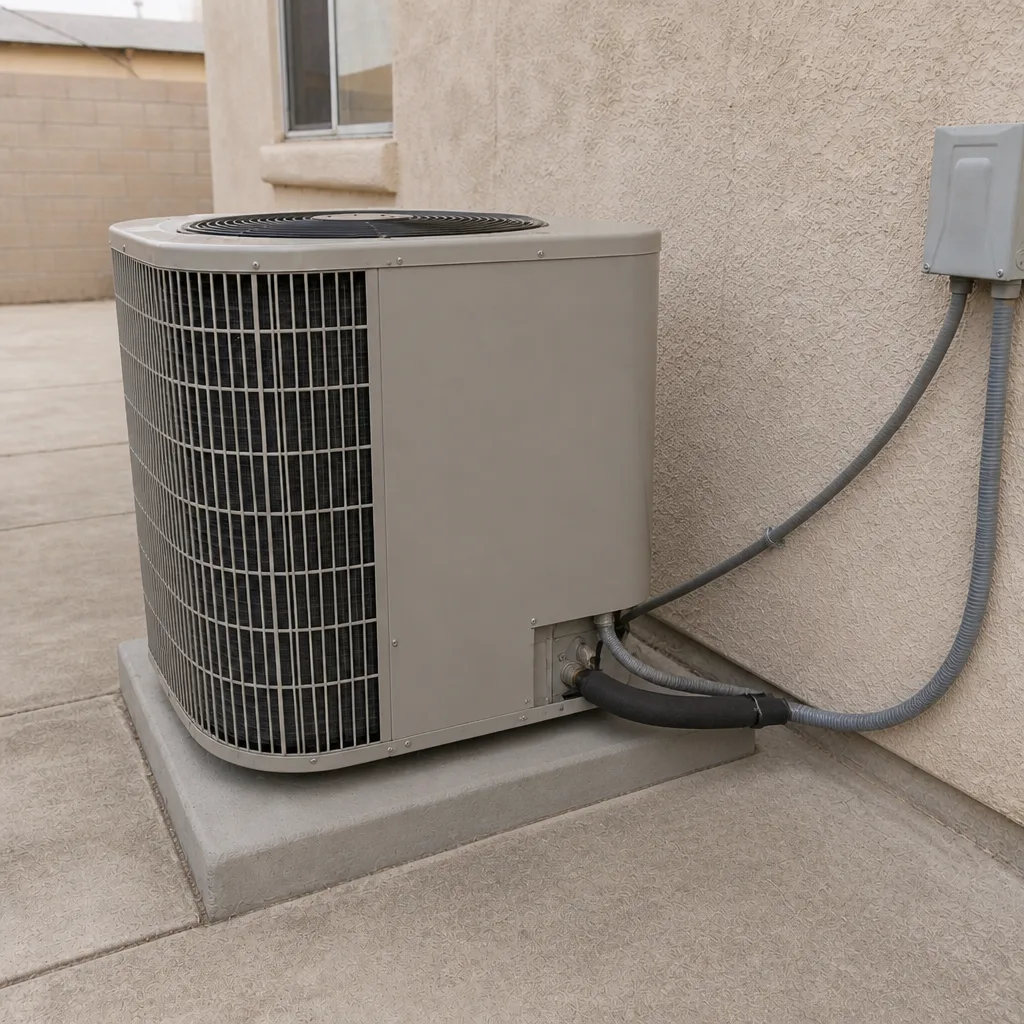
- Disconnect switch at the unit. On the rooftop or beside the condensing unit, there’s a disconnect box, usually a pull-out handle or a small lever. Landscapers, painters, and roofers knock these open all the time without knowing what they did. Look at it before anything else. If it’s out, push it back in and see if the unit comes on.
- Condensate overflow float switch. Inside the air handler or near the drain pan, there’s a float switch designed to shut the unit down when the drain clogs and water backs up. In North Las Vegas, where summer humidity stays low but monsoon season in late summer spikes it, we see these trip on commercial units regularly, especially on older Rheem and York equipment with sloped drain pans that collect dust. If the pan is full, the float is doing its job. The unit is fine. The drain is the problem.
- Filter status. Pull a filter and hold it up to the light. If you can’t see through it, it’s the problem. A filter packed solid will drag airflow down, freeze a coil, and trip a low-pressure cutout, all while looking like a “refrigerant” problem to the person paying the bill.
- Thermostat wiring colors at the stat. Pop the thermostat faceplate off. Look at the wire terminals. You’re looking for a wire pulled loose from its terminal or a wire that’s brittle and cracking on equipment older than about fifteen years. Don’t re-land wires unless you know what they do, but knowing a wire is dangling tells the person on the phone exactly what to expect when they arrive.
If all five of those check out clean and the unit still won’t run, you’ve done your part. Now it’s a technician’s problem, and you’ll know how to describe it clearly. For residential-sized systems doing the same thing, our AC repair and installation in North Las Vegas page covers the same checks from a homeowner’s angle.
How to Tell Refrigerant Problems from Airflow Problems
Here’s the single most useful thing a building manager can learn: you don’t need a gauge to tell the difference between a refrigerant issue and an airflow issue. You need your hand and a couple of minutes at the registers.
Put your hand in front of a supply register. Feel the air. Then walk to a return grille and feel the air coming back. The behavior of the air tells you which kind of problem you’re chasing:
- Weak airflow out of supply registers, strong return, unit running but not cooling well: that’s almost always an airflow problem. Ductwork restrictions, a packed filter, a blower wheel caked with dust, or a closed damper. The refrigerant circuit is probably fine.
- Strong airflow but the air is warm or only slightly cool: that’s a refrigerant problem or a compressor issue. The system is moving plenty of air but the air isn’t being conditioned. That points to low charge, a failing compressor, or a reversing valve problem on a heat pump.
- No airflow at all, unit running: blower motor, blower belt on older belt-drive air handlers, or a control board issue. Not refrigerant.
- Weak airflow everywhere, both supply and return, and the unit is short-cycling: that can be either one. Filter and coil check first, then it’s a tech call.
We see this distinction get missed on commercial jobs in North Las Vegas constantly. A property manager feels weak air, assumes low refrigerant, calls around, and ends up paying for a refrigerant top-off on a system that was only ever struggling for airflow. In our experience that’s one of the most expensive wrong turns on the commercial side because the charge was never the problem, the airflow restriction is still there, and the system goes down again within a month. If it’s a residential system and you’re in the same boat, the diagnostic approach on our Ray’s Heating & Air North Las Vegas home page walks through the same logic.
Why Tripped High-Pressure Cutouts Are Almost Always a Dirty Coil
Commercial equipment has high-pressure safety cutouts. When head pressure climbs too high, the unit shuts down to protect the compressor. When that happens, a lot of people jump straight to “it’s overcharged with refrigerant” and want someone to come pull charge out. In North Las Vegas, that’s almost always the wrong diagnosis.
Here’s why. A dirty condenser coil on a rooftop unit in North Las Vegas in July is not a rare malfunction. It’s a near-certainty if the coil hasn’t been cleaned recently. Temperatures here routinely push past 110°F, and the rooftop is the hottest surface on the whole property. The condenser coil has to reject heat into already-hot air. Add a layer of cottonwood fluff, dust from the desert, pollen, or the industrial dust that blows around the north end of the valley, and the condenser can’t reject heat efficiently. Head pressure climbs. The high-pressure switch trips. The unit shuts off, cools down, resets itself, and runs again until the pressure climbs back up. That on-and-off pattern is the signature of a dirty coil, and it can look like a failing compressor to somebody who isn’t watching the cycle.
What that means for urgency: a dirty coil is a maintenance problem, not a refrigerant problem. It doesn’t require an emergency refrigerant recovery or recharge. It requires a proper coil cleaning. Now on the other hand, if the unit trips on high pressure after a coil cleaning, on a cool morning, or immediately after a technician’s been out, that’s a different story and it needs a real diagnostic. But nine times out of ten the answer is on the coil surface, visible from a ladder.
The same logic applies to heat pump systems in the cooler months. A heat pump running in heating mode is essentially an AC running backwards, and the coil it’s rejecting heat from is the outdoor coil. Same dust, same problem. Our heat pump and mini-split work in North Las Vegas page goes deeper on how these systems behave through our particular swing seasons.
The Mis-Diagnoses That Cost Commercial Owners Money
This section exists because we’ve walked up to plenty of RTUs that already had a brand-new part on them and the same problem they started with. Here are the two we see most, and why they happen.
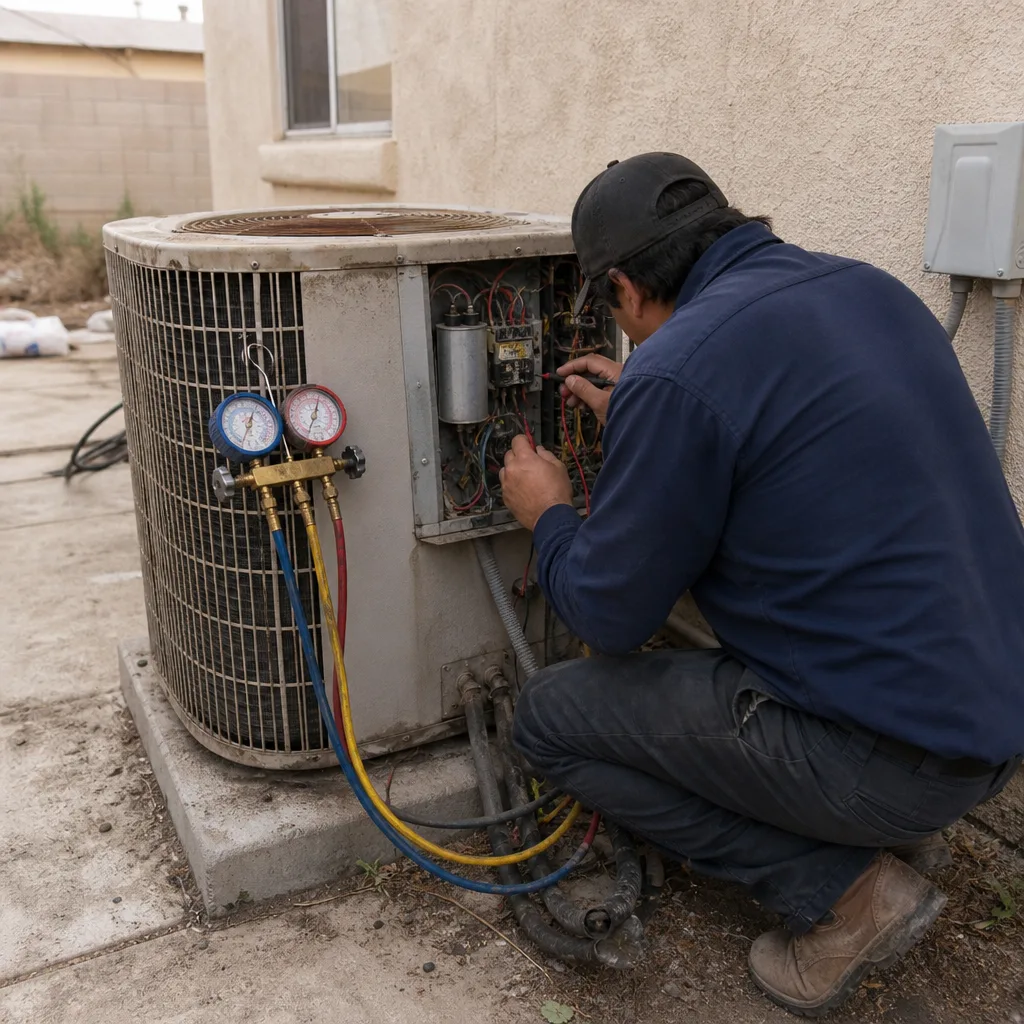
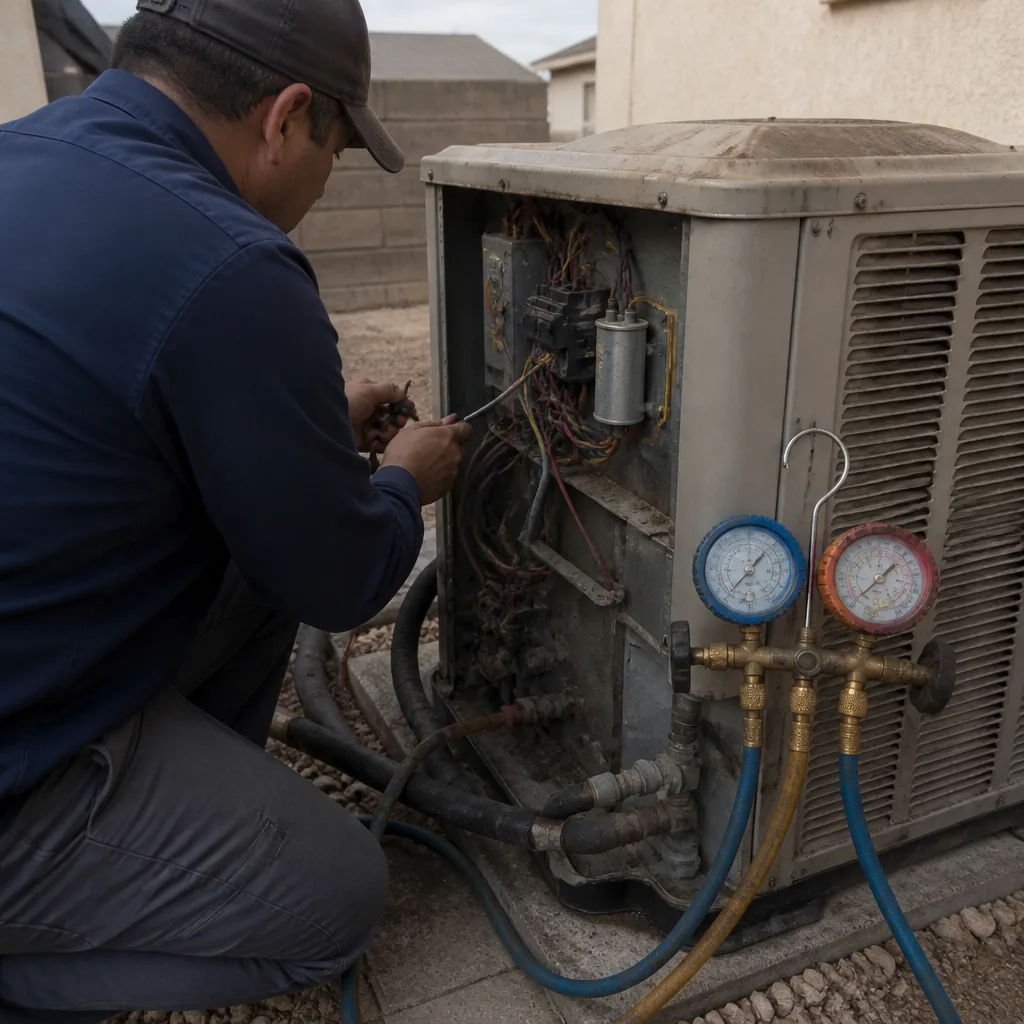
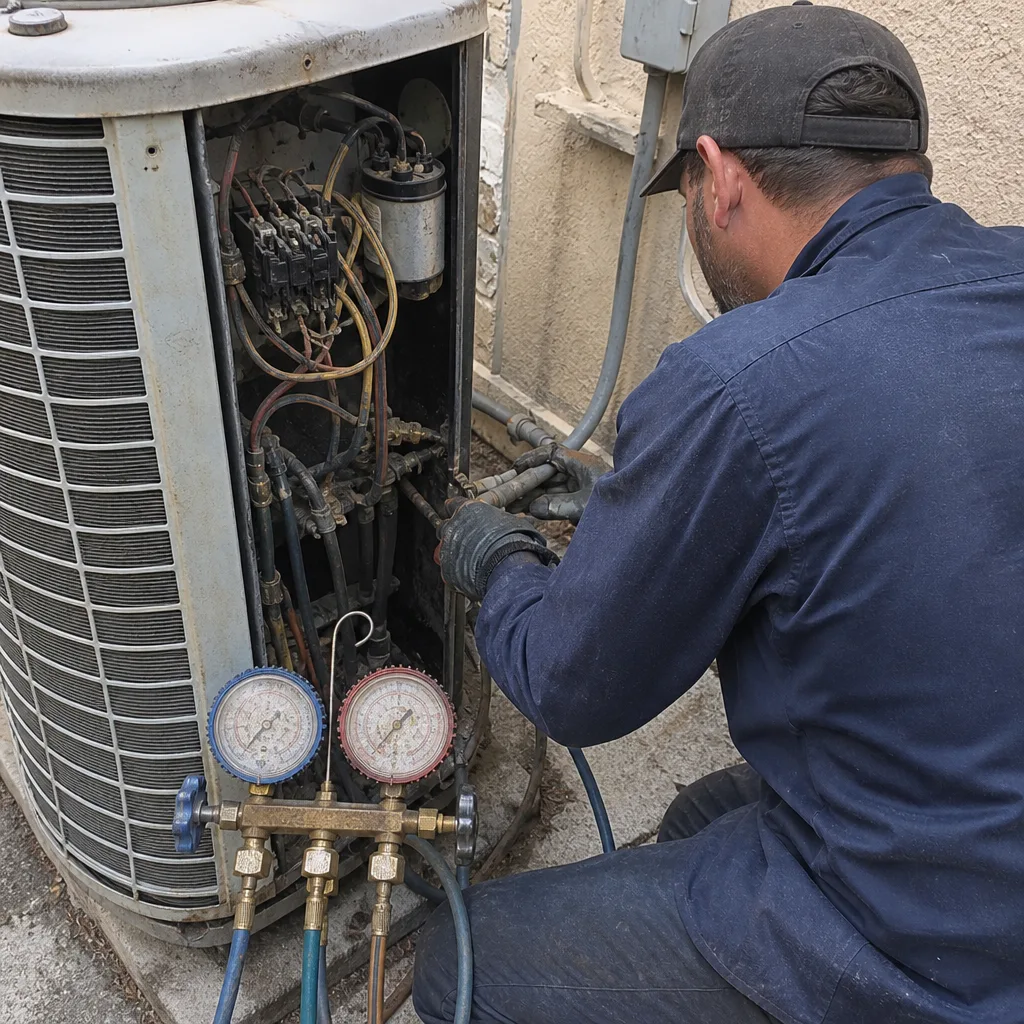
Replacing capacitors when the real problem is a failing contactor. A contactor is the relay that pulls in to send power to the compressor and fan. Over years of cycling, the contact points pit and burn. When the contactor fails, the symptom looks almost exactly like a failed capacitor: the compressor won’t start, the fan might not run, the unit hums but doesn’t fire. Somebody swaps the capacitor, the unit runs for a day or two, and then it dies again. The capacitor was probably fine. The contactor was the burden. Reading the contactor’s contact condition and testing the coil takes five minutes. We test the capacitor before we ever say the word “compressor,” because in our experience a compressor is the last thing to suspect and the most expensive thing to guess at.
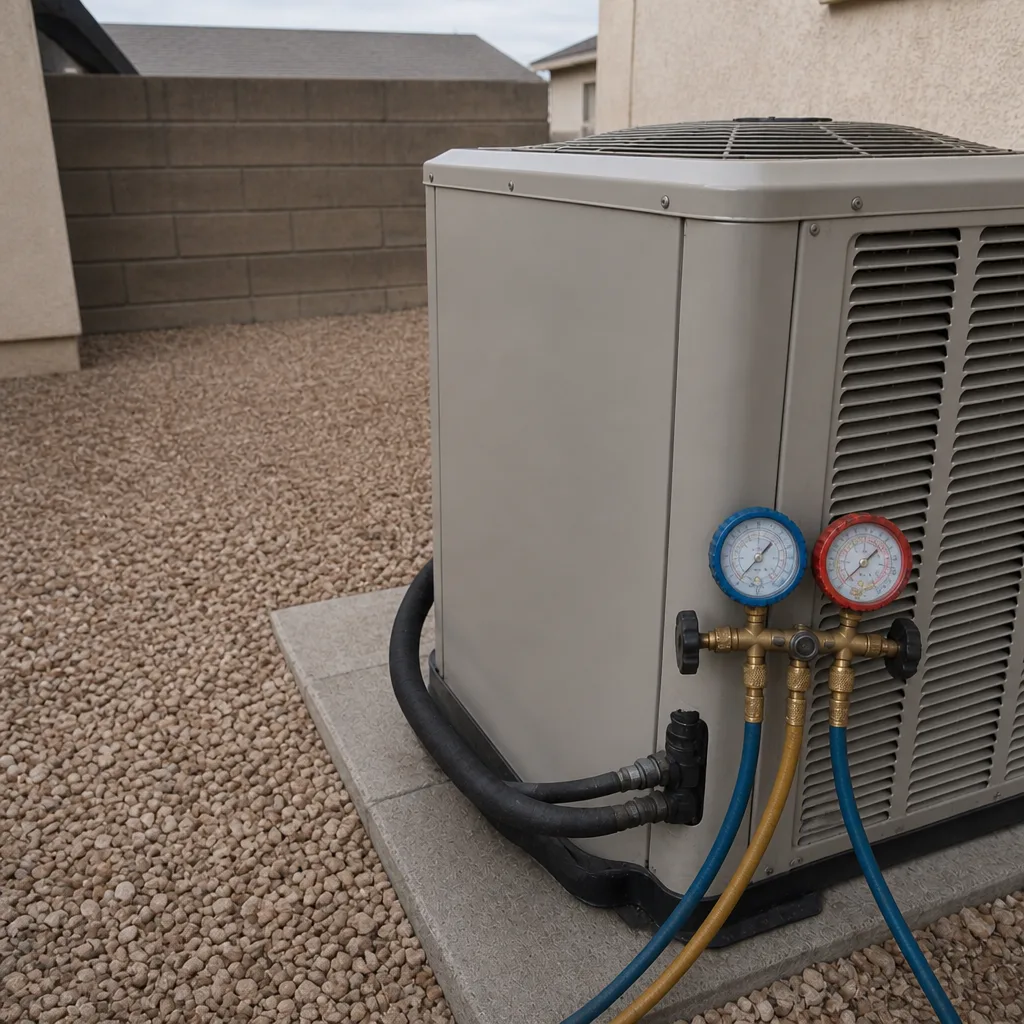
Charging refrigerant when the coil is just packed with dust. We just covered why this happens on high-pressure trips. But it also happens on low-pressure trips and “not cooling” calls. A technician adds refrigerant to a system that isn’t short on refrigerant. Now the system is overcharged, the pressures are wrong, and the actual problem is still there. Months later the compressor is the casualty. On commercial equipment, refrigerant is not something to top off as a first move. It gets measured, verified, and charged by weight if it actually needs it.
Both of these cost real money. A contactor is cheap. A capacitor is cheap. A compressor is not. A commercial refrigerant recovery and recharge is not. When you’re hiring, ask whether the person is going to check the contactor and the coil condition before recommending anything, and get that in writing on the estimate. Our heating and furnace service in North Las Vegas page applies the same “readings first, parts second” order of operations to the heating side of the house.
What to Tell the Dispatcher to Get Help Faster
This is where building managers earn their keep. The difference between a technician arriving with the right part on the first trip and a technician arriving, diagnosing, leaving for a part, and coming back tomorrow is almost always the information given at dispatch. Here is exactly what to have ready before you call.
- The exact equipment model and serial number. It’s on the unit’s data plate, usually on the outside panel of the RTU or the air handler. Take a photo with your phone and have it ready. The serial number often tells a good technician the age and build date of the equipment.
- The equipment’s approximate age. If you don’t have the data plate, tell the dispatcher when it was installed or how long you’ve had the building. Age matters because it changes the parts availability and changes whether repair or replace is even worth discussing.
- The exact symptom sequence. Not “it’s not working.” Something like: “The unit ran fine overnight, tripped the breaker around 6:15 this morning, we reset it once, it ran for twenty minutes, and it tripped again.” That sequence tells the technician what to bring and what to check first, and saves a whole discovery trip.
- What you’ve already checked. Say “I checked the breaker, the disconnect, the float switch, and the filter” if you ran the five-minute inspection. That lets the technician skip the obvious and get straight to the diagnosis.
- The building type and how many units are affected. One unit down in a warehouse is different from six units down in a restaurant with a serving line running. That context changes the urgency.
- Any recent changes. New landscaping, a recent roof job, painters, an electrical outage, a recent filter change. Anything that touched the building in the last two weeks is a suspect.
With that information, a good technician walks in with a plan and the right tools. Without it, everyone guesses. Also, before you accept any written estimate on a commercial repair, know that we stand behind a Free Second Opinion on any written estimate. That’s not a sales pitch, it’s just that we’ve seen more commercial owners get talked into a compressor than any of them deserved, and a second set of eyes costs nothing.
Sorting Real Emergencies from “Wait Until Monday”
Not everything is a two-in-the-morning call. Here’s how we triage from the phone, and it’s worth knowing before you’re the one making the decision.
- Call now: any commercial kitchen without cooling during service hours, any business with a cold-chain product, any occupied building where the indoor temperature has climbed past 85°F in summer, any building with vulnerable occupants (senior housing, medical, childcare), and any unit that’s tripped a breaker more than once. Those are the calls.
- Call today: a unit that’s running but not cooling as well as it should, a unit that’s short-cycling, or a unit down in a building with a working backup. These get handled the same day if at all possible.
- Wait for business hours: a single non-critical unit down in a building with adequate backup cooling, or a unit that’s just underperforming and not failing. We still want to see it soon, but there’s no reason to pay emergency rates on it.
The one that catches people off guard: a unit that trips a breaker once and then runs fine for days is not fixed. It’s finding its next failure. We’d rather have you call it in on a Tuesday afternoon than get the call at 5 p.m. on the Friday before a holiday weekend.
Why North Las Vegas Heat Is Hard on Commercial Equipment
Commercial HVAC in North Las Vegas runs in conditions most equipment is only rated for at the edge. Rooftop units here sit in direct sun through weeks of 110°F-plus afternoons, and the rooftop surface itself can run much hotter than ambient. That heat load pushes compressors and condenser fans harder than they’d work in a milder climate, which shortens part life on capacitors, contactors, and fan motors faster than the manufacturer’s stated service interval suggests.
Then there’s the dust. The north end of the valley, near the Speedway and out toward the industrial corridor, has airborne dust and construction debris that find their way into every coil and filter. Cottonwood in the spring, monsoon dust in the late summer. Coil cleanings that might stretch a year in a wetter climate need to happen more often here. And the swing between hot dry summer and the cooler nights we get from November through February is exactly the range where heat pumps earn their keep, which is why we see so many of them on commercial properties around Aliante and the newer commercial builds near Craig Road. If you’re in a commercial building and your equipment is Rheem, York, Daikin, Bryant, or one of the other major brands, all of that heat and dust affects them roughly the same way.
The point isn’t that North Las Vegas equipment is fragile. It’s that a preventive maintenance visit here looks different than it would in a milder climate. It should include a real coil cleaning, contactor inspection, capacitor testing, and a filter change on a schedule matched to the building, not to a generic once-a-year calendar. Skip that and the five-minute inspection we opened with will one day be the thing that saves you from a Friday-at-5 p.m. call.
Common Mistakes to Avoid
- Resetting a tripped breaker more than once. A breaker that trips once and stays reset might just be a fluke. A breaker that trips again is telling you something. Reset it once, and if it trips again, stop and call.
- Assuming low refrigerant before checking airflow. In our experience, more “not cooling” complaints on North Las Vegas commercial units are airflow problems than refrigerant problems. Check the filter and the coil before anyone touches a gauge.
- Letting a technician add refrigerant without a stated reason. “It probably needs a little Freon” is not a diagnostic. Refrigerant is measured, not topped off by feel. If someone says the word “charge” without giving you a number from a gauge, ask why.
- Skipping the filter change because the unit “seems fine.” A filter that’s packed and starting to restrict airflow won’t announce itself. It just slowly drags the system down and eventually freezes a coil. Change on a schedule, not on a complaint.
- Ignoring the condensate drain. During monsoon season in North Las Vegas, a clogged drain line will shut down a commercial unit right when you need it most. Flush the lines and check the drain pan on a schedule, not after the float trips.
- Not keeping the data plate photo on your phone. The single most useful thing you can have when you call for service is a photo of the model and serial number. Not having it costs time on every call.
- Accepting a quote without reading the diagnostic notes. If the estimate says “replace compressor” and the notes don’t show pressure readings, amp draw, and a capacitor test, ask for them. A written estimate should show you the numbers behind the recommendation.
See the difference
 Before
 After
 Before
 After
 Before
 After
When to Call a Professional
Call a professional immediately if any of these apply: a unit has tripped a breaker twice, you smell burning at the disconnect or panel, a compressor is humming but not starting, a commercial kitchen or a building with vulnerable occupants has lost cooling during summer, or you’ve run the five-minute inspection and everything checked out clean but the unit still won’t run. Don’t open a panel and put your hands inside a commercial unit’s electrical section. The line voltage inside a commercial RTU is genuinely dangerous and the capacitors hold a charge after power is off. That’s a trained-technician job, not a building-manager job.
For anything else, a phone call is fast and costs nothing. Ray’s Heating & Air North Las Vegas offers free estimates in North Las Vegas, and a live person answers the phone around the clock, so you won’t be sitting in a voicemail maze at 2 a.m. Call (844) 761-6871 and we’ll talk through what you’re seeing before anything gets scheduled. If you already have a written estimate from someone else, we’ll take a look at it at no charge.
Frequently Asked Questions
Check the disconnect switch at the unit itself, then the breaker at the panel. A landscaper, roofer, or painter knocks the disconnect open more often than the actual equipment fails. If both of those are fine, check the condensate float switch and the filter before calling.
Feel the air coming out of supply registers. Strong airflow that’s barely cool or warm points to a refrigerant problem. Weak airflow that’s cool points to an airflow problem. Warm air with weak flow can be either. You can’t confirm a charge issue without gauges, but you can narrow the diagnosis down for whoever comes out.
That’s the signature of a dirty condenser coil. In North Las Vegas, the coil has to reject heat into already-hot afternoon air. Add dust or cottonwood fluff and pressure climbs until the safety switch trips. The unit cools down, resets, and trips again the next afternoon. It almost never means the system is overcharged.
Both are common, and the symptoms look nearly identical, which is why so many capacitors get replaced when the contactor was the real problem. A technician should test the capacitor and inspect the contactor’s contact points before recommending either. In our experience, the contactor is the one that gets missed.
If the building has occupants, it’s urgent. Indoor temperatures in an uncooled commercial space can climb past 90°F quickly in a North Las Vegas July, and that’s a health concern, not just a comfort complaint. If the space is unoccupied or has backup cooling, it can usually be scheduled rather than handled as an emergency.
A photo of the data plate on the unit (model and serial number), the approximate age of the equipment, the exact symptom sequence including when it started and what you’ve checked, and the number of units affected. That information usually means the technician arrives with the right parts on the first visit.
The Bottom Line
Most commercial HVAC “emergencies” come down to five things a building manager can check in five minutes: breaker, disconnect, float switch, filter, thermostat wiring. Airflow problems and refrigerant problems feel similar but feel different at the register, and knowing which one you have saves money on the wrong repair. Tripped high-pressure cutouts on North Las Vegas commercial equipment usually mean a dirty condenser coil, not an overcharge. And the two diagnoses that cost commercial owners the most are capacitors swapped for failing contactors, and refrigerant added over a dust-packed coil. Run the checks, keep a data plate photo, describe the symptom sequence clearly, and call when things go past what you can safely touch. We’re here around the clock, and the number rings a live person.
Written by the team at Ray’s Heating & Air North Las Vegas.