
Last updated November 17, 2026
 Heat pumps
 AC repair
 Furnace & heating
 Ductless mini splits
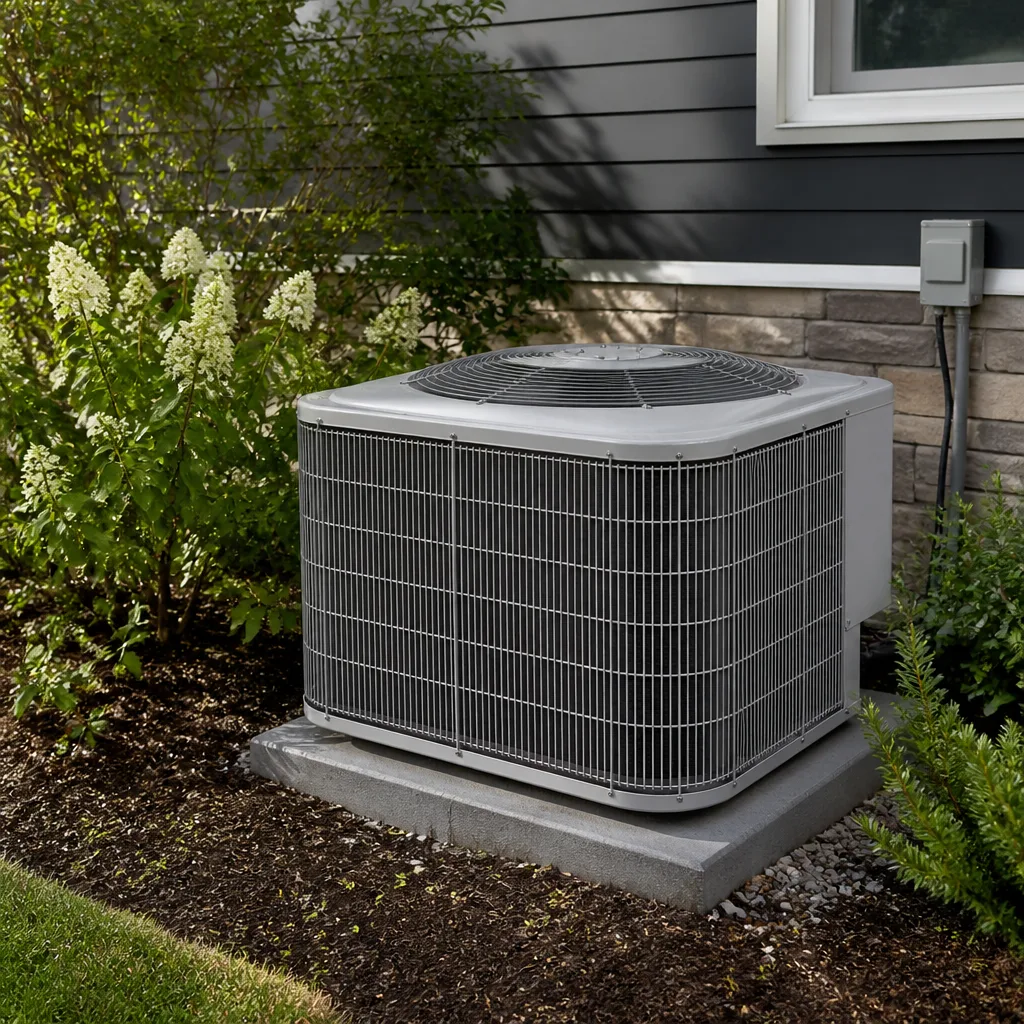 Carrier
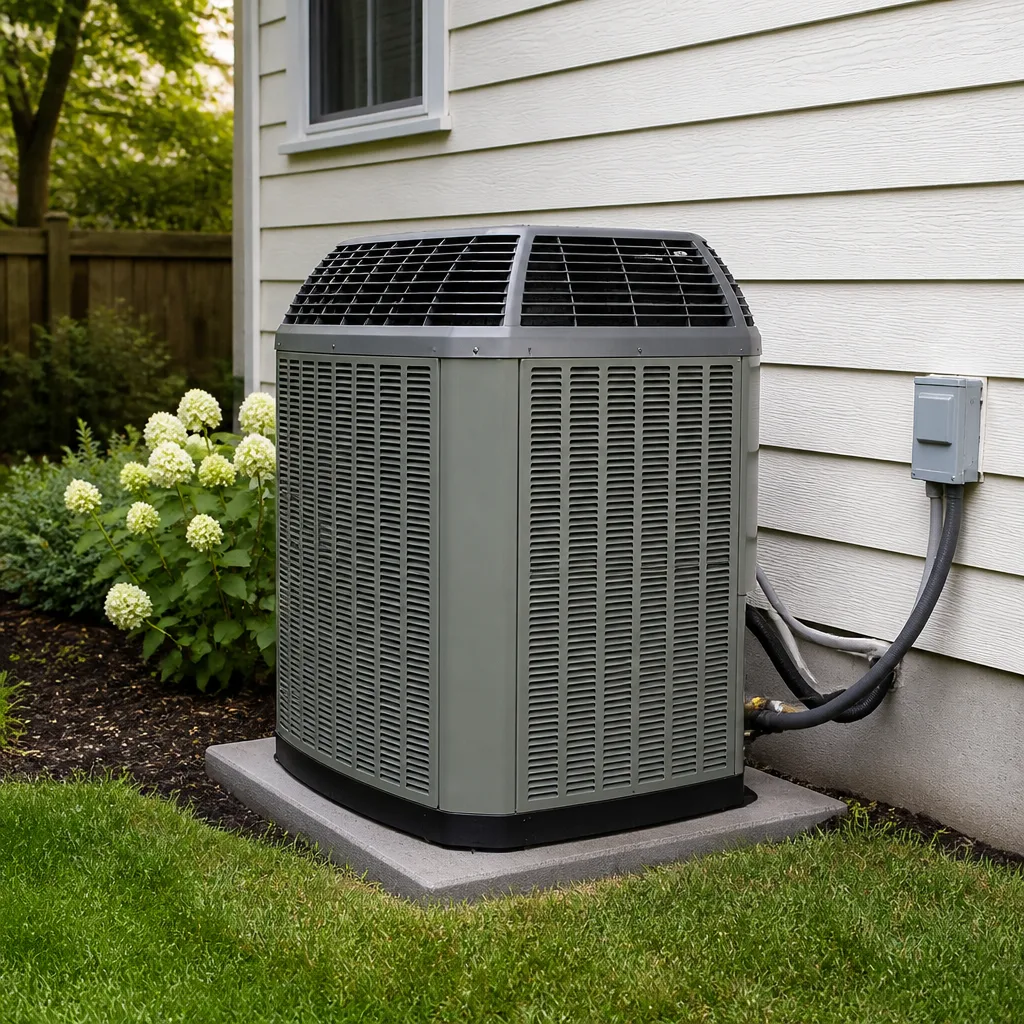 Trane
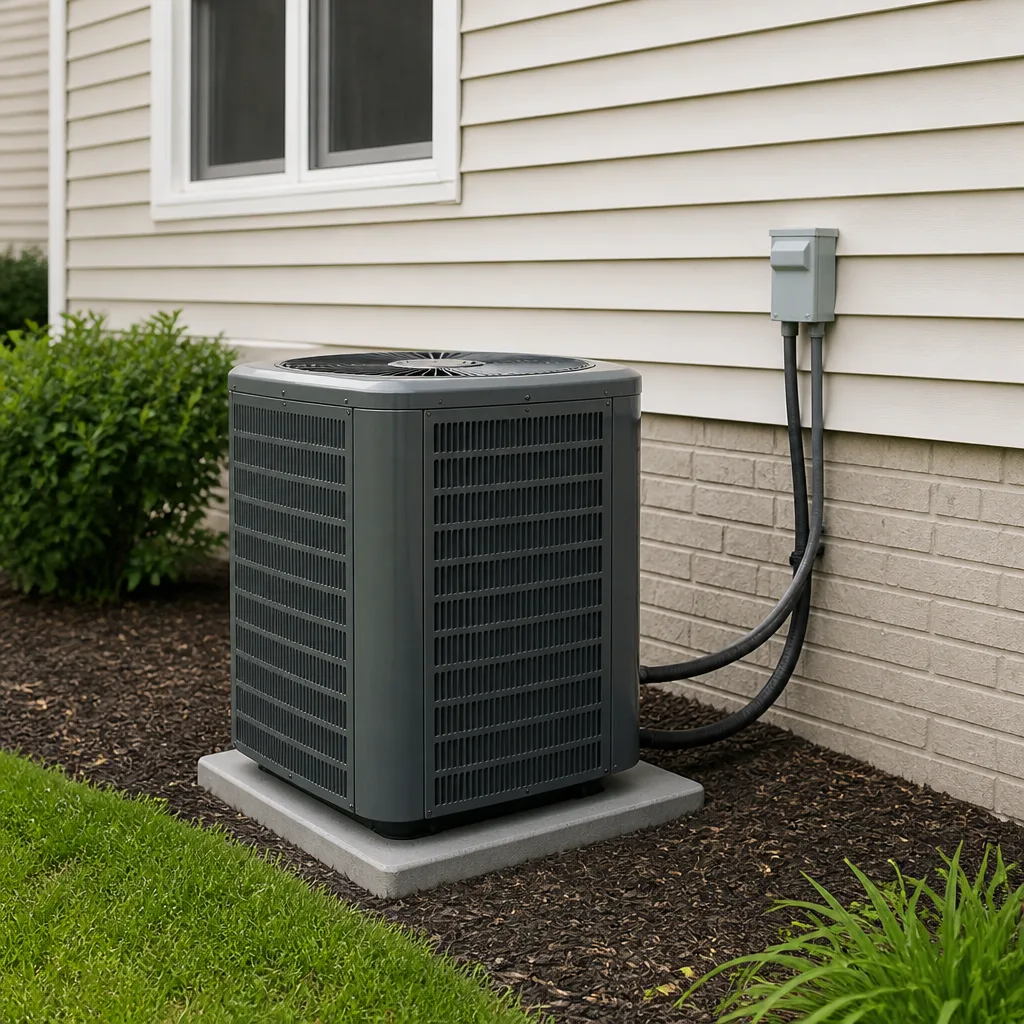 Goodman
Seasonal tune-up and full diagnostic on your Carrier, Trane, or Goodman system - readings shown to you before any repair is proposed
Diagnosis first, numbers second - you approve the repair price before a single part goes in.
Get your free estimateDIY vs Professional Heat Pump & Mini Split: What’s Safe to Do Yourself
There’s a whole genre of “I installed my own mini-split and saved $1,500” videos online. There’s a much smaller genre of “and then three years later the compressor failed and the manufacturer denied my warranty because it was an unlicensed install.” You don’t see those videos much, because they don’t get clicks. This guide is the honest version: it separates the parts of a mini-split or heat pump project a North Las Vegas homeowner can genuinely do safely and legally from the parts that will cost you your warranty, your insurance claim, or a fine. What follows isn’t meant to talk you out of DIY work. Some of it is worth doing. We want you doing the right parts.
Quick Answer
Yes, you can safely DIY a lot of the surrounding work: mounting brackets, running line-set covers, patching drywall, cleaning filters, programming the remote, and doing prep before a tech arrives. What you can’t legally do yourself in Nevada is handle refrigerant or commission the system, because that requires an EPA 608 certification, and the installation itself needs a licensed HVAC contractor and a permit. Those two lines are where the savings on a DIY install disappear.
Styles & brands we work with
- AC repair
- Furnace & heating
- Heat pumps
- Ductless mini splits
- Carrier
- Trane
- Goodman
Key Takeaways
- Refrigerant work is federal-regulated. You need EPA 608 certification to legally buy, handle, or charge the refrigerant in your own mini-split. Most homeowners don’t have it.
- Nevada requires HVAC installation to be done by a licensed contractor with a permit. An unpermitted install can complicate a home sale inspection and can void a homeowner’s insurance claim after a fire.
- Nearly every manufacturer’s warranty requires professional installation by a licensed contractor. Botch the install and you can void coverage on a $3,000+ unit.
- The genuinely safe DIY list is real: wall brackets, line-set covers, filter cleaning, remote programming, and prep work before the tech arrives.
- In North Las Vegas, the work Ray’s Heating & Air North Las Vegas sees go sideways most is line-set flares and electrical connections, not the mounting.
See the difference
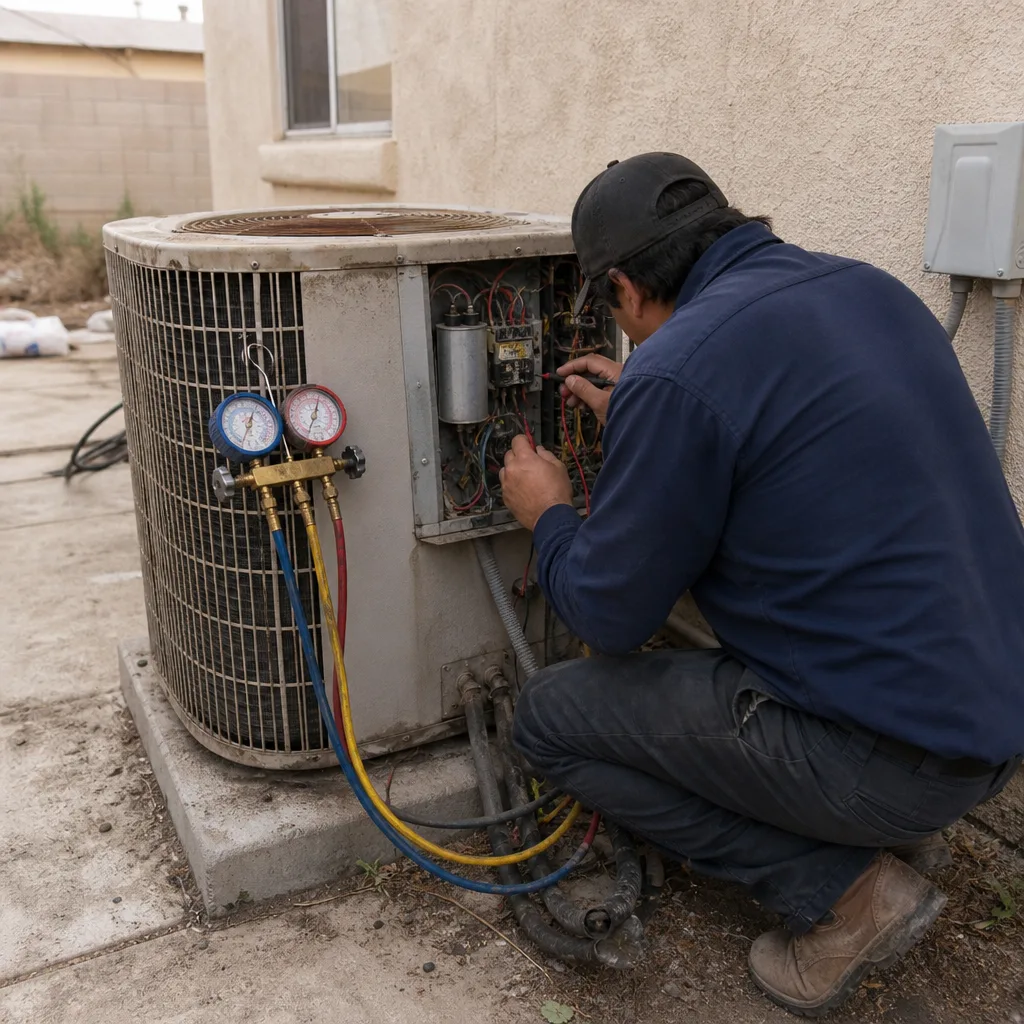 Before
 After
 Before
 After
 Before
 After
Table of Contents
- What’s Actually Safe to Do Yourself
- The EPA 608 Rule and Refrigerant
- Nevada Licensing, Permits, and Your Insurance
- Does DIY Actually Save Money?
- Where Homeowner Involvement Really Pays
- North Las Vegas Context: Heat, Dust, and Old Panels
- Common Mistakes to Avoid
- When to Call a Professional
What’s Actually Safe to Do Yourself
Here’s the part most articles bury. There’s a real list of tasks a careful homeowner can do on a mini-split or heat pump project, safely and legally, without a license. These are the tasks that require no refrigerant contact, no gas work, and no electrical tie-in to the panel. What you can handle:
- Mounting the indoor wall bracket. Finding studs, leveling, and drilling the bracket to the wall is carpentry, not HVAC.
- Installing line-set covers. Cosmetic and protective. Helps keep the copper from getting sun-beaten or dog-chewed.
- Cutting and patching drywall. Where the line set passes through the wall. The hole, the sealing, the patch afterward.
- Cleaning and replacing intake filters. Every 4 to 8 weeks in a dusty climate.
- Programming the remote or wall thermostat. Schedules, modes, fan speeds.
- Basic electrical prep. Running conduit from the panel to a junction box, pulling the wire, mounting the disconnect. The panel hookup itself should be done by a licensed electrician or HVAC pro. We’ll explain why in a minute.
What’s left on the table after this list, though, is the whole reason you’re installing a mini-split in the first place: the refrigerant side. That’s where the law, the warranty, and the risk live. In our experience across North Las Vegas, the homeowners who take the DIY-safe list seriously and hand off the rest end up with the best outcome: less labor cost, no permit problems, and a working system that stays under warranty. The DIY list isn’t a compromise. It’s just the honest boundary.
The EPA 608 Rule and Refrigerant
Refrigerant handling is not a suggestion. Section 608 of the Clean Air Act makes it illegal to handle refrigerant without EPA certification, which means it’s illegal to buy a cylinder of R-410A or R-32 as an uncertified person, illegal to braze lines and evacuate, and illegal to charge a system. What that looks like in practice:
- The refrigerant itself is not sold to the general public. Distributors won’t hand a cylinder to a homeowner without a 608 card. The units themselves ship pre-charged, so this isn’t obvious upfront.
- An unlicensed install means the line set never gets properly brazed or flared, never gets evacuated with a vacuum pump, and never gets the pressure hold test. That’s how systems lose refrigerant in the first year.
- EPA fines for illegal refrigerant handling run per occurrence. In our experience the fine threat isn’t the practical concern. The practical concern is that nobody will warranty a system that was never installed legally.
- When a system fails at year three, an unpermitted, uncertified install makes it very easy for the manufacturer to deny coverage.
Mini-splits that ship as pre-charged, quick-connect DIY kits do exist, and some homeowners install those without touching a gauge set. That’s the one narrow exception, and it comes with real tradeoffs: shorter line-set lengths, less flexibility on placement, and warranties often engineered around the kit format. If a quick-connect kit is what makes the project doable for you, use one. Just don’t confuse the quick-connect exception with touching refrigerant on a standard unit.
For the full picture on how a proper heat pump or mini-split install is done in this town, see Heat Pump & Mini Split in North Las Vegas.
Nevada Licensing, Permits, and Your Insurance
Nevada requires HVAC installation work to be done by a licensed contractor with a permit. That’s not just a North Las Vegas rule, it’s the state board’s requirement, and it exists because HVAC work involves refrigerant, gas, electrical, and structural attachment. Skipping it isn’t just a technicality. Here’s what happens when you skip it:
- Home sale inspection. An unpermitted mini-split can surface during a buyer’s inspection with no record of permit. Buyers get nervous, priorities shift, and a deal can stall over a $5,000 fix to a $3,000 unit.
- Insurance claim after a fire. If a claim investigator finds electrical or equipment work that wasn’t permitted or licensed, an insurer can question or deny the claim. That risk is in the fine print of every homeowner’s policy.
- Manufacturer warranty. Nearly every major brand, including Carrier, Trane, and Lennox, requires a licensed installation for full warranty coverage. Read the registration paperwork on any unit before deciding.
- Resale disclosure. In Nevada, you’re generally required to disclose known unpermitted work. That’s a card you don’t want to hand to a buyer at negotiation time.
If the electric panel itself needs to be opened or upgraded to feed a heat pump, this becomes an electrician’s job, not a homeowner’s. Panels are genuinely dangerous, and it’s not a place to learn. We’ve walked onto more North Las Vegas properties than we can count where a homeowner was mid-project on the panel when they realized they were out of their depth. It’s a call that should be made before the panel cover comes off, not after.
Does DIY Actually Save Money?
The honest version of the DIY savings math usually closes the gap to zero faster than the YouTube videos admit. Here’s what we mean, using round numbers from a standard mini-split install in North Las Vegas:
- Equipment markup disappears, but the cost of buying a unit as an individual can be higher than a contractor’s cost. You lose the wholesale price and the volume discount on install accessories.
- Permit fees. Small line item, generally a few hundred dollars. It doesn’t disappear when you skip the permit. That cost sits in the future as a permit-vestigial issue at resale.
- Line-set flares and brazing. Doing this without the right tools and experience is where the DIY savings die. A bad flare leaks slowly, refrigerant runs low, the compressor works harder, and eventually fails. A replacement compressor or a full refrigerant recharge can cost $800 to $1,500 or more. That eats the savings.
- Vacuum pump and gauge set. $150 to $400 if you buy them. Rental options are limited in the North Las Vegas area, and the tools themselves don’t get used twice.
- Electrical disconnect and wiring. Contractor cost here is modest but you can’t legally do the panel work yourself, so you’re either calling an electrician anyway or running unpermitted electrical.
- Warranty loss. A $3,000 unit that fails at year four with no warranty is $3,000 more expensive than the version with the warranty.
The honest read: for a homeowner willing to do the safe list and hand off the rest, the savings are real and the risk is low. For a homeowner who attempts the full install, the savings only look real until the first leak, the first claim denial, or the first buyer’s inspector. For a deeper understanding of how a professional install works, our North Las Vegas HVAC home page covers the services side, and the AC Repair & Installation page has the repair corollary.
Where Homeowner Involvement Really Pays
Homeowners who want to be part of the project (rather than the whole project) save real money and end up with a better install. In our experience on jobs across North Las Vegas, the households that get the best value out of a mini-split install are the ones who do the following:
- Prep before the tech arrives. Clear the wall. Move furniture. Decide on the indoor head placement and the outdoor unit location with the layout in hand. Confirm the electrical panel has a spare breaker and the wire gauge planned. That’s 30-60 minutes of contractor time off the job.
- Handle drywall patching afterward. A clean patch job after a pro runs the line set is maybe a $400-$800 item at contractor rates. By doing it yourself, you save money without touching anything refrigerant or electrical.
- Keep the condensate drain clear between visits. Mini-splits drain condensation. That line clogs with dust and algae. A homeowner who walks it every few months catches it before it backs up into the wall.
- Clean filters on schedule. Every 4 to 8 weeks during cooling season in a dusty climate. That’s the single largest determinant of how long the unit lasts.
- Window-screen and outdoor-unit area maintenance. Clear weeds, debris, and dirt from the outdoor unit. Keep the coil clean, and the system breathes.
Doing prep, patching, and ongoing filter care is the version of homeowner involvement that saves money without the risk. We see a lot of homeowners doing exactly this in North Las Vegas, and it’s a good use of time. It also shortens the day for the tech and gives you more time to ask questions before the install starts.
North Las Vegas Context: Heat, Dust, and Old Panels
There’s a North Las Vegas reality that general DIY content misses. Summer highs regularly run above 110 degrees for stretches, and the load on a mini-split or heat pump is not the load on the same unit in a milder climate. Improper installation here shows on the compressor far faster than it would in a cooler market. Combine that with the dust that comes off the desert edges and the older housing stock in parts of North Las Vegas, and a botched install that might survive a few years somewhere else might not survive two summers here.
Ray’s Heating & Air North Las Vegas has been locally owned and owner-operated since 2002, and we’ve watched a lot of installs go sideways. What we see most in this town is not the mounting or the line-set cover. It’s the electrical side and the refrigerant side. Panels in older North Las Vegas neighborhoods are often tapped out, and the mini-split adds a new load that needs a proper circuit and disconnect. That’s the work that gets skipped. That’s also the work that keeps you up at night if you’re the one who wired it.
If you’re planning on heat pump work alongside a mini-split, our Heating & Furnace in North Las Vegas page covers the heating side of the same conversation. Both systems share the same electrical assumptions, the same permit requirements, and the same reasons to have the install done by a licensed contractor.
Common Mistakes to Avoid
- Assuming the pre-charge means you don’t need a pro. A pre-charged unit still requires proper line-set length, proper flaring, and vacuum evacuation to do the install legally. Skipping it means the unit runs at the wrong pressure from day one.
- Skipping the permit to save a few hundred dollars. That permit is the paper trail at resale and the proof of legal installation for the warranty. The North Las Vegas housing stock doesn’t need the extra complication at sale time.
- Running electrical from the panel without an electrician. Panels kill people. Even if your installation is otherwise perfect, a bad connection can be a fire. In our experience it’s the highest-risk item on the whole project.
- Skipping the vacuum hold test. Some quick-connect DIYers skip this step to save time. Without it, moisture stays in the line set and eats the compressor from the inside. That’s a warranty-denial trap.
- Mounting the indoor unit too high or too low. Air stratification matters. A wall unit mounted too high blows over the occupancy zone. This is one of those things where a ten-minute conversation with a tech saves an afternoon of rework.
- Forgetting about the condensate drain slope. Drain lines need a continuous fall to a safe discharge. Backwards sloped lines flood the wall cavity. In summer heat, that’s a mold problem in weeks.
- Installing without reading the manufacturer’s warranty terms. Every brand has different install requirements, and a homeowner who’s read the warranty fine print usually makes a better decision about whether to DIY or call a pro. Carrier, Trane, and Lennox all require licensed installation for the full warranty, and American Standard is no different.
When to Call a Professional
Call for anything involving refrigerant, electrical panel work, gas work, or the final commissioning. Those aren’t just areas where a pro does it faster. They’re areas where a pro does it legally, safely, and in a way that holds up to insurer and warranty scrutiny. In our experience, the homes where a job goes best in North Las Vegas are the ones where the homeowner decides early on what to hand off, and hands it off. If you’re remote-mounting, working with a tight panel, or dealing with a heat pump that needs load calculation, that’s all pro work. Ray’s Heating & Air North Las Vegas offers free estimates in North Las Vegas. Call (844) 761-6871 and we’ll walk through what you’re planning, honestly, even if most of it is work you’re doing yourself.
Frequently Asked Questions
You can legally mount the wall brackets, run line-set covers, patch drywall, and change filters yourself. You can’t legally handle refrigerant without EPA 608 certification, and Nevada requires the installation itself to be done by a licensed HVAC contractor with a permit. Quick-connect DIY kits exist, but they carry real limitations on warranty and flexibility.
An unpermitted install is a legal issue at resale, a risk to your insurance claim after a fire, and a likely warranty killer on the unit itself. In Nevada you’re generally required to disclose known unpermitted work at sale. Buyers’ inspectors flag it, and the negotiation usually costs more than the permit would have.
For most brands, yes. Carrier, Trane, Lennox, and American Standard all require professional installation by a licensed contractor for the full warranty. Some warranty registrations ask for the installer’s license number. Without that number, coverage on a $3,000 unit is in question from day one.
Professional install in the North Las Vegas area typically runs from $3,000 to $6,500 depending on the number of zones, line-set length, electrical work, and whether a permit is included. DIY looks cheaper until a bad flare, an unpermitted install, and a rejected warranty claim turn the savings into a net loss. Call (844) 761-6871 for a free estimate that’ll show you the numbers side by side.
Yes. Nevada requires HVAC installs to be done by a licensed contractor with a permit. The license is verifiable, the permit is the paper trail, and both are how the manufacturer, insurer, and buyer know the work is legitimate. Ray’s Heating & Air North Las Vegas publishes the license number so anyone can verify.
Wall bracket mounting, line-set cover installation, filter cleaning, remote programming, drywall patching afterward, and basic prep before the tech arrives. Some homeowners also pull wire in conduit, but the panel hookup should be done by a licensed electrician or HVAC pro. Anything on the refrigerant side is off the DIY list.
The Bottom Line
The right question isn’t “can I do this myself?” It’s “which parts can I do safely and legally, and which parts will cost me more than they save?” The honest answer in North Las Vegas is the same as it is anywhere else: mounting, patching, filter care, and prep are real savings. Refrigerant, electrical, and commissioning are not. Ray’s Heating & Air North Las Vegas answers the phone 24/7, and the person on the other end can walk you through where the line is on your specific project. Every job here still carries our 90-Day Done Right Promise: if it’s not done right, one call brings Ray back. Call (844) 761-6871 for a free estimate.
Written by the team at Ray’s Heating & Air North Las Vegas.