
Last updated November 17, 2026
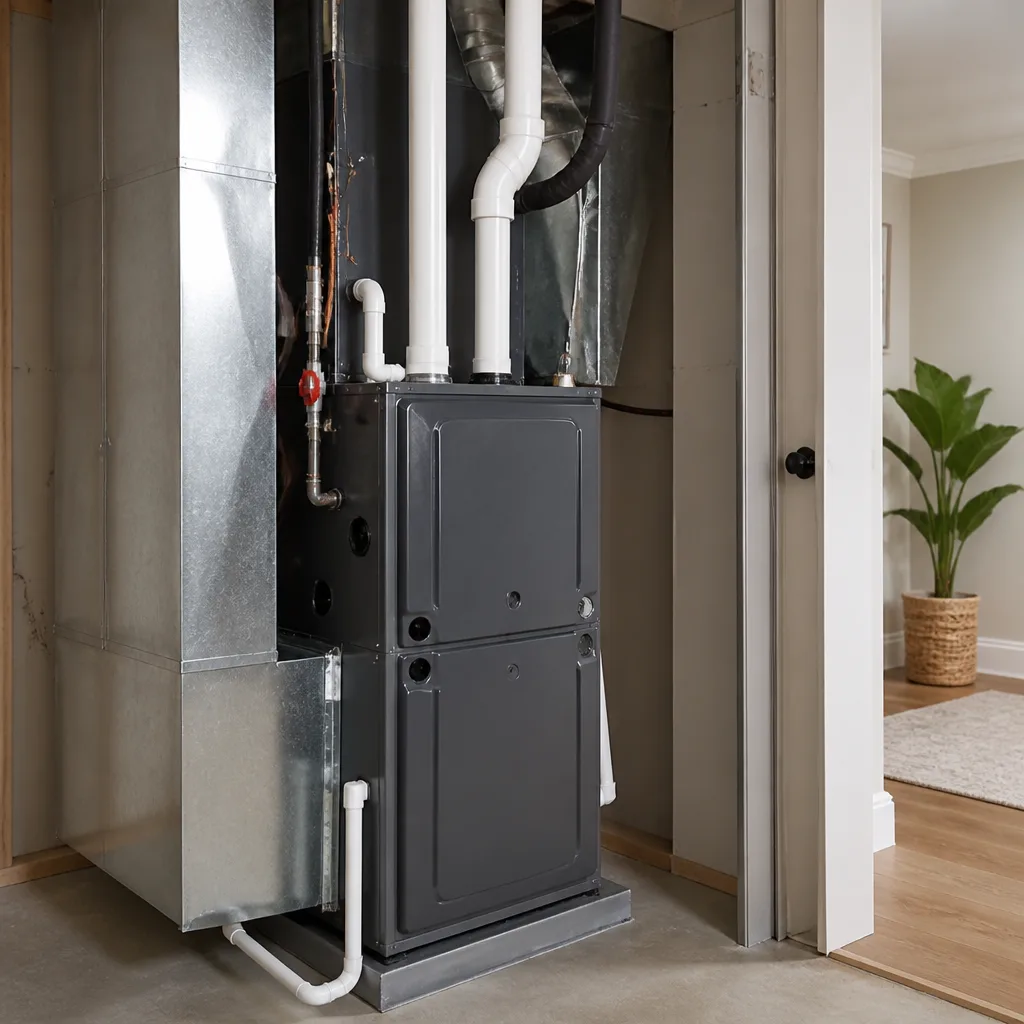 Furnace & heating
 AC repair
 Heat pumps
 Ductless mini splits
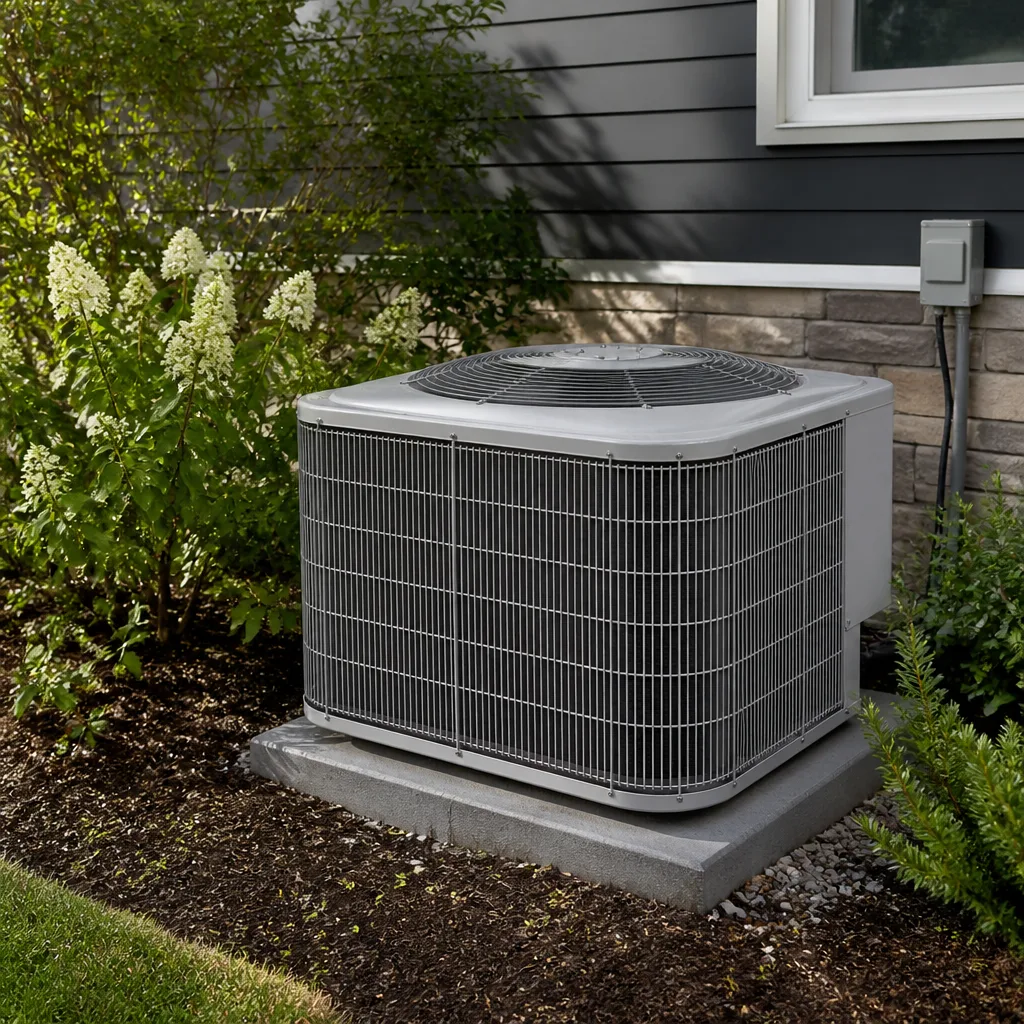 Carrier
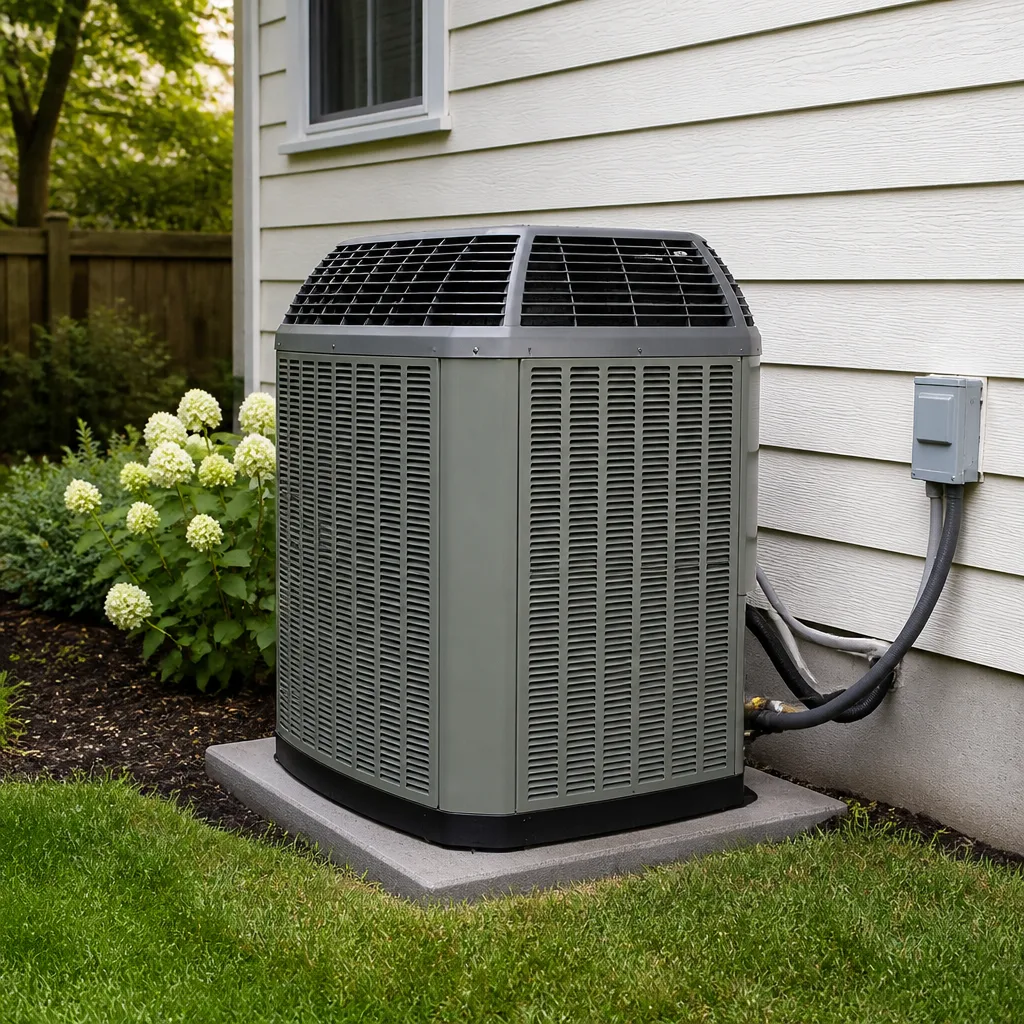 Trane
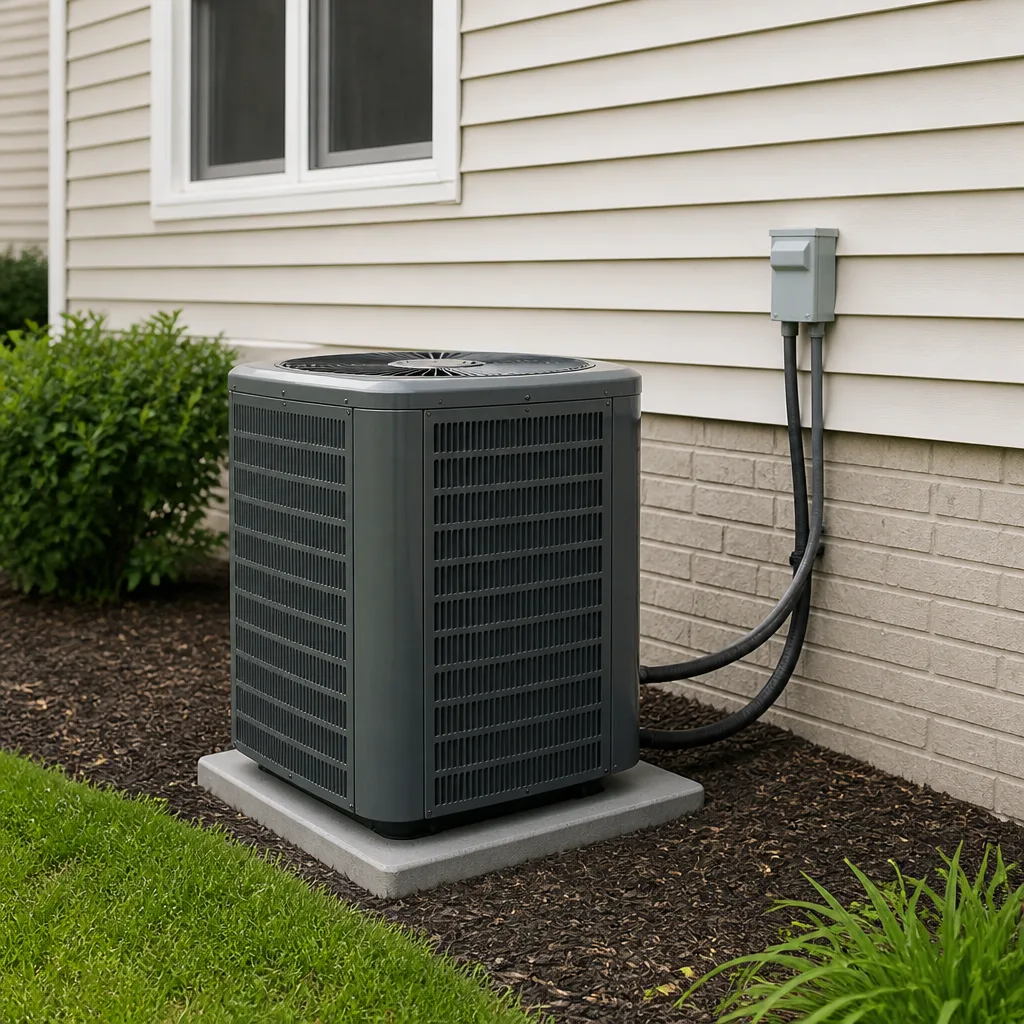 Goodman
Seasonal tune-up and full diagnostic on your Carrier, Trane, or Goodman system - readings shown to you before any repair is proposed
Diagnosis first, numbers second - you approve the repair price before a single part goes in.
Get your free estimateHeating & Furnace Warning Signs Every Homeowner Should Know
Your furnace can be failing right now, in July, and you won’t feel a thing. We’ve pulled up to houses in December where the problem started the previous spring and nobody caught it because nobody was looking. That’s the odd truth about heating equipment in North Las Vegas: it sits dormant through months of triple-digit heat, and the first cold night of November is when every hidden fault shows up at once. This guide is about catching those faults during the quiet months, not after the house is cold. You’ll learn the off-season clues, the sounds that mean stop, the “it still heats, so it’s fine” trap, and how desert conditions age a furnace differently than the rest of the country.
Quick Answer
The clearest signs your furnace is going out are a yellow or flickering pilot flame instead of a steady blue one, a metallic scraping or grinding noise, short-cycling (starting and stopping every few minutes), rising gas bills without colder weather, uneven room temperatures, and a dust-burning smell that lingers past the first run of the season. Any yellow flame or smell of gas is a call-now situation, not a wait-and-see. Everything else on that list is worth a professional look before the first cold snap in North Las Vegas.
Styles & brands we work with
- AC repair
- Furnace & heating
- Heat pumps
- Ductless mini splits
- Carrier
- Trane
- Goodman
Table of Contents
- Why a Desert Furnace Fails Quietly (The Dormant-Season Problem)
- Off-Season Warning Signs You Can Spot in Summer
- The Yellow or Flickering Pilot Flame: A Carbon Monoxide Warning
- The “It Still Heats, So It’s Fine” Trap
- Sounds That Mean Call Today vs. Sounds That Can Wait
- Why a 15-Year-Old Furnace Ages Faster in the Nevada Desert
- A Simple Late-Summer Checklist for North Las Vegas Homes
Why a Desert Furnace Fails Quietly (The Dormant-Season Problem)
In most of the country, a furnace runs at least a little every month. In North Las Vegas, it may not fire for six or seven months straight. That long idle stretch is exactly when small problems turn into big ones, because nobody is around to notice them. A bearing that would squeal in January on a Minnesota furnace just sits there in your garage or closet, quietly rusting, through a Mojave summer.
Here’s what happens during dormancy. The blower motor and inducer motor settle. Dust and grit pack into the burners and the flame sensor. Rubber and plastic parts dry and crack under months of dry desert heat. Seals that held through the winter shrink. Then the first cold night arrives, you turn up the thermostat, and every one of those small faults reveals itself at the same time. That’s why December is our busiest month in North Las Vegas, and why the calls that month are usually bigger than they needed to be.
The fix isn’t complicated: look at the system while it’s idle. A furnace that gets a trained eye in September is a furnace that runs through January without a surprise. If you want the full seasonal service rundown, our Heating & Furnace in North Las Vegas page covers what a proper inspection checks.
Off-Season Warning Signs You Can Spot in Summer
You don’t need the heat running to know something’s off. Here are the clues we watch for on North Las Vegas systems that have been sitting since spring.
- Dust-burning smell on the first run. A little burn-off smell the first time you fire up in fall is normal. A smell that hangs around past 15 or 20 minutes, or comes back every time, means the burners or heat exchanger are dirty or the combustion isn’t clean. That’s not dust. That’s something to check.
- Pilot light color in a summer inspection. If you can see the pilot or the burner flame, look at the color. A healthy flame is steady and blue. A yellow, orange, or wavering flame is a combustion problem, and we cover why below.
- Rust or corrosion on the heat exchanger or flue. Desert humidity swings, plus the occasional monsoon week, can leave condensation inside a cold furnace. That moisture rusts the heat exchanger over the summer. You may not see it, but a technician will.
- Cracked or brittle hoses, belts, and gaskets. Heat and dry air are hard on rubber. A belt that looks fine in March can be cracked by September.
- Dust and debris in the burner compartment. North Las Vegas gets wind and dust. An idle furnace is a dust trap.
None of these require you to open a panel or touch a gas line. You can look at the flame through a sight glass and you can smell what’s coming out of the vents. That’s enough to know it’s time for a look.
The Yellow or Flickering Pilot Flame: A Carbon Monoxide Warning
A yellow or flickering pilot flame is not an efficiency problem. It’s a carbon monoxide risk, and we treat that call with the same urgency at 2 a.m. that we do at noon.
A healthy flame burns blue because it’s getting the right mix of gas and air. When that mix goes wrong, or when the heat exchanger is cracked, the flame burns yellow or orange and gives off carbon monoxide instead of mostly carbon dioxide and water vapor. Carbon monoxide is invisible and has no smell. That’s what makes it dangerous. A flame you can see turning the wrong color is your one early warning.
What to do if you see it:
- Turn the furnace off at the thermostat.
- Open a window or two and get everyone, including pets, into fresh air.
- If anyone has a headache, dizziness, nausea, or confusion, leave the house and call 911.
- Call us to inspect the system before you run it again.
You should also have working carbon monoxide alarms on every level of your home and near each sleeping area. Test them in the fall before the heating season starts. And if your system is over 15 years old, have the heat exchanger checked every year. We mention the age because the risk rises with it.
The “It Still Heats, So It’s Fine” Trap
This is the one that catches most homeowners. The furnace comes on, warm air comes out, so it must be fine, right? Not necessarily. A furnace can be in the early stages of failure and still heat the house. Here are the three pre-failure signals people chalk up to normal aging.
- Short-cycling. The furnace runs for a few minutes, shuts off, then comes back on. It may cycle like that many times an hour. Short-cycling wears out the blower motor and the control board and is often the first real symptom of a failing flame sensor, a dirty filter, or a limit switch that’s tripping. That’s not normal. That’s the furnace telling you something.
- Rising gas bills. If your gas bill climbs and the weather hasn’t gotten colder, the furnace is burning more to make the same heat. That points to dirty burners, a failing igniter, or a blower that’s not moving air the way it should.
- Uneven room temperatures. If one bedroom is always cold while the rest of the house is fine, that may be ductwork, but it can also be a blower or a furnace that’s struggling to keep up. North Las Vegas homes with rooms that face west or sit over a garage often show this first.
If any of these sound familiar, get readings before you get a quote. Readings first, numbers second. You should see both before anyone says the word “replace.”
Sounds That Mean Call Today vs. Sounds That Can Wait
Not every noise is an emergency. Here’s how we sort them, in plain terms.
Call someone today
- Scraping or grinding metal. That’s usually the blower wheel hitting the housing or a failing motor bearing. Running it makes it worse. Turn it off and call.
- Booming or rumbling on startup. A delayed ignition that booms is a gas-delivery problem and can be a safety issue.
- Any smell of gas. Leave the house and call your gas utility first, then us.
- A shrieking or high-pitched squeal that won’t stop. Usually a bad bearing or a slipping belt.
Can wait until business hours
- A single pop or click on startup. One pop is often just the igniter lighting off and can be normal.
- Light ticking or tapping. Frequently ductwork expanding and contracting with heat. Worth mentioning, rarely urgent.
- A soft hum that stops when the blower stops. Usually the transformer or control board, and not a same-day emergency unless the heat stops.
We’d rather you call on a sound that turns out to be nothing than wait on one that’s the blower motor grinding itself to death. For the AC side of your system, the same reasoning applies, and our AC Repair & Installation in North Las Vegas page walks through those sounds.
Why a 15-Year-Old Furnace Ages Faster in the Nevada Desert
The national rule of thumb is that a furnace lasts 15 to 20 years. In the Mojave, assume the lower end of that range, and sometimes lower.
Desert conditions are hard on heating equipment in ways a midwestern furnace never sees. The dry air cracks rubber and plastic faster. The dust and grit from our wind events pack into the burners and the blower. The humidity swings from our monsoon season leave condensation inside a cold furnace and rust the heat exchanger. And because the system sits idle for six or seven months, all of that decay happens while nobody is watching. A North Las Vegas furnace at 15 years is often farther along than a furnace of the same age in a climate where it runs every month.
What that means for you: if your furnace is over 15 years old, treat every warning sign on this list as more urgent than the homeowner down the street with a 15-year-old furnace back in Ohio. It’s not the same system, and the calendar isn’t the only clock. Our team has up to 24 years of experience with these systems in this climate, and the pattern is consistent. For homes that are close to the end of the line, we’ll tell you straight. Sometimes that means a heat pump or mini-split is the better call, and our Heat Pump & Mini Split in North Las Vegas page explains when that makes sense.
A Simple Late-Summer Checklist for North Las Vegas Homes
Do this in September, before the first cold night, and you’ll know where you stand.
- Change the air filter. A dirty filter is the most common cause of short-cycling and weak airflow, and it’s the easiest thing to fix.
- Look at the flame through the sight glass if you have one. Steady blue is good. Yellow, orange, or flickering means call us.
- Test every carbon monoxide alarm and replace the batteries.
- Walk the house on the first cool evening and listen. Note any scraping, booming, or shrieking.
- Check your last two gas bills against the same months last year, if the weather was similar. Rising cost without rising cold is a clue.
- Book a tune-up and safety check before the rush. October schedules fill fast in North Las Vegas.
If you want to know what that safety check should include, start at our Ray’s Heating & Air North Las Vegas home page and work from there.
Common Mistakes to Avoid
- Never running the heat until the first cold night. Fire it up for ten minutes in October. Catching a problem then is cheaper than catching it in December.
- Assuming a working heat means a working furnace. The furnace can still fail this winter with pre-failure signals already showing. Short-cycling and uneven heat are warnings, not personality quirks.
- Ignoring a yellow flame because “it still heats.” A yellow flame is a safety issue, not a performance issue.
- Skipping the carbon monoxide alarms. They’re not optional in a house with any fuel-burning appliance. Check the batteries every fall.
- Chalking up a scraping sound to “the house settling.” In a North Las Vegas home, a scraping noise from the furnace is almost never the house.
- Calling the national outfit first and trusting a phone quote. Ask for readings before anyone quotes a price. If they quote without testing, ask why.
- Waiting out the tune-up because the system seems fine. The tune-up is how you find out it’s not.
See the difference
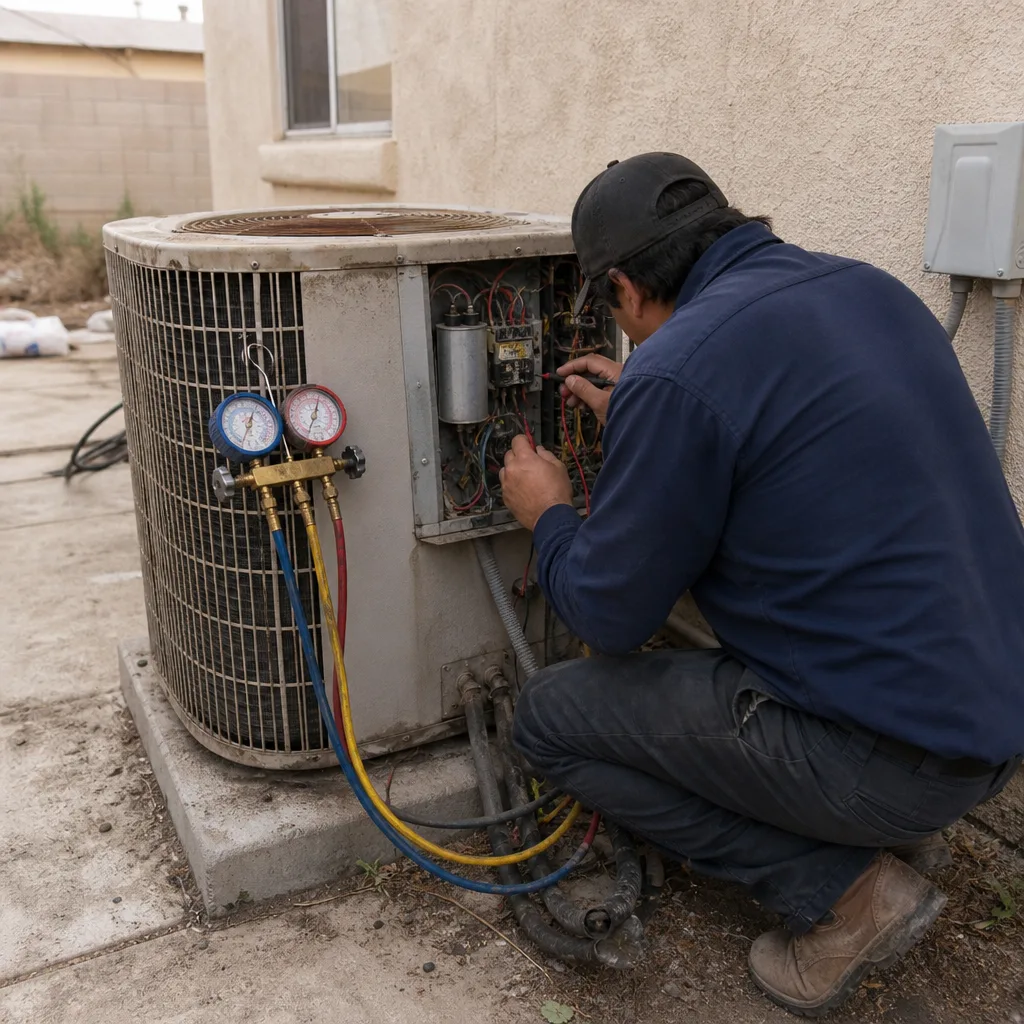 Before
 After
 Before
 After
 Before
 After
When to Call a Professional
Call us the same day if you have a yellow or flickering flame, any smell of gas, a scraping or booming noise, or a furnace that won’t fire at all. Call us within a day or two for short-cycling, rising gas bills, uneven heat, or a furnace that runs constantly without keeping the house warm. And call us before the first cold night if your furnace is over 15 years old or you haven’t had it serviced in more than two years. We’d rather look at it while the AC is still running than show up in a December scramble.
Ray’s Heating & Air North Las Vegas offers free estimates in North Las Vegas. Call (844) 761-6871. Phones are answered by a live person around the clock, and every heating job carries the 90-Day Done Right Promise in writing.
Frequently Asked Questions
A yellow or flickering flame, short-cycling, a scraping or grinding noise, rising gas bills without colder weather, and a dust-burning smell that won’t fade are the earliest signs. A steady blue flame is what you want to see; yellow or orange is a problem. Call (844) 761-6871 if you spot any of these, and we’ll take a look before it turns into a December emergency.
Rarely without any warning signs, but the signs are easy to miss when the furnace sits idle for six months. In North Las Vegas, the clues often show up in summer, when the system isn’t running and nobody’s paying attention. Short-cycling and a yellow flame can be present for months before the heat drops out. That’s why the late-summer check matters more here than in colder climates.
Yes. A yellow or orange flame usually means incomplete combustion, and that produces carbon monoxide. Get everyone out and call 911 if anyone has symptoms like headache, dizziness, nausea, or confusion. If it’s just the flame color, turn the furnace off and call us at (844) 761-6871 before running it again. A carbon monoxide alarm on each level and near the bedrooms is not optional.
Plan for 12 to 15 years in our climate, sometimes less. Desert heat, dust, and humidity swings age a system faster than in cooler climates, and six months of idle time each year lets problems build unnoticed. If your furnace is past 15 years, treat every warning sign on this page as urgent. We’ll give you a straight answer on whether to repair or replace.
The rule of thumb: repair if it’s under 12 years old and the repair is a fraction of replacement cost; replace if it’s over 15, or if repairs are stacking up. A repair that costs more than a third of replacement is usually the sign to replace. Call (844) 761-6871 for a free second opinion on any written estimate before you decide.
No. We don’t charge overtime, and there’s no trip charge inside our own county. A heating failure on a weekend is a heating failure, and the price is the same. Call (844) 761-6871 and a live person answers, day or night.
The Bottom Line
A furnace in North Las Vegas can be on its way out right now, in the middle of summer, and you wouldn’t know it because it isn’t running. The signs are quieter here and easier to miss. Watch for a yellow or flickering flame, short-cycling, rising gas bills, uneven heat, and sounds like scraping or booming. Do the late-summer checklist in September. Take the yellow flame seriously every time. And if you’re not sure what you’re hearing, call us. Free estimates and a live person on the phone, day or night.
Contact
If your furnace is showing any of the warning signs in this guide, call (844) 761-6871 for a free estimate. A live person answers, every hour. Ask about the 90-Day Done Right Promise, the Free Second Opinion on any written estimate, and the Senior and Veteran 10% discount.
Written by the team at Ray’s Heating & Air North Las Vegas.