
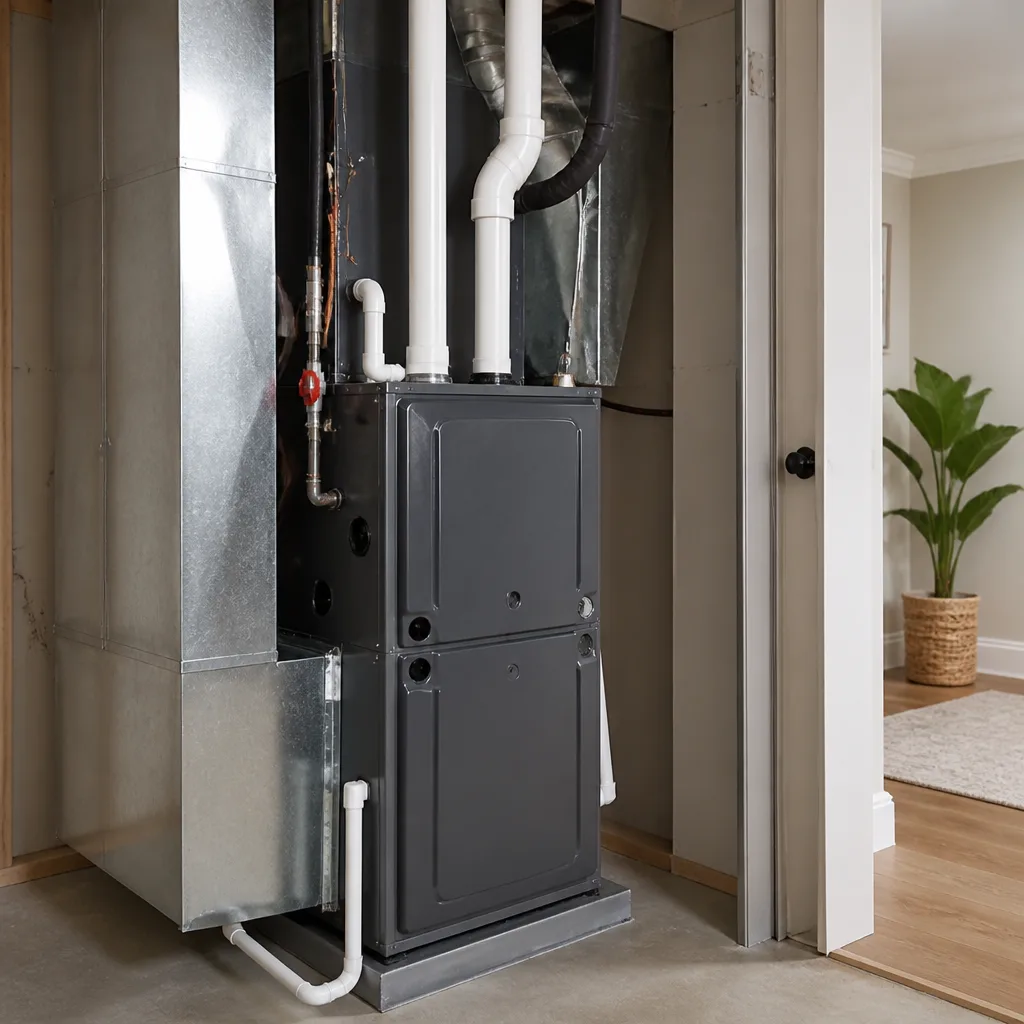
 Furnace & heating
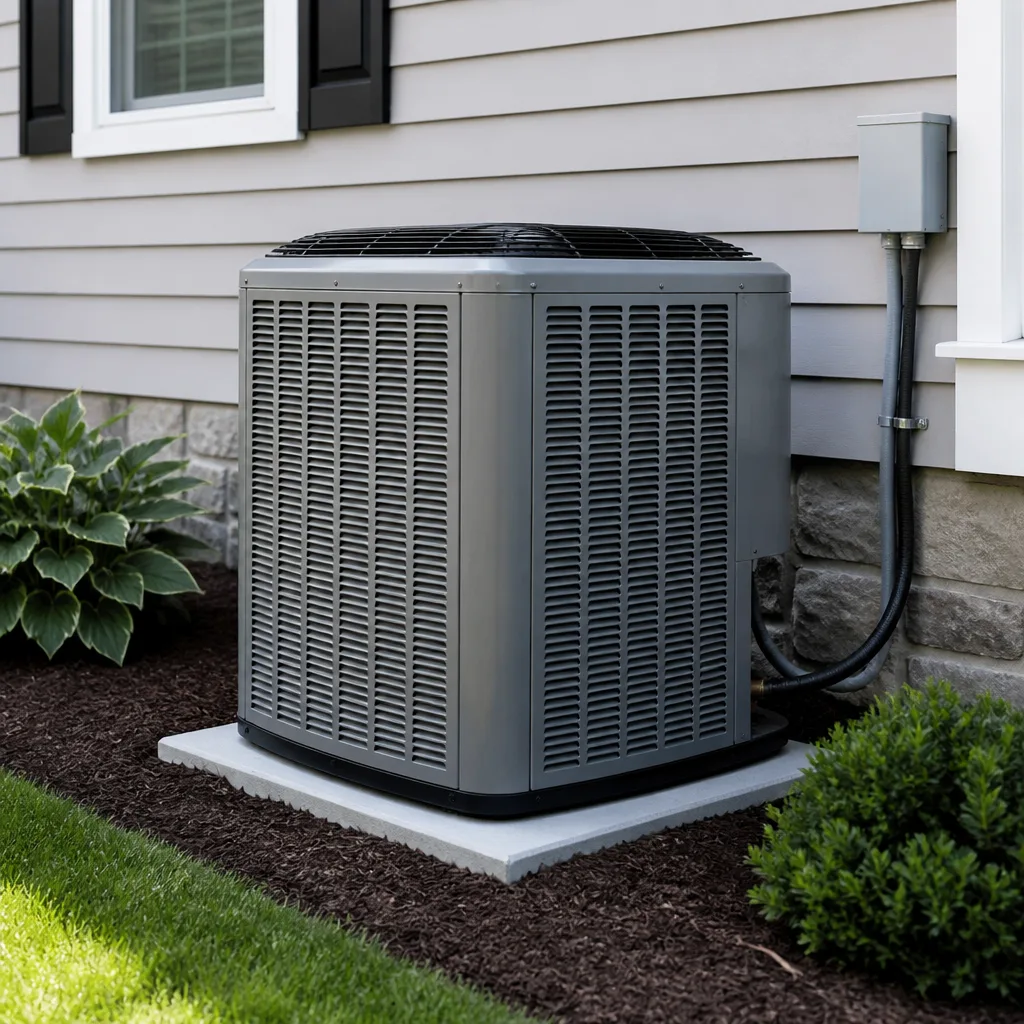 AC repair
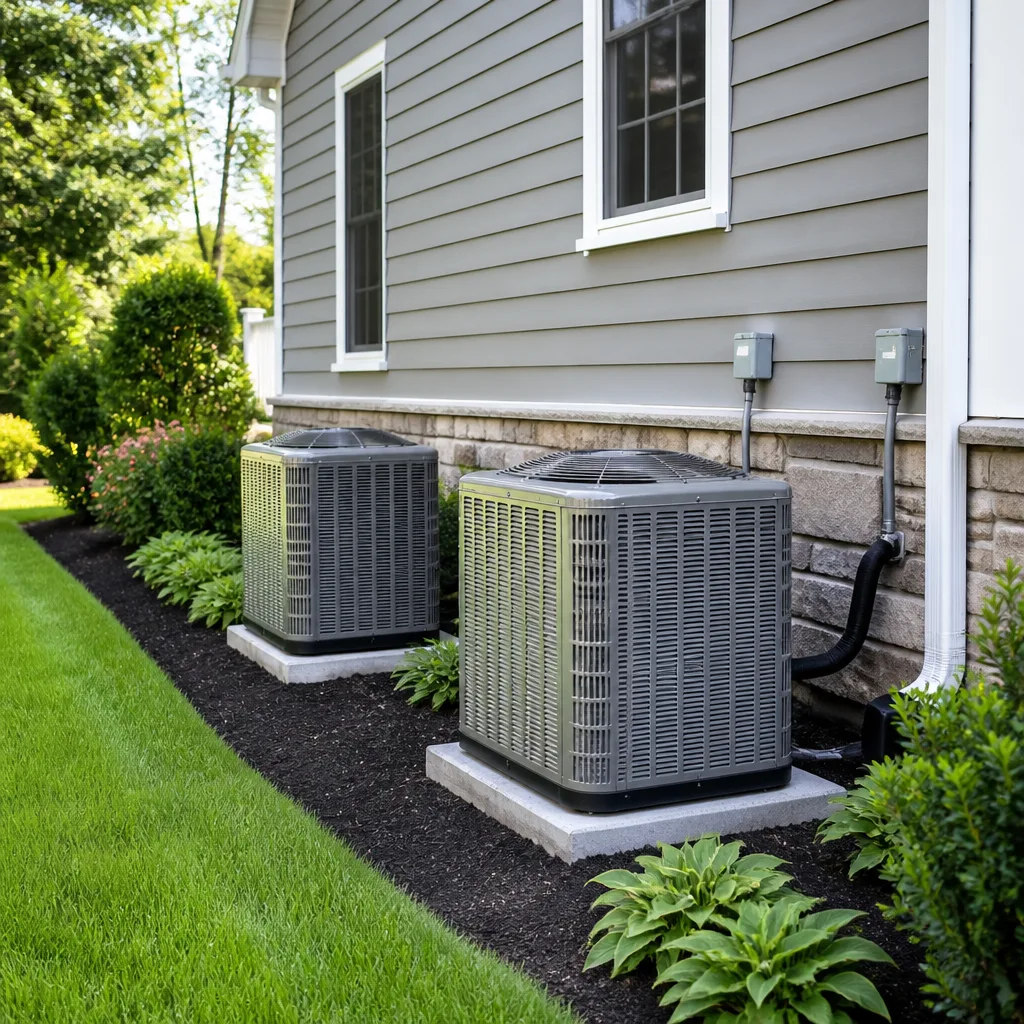 Heat pumps
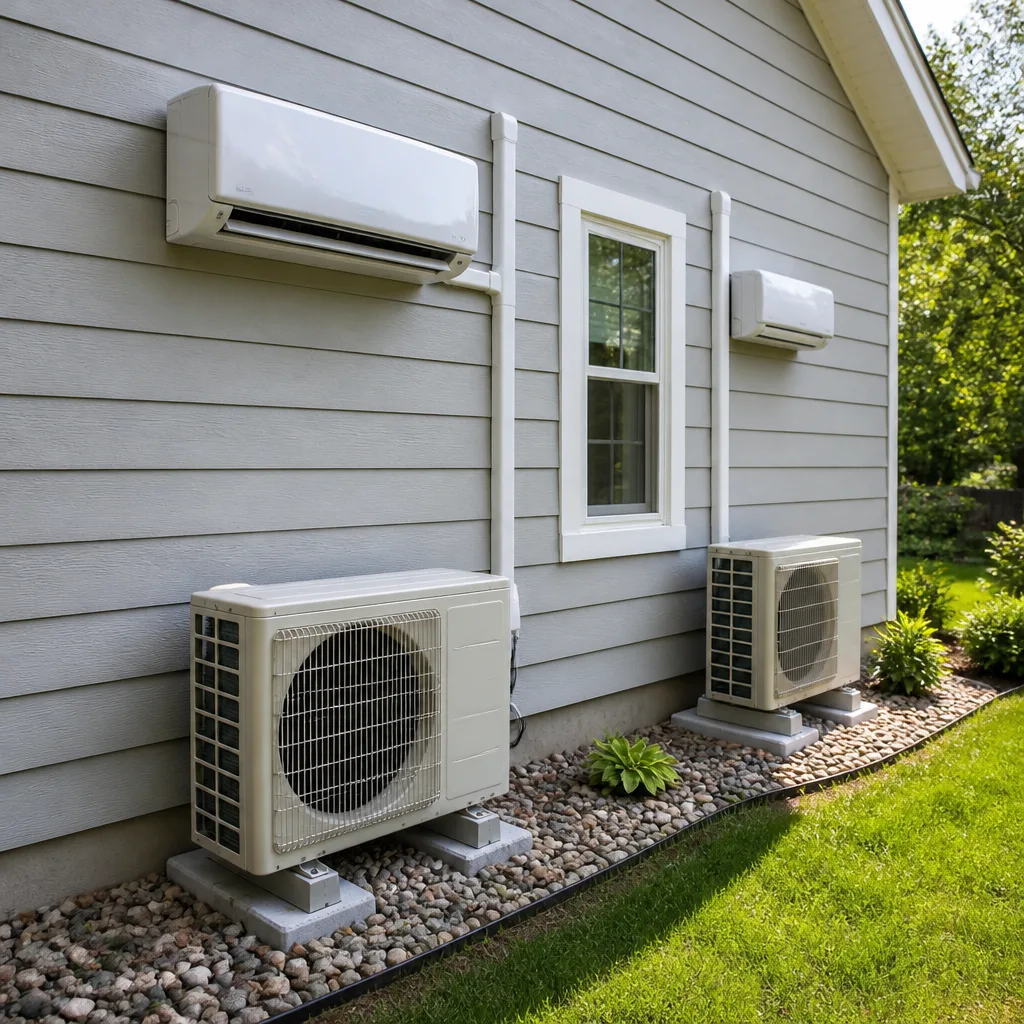 Ductless mini splits
 Carrier
 Trane
 Goodman
Seasonal tune-up and full diagnostic on your Carrier, Trane, or Goodman system - readings shown to you before any repair is proposed
Diagnosis first, numbers second - you approve the repair price before a single part goes in.
Get your free estimateStyles & brands we work with
- AC repair
- Furnace & heating
- Heat pumps
- Ductless mini splits
- Carrier
- Trane
- Goodman
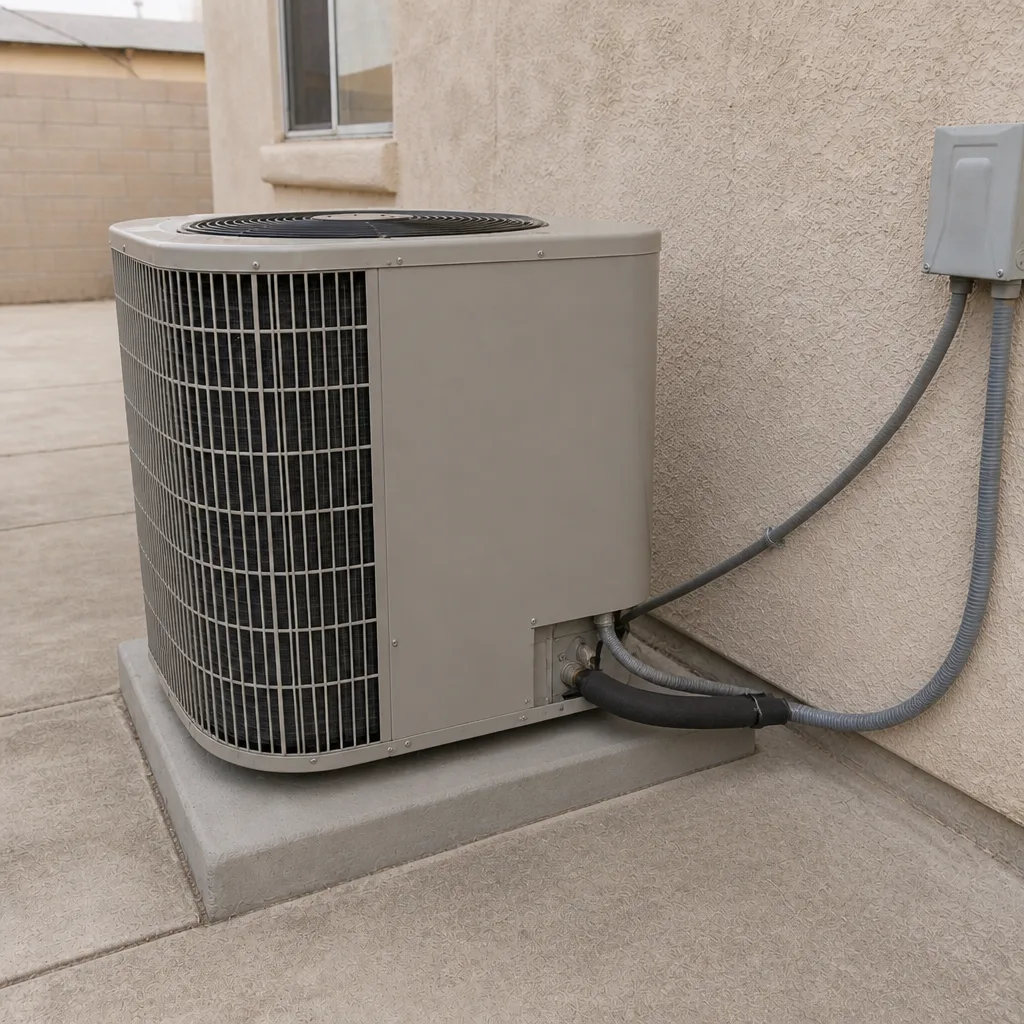
See the difference
 Before
 After
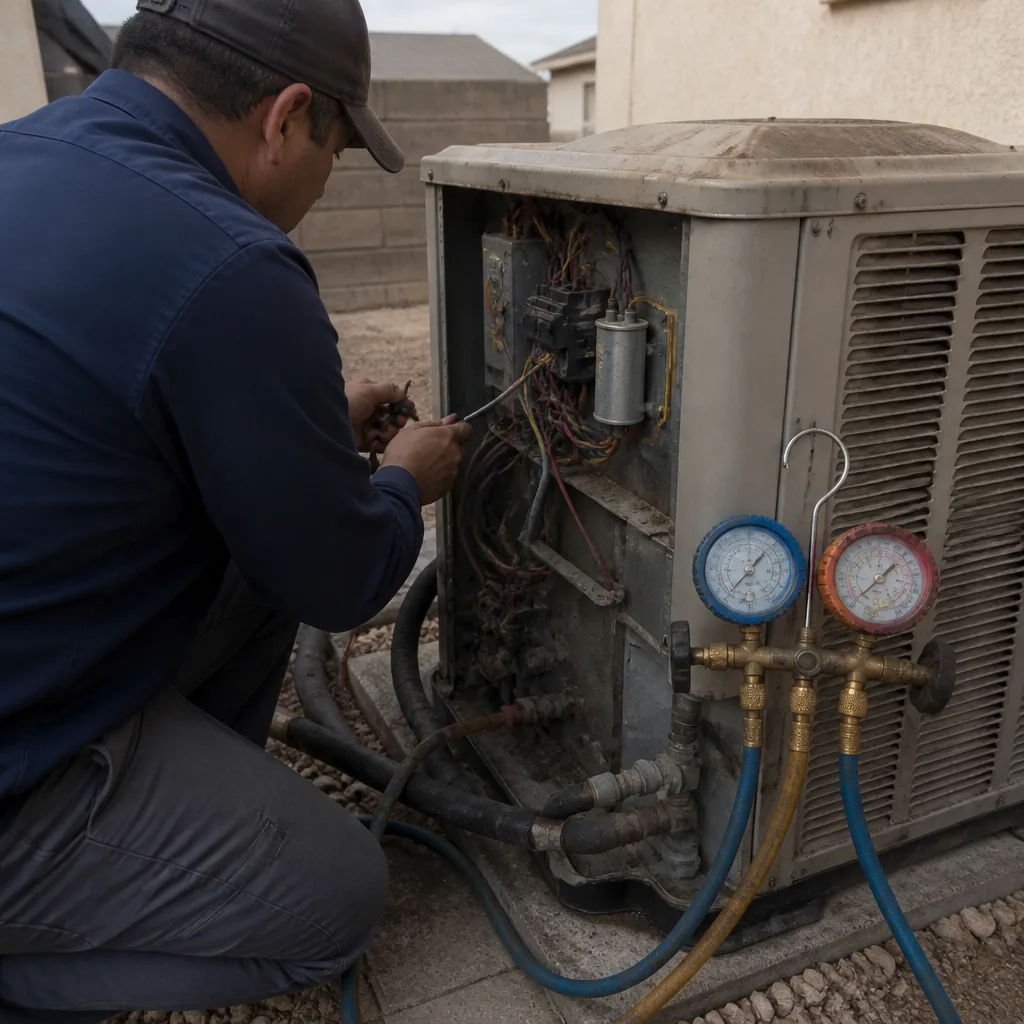 Before
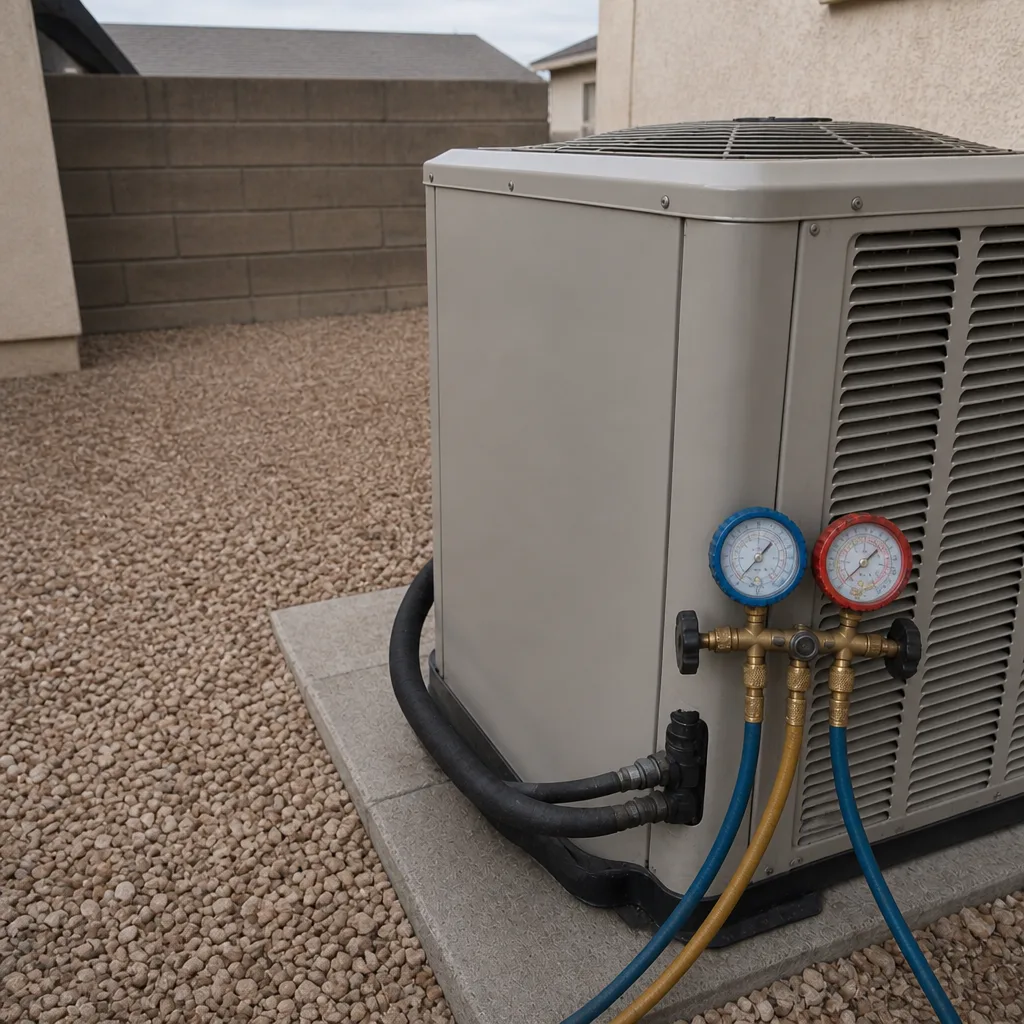 After
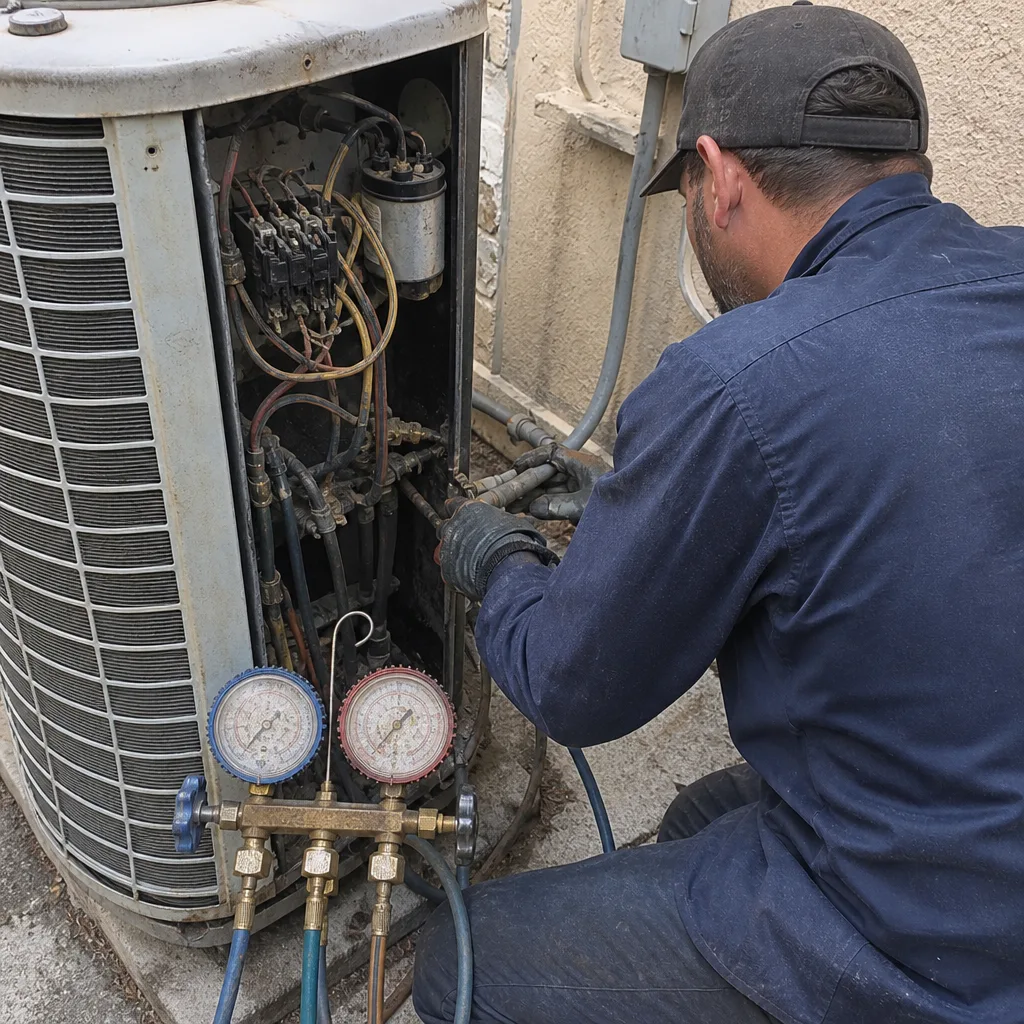 Before
 After
How Often to Replace an HVAC Air Filter in North Las Vegas, NV: Every 45 to 60 Days, Not Every 90
In North Las Vegas, most homes should replace the HVAC air filter every 45 to 60 days, not the 90 days printed on the packaging. The standard advice assumes four seasons, a normal dust load, and a heating season that shuts the system down for months. We get none of that here: cooling runs hard from April into October, spring winds drag silt off the open desert, and the north and west sides of town sit next to active construction. The desert doesn’t care what the package says. If you want a filter checked and a straight answer on the whole system, call Ray’s Heating & Air North Las Vegas at (844) 761-6871.
After a haboob rolls through the north end of town, we’ve pulled filters that looked like they’d been in for a year. They’d been in for three weeks. That single fact is why this page exists, and why we don’t hand out one-size schedules.
Key Takeaways
- Check monthly. Replace at 45-60 days for most North Las Vegas homes, sooner for pets, allergies, or homes near the desert edge and construction.
- A clogged filter in a 110°F summer can ice the coil and stall the blower, turning a cheap filter into a service call.
- After any visible dust storm, check the filter the next day no matter when you last changed it.
- MERV-11 is the sweet spot for most tract homes here. A MERV-13 can strangle an undersized builder-grade blower.
Why “Every 90 Days” Doesn’t Hold Up in North Las Vegas
Those replacement intervals were written for a climate with a real off-season. In North Las Vegas, summer design temperatures regularly push past 110°F, and the AC may run nearly every day from spring through fall. Every hour of runtime pulls air through the filter. More runtime means the filter loads faster, and low desert humidity doesn’t do anything to settle the dust.
Then there’s the geography. This city sits in a high-desert wind corridor, and spring and early summer bring haboobs carrying fine alkaline silt that slips right past a cheap fiberglass filter. Much of the housing was built fast during the 2000s boom, and plenty of those homes are still running the original builder-grade split systems now hitting 15 to 20 years and failing in clusters. Older equipment with a tired blower is less forgiving of a loaded filter, not more. So the neighborhood, the age of the system, and whether there’s a construction lot next door all change the answer.
Build Your Filter Schedule Around Your Home, Not a Label
The generic 1/3/6-month buckets don’t map cleanly onto how people actually live in North Las Vegas. Here’s how we think about it, based on what we actually see when we open a return grille.
| Household situation | Check interval | Replace by |
|---|---|---|
| One occupant, no pets, newer subdivision | Every 30 days | 60 days max |
| Family home near construction or open desert edge | Every 2 weeks | 30-45 days |
| Home with pets or allergy sufferers | Every 2 weeks | 21-30 days |
A newer master-planned home on the north or west edge might look clean inside, but if there’s a grading crew or a slab pour a few lots over, that silt finds the return. A household with two dogs and a cat? The filter loads from pet dander as much as dust. People are often surprised that their “three-month” filter is gray and matted at four weeks. Pick your column honestly and check on that schedule; you can adjust once you see the actual filter.
What a Clogged Filter Actually Costs You in a North Las Vegas Summer
This is the part worth slowing down for. A dirty filter restricts airflow, and restricted airflow drops the temperature of the evaporator coil below the dew point. The coil ices over. Once it’s a block of ice, you lose all cooling capacity, and the blower motor strains against static pressure it wasn’t built for. A filter that costs a few dollars to replace, ignored through a hot spell, becomes a $200 service call and a sweltering afternoon. In the worst cases a blower motor or a stressed compressor adds real money to that number.
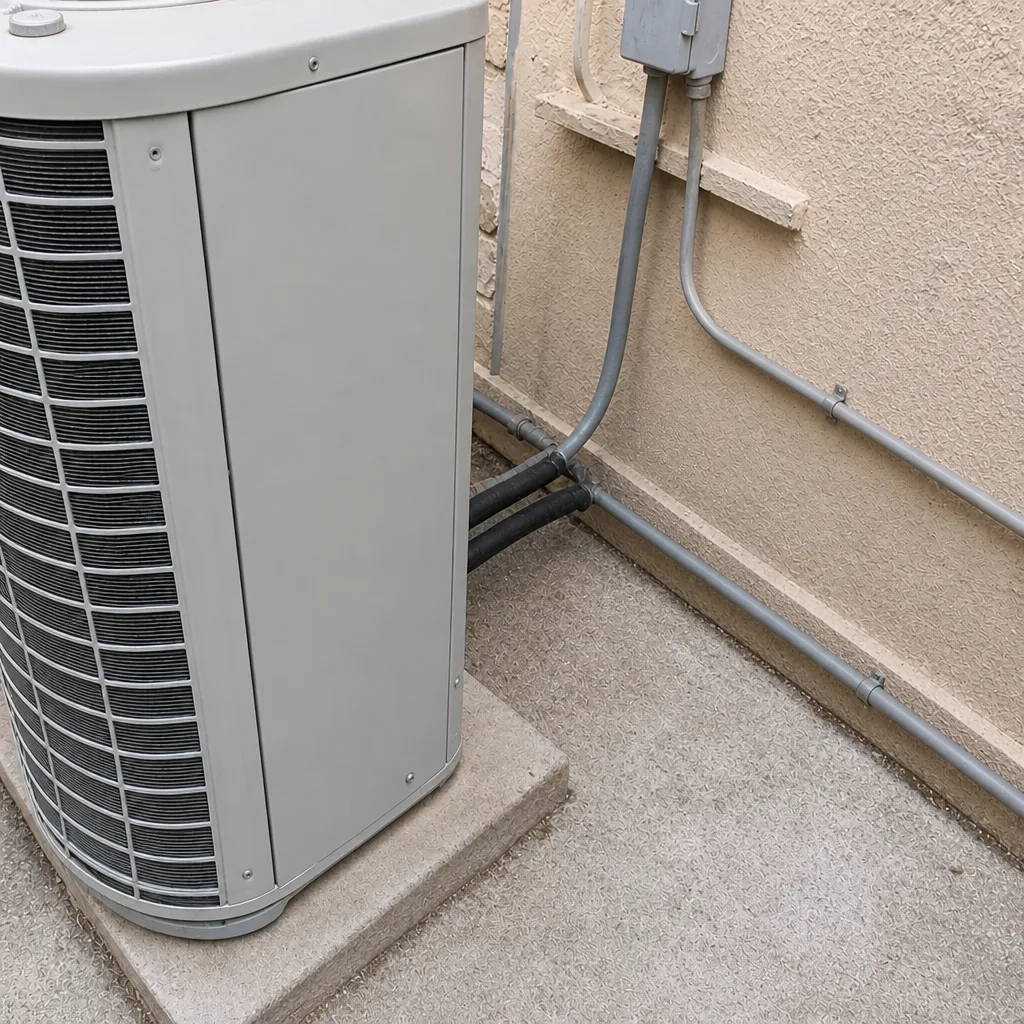
That’s the mechanical trade. But the dust storms add their own wrinkle: after any visible storm event, check the filter the next day regardless of when you last changed it. We routinely find clogged outdoor coils and tripped high-head-pressure cutouts on units that “worked fine last summer,” because wind-driven silt packed into the condenser fins. If your unit quits right after a blow-through, a filter and coil check is where we start.
Choosing the Right MERV Rating for a North Las Vegas Tract Home
Higher MERV isn’t automatically better, and here we tell people that instead of upselling them. A MERV-13 catches more silt, sure, but it also restricts more airflow. On some older builder-grade air handlers with undersized blowers, a MERV-13 creates enough restriction to cause the same coil-ice problem as a dirty MERV-8. So the filter rating can hurt you the same way dirt does. For most tract homes in North Las Vegas, we recommend MERV-11 as the practical middle: it traps the fine desert silt without choking the blower. Fiberglass filters are cheap but let too much pass. If you’re not sure what your system can breathe, the answer depends on your specific air handler, and that’s a look-under-the-hood question. If air quality inside the house is the bigger concern, our Air Quality & Ventilation in North Las Vegas page digs into filtration, ventilation, and duct concerns that go beyond the return filter.
What We Do on a Service Call (and Why the Photo Matters)
Here’s an operator detail that separates a straight answer from an invoice line. We check and photograph the filter condition on every service call. If the filter is the problem, we show you the photo and say so, plain. You won’t find a “filter replacement” charge tacked onto the bill without explanation. Readings first, numbers second, and you see both. That’s the whole idea: your system tells us what’s wrong if we look before we talk.
System checks, tune-ups, and a filter review for a North Las Vegas home typically land in our published range. Tune-ups run $80-$200, AC repair $150-$650, and furnace repair $150-$700. If a repair turns out to be a filter-and-airflow fix, you’ll know before any work begins; our home page covers the full list of what we handle, from AC and heating to heat pumps and mini-splits. We work on all the major brands, including Carrier, Trane, Bryant, and American Standard, and the brand doesn’t change the basic physics.
How to Check and Replace Your Filter: A Five-Minute Routine
This one’s homeowner-safe, so here goes. Turn the system off, find the return grille or the filter slot at the air handler, and pull it out.
- Hold it up to the light. If you can’t see through it, it’s done, wherever it is in its cycle.
- Note the size printed on the frame and grab the same size and a MERV-11 replacement.
- Look at the arrows on the frame. They point toward the airflow, into the return.
- Slide the new one in with the arrows matching, close the grille, turn the system back on.
- Write the date on the frame edge so next time you know exactly when it went in.
If the filter is clean and the system still isn’t cooling right, that’s a call-the-pro moment. Coil icing, blower strain, and capacitor failures all show up looking like a “cooling” problem, and a trained eye with gauges and a meter is the way to sort them. Our Air Quality & Ventilation page covers the filtration side, and if you’re weighing a bigger job, AC installation across North Las Vegas typically runs $3,500-$7,500, so a filter habit that keeps the current system alive pays for itself fast.
FAQs
During summer, change it every 30 to 45 days, not every 90. Cooling runs nearly nonstop, the dust load is high, and the margin for error is small. If you have pets or live near active construction, 21 to 30 days is safer. Call (844) 761-6871 if you’d like a filter checked and a plain read on your system.
Check it the next day after any visible dust storm, yes. A haboob pushes fine alkaline silt that loads a filter fast, and it also packs the outdoor coil and can trip a high-head-pressure cutout. The filter may look a week old and be full. Swap it, and if the system was already acting up, have it looked at.
No. A MERV-13 traps more silt but restricts more airflow, and on older builder-grade air handlers that restriction can ice a coil the same way dirt does. For most North Las Vegas tract homes, MERV-11 is the honest sweet spot. If you’re unsure what your blower can handle, that’s worth a look.
It can, and in a 110°F summer it often does. Restricted airflow drops the evaporator coil below dew point, the coil ices, cooling stops, and the blower motor strains against static pressure. What starts as a neglected filter becomes a repair visit. Getting it handled early keeps that small habit from turning into a real bill.
If you’d rather have it looked at, Ray’s Heating & Air North Las Vegas offers a no-pressure assessment in North Las Vegas. We check the filter, show you the photo, and give you readings before any numbers. Call (844) 761-6871 for a free estimate.
Written by the team at Ray’s Heating & Air North Las Vegas, serving North Las Vegas, NV.