
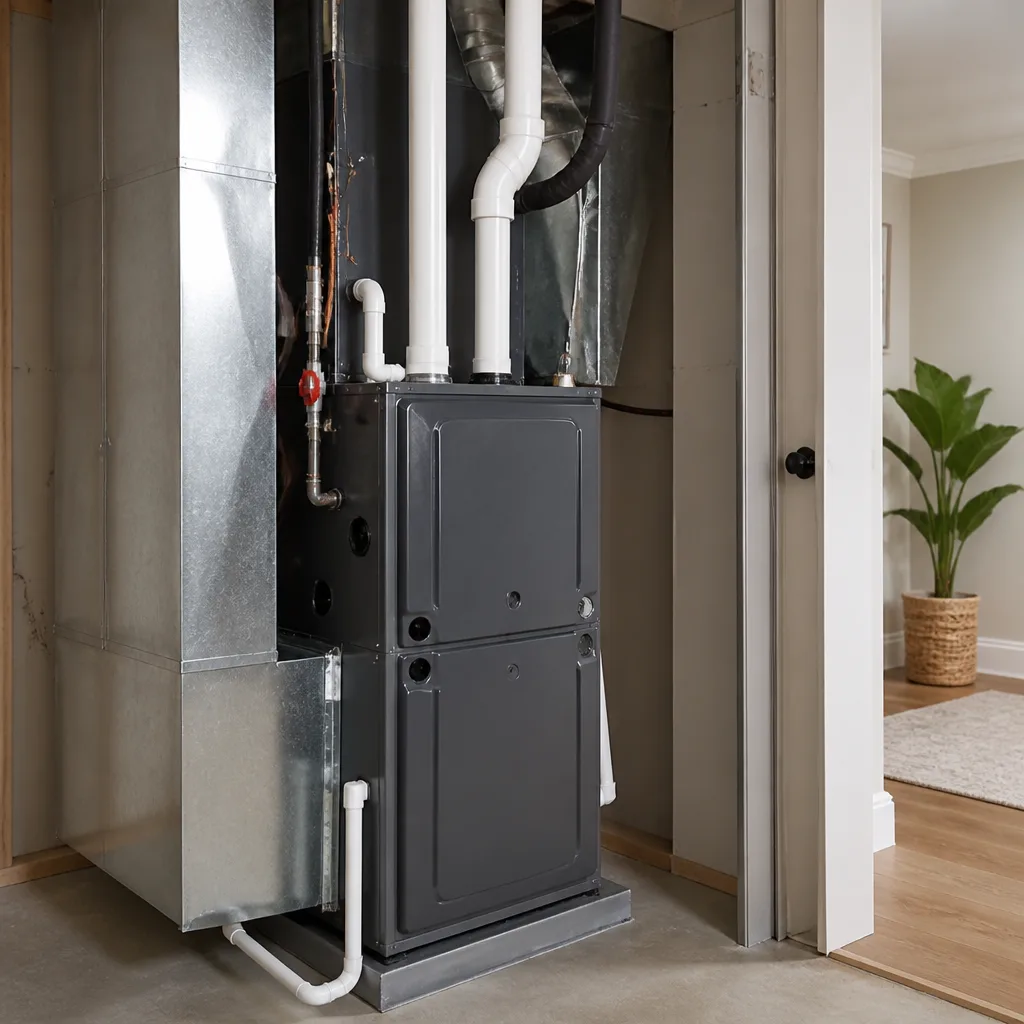
 Furnace & heating
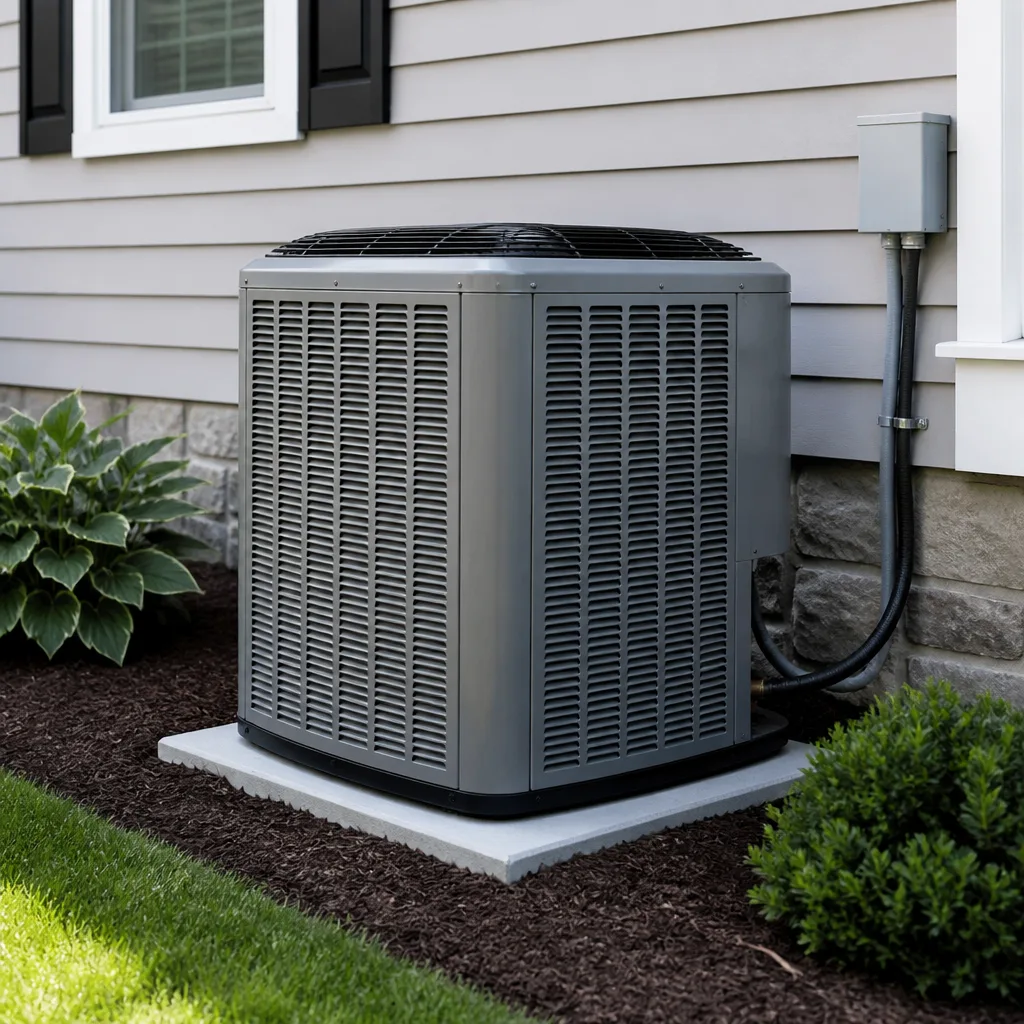 AC repair
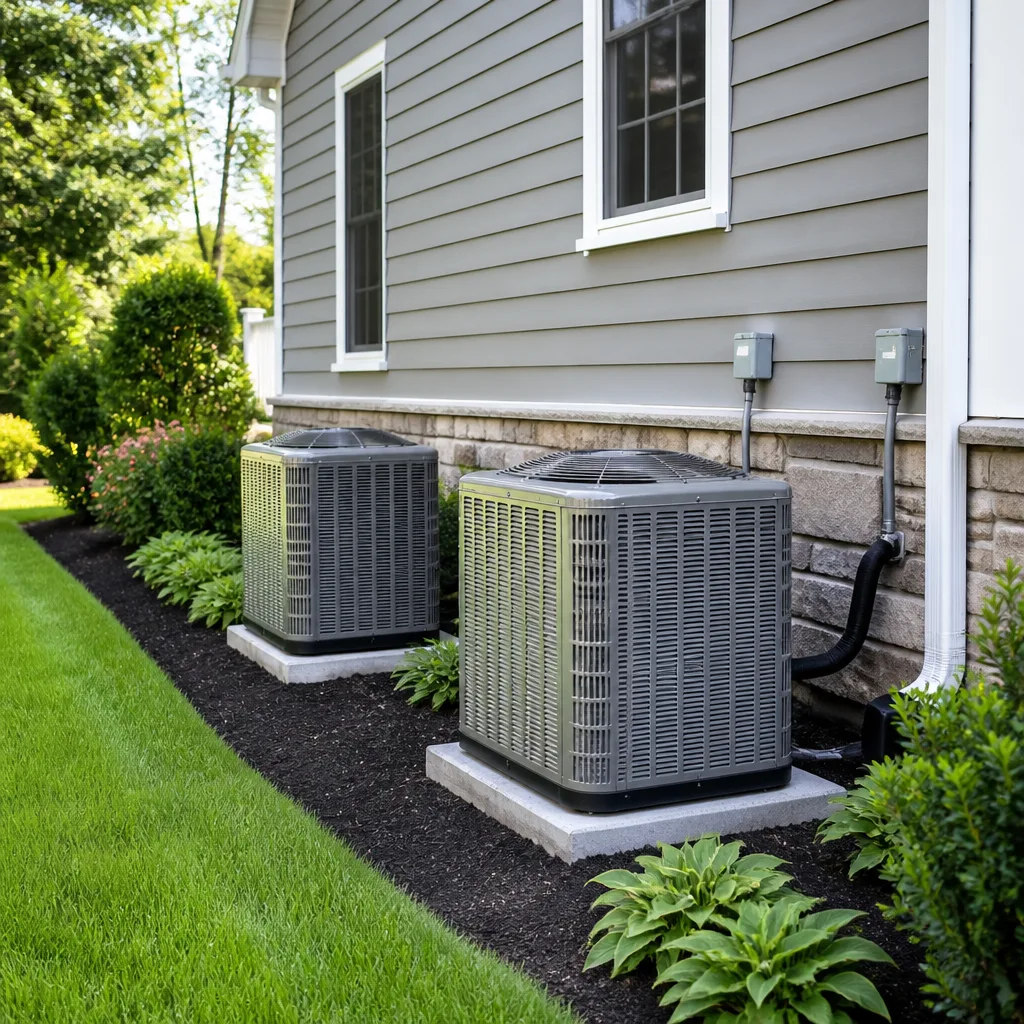 Heat pumps
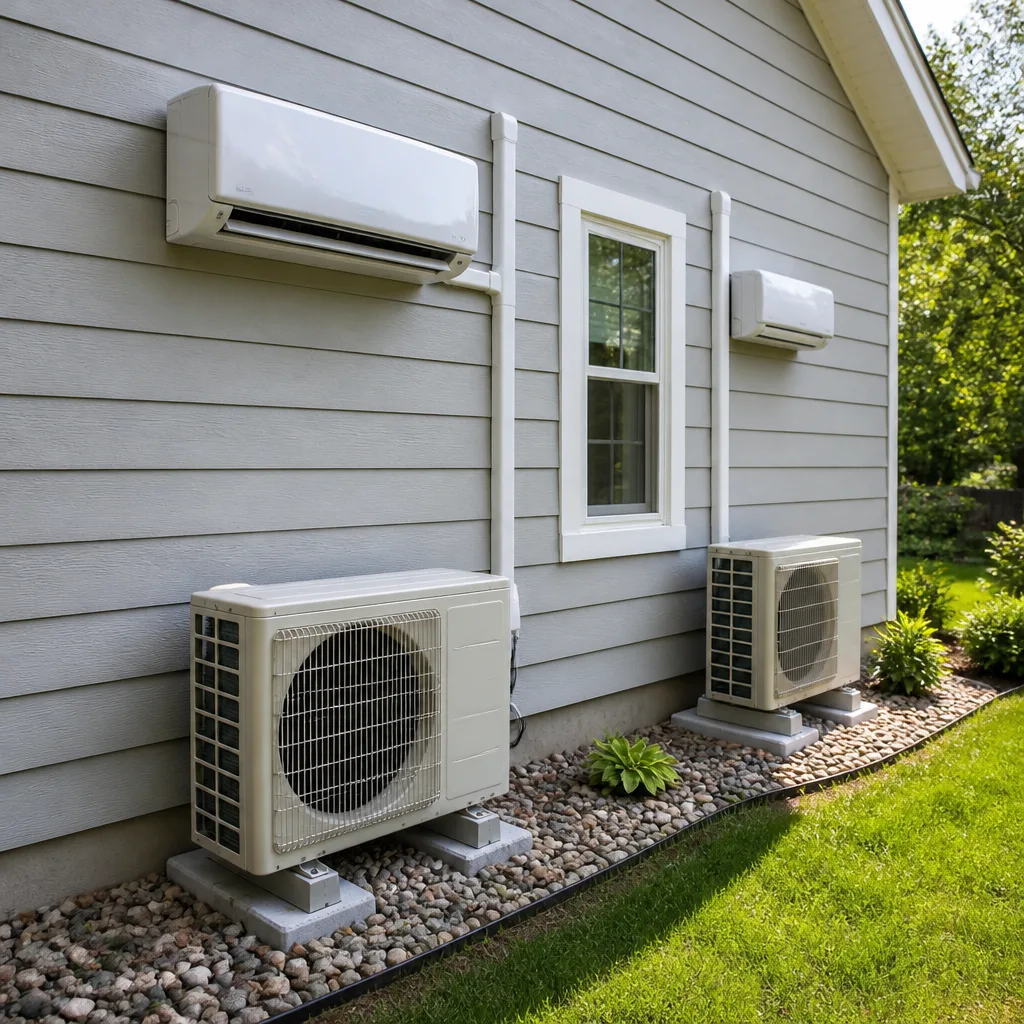 Ductless mini splits
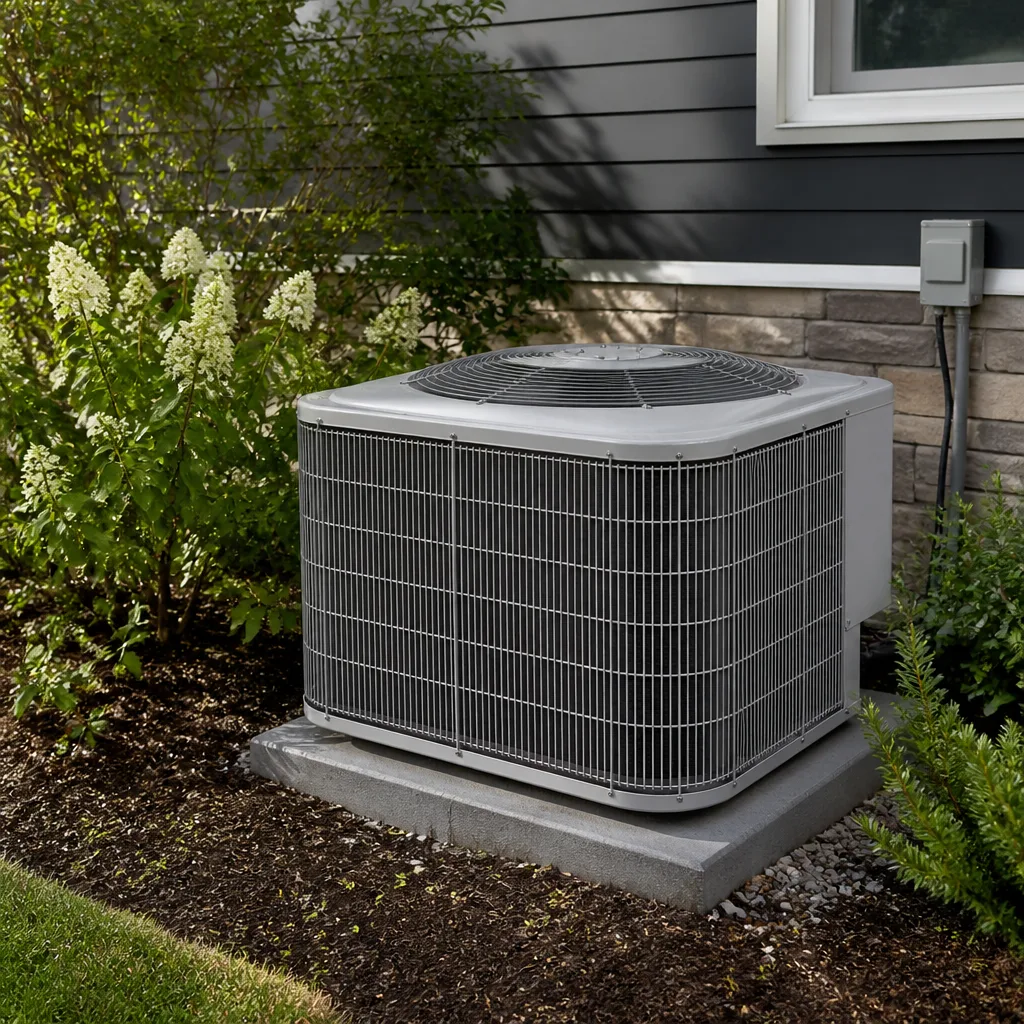 Carrier
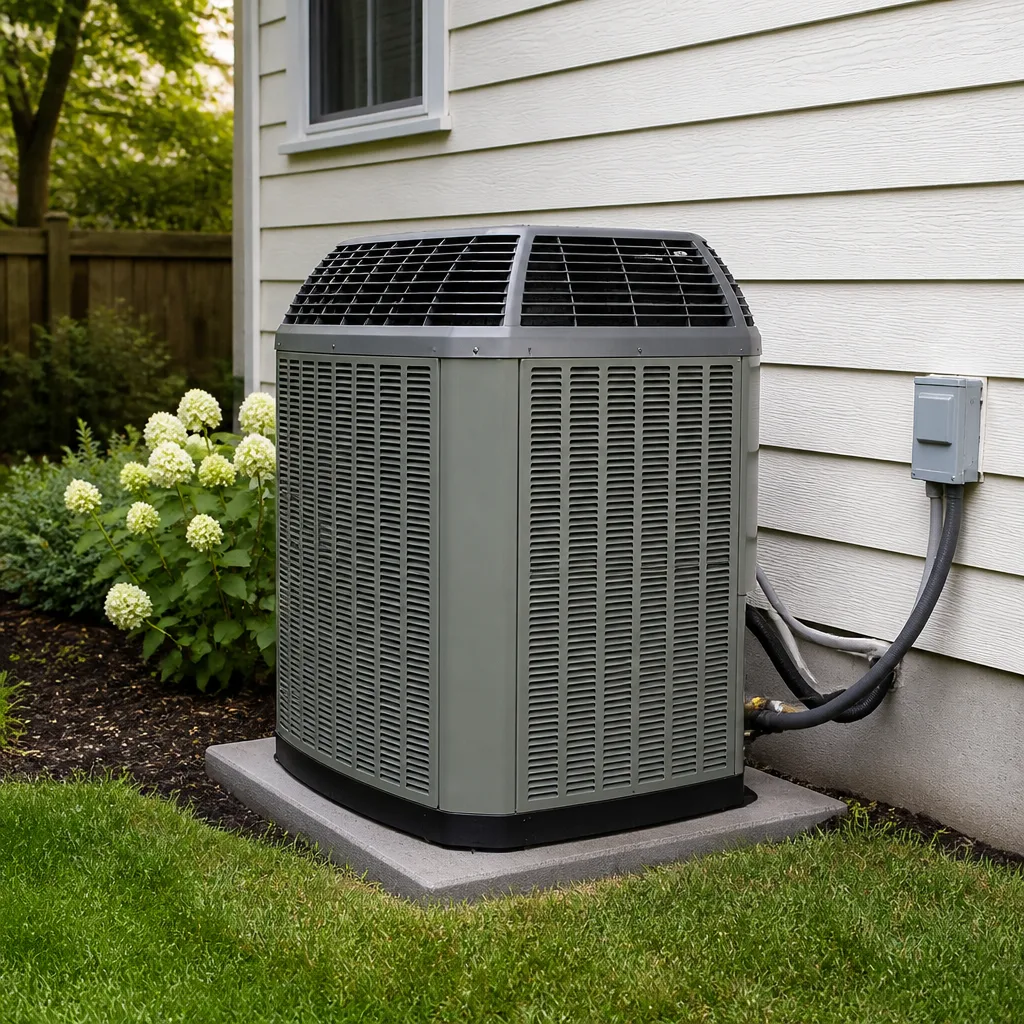 Trane
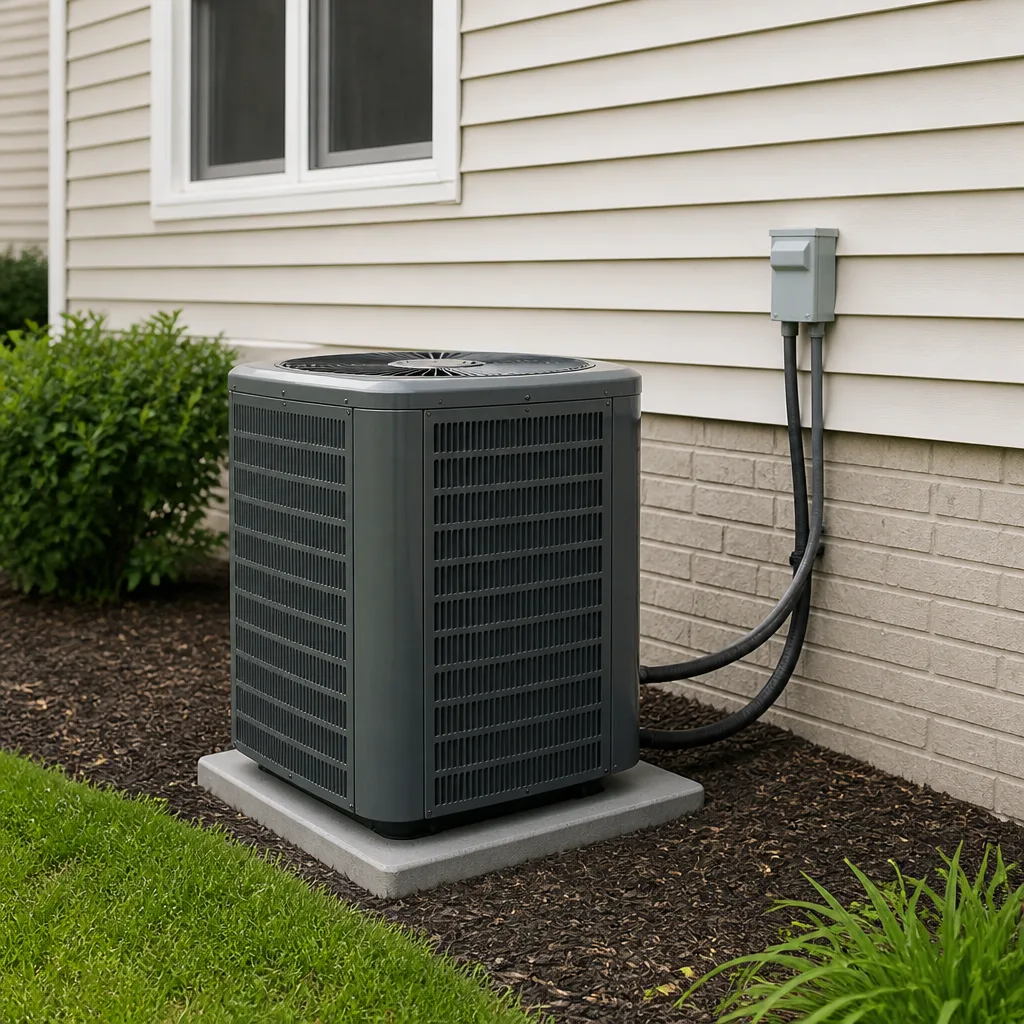 Goodman
Seasonal tune-up and full diagnostic on your Carrier, Trane, or Goodman system - readings shown to you before any repair is proposed
Diagnosis first, numbers second - you approve the repair price before a single part goes in.
Get your free estimateStyles & brands we work with
- AC repair
- Furnace & heating
- Heat pumps
- Ductless mini splits
- Carrier
- Trane
- Goodman
See the difference
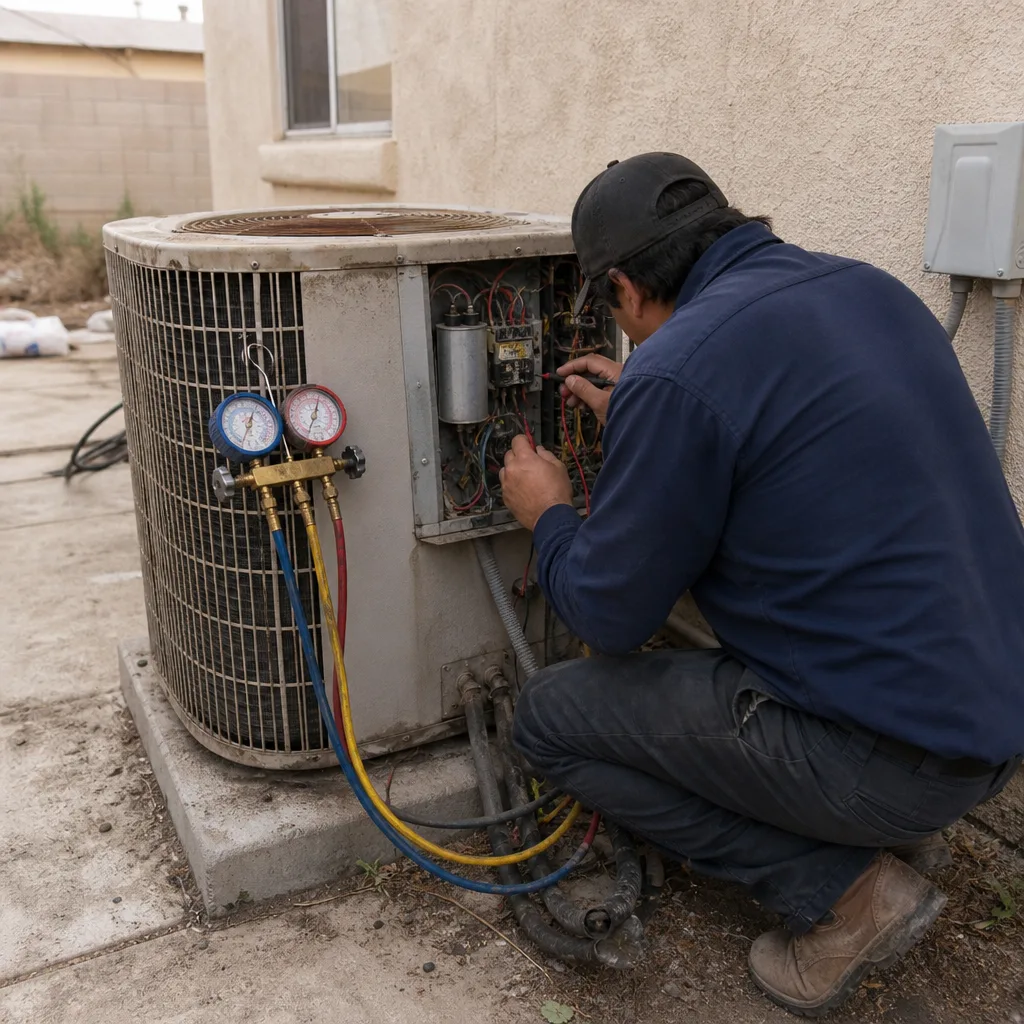 Before
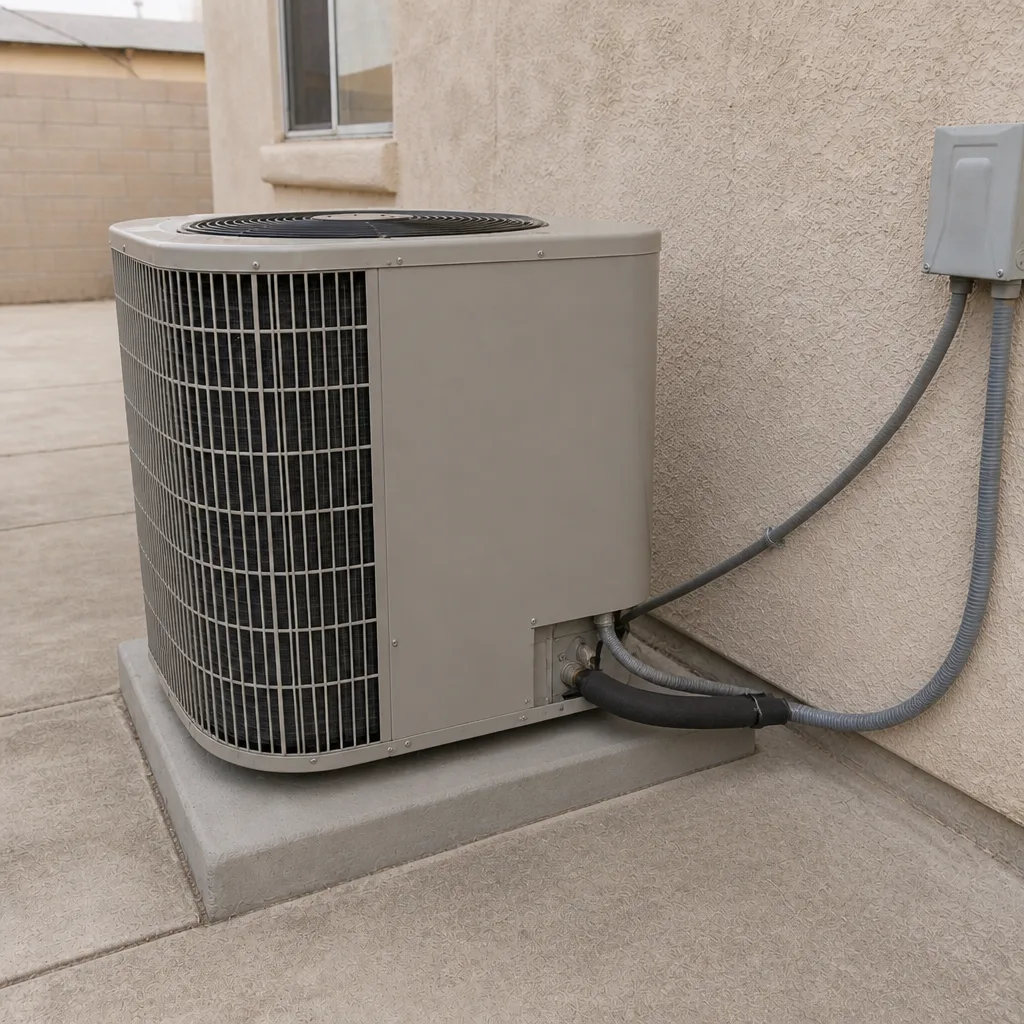 After
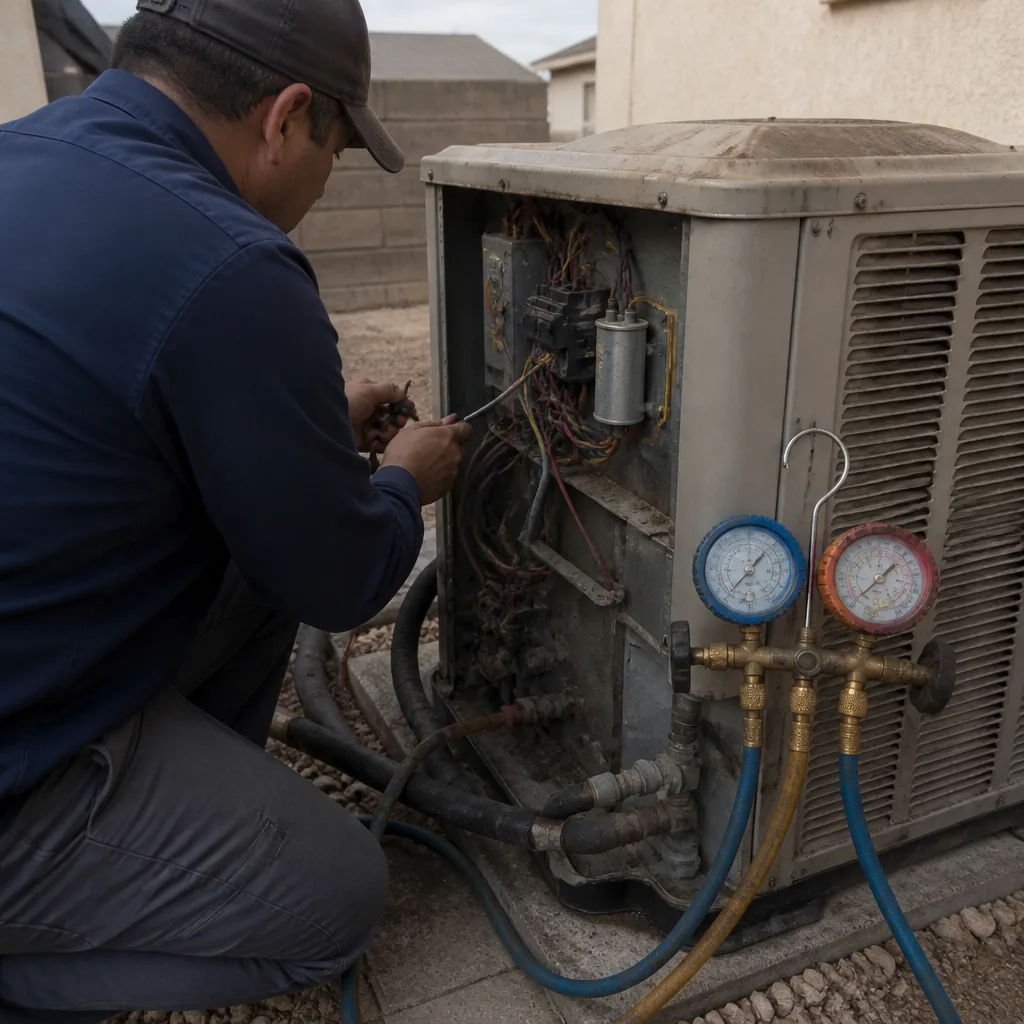 Before
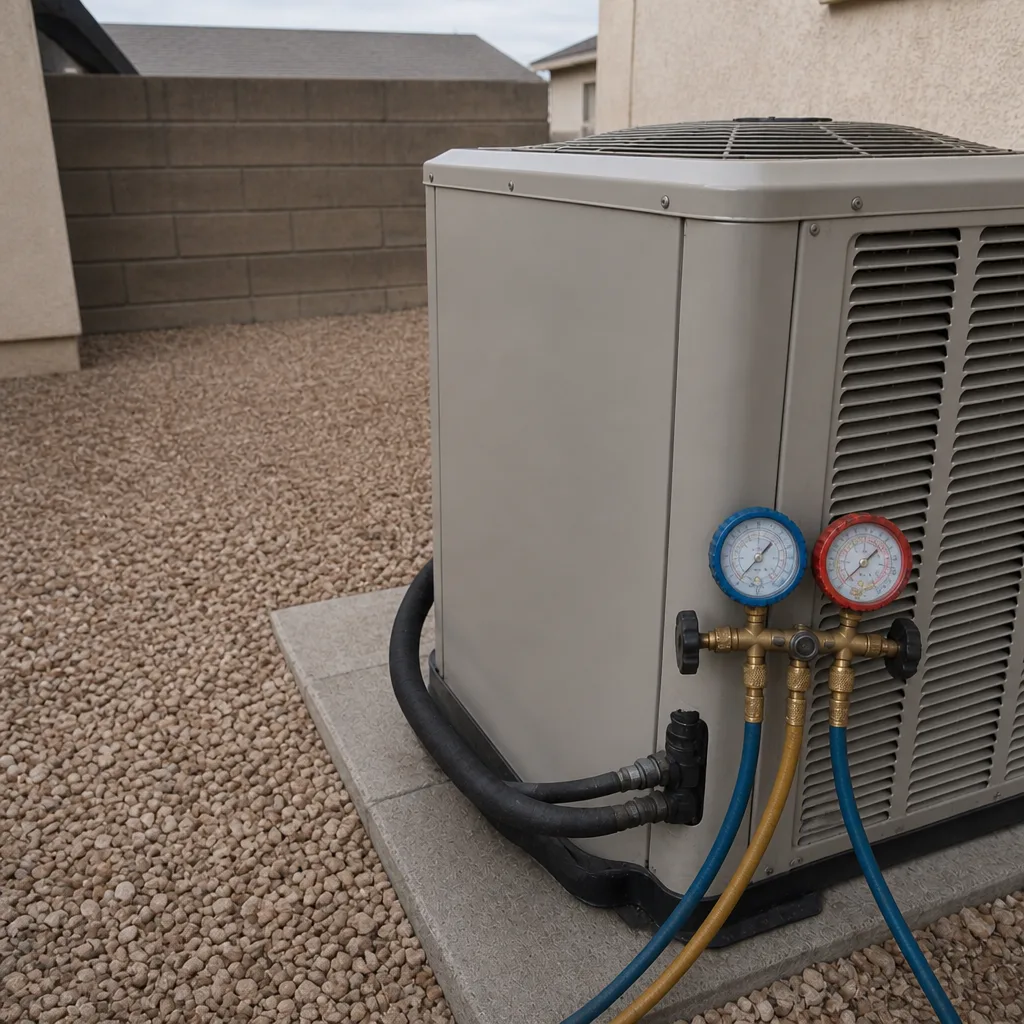 After
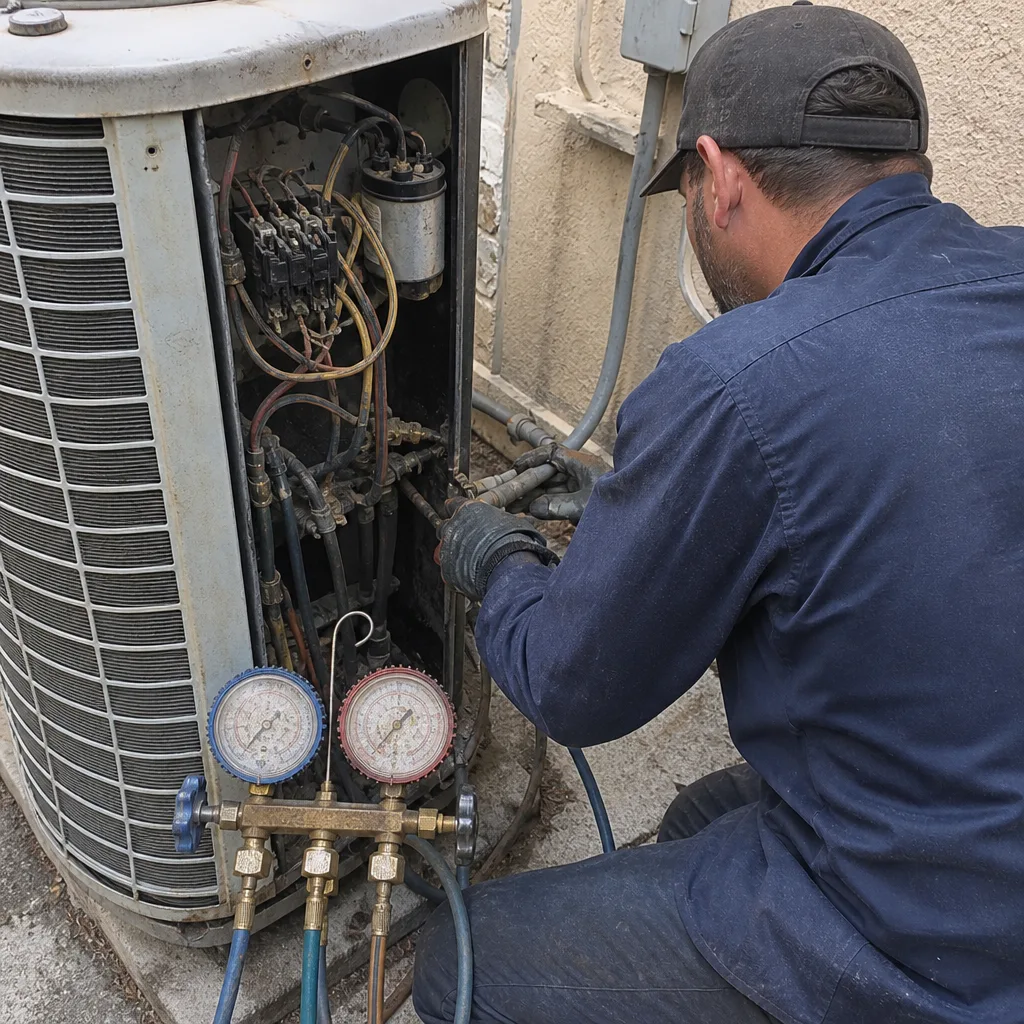 Before
 After
How Long Does a Furnace Last in North Las Vegas, NV?
A furnace in North Las Vegas typically lasts 18 to 22 years, but the number that actually matters here isn’t years. It’s ignition cycles. National guides say 15 to 20 years because they’re written for cold-climate furnaces that burn in long, steady runs all winter. A North Las Vegas furnace doesn’t do that. It fires up for ten minutes on a cool January morning, shuts off, fires again that evening, and repeats. That short-cycling wears out igniters and control boards long before the heat exchanger ever sees stress. Call (844) 761-6871 and we’ll tell you where yours actually stands. Free estimates, and you see the readings before anybody quotes you a number.
Why North Las Vegas Furnaces Wear Out Differently
The housing stock here explains most of it. Most of North Las Vegas was built fast during the 2000s boom, and production builders installed basic-tier Rheem, Goodman, and Carrier units because they were cheap and they worked. Those furnaces are 20-plus years old now, and they’re failing in clusters on the same streets because they were installed within months of each other.
Here’s the counterintuitive part: our mild winters are harder on ignition components than Minnesota’s cold ones. A cold-climate furnace might log 1,500 to 2,000 burner hours a year in long burns. A North Las Vegas furnace might log 500 hours, but complete 3,000 or more ignition cycles, because the thermostat keeps calling for short bursts as the desert swings from 40°F at dawn to 65°F by noon. Igniters are rated by ignition count, not hours. So a furnace here can be “young” in runtime and old in cycles.
What that means in practice
- A 2003 furnace that’s never had a repair can still be running fine if it happened to get a good igniter and the homeowner doesn’t cycle the thermostat much.
- A 2007 furnace on its third igniter is telling you something. That’s not bad luck, it’s cycle math catching up.
- Total hours of use tell you almost nothing here. The service record tells you everything.
The Real End-of-Life Signs for a North Las Vegas Furnace
Heat exchanger cracks are the scary failure in cold climates. In North Las Vegas they’re less common, because the unit doesn’t run hot for long stretches. What actually kills furnaces here is electronics and ignition. Watch for these three markers.
- Second igniter replacement. One is normal wear. Two means the ignition system is cycling harder than the part was designed for.
- First control board replacement. The board is usually the most expensive single part in the cabinet. Once it goes, you’re one repair away from replacement math.
- Any heat exchanger crack confirmed by combustion analysis. This one is not negotiable. A cracked exchanger can let carbon monoxide into your home, and no repair makes that safe. If a technician won’t run combustion analysis before declaring a crack, get a second opinion.
If two of those three have happened, replacement usually beats repair on cost. If only one has happened and the rest of the unit checks out, a repair is often the smarter money.
Lifespan vs. Efficiency: The Math Nobody Runs
You’ll hear that a 20-year-old 80% AFUE furnace wastes gas compared to a new 96% AFUE unit. That’s true per BTU. It’s also almost irrelevant in North Las Vegas, because your furnace runs so few hours a year that the annual savings are small. Upgrading to 96% AFUE purely to save gas usually doesn’t pay back in a reasonable window here.
The case for replacement gets stronger when reliability enters the picture. If your furnace is 20 years old, has had two igniters and a board, and it’s the middle of a cold snap, the savings argument is beside the point. You’re replacing it because you don’t want to be without heat for three days waiting on a part.
Furnace repair cost ranges in North Las Vegas
| Service | Typical Cost |
|---|---|
| Igniter replacement | $150-$400 |
| Control board replacement | $350-$700 |
| General furnace repair | $150-$700 |
| Seasonal tune-up | $80-$200 |
These are the ranges we actually quote in North Las Vegas. Every job carries our 90-Day Done Right Promise in writing: if it’s not done right, we come back and make it right. Free second opinion on any written estimate, and no trip charge inside the county.
What a Furnace Inspection Should Actually Cover
A tune-up that’s just a filter swap and a “looks good” isn’t an inspection. When we open a furnace in North Las Vegas, here’s the sequence.
- Combustion analysis first. We measure CO and flue gases before touching anything. A heat exchanger crack shows up here, not in a visual glance.
- Igniter and flame sensor readings. We note ignition count and cycle history so you know where the wear stands, not just whether it fired today.
- Control board and blower check. Voltage readings and amp draw tell us if the board is degrading before it fails outright.
- Duct and return air verification. Low airflow forces short cycles, and short cycles are what’s been wearing your igniter out.
Spring wind off the open desert north of the city packs fine silt into outdoor equipment, and the same dust finds its way into return ducts. If your filter is loading up in a month instead of three, that’s a sign your system is working harder than it should. It also shortens furnace life indirectly by forcing longer cycles. Heating & Furnace service in North Las Vegas includes a full airflow check for this reason.
Brand Matters Less Than the Service History
A Trane and a Goodman will both last 18 to 22 years in North Las Vegas if they’re maintained and both will fail early if they aren’t. We’ve seen a basic-tier Rheem from 2004 outlast a premium Lennox from 2008 on the same block, purely because one got annual service and the other didn’t.
The one thing that actually predicts furnace life is whether somebody has been watching it. Because Ray’s Heating & Air North Las Vegas has been servicing some of these same homes since 2002, we have service records on furnaces we’ve touched three or four times over the years. That history is worth more than any spec sheet. The person at your door can look at a unit and know its actual repair pattern, not just its model number. You can see the full range of what we handle on the home page.
How Often Should a North Las Vegas Furnace Be Serviced?
Once a year, ideally in early fall before the first cold snap. North Las Vegas furnaces don’t run long, but they do cycle more, and the ignition components need to be checked on a schedule, not on a breakdown. A tune-up runs $80 to $200 and catches a failing igniter before it leaves you without heat.
FAQs
Expect 18 to 22 years for original builder-grade units from the 2000s boom, with the caveat that ignition and control components often fail before the heat exchanger does. The cycle count matters more than the calendar. If yours is getting close, call (844) 761-6871 for a free estimate.
Repair is usually cheaper if the unit has had only one major failure and the heat exchanger checks out. Once you’re looking at a second igniter plus a control board, replacement math wins. We run combustion analysis first and give you the readings before any number. Free second opinion on any written estimate.
Because short-cycling wears igniters by ignition count, not hours. Our mild winters cause the thermostat to fire the furnace in short bursts, and each burst counts against the igniter’s rated life. A failing flame sensor or low airflow makes it worse. Call (844) 761-6871 to have the ignition system checked.
Occasionally, but it’s the exception. The units that make it past 22 years usually got annual service and haven’t had a control board replacement. Past 20, we recommend a combustion analysis every year regardless of how the unit seems to run.
If you’d rather have it looked at, Ray’s Heating & Air North Las Vegas offers a no-pressure assessment in North Las Vegas. You see the readings and the numbers before any work begins. Call (844) 761-6871 for a free estimate.
Written by the team at Ray’s Heating & Air North Las Vegas, serving North Las Vegas, NV.