
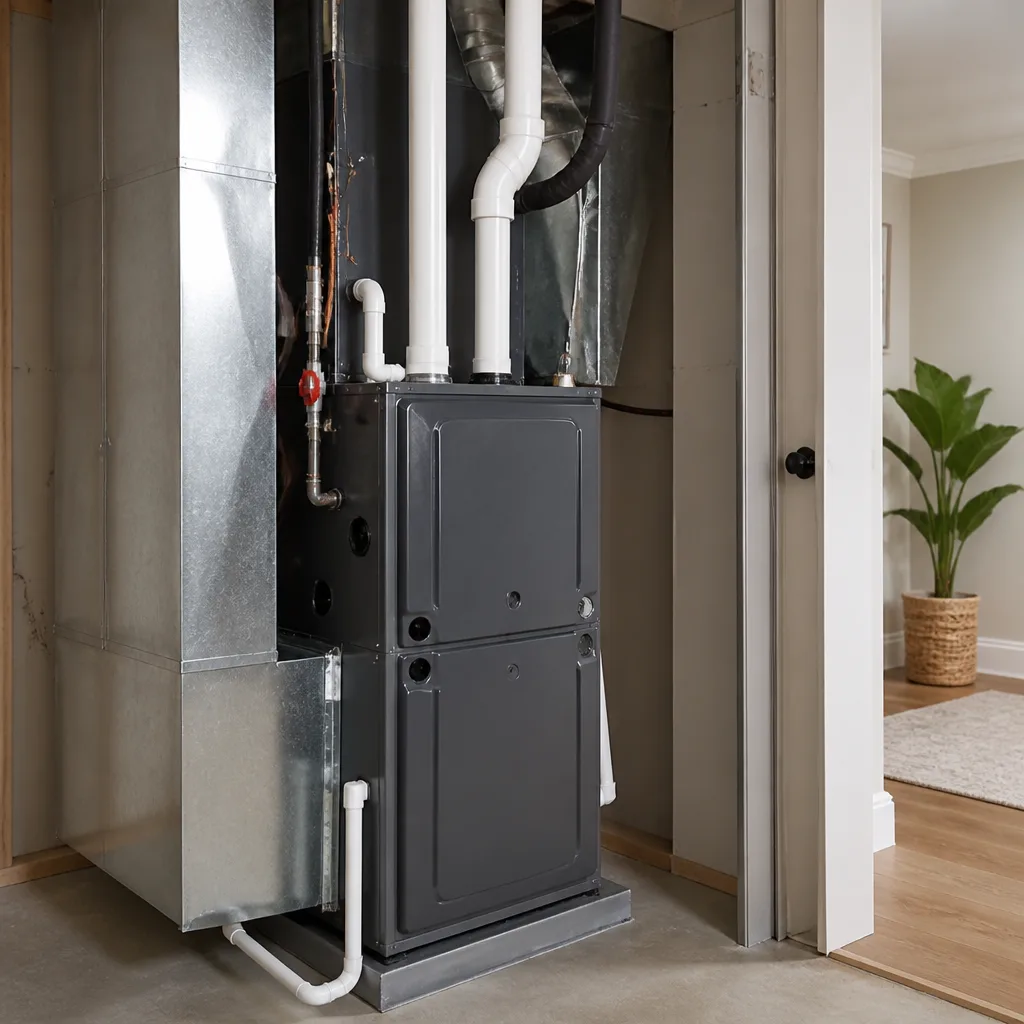
 Furnace & heating
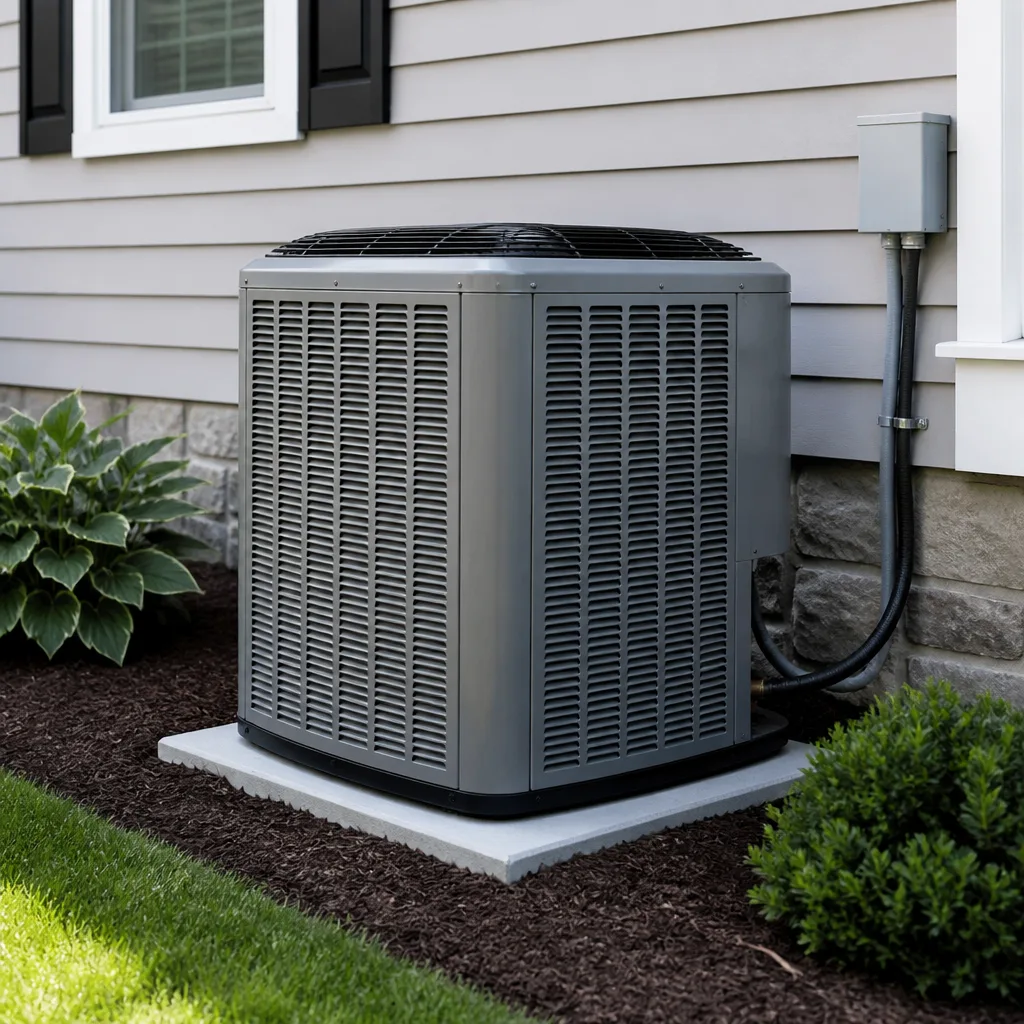 AC repair
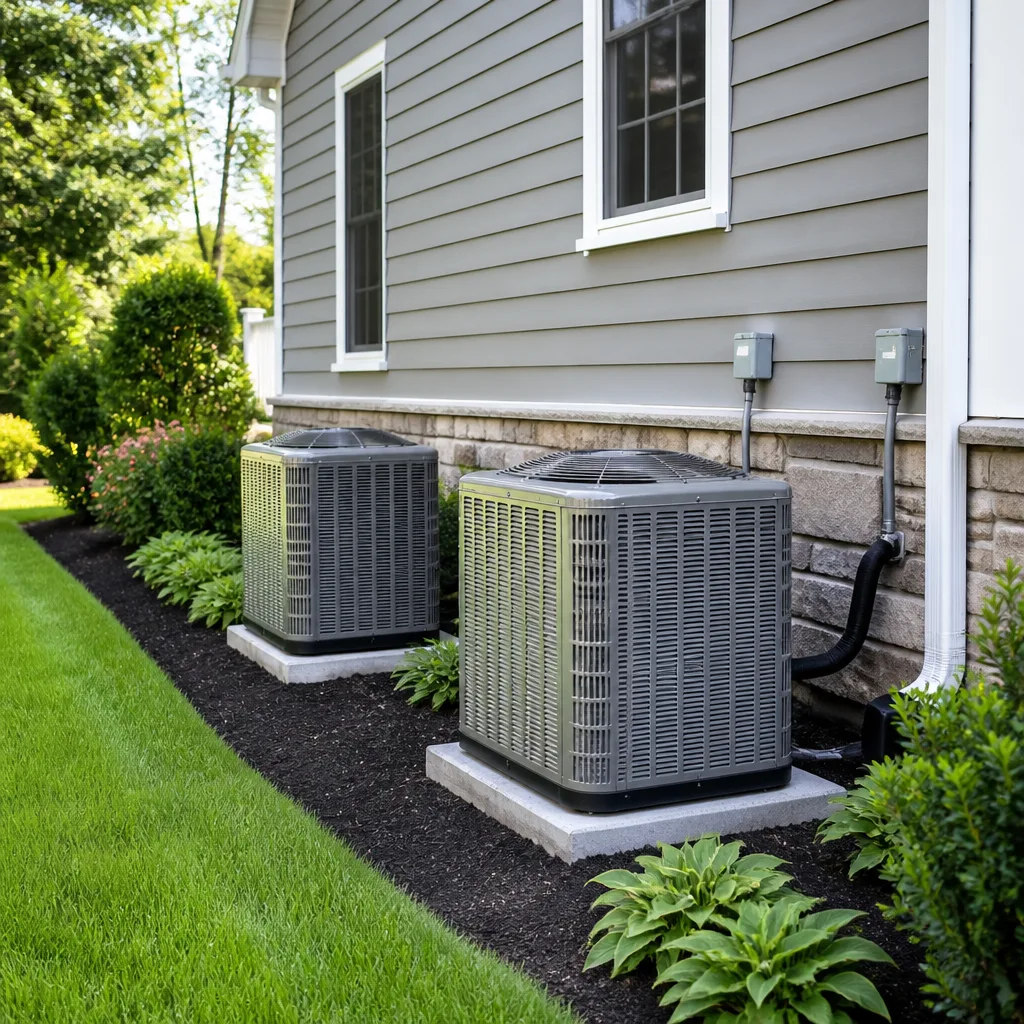 Heat pumps
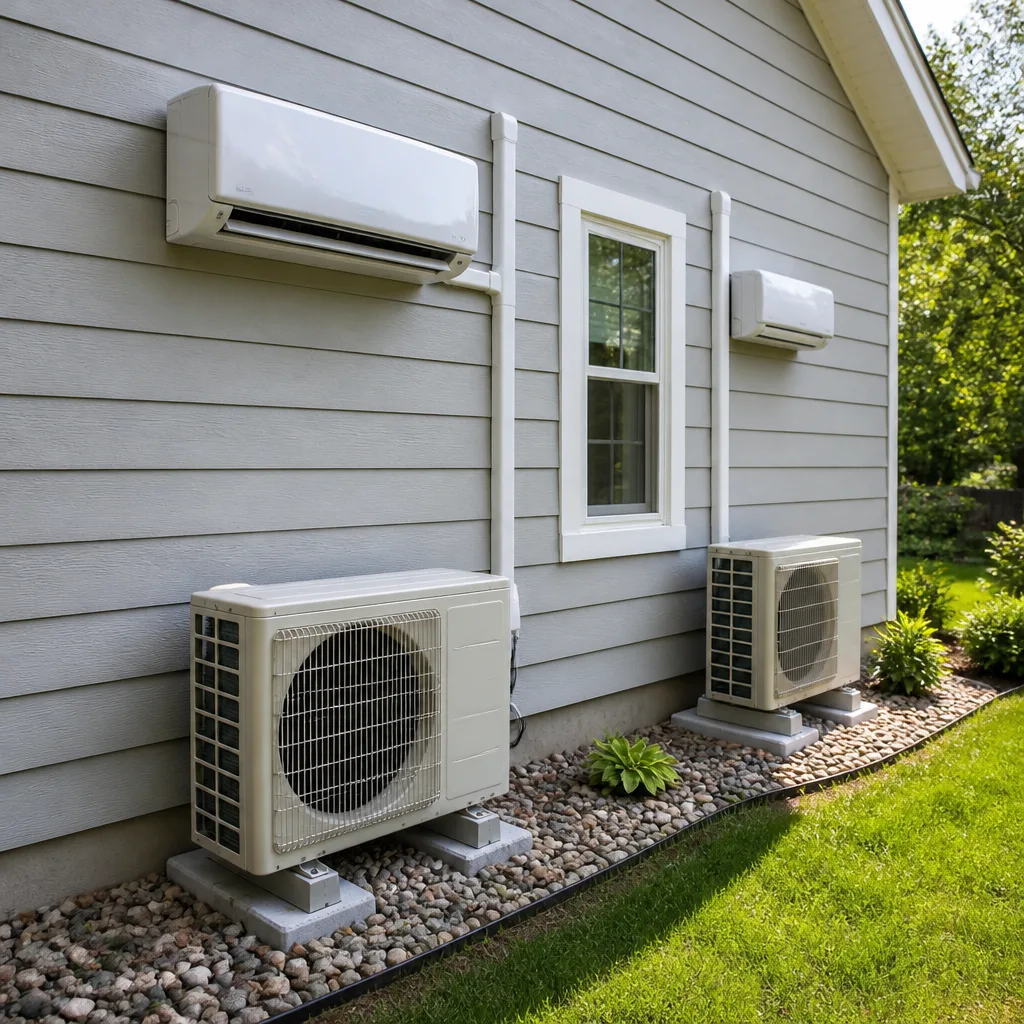 Ductless mini splits
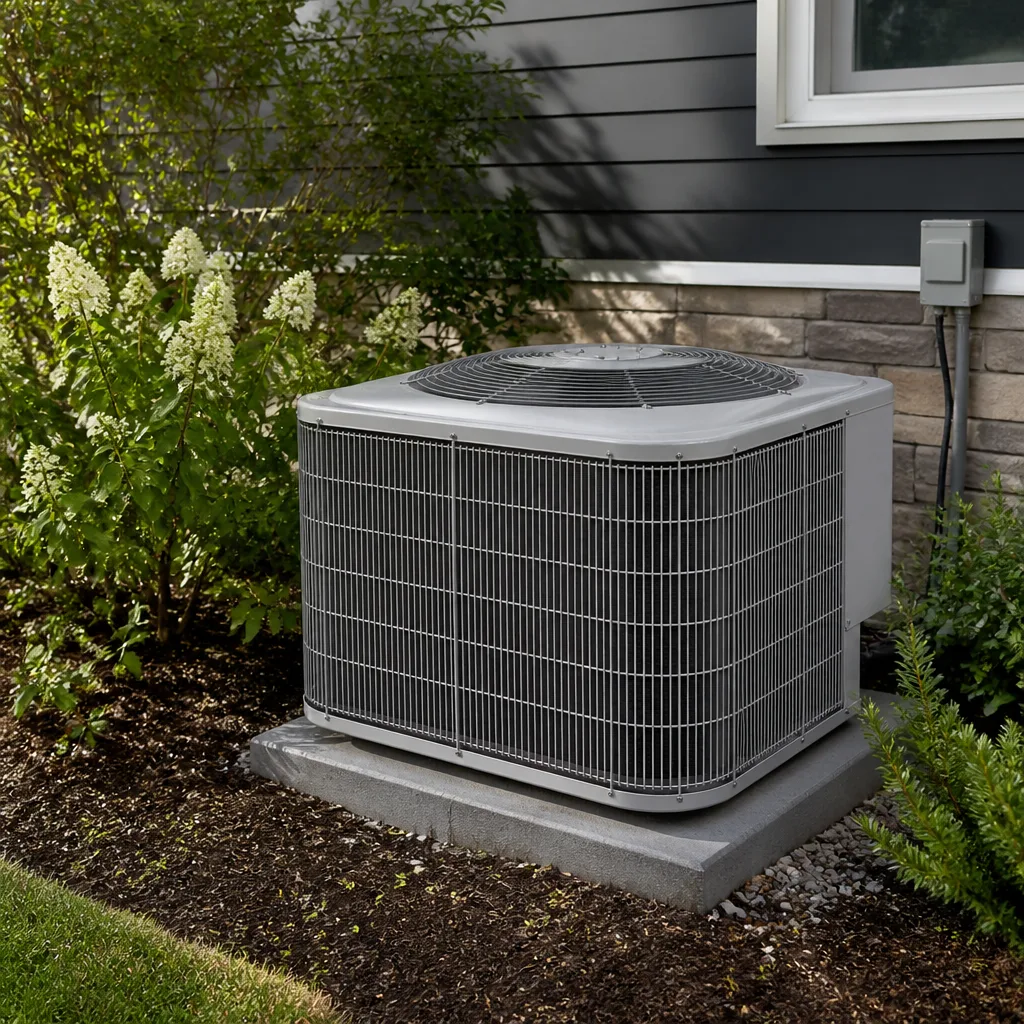 Carrier
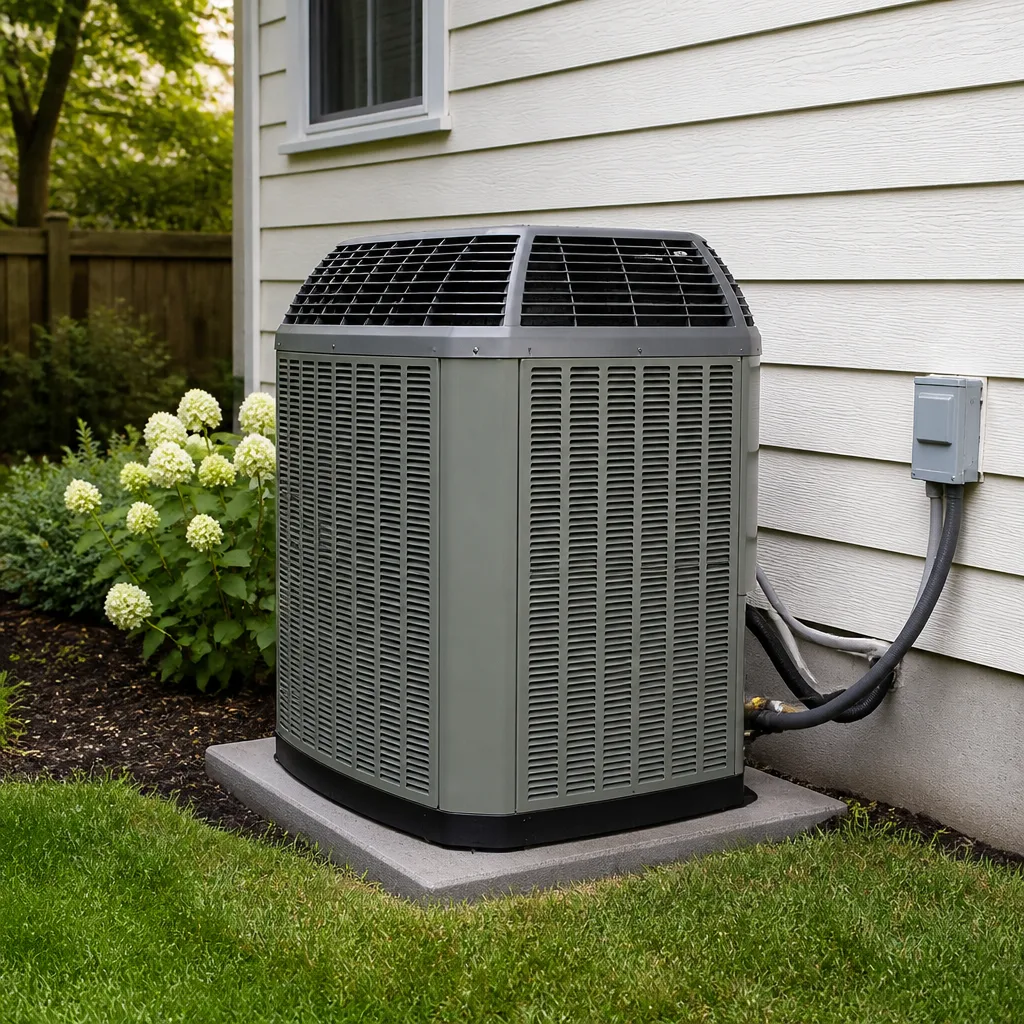 Trane
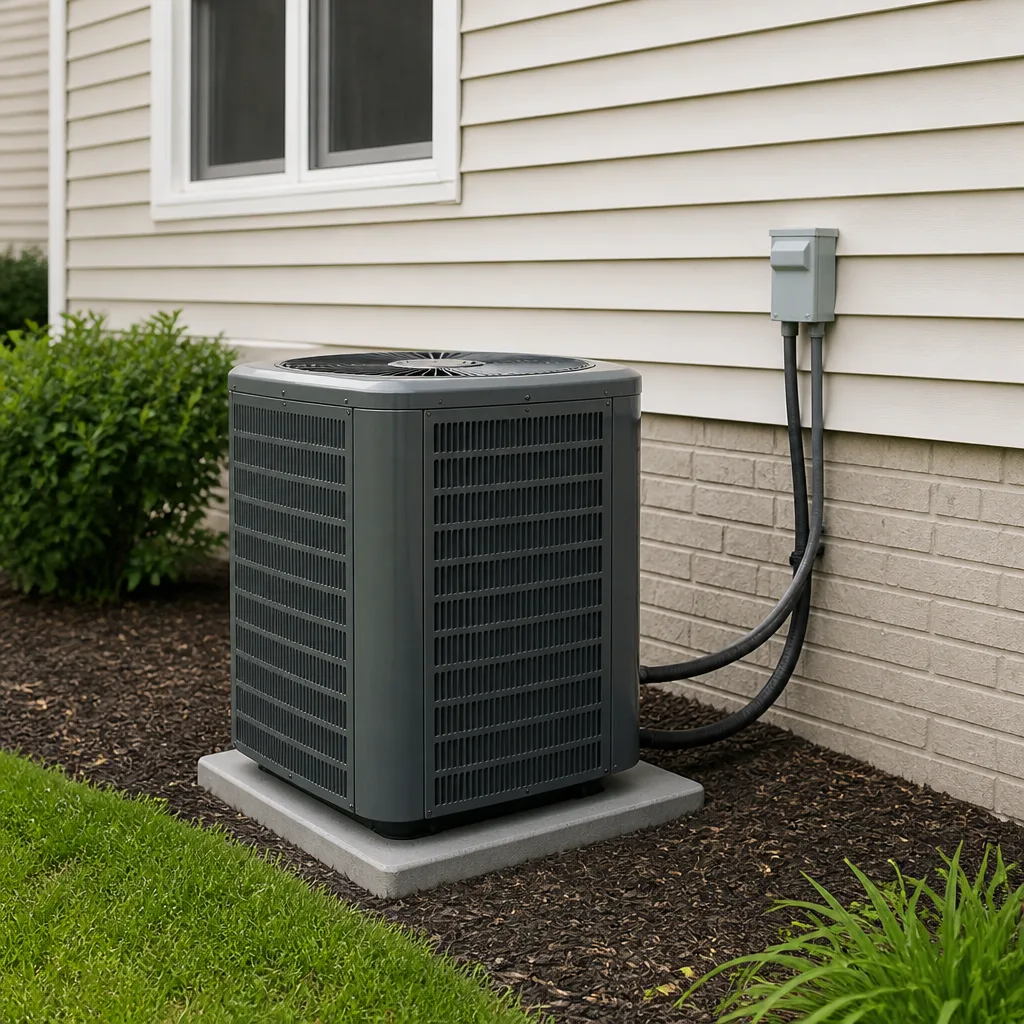 Goodman
Seasonal tune-up and full diagnostic on your Carrier, Trane, or Goodman system - readings shown to you before any repair is proposed
Diagnosis first, numbers second - you approve the repair price before a single part goes in.
Get your free estimateStyles & brands we work with
- AC repair
- Furnace & heating
- Heat pumps
- Ductless mini splits
- Carrier
- Trane
- Goodman
See the difference
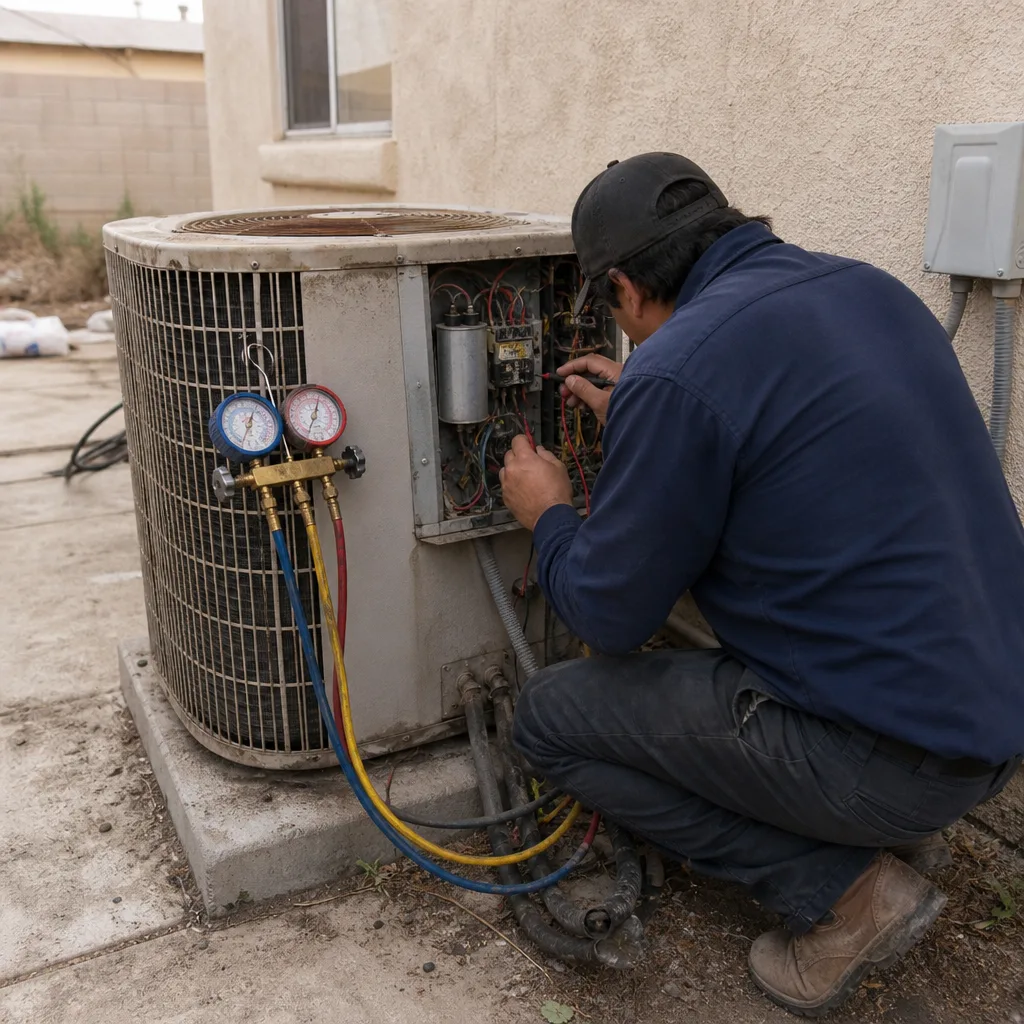 Before
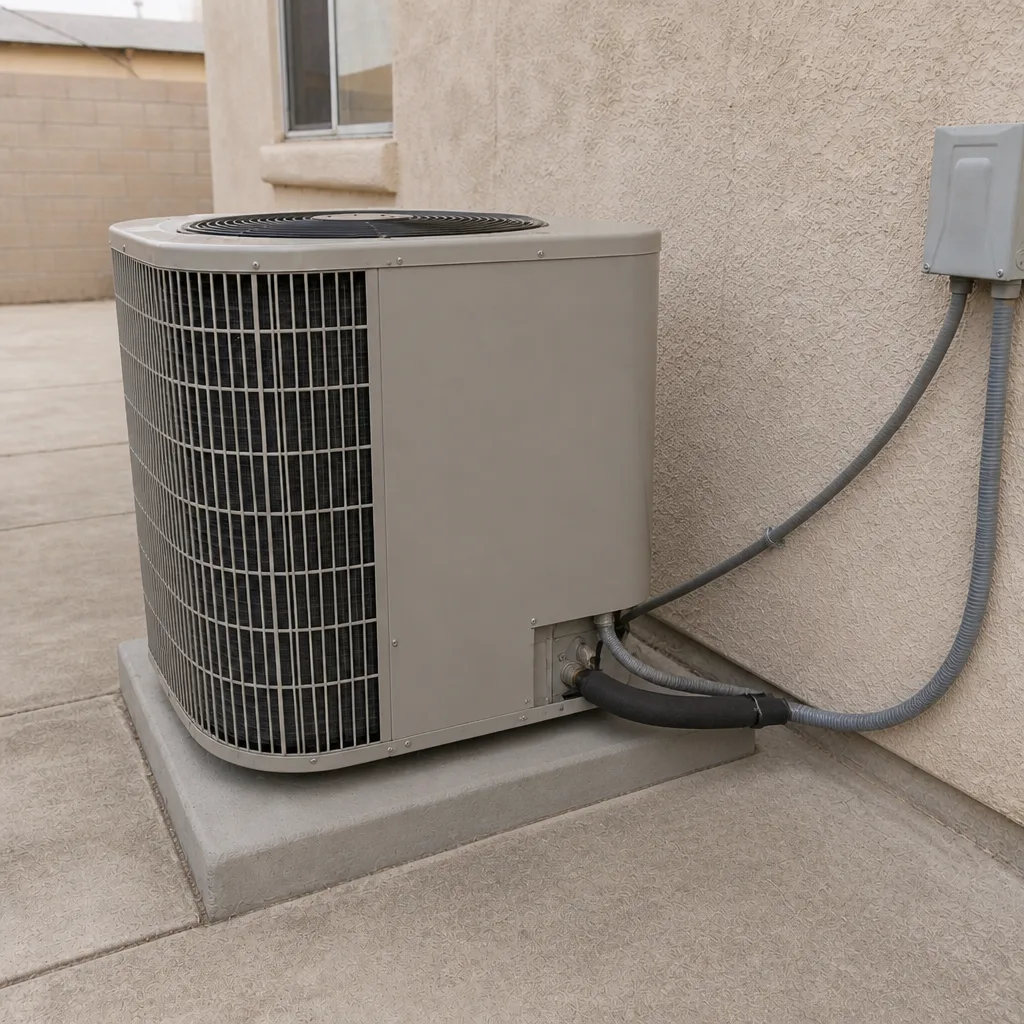 After
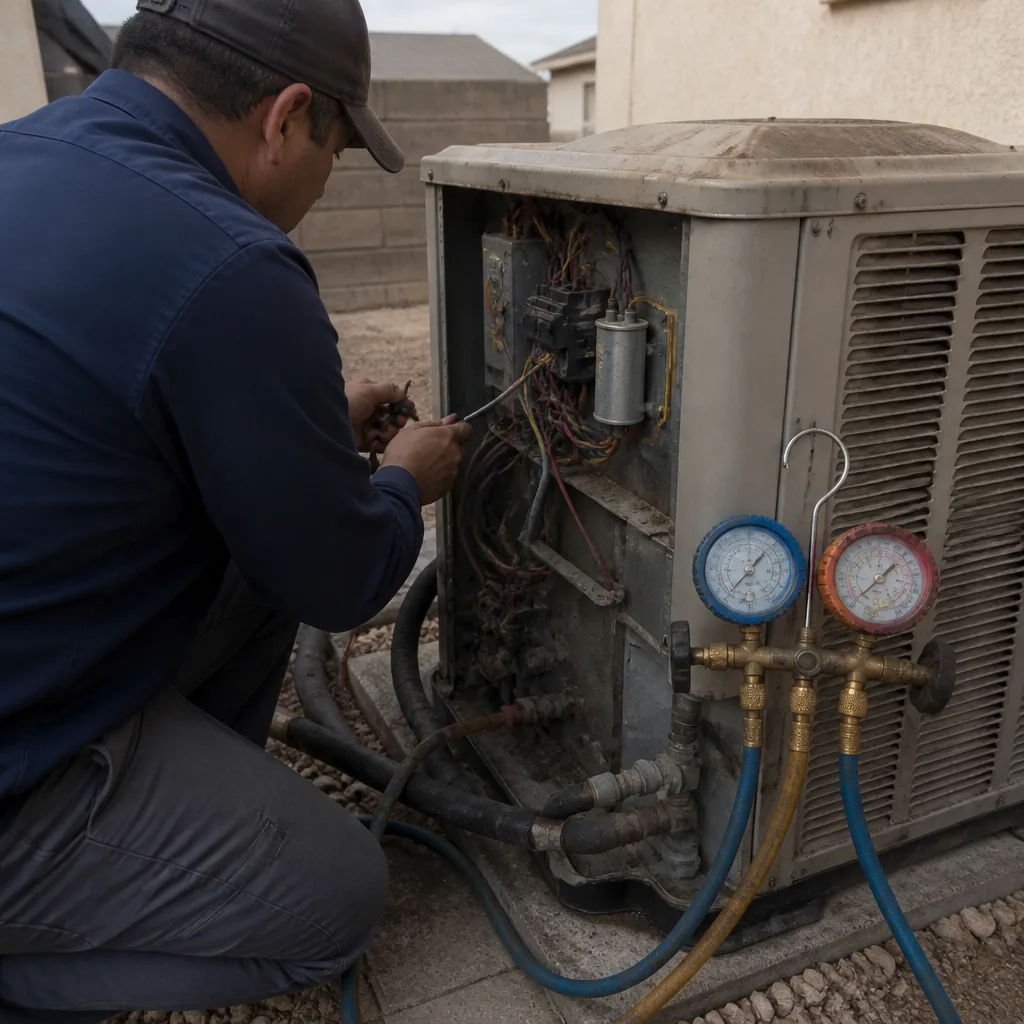 Before
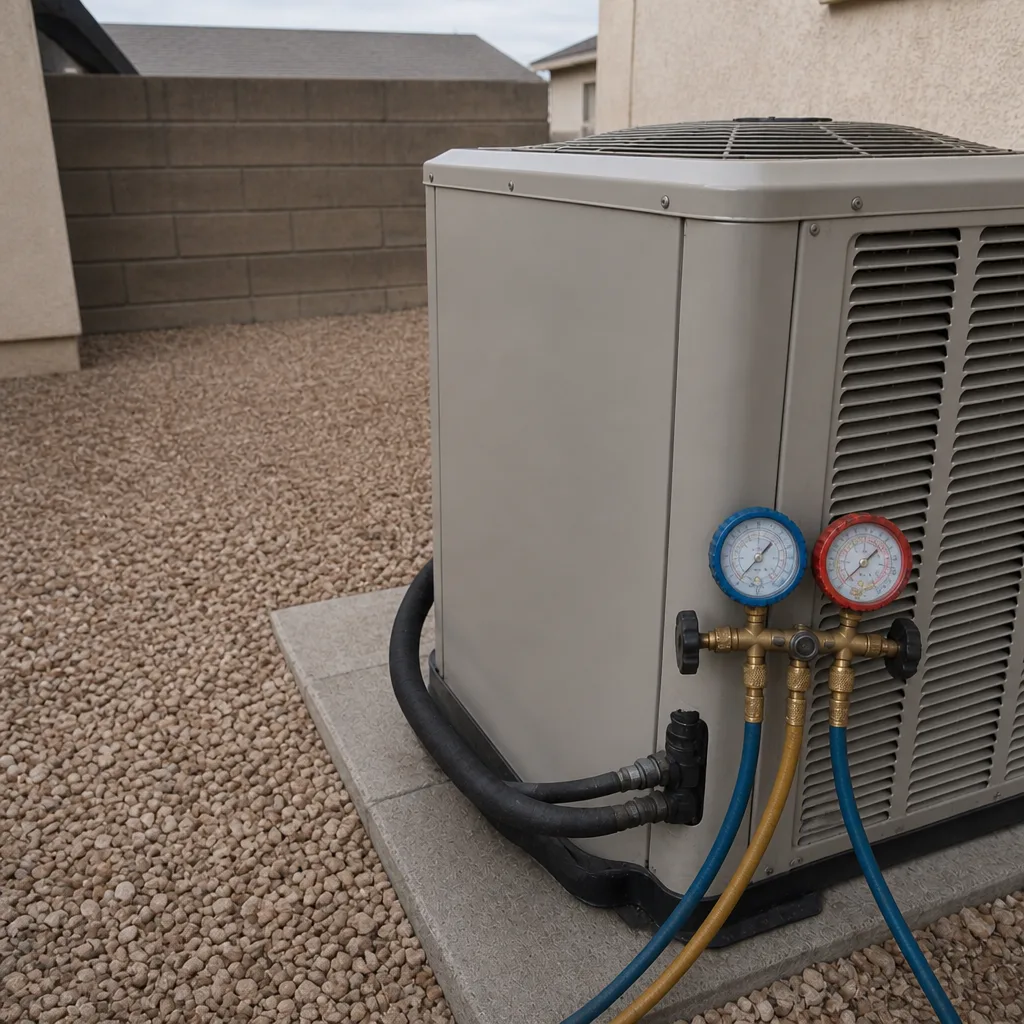 After
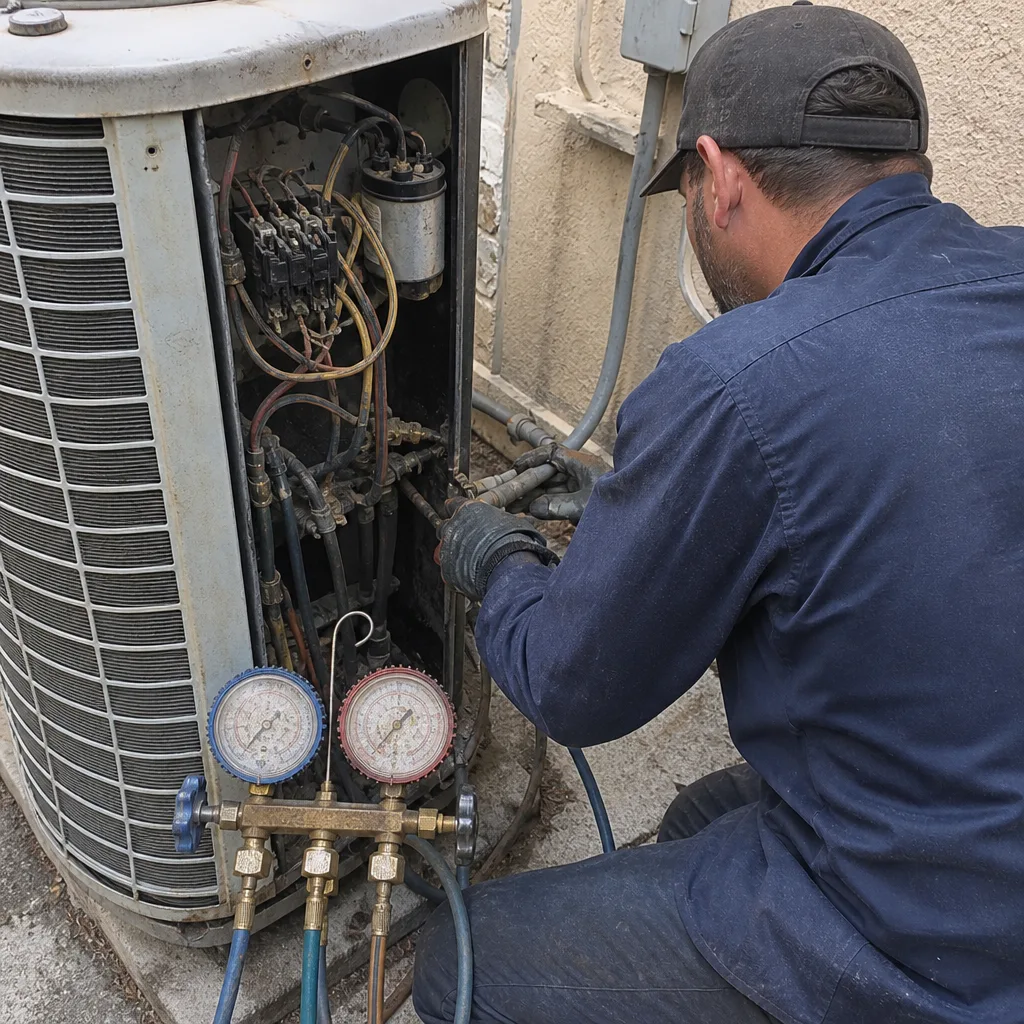 Before
 After
Best HVAC System for a Cold Climate? In North Las Vegas, the Answer Is Not What You’d Expect
Choose a standard cold-climate-rated heat pump unless you’ve moved here from Minnesota or Ohio and are convinced you need the arctic package – in which case, don’t. For North Las Vegas, a conventional heat pump with well-sealed ductwork handles our winters without auxiliary strip heat, and the “cold climate” unit specs that sound essential at the showroom are mostly unnecessary here. Our short answer: get the right-sized system with a solid furnace backup, not the biggest one. Call (844) 761-6871 and we’ll tell you what your house actually needs.
Why North Las Vegas Isn’t a Cold Climate (and Why That Matters)
North Las Vegas sits in the high desert, and the ASHRAE 99% heating design temperature here runs about 28°F. That’s the number engineers use to size heating equipment – the temperature the system should handle on the coldest realistic night of the year. Twenty-eight degrees is well above the balance point of any modern heat pump, including standard models that aren’t marketed as “cold climate” units.
What that means in plain terms: a cold-climate heat pump rated to -13°F is overkill for North Las Vegas. You’d pay a premium for low-ambient performance you’ll almost never call on. Meanwhile, the mechanical room needs the money spent elsewhere – on duct sealing, on a correctly sized system, on a furnace that isn’t coughing up carbon monoxide.
We handle calls in North Las Vegas where a homeowner was quoted a cold-climate unit because the salesperson heard “Nevada winter” and assumed the worst. Some of those quotes were thousands above what the house actually needed. We’re not against cold-climate equipment; we’re against paying for it when the design temperature doesn’t require it.
The Rare Hard-Freeze Scenario, Told Honestly
North Las Vegas does see sub-28°F nights – a handful per decade, not per year. The December 2013 freeze and the February 2021 event both pushed overnight lows into the teens in parts of the valley. So the question isn’t whether your system will ever face a hard freeze. It’s whether your system needs a special cold-climate rating to survive one.
For most North Las Vegas homes, it doesn’t. Here’s why. Most of this city’s housing stock is stucco, slab-on-grade, tile-roof construction from the 1990s and 2000s production boom. That mass holds heat far better than the wood-frame houses you’d find in Ohio or Minnesota. A standard heat pump with well-sealed ductwork and a programmable setback, set to recover gradually rather than jump 10 degrees at 6 a.m., will carry a North Las Vegas house through a hard freeze without leaning on auxiliary strip heat.
Where it goes wrong: homes with leaking ducts, undersized returns, or a heat pump fighting a furnace that was sized for a house 20 years younger. That’s not a cold-climate problem. That’s an installation and envelope problem.
The Relocation Trap: Why “Oversize It Just in Case” Backfires Here
We hear it constantly. A homeowner relocates from Illinois or Michigan, and during the estimate they tell the contractor to add capacity “just in case.” It sounds prudent. In North Las Vegas, it’s a mistake.
An oversized system short-cycles on the mild spring and fall days that make up most of our shoulder season. Short cycling wears contactors and capacitors faster, and it delivers uneven humidity removal in the summer, when a correctly sized unit runs long enough to actually pull moisture out of the air. You also pay more upfront for a system that will likely fail sooner than the smaller one it replaced.
What we do instead: run the load calculation, look at the existing duct design, and size to the house as it is today. Our technicians have up to 24 years of experience, and the ones who’ve been doing this longest are the most conservative about oversizing – because they’ve been the ones replacing the oversized units eight years later.
Common Local Scenarios We See in North Las Vegas
Here’s what actually comes up on heating calls in this city, broken down by the kind of house and the kind of winter issue:
- 2000s production-builder tract homes (north and west subdivisions): Original builder-grade split systems now hitting 15-20 years old. The furnace usually has an 80% AFUE rating from the era, and the heat exchanger is the thing to check. We’ve found cracked exchangers on these units more than any other failure in North Las Vegas.
- Older smaller homes near downtown: Sometimes still running a package unit or a furnace with original ductwork. Undersized returns and disconnected flex runs are common. Heating works, but it works unevenly.
- Newer master-planned subdivisions: Better ductwork, properly sized equipment, but often a heat pump with no supplemental furnace and a homeowner from a cold state who wants to add one. Usually they don’t need it – what they need is weatherstripping on the doors and ceiling penetrations sealed.
- Dust-corridor homes along the open desert north of the city: Spring winds pack silt into outdoor coils, and it shows up as high-head-pressure trips on the first warm day. That’s a different page – see our home for our AC service overview and coil-cleaning options.
What Actually Fails in a North Las Vegas Winter
Not heating capacity. Not the balance point. What fails here is the aging builder-grade furnace that has run for 20 years with inconsistent filter changes, in a highly sealed stucco house where a cracked heat exchanger becomes a carbon monoxide risk rather than just an efficiency loss.
That’s why we check heat exchanger integrity on every heating tune-up, not just when there’s a complaint. It’s a quick visual inspection plus a combustion analysis when we have reason to look closer. If the exchanger is compromised, we recommend shutdown and replacement – no patch kits, no “run it through the winter and see how it goes.”
For a full walkthrough of the service itself, see our Heating & Furnace in North Las Vegas page. For a broader look at our heating work across the valley, visit Heating & Furnace.
How we screen a home’s heating system, in order
- Combustion and heat exchanger inspection. Visual first, then CO readings at the flue if anything looks off.
- Airflow and static pressure. A furnace can’t be sized right without it, and undersized returns show up here.
- Duct leakage walkthrough. We check attic runs, disconnected flex, and ceiling boots – the spots that fail first in 2000s tract homes.
- Load calculation for replacement quotes. Room-by-room, not a rule of thumb based on square footage.
- Equipment recommendation. Standard heat pump, gas furnace, or hybrid, based on the numbers – not on what’s easiest to sell.
Comparison: What We’d Actually Recommend for a North Las Vegas Home
| System type | Best fit for | Typical install range |
|---|---|---|
| Standard split heat pump | Most North Las Vegas tract and newer subdivision homes | $3,500-$7,500 |
| Gas furnace + standard AC | Existing gas infrastructure, older homes near downtown | $3,500-$7,500 |
| Hybrid (heat pump + gas furnace backup) | Homeowners who genuinely want a dual-fuel belt-and-suspenders setup | Upper end of install range |
| Cold-climate-rated heat pump | Almost nobody in North Las Vegas | Premium over standard |
Repair pricing for context: heating repairs in North Las Vegas typically run $150-$700, AC repairs run $150-$650, tune-ups are $80-$200, and full system replacements run $3,500-$7,500. We’re working from the same market as everyone else, and you’ll see the readings and the numbers before any work begins.
Equipment brands we install and service include Lennox, Goodman, Rheem, and York, plus the other major names. We don’t steer you toward one brand for a sales bonus – different houses genuinely suit different equipment, and we’ll explain why we’re recommending what we’re recommending.
Why a Transplant Homeowner Should Care About the Name on the Truck
If you just moved here from Ohio, you don’t have a friend’s cousin who’s an HVAC guy, and you haven’t heard which names in North Las Vegas are good and which ones call you back with a different price at the door. That’s a real problem, and it’s not solved by reading reviews alone.
What solves it: a company that publishes its license number and its address, that answers the phone with a live person, and that puts a written guarantee behind the work. Ray’s Heating & Air North Las Vegas has been locally owned and owner-operated since 2002, with a 90-Day Done Right Promise stamped on every heating and cooling job – if it’s not done right, one call brings us back. You can look up the license. You can drive by the address. That’s not a marketing line; that’s how you verify a contractor in a city you just moved to.
FAQs
Usually no. North Las Vegas heating design temperatures run near 28°F, which is well within the operating range of standard heat pumps, so a cold-climate-rated unit costs a premium for performance you’d rarely need. The exception is if you’re buying a house with unusual exposure or very poor envelope – call (844) 761-6871 and we’ll run the load calc before you decide.
Yes, for most stucco-on-slab tract and subdivision homes with sealed ductwork. Standard heat pumps carry the load down to well below the temperatures North Las Vegas sees in a typical winter, and the handful of sub-28°F nights a decade are covered by the system’s standard defrost cycle and emergency heat if it’s ever needed – not by upgrading to cold-climate equipment.
Usually because a homeowner asked them to, out of cold-state instinct. An oversized system short-cycles on mild days, wears contactors and capacitors faster, and delivers worse humidity removal in summer. We size to the actual load calculation, and we’ll show you the numbers before recommending equipment.
The most common failure we find is a cracked heat exchanger on aging builder-grade 80% furnaces, especially in the 2000s tract homes where the equipment is now 15-20 years old. In a tightly sealed stucco house, that’s a carbon monoxide risk, not just an efficiency issue, and we check for it on every tune-up. If you’ve noticed a headache that follows the furnace, stop running it and call (844) 761-6871.
Ready to Talk About Your Specific House?
If you’d rather have it looked at, Ray’s Heating & Air North Las Vegas offers a no-pressure assessment in North Las Vegas – call (844) 761-6871. Free second opinion on any written estimate, no trip charge inside the county, and a $40 credit on any repair over $200.
Written by the team at Ray’s Heating & Air North Las Vegas, serving North Las Vegas, NV.