
Last updated November 17, 2026
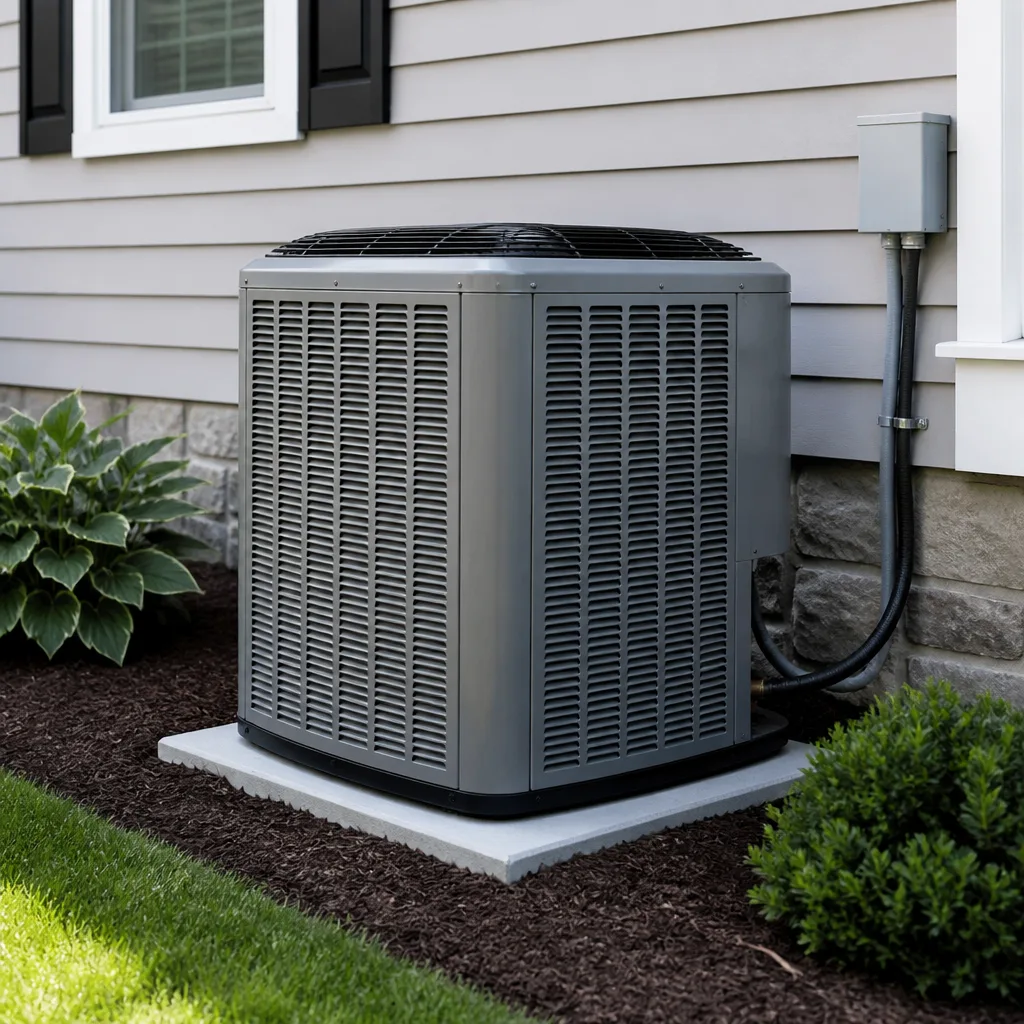 AC repair
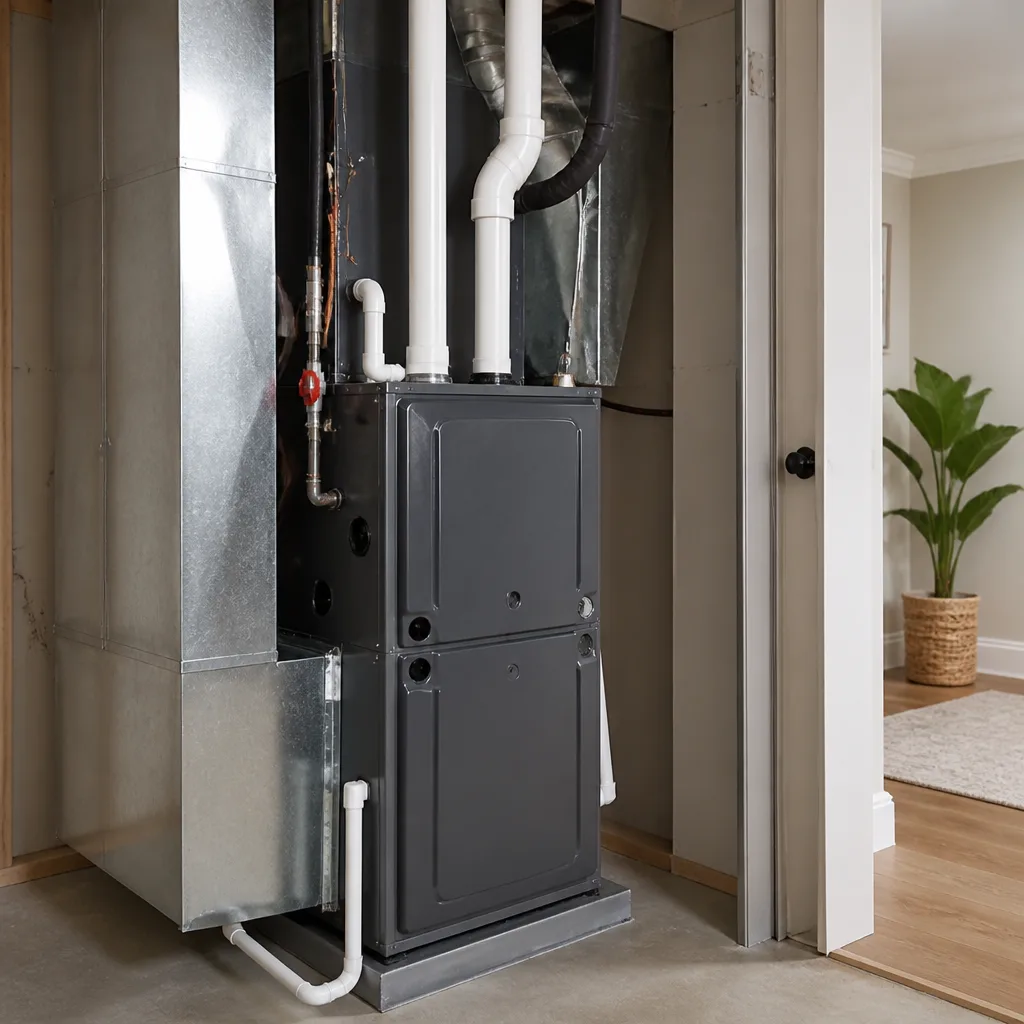 Furnace & heating
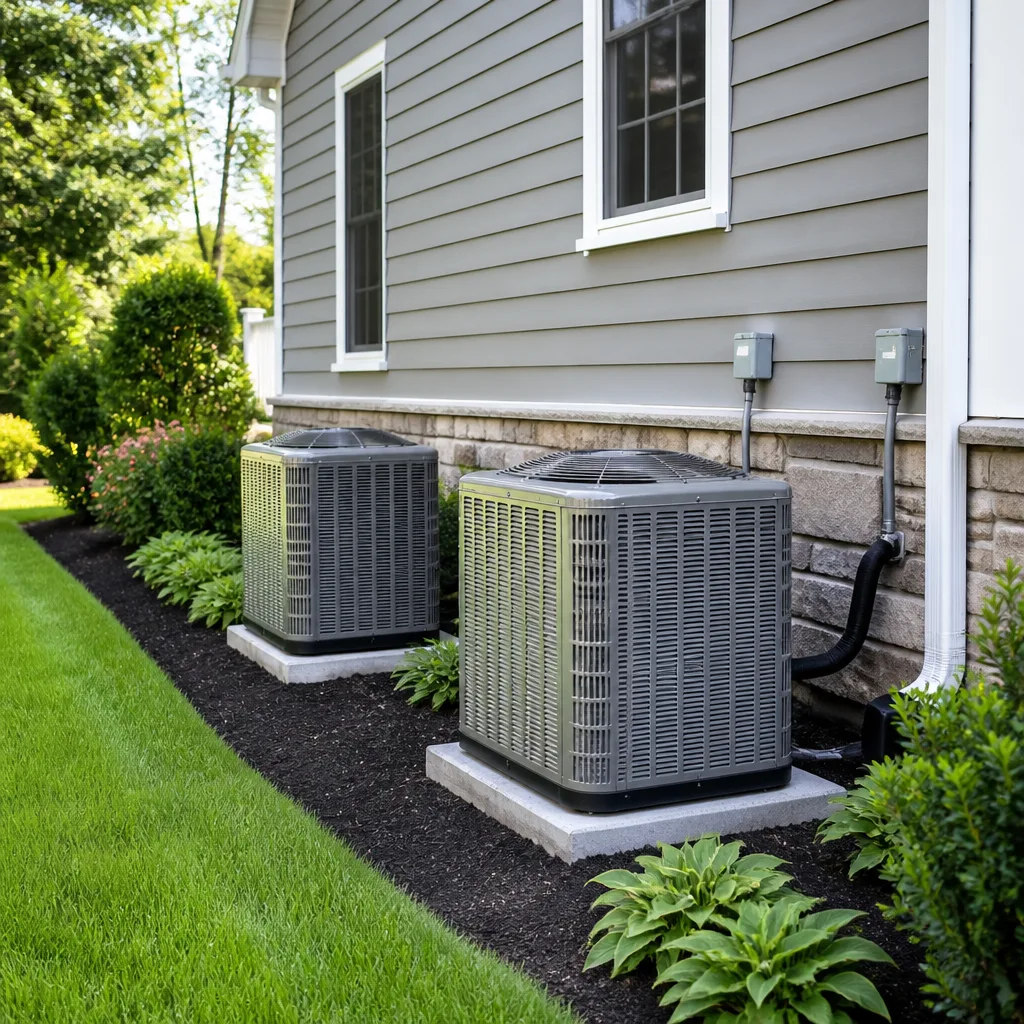 Heat pumps
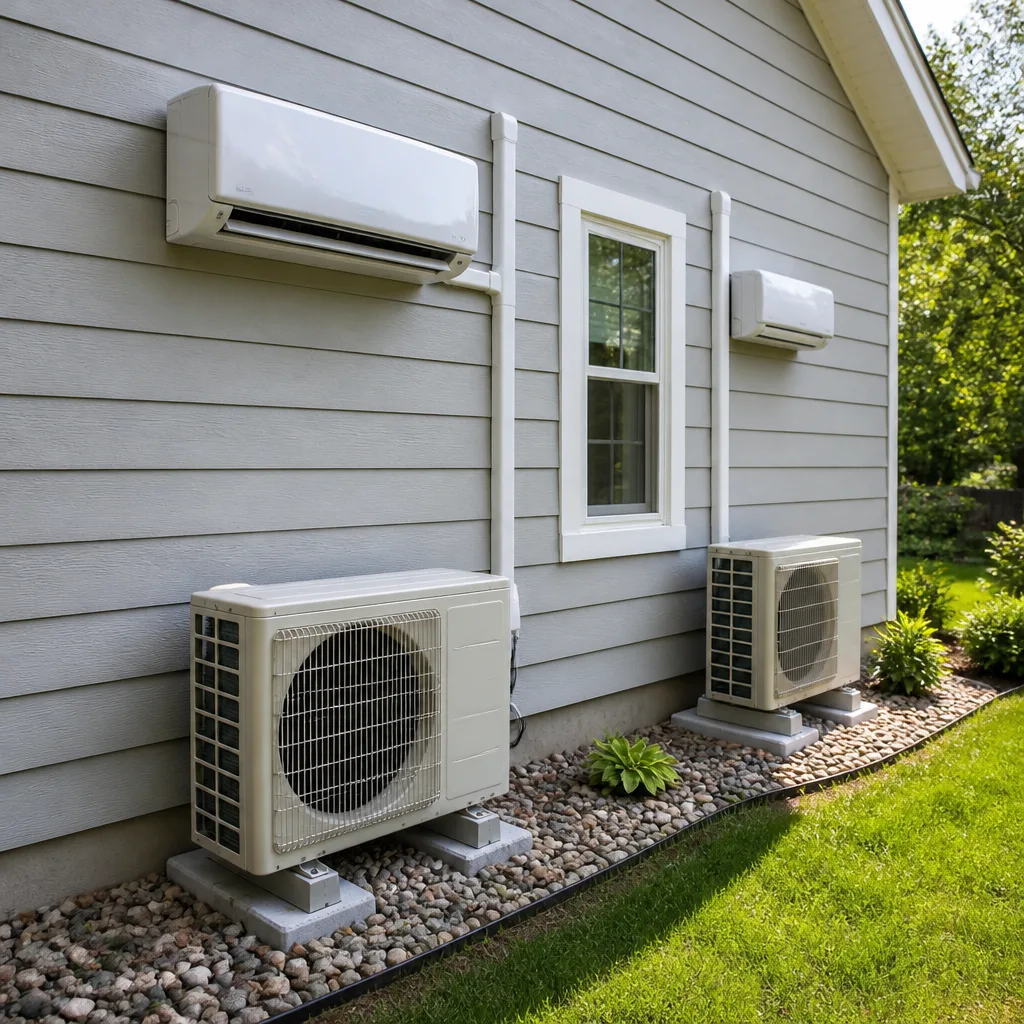 Ductless mini splits
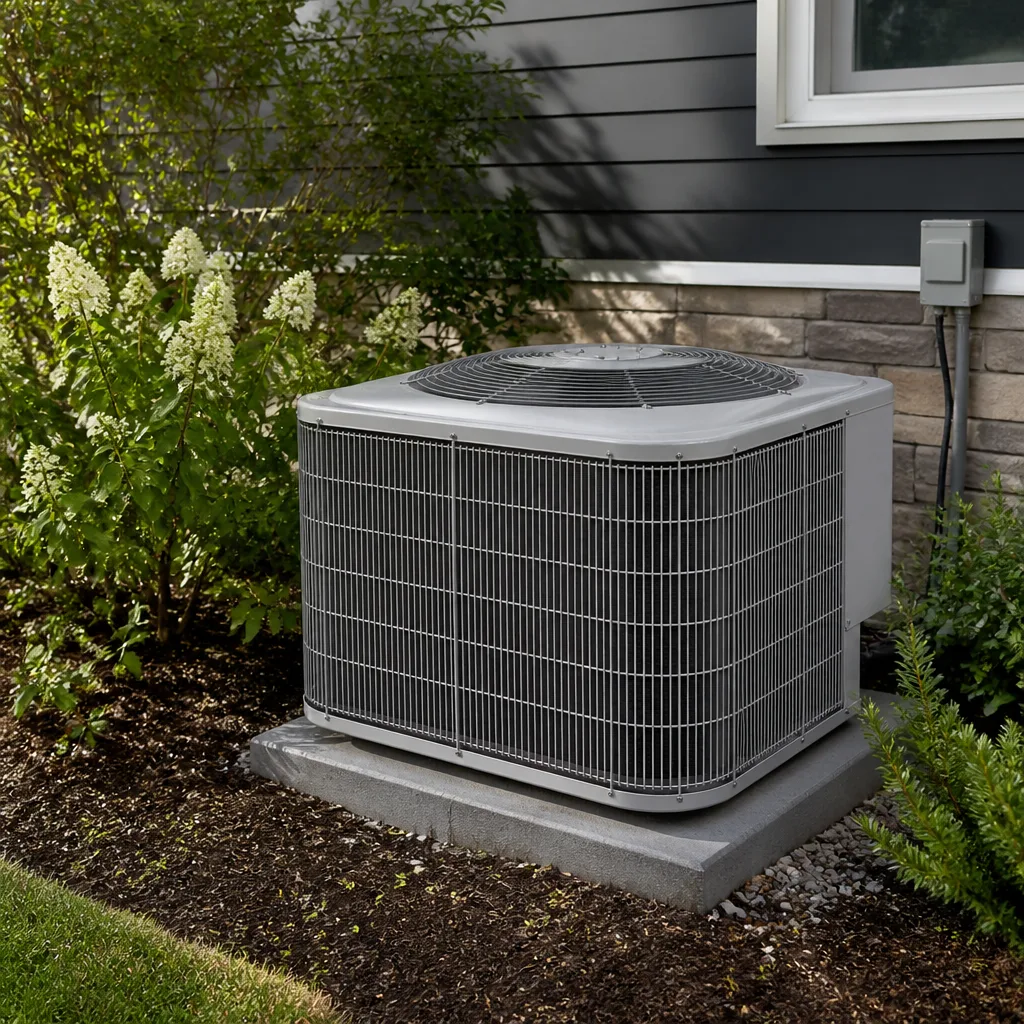 Carrier
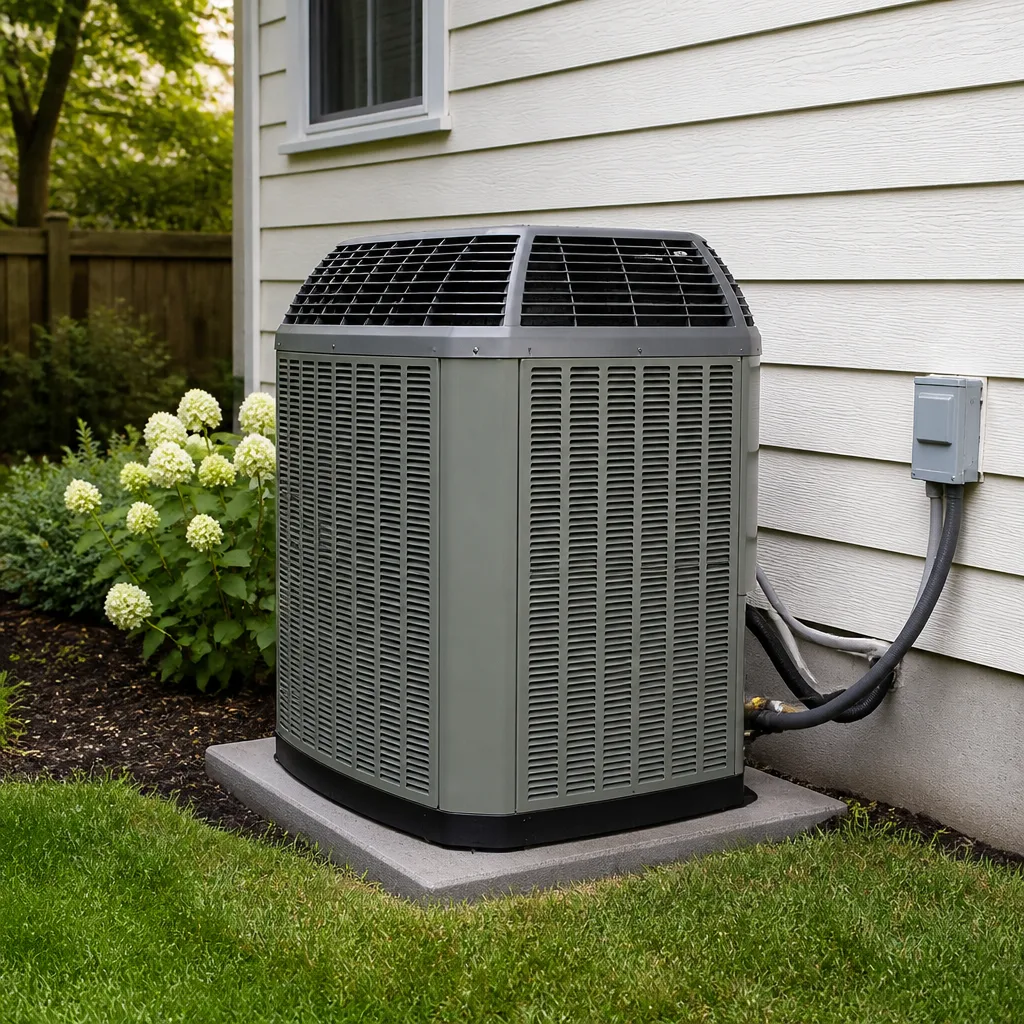 Trane
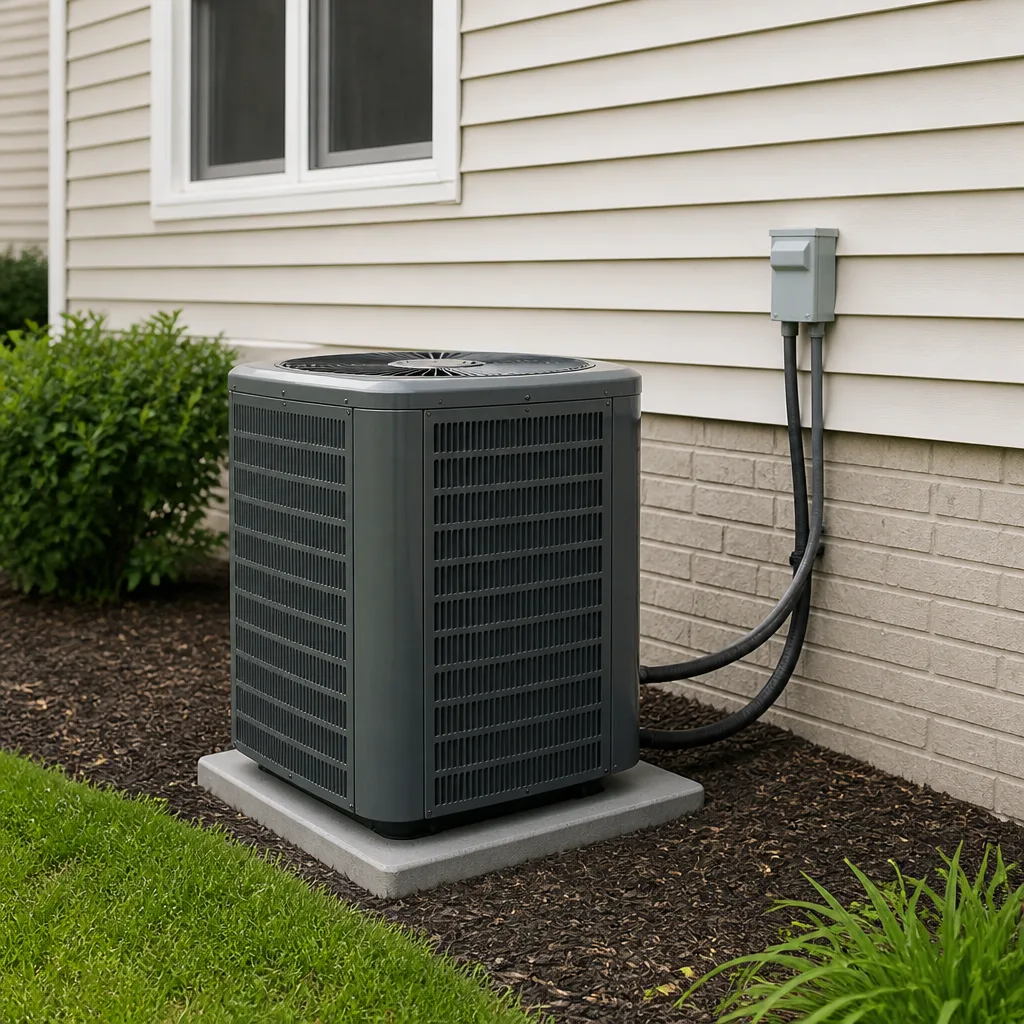 Goodman
Seasonal tune-up and full diagnostic on your Carrier, Trane, or Goodman system - readings shown to you before any repair is proposed
Diagnosis first, numbers second - you approve the repair price before a single part goes in.
Get your free estimateSeasonal HVAC Care for North Las Vegas: Year-Round Homeowner’s Guide
February is the least glamorous month on a North Las Vegas calendar. No pool days, no holiday lights, just gray skies and a light jacket. Which is exactly why it’s the best month of the year to get a furnace tune-up, a duct inspection, and a pre-season capacitor check. Every HVAC company in town is slow, prices are negotiable, and you’ve got four months before you actually need any of it to work. This guide lays out the four seasons that actually matter for a North Las Vegas home, what to check in each one, and how to know which “urgent” repairs are real.
Quick Answer
North Las Vegas HVAC care isn’t a standard spring-summer-fall-winter routine. The useful calendar here runs on four windows: Pre-Blast (April) for the checks that prevent June breakdowns, Blast (June through September) for filter changes and refrigerant monitoring, Shoulder (October and November) for catching problems that hide in mild weather, and the Cold Snap Window (December through February) for furnace and heating upkeep. Doing the right one or two tasks in each window beats any big annual “full service” package sold to you in a national flyer.
Styles & brands we work with
- AC repair
- Furnace & heating
- Heat pumps
- Ductless mini splits
- Carrier
- Trane
- Goodman
Table of Contents
- Why a Las Vegas HVAC Calendar Isn’t a National One
- Pre-Blast Season (April): The Checks Worth Paying For
- Blast Season (June – September): What Actually Fails
- Shoulder Season (October – November): The Hidden Leak Window
- Cold Snap Window (December – February): The Cheapest Month to Prep
- What “Winterizing” Actually Means Here
- Building a Two-Year Maintenance Log
- Common Mistakes to Avoid
- When to Call a Professional
- Frequently Asked Questions
Why a Las Vegas HVAC Calendar Isn’t a National One
If you pull up a seasonal HVAC checklist from a national chain, you’ll see advice about “fall furnace prep” for freezing pipes, “spring AC startup” after a long cold season, and “humidistat adjustment” for summer. None of that maps onto North Las Vegas. Our winters rarely dip below freezing for long stretches. Our summers hit 110°F-plus and stay there for weeks. And the shoulder seasons, the weeks when the system runs less, are when the sneaky stuff hides.
Here’s what the actual calendar looks like for North Las Vegas homeowners:
- Pre-Blast (April): Last cool mornings, first 90°F afternoons. System gets its first real workout in months. Failures start showing up here.
- Blast (June through September): Continuous operation, high bills, high strain. The season where neglect becomes a service call.
- Shoulder (October and November): System runs a fraction of the hours. Anything “seemingly fine” gets ignored.
- Cold Snap Window (December through February): Furnace or heat pump comes on for the first time in months. Failures cluster in the first two cold nights.
We’ve seen this pattern hold across North Las Vegas neighborhoods, from the newer builds out toward the Aliante and Tule Springs areas, where homes are tighter and take longer to cool, to older mid-century houses closer to the downtown corridor, where ducts have had decades to lose their seals. Same four windows. Same pattern. The specifics just shift house to house.
For a closer look at the repair side, the AC Repair & Installation in North Las Vegas page covers what we actually run into during Blast season.
Pre-Blast Season (April): The Checks Worth Paying For
April is the month when you can catch 80% of June breakdowns before they happen, at a price that reflects the fact that nobody else in town is calling an HVAC company. Here’s the split: what’s genuinely worth paying for in April, and what’s a real service that just doesn’t need to be done right now.
Worth paying for in April:
- Capacitor test. The capacitor is a $15 to $40 part that kills more compressors in North Las Vegas than anything else. A technician can test it with a meter in under five minutes. If it reads weak or out of spec, replace it now, not on a 108°F Saturday in July when the going rate for the same capacitor is triple.
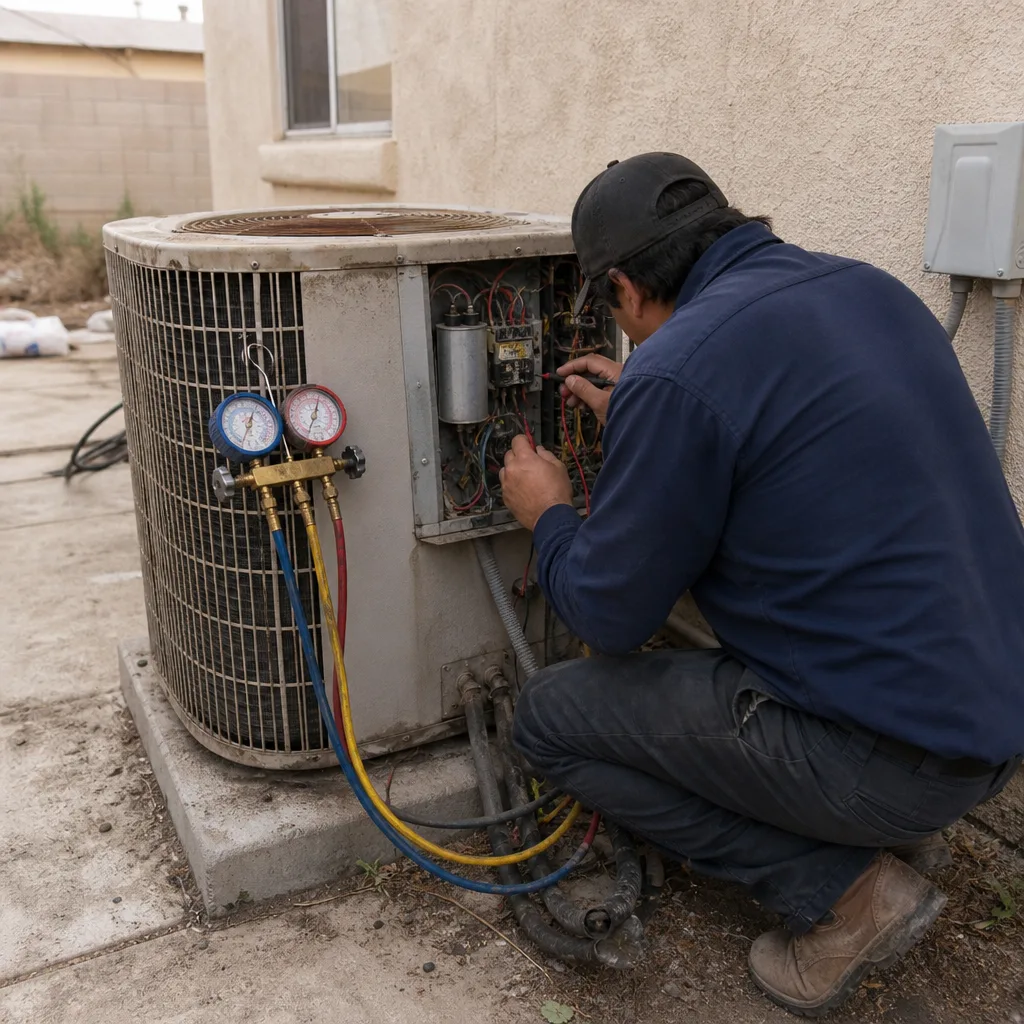
- Refrigerant pressure check with a superheat and subcool reading. A pressure-only check tells you almost nothing. Superheat and subcool numbers tell you what the system is doing when it’s actually working. Get those on paper.
- Condenser coil rinse. Spring winds in North Las Vegas carry dust and cottonwood fluff. A dirty condenser coil runs hot, pulls more amps, and shortens compressor life. Cleaning it in April is a 20-minute job. Doing it in August is a 40-minute job with a bigger bill attached.
- Duct seal inspection. Particularly on concrete-slab or attic-run ductwork in older North Las Vegas homes. April is the last month you want a technician in your attic, so get it done while it’s still 85°F up there instead of 140°F.
Real services that don’t have to be done in April:
Full duct cleaning every year, before you actually need it, is one of those upsells that sounds good but rarely matters. Same with yearly UV lamp replacements on systems that have them. Same with “coil sanitizing” that doesn’t involve a measurable pressure improvement. Any of these can wait. What can’t wait is anything that shows a bad reading on a meter.
Readings first, numbers second. You’ll see both before any work begins on our jobs. That’s the standard we hold ourselves to on any Heating & Furnace in North Las Vegas visit, and it’s the same standard on cooling calls.
Blast Season (June – September): What Actually Fails
Once we’re into Blast, the job shifts from prevention to monitoring. Systems that were fine in April will start to fail on the first triple-digit week. The tasks that matter most:
- Filter changes every 30 to 60 days. Not every three months like the filter box tells you. In North Las Vegas, dust load is heavy. A clogged filter iced the coil on more Goodman and Rheem systems last summer than any other single cause.
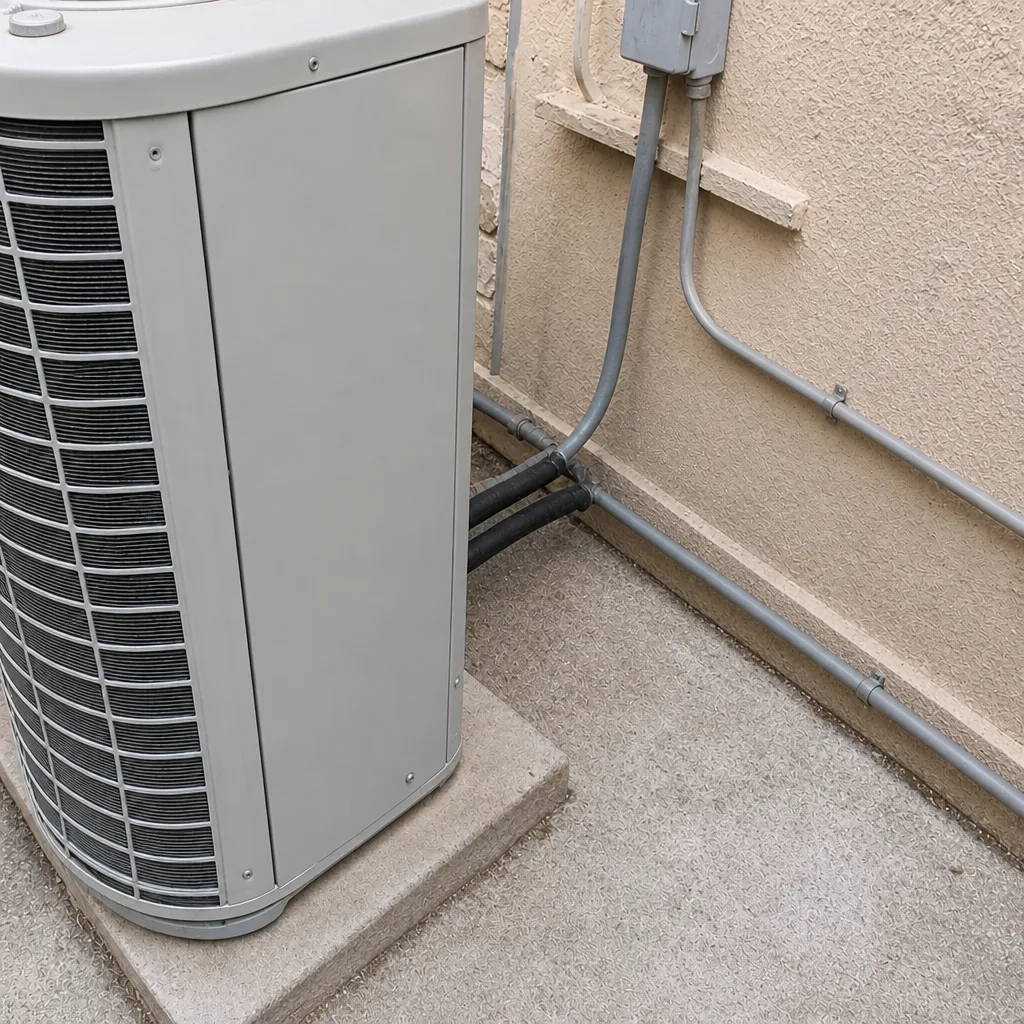
- Outdoor unit clearance check. Two feet of clear space around the condenser, minimum. Shrubs grow fast in June. So does the temptation to shove a shed or a storage box next to it.
- Listen for short cycling. A system that turns on and off every few minutes is usually a refrigerant or thermostat issue, not a system size issue. Catch it early.
- Watch the bill. If June’s bill on the same household is 20% higher than May’s, something changed. Refrigerant charge, dirty coil, or a failing compressor, and none of those improve on their own.
In our experience, the Blast season calls that come in from North Las Vegas split into two groups. About half are the ones where a single preventive visit in April would have caught the problem. The other half are calls where the homeowner waited three or four days after “something didn’t feel right” and now needs a compressor replacement instead of a capacitor and a top-off. The earlier you call, the smaller the repair, and the smaller the bill.
If the system’s already down, our Ray’s Heating & Air North Las Vegas home page has the fastest path to getting someone out. Live person answers every call, day or night, including the owner himself at two in the morning.
Shoulder Season (October – November): The Hidden Leak Window
Here’s the counterintuitive part of North Las Vegas HVAC, and the part most homeowners get wrong. October and November are the most dangerous months for your system. Not because the weather is harsh, but because it’s gentle. Your system “seems fine” for six or eight weeks. You stop paying attention. Then June rolls around, the first 95°F day hits, and the thing fails.
Why? A slow refrigerant leak is invisible when the system runs for two hours a day at 78°F. It becomes obvious when the system runs for eight hours a day at 105°F and can’t keep up. Anything lost between October and May is a leak that’s been quietly eating your compressor’s lifespan.
What to do in October and November:
- Get a pressure and superheat reading now, not in June. A clean baseline in October that shows the same numbers in April tells you the system is holding. Numbers that dropped tell you there’s a leak to find before Blast hits.
- Have the outdoor unit’s contactor and capacitor checked. Cheap parts, common failure points, easy to test in the shoulder when nobody’s in a hurry.
- Run the system for 15 minutes on a cool October morning and listen. New noises, new smells, longer run times. Any of those are worth a call before they become a June emergency.
A York or Daikin system that’s held its charge for two years and gets a clean shoulder check will usually hold through another Blast season. A system that hasn’t been checked since last fall is a coin toss. In the North Las Vegas market, that coin toss usually lands on the side of “call in a panic on a Saturday in July.” Don’t be that household.
Cold Snap Window (December – February): The Cheapest Month to Prep
February is the least busy month for HVAC companies in North Las Vegas. Nobody’s thinking about either side of the system. The AC’s been off for weeks. The furnace has already had its one cold snap and either worked or didn’t. Which makes February the best time of year to schedule real work at real prices.
Three tasks are worth doing in this window, and most of them you’ll pay less for than you would have in October:
- Furnace or heat pump tune-up. Gas furnace, heat pump, or a hybrid system, this is when the cracks in the heat exchanger, the burn pattern, and the safety switches get looked at by a technician who isn’t already fielding forty emergency calls a day. A cracked heat exchanger in February is a $400 to $800 repair. In December, on the coldest night of the year, it’s a replacement recommendation on a system you hadn’t planned to replace.
- Duct inspection and sealing. Ducts leak hot air year-round. In February, sealing them costs less because nobody’s fighting for the slot. The savings show up the following July.
- Pre-season capacitor and contactor check. The same parts that fail in July are worth testing now. A weak capacitor in February is an $80 to $150 fix. Same capacitor in July, on a holiday weekend, can be $250 and a compressor is on the line.
North Las Vegas winters are mild enough that most homeowners skip this window entirely. That’s a mistake. The first two cold nights of any December are when furnace failures cluster, and the calls that come in from Aliante and North Las Vegas neighborhoods on those nights are the ones you don’t want to be making. The pager is on. But it’s better not to need it.
Our Heat Pump & Mini Split in North Las Vegas page covers the specifics for anyone running a heat pump or a ductless mini-split through both cooling and heating seasons here.
What “Winterizing” Actually Means Here
If you Google “winterizing your HVAC” from North Las Vegas, most of what comes back doesn’t apply. Cold-climate guides tell you to:
- Drain and blow out exterior water lines to prevent freezing
- Cover the outdoor AC condenser with a fitted winter cover
- Schedule a furnace check for a fuel-oil system
- Add weatherstripping for -10°F wind chills
None of that is right for here. North Las Vegas winters average lows in the low 40s, with occasional dips into the upper 20s. Pipes don’t freeze on a normal winter. Foxes and coyotes are more of a threat to a covered condenser than the weather is. A sealed winter cover on your outdoor AC unit can actually trap moisture and hurt the unit; a loose tarp or nothing is safer.
What winterizing actually means for a North Las Vegas home:
- Run the heat once before you need it. A furnace that won’t light on the first 40°F morning of December is a furnace that should have been lit in October. Turn it on once in November, listen for the ignition sequence, smell for gas, and let it run 15 minutes. If it doesn’t fire or it smells off, call before the cold snap.
- Reverse the ceiling fans if you have them. Clockwise in winter. It’s free, it’s five minutes, and it’s the single highest-value winterizing step in a North Las Vegas home.
- Check the thermostat schedule. Most smart thermostats default to a cooling-only schedule. A quick reset for heating saves you waking up to a 62°F house in January.
- Replace the filter. Same task, different season. Winter dust load is lower, but a filter that’s been sitting since August is already clogged.
The systems we see across North Las Vegas hold up well through winter. What fails is the human side. People forget to test the heat, forget to change the filter, forget the thermostat was set to cooling mode, and then call us on the first cold night.
Building a Two-Year Maintenance Log
This is the part nobody mentions, and it’s worth more than any single service visit. Every HVAC call you make for the next two years gets 20 minutes shorter and cheaper if the technician walks in with the last two years of readings in hand. The refrigerant pressures, the amp draws on the compressor, the filter change dates, the repair history. That’s the difference between a diagnostic and guesswork.
Here’s a simple system that takes five minutes per visit:
- Start a single folder. Paper, or a folder on your phone. One place. Not the junk drawer.
- Keep every invoice. Not the “service completed” summary, the actual invoice with the readings on it. If a technician isn’t writing readings on the invoice, ask. We do, every time.
- Record three numbers on a sticky note on the indoor unit (or in the folder): date serviced, refrigerant pressures, compressor amp draw. Three lines. That’s it.
- Note every filter change. Date and filter size. Total cost of ownership drops when you stop overpaying for filters that don’t fit.
- Photograph the outdoor unit’s data plate once. Model and serial. Two years from now when the service tech asks “what model is it,” you have the answer.
- Keep the promise paperwork. On our jobs, that includes the 90-Day Done Right Promise in writing, stamped on every heating and cooling job. Save it with the invoice.
A two-year log makes it obvious when something is trending wrong. A compressor amp draw that’s crept up 15% since last year is a warning. Without the baseline, it’s just a number. Whether the system is a Goodman, a Rheem, or a York, the log is the diagnostic tool that keeps a $300 repair from becoming a $3,000 replacement.
Common Mistakes to Avoid
- Washing the outdoor condenser with a pressure washer. This bends the fins flat and destroys the coil. Garden hose and coil cleaner, or call someone who knows the difference.
- Assuming “no AC needed in winter” means “no HVAC service in winter.” February is the cheapest month to schedule service in North Las Vegas, and the one month where real diagnostic work gets done without a dispatch surcharge.
- Skipping the shoulder-season check because the system “seems fine.” It does seem fine. That’s the trap. A leak that’s losing 3% of charge per month is invisible in October and lethal in July.
- Buying the biggest system you can afford. Oversized systems short-cycle, don’t dehumidify, and cost more to run. A Manual J load calculation is what determines the right size, not the square footage times some multiplier.
- Covering the outdoor unit with a sealed winter cover. Traps moisture, rusts the fan and coil. In North Las Vegas, a loose tarp or nothing at all is fine.
- Ignoring one high bill. One 20% jump in July is a warning. Two months in a row is a problem. By the time the system can’t keep up, you’ve often spent the difference on the utility bill.
- Letting a “free” inspection turn into a $400 bill without readings on paper. Free is fine. Free that turns into “we found a problem” without a meter reading, an amperage draw, or a photo is a sales call, not a service call.
When to Call a Professional
Some of this is DIY. Filter changes, thermostat schedules, clearing space around the condenser, running the furnace once before winter hits. Some of it isn’t. Call a professional if you smell gas at the furnace or water heater, if the heat exchanger is suspected of cracking, if the compressor won’t start or trips the breaker, if the system is losing refrigerant, or if you’re seeing ice on the indoor coil in summer. Any of those is a gas, electrical, or refrigerant issue and not a homeowner task.
Our technicians have up to 24 years of experience and answer calls around the clock. Ray’s Heating & Air North Las Vegas offers free estimates in North Las Vegas. Call (844) 761-6871 for an appointment.
Frequently Asked Questions
February is the best month for most North Las Vegas homeowners, because it’s the slowest month for HVAC companies and the cheapest month to schedule diagnostic work. April is the second-best, and it’s the month that catches most summer failures before they happen. If you can only schedule one service per year, February for the heating side, April for the cooling side.
Every 30 to 60 days, depending on the home. North Las Vegas dust load is heavier than the national average, especially in the spring wind months and in neighborhoods near the open desert edges. The three-month recommendation on the filter box is a best-case scenario, not a North Las Vegas one. Call (844) 761-6871 if you need help picking the right filter size.
Repair usually wins if the system is under 10 years old, if the repair is under a third of replacement cost, and if refrigerant and compressor readings are still within spec. Replace if the system is 15 years or older, if the compressor is failing, or if multiple repairs are hitting in the same season. A written second opinion is the same cost as a guess, and we offer one free on any written estimate. Call (844) 761-6871 to schedule.
Yes, significantly. In North Las Vegas you don’t need to drain exterior lines, you don’t need to cover the outdoor condenser with a sealed winter cover, and you don’t need fuel-oil furnace service. Winterizing here means running the heat once in November, checking the thermostat schedule, cleaning the filter, and reversing ceiling fans. Anything more is likely copied from a cold-climate guide and doesn’t apply.
Because the failure started in October or November and wasn’t visible. A system running two hours a day can hold a bad charge and never show a symptom. The first 95°F day pushes it into continuous operation, the system can’t keep up, and the leak becomes obvious. October shoulder-season readings are what catch this before it happens. Call (844) 761-6871 to schedule a shoulder check.
Yes, for the diagnostic portion. The technician needs to run the system, test pressures, and check the furnace from inside the house. Most visits take 45 to 90 minutes. If you have a maintenance log, have it accessible, and the visit will run shorter because the technician isn’t starting from scratch. Call (844) 761-6871 to book.
The Bottom Line
North Las Vegas doesn’t have four seasons the way a national HVAC checklist means it. It has four windows, and each one has one or two tasks that actually matter. April is for capacitors, refrigerant readings, and duct inspection. Blast season is for filter changes and monitoring. October and November are for catching the leaks that will kill a compressor next June. February is for furnace tune-ups and pre-season checks at the year’s best prices. Do the right one or two tasks in each window, keep a simple two-year log with the readings on paper, and a system that would have failed in July is one you’ll know about in October instead. That’s the whole guide.
Before You Call Anyone, Get the Readings
If you’re not sure what window you’re in or what your system needs, call us. Ray’s Heating & Air North Las Vegas answers every call with a live person, day or night, including the owner himself. We serve North Las Vegas and the surrounding communities, service all major brands including Goodman, Rheem, and Daikin, and stand behind every job with the 90-Day Done Right Promise. Ask about $40 Off Any Repair Over $200, the Free Second Opinion on any written estimate, No Trip Charge inside the county, and the Senior and Veteran 10% discount. Call us at (844) 761-6871 for a free estimate.
Written by the team at Ray’s Heating & Air North Las Vegas.
See the difference
 Before
 After
 Before
 After
 Before
 After