
Last updated November 17, 2026
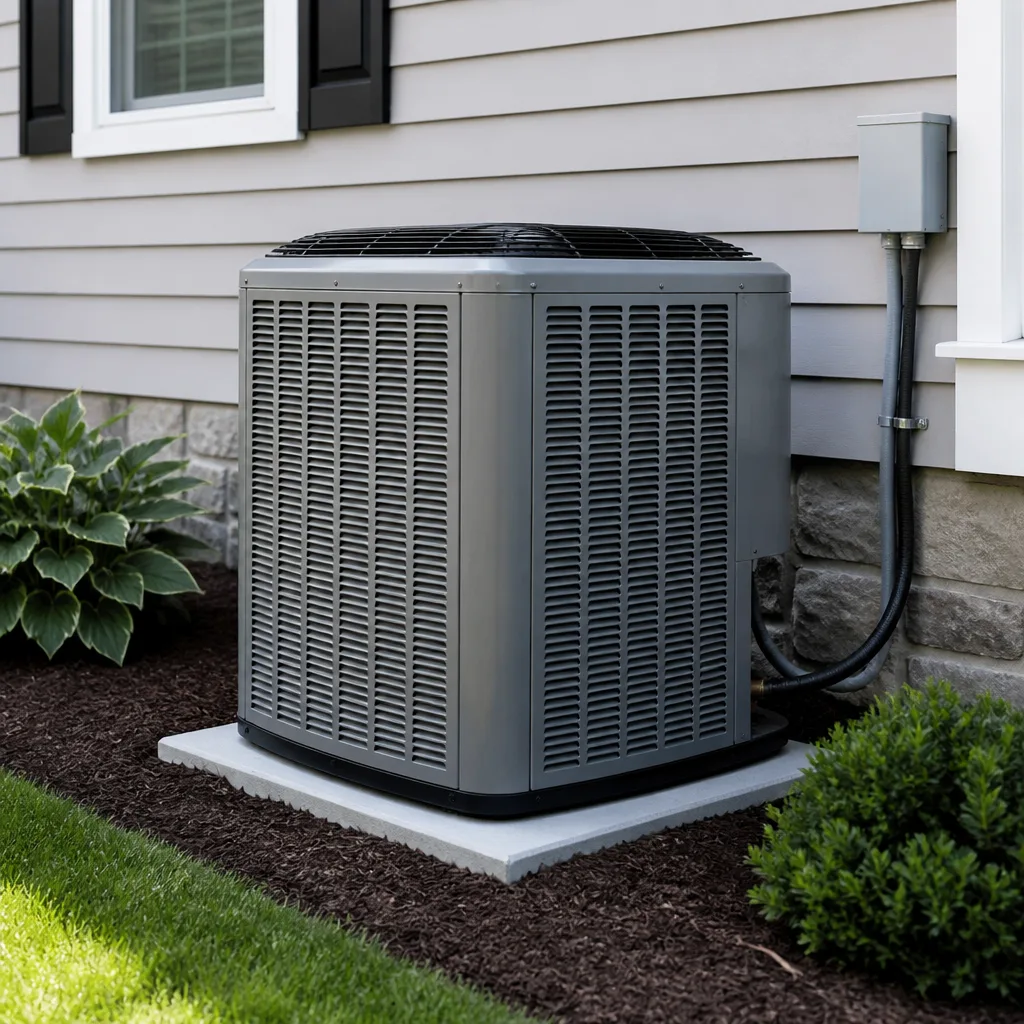 AC repair
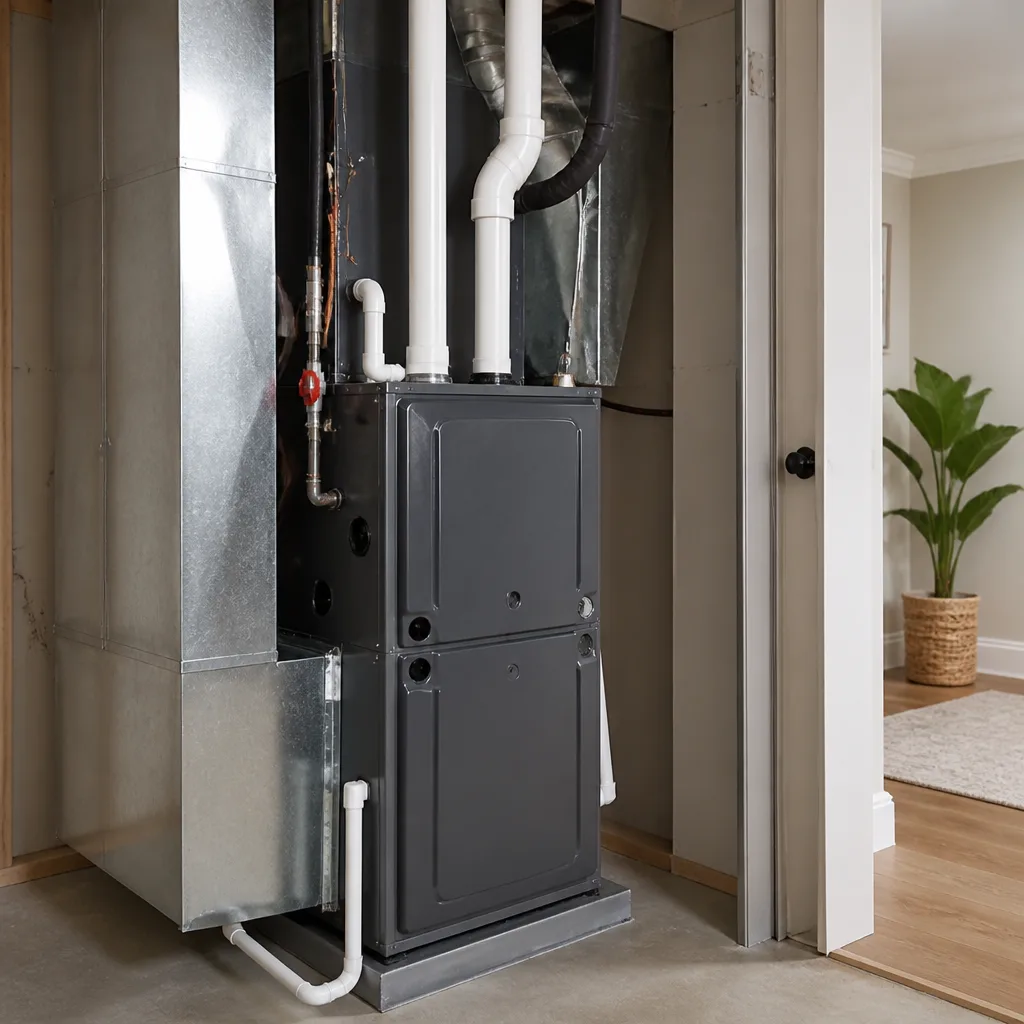 Furnace & heating
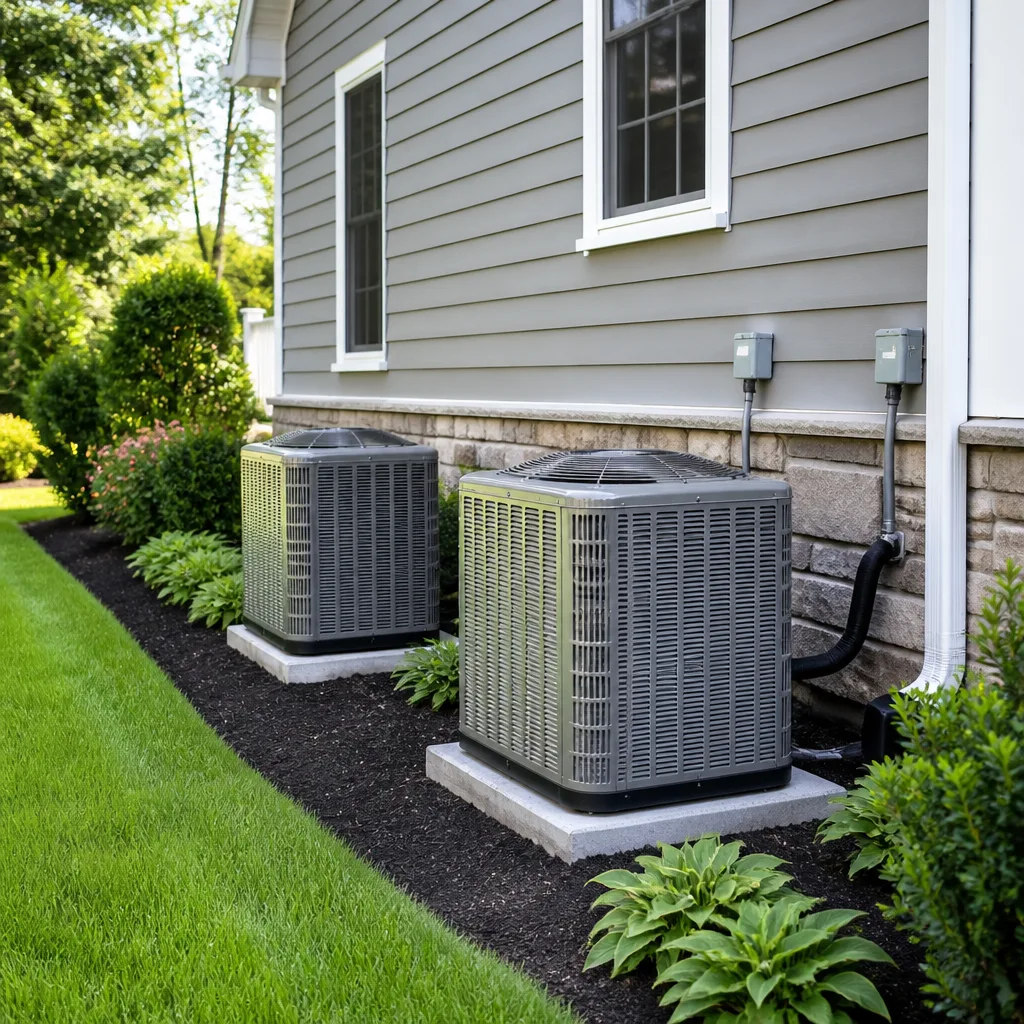 Heat pumps
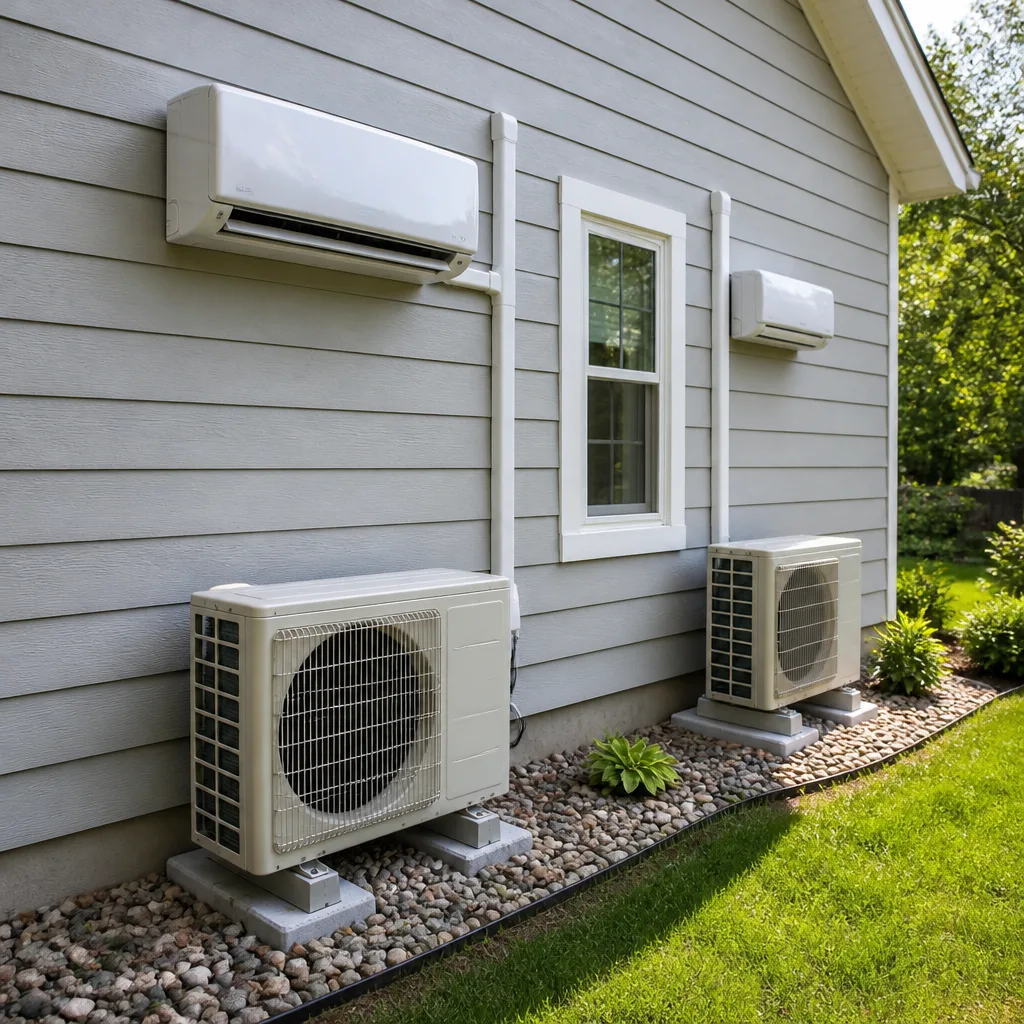 Ductless mini splits
 Carrier
 Trane
 Goodman
Seasonal tune-up and full diagnostic on your Carrier, Trane, or Goodman system - readings shown to you before any repair is proposed
Diagnosis first, numbers second - you approve the repair price before a single part goes in.
Get your free estimateAir Quality & Ventilation Maintenance Schedule: What to Do and When
The filter-change advice on the bag says every 90 days. In North Las Vegas in July, that bag is clogged solid in 30.
That gap between national guidance and desert reality is where most home air quality problems start. The generic spring/fall calendar was written for humid climates with mild summers. The Mojave runs on a different clock: dust storms, caliche blowing off construction sites, and 115-degree stretches that push your system harder than any climate the manufacturer tested for. This guide lays out the actual month-by-month schedule for North Las Vegas homes, what you can handle yourself in 20 minutes, and what genuinely needs a professional with a ladder and a HEPA vacuum.
Quick Answer
In North Las Vegas, the two non-negotiable air quality service windows are April (before summer) and October (after summer), not spring and fall. Between those windows, homeowners should check filters monthly and clean bath exhaust fan grilles quarterly. Anything involving ductwork, blower compartments, or vent terminations calls for a licensed technician.
Styles & brands we work with
- AC repair
- Furnace & heating
- Heat pumps
- Ductless mini splits
- Carrier
- Trane
- Goodman
Table of Contents
- Why a Desert Schedule Is Different
- The April Window: Pre-Summer Prep
- The October Window: Post-Summer Recovery
- The 20-Minute Monthly List
- Filter Loading and the Right MERV Rating for NLV
- The Ventilation Check Most People Skip
- What Requires a Ladder, a Vacuum, and a License
- The One-Page Calendar for Your Water Heater Closet Door
Why a Desert Schedule Is Different in North Las Vegas
Most air quality guides online assume a climate with average humidity above 50% and summer highs in the 80s. North Las Vegas runs the opposite. Relative humidity sits in the teens most of the year. Summer highs routinely hold above 110 for weeks. And the dust load is unlike anywhere else because the valley floor is caliche and decomposed granite, with construction sites breaking that material into airborne powder year-round.
Here is what that does to a maintenance timeline:
- Filter loading triples. A filter rated for 90 days in a humid climate loads in 30 to 45 days here. During a wind event in March or April, it can load in a week.
- Ductwork collects dust faster. The same air volume carries more particulates, so dust settles in ducts at a faster rate than national averages assume.
- Summer runtime is longer. A system in North Las Vegas may run 14 to 16 hours a day in July. That is a full season of runtime compressed into about six weeks.
- Bath fans backdraft. High-wind events, common in spring and fall, can push attic air down through poorly sealed bath exhaust terminations.
The result: national spring/fall advice puts your heaviest maintenance tasks at the wrong time. Your system’s real stress points sit on either end of the summer. That is why in our experience, April and October are the two windows that matter most for North Las Vegas homes.
The April Window: Pre-Summer Prep (The Most Important Month of the Year)
April is when the desert transitions from mild to brutal. Average daily highs climb from the mid-70s to the low 90s. Dust storms start appearing. This is the month to get everything right before the system starts running 14 hours a day.
What April work looks like for a North Las Vegas home, in order:
- Replace the filter and note the date. Not just change it. Write the date on the filter frame with a marker so the next check has a reference point.
- Schedule a professional pre-season inspection. Coil cleaning, blower check, condensate drain flush, and refrigerant charge verification. The first two 100-degree weeks of the year are when neglected coils fail.
- Clean bath exhaust fan grilles. Pop the cover, soak in warm soapy water, vacuum the fan blades with a brush attachment. Ten minutes per fan.
- Check all return-air grilles for dust buildup. A vacuum with a brush attachment handles most of it.
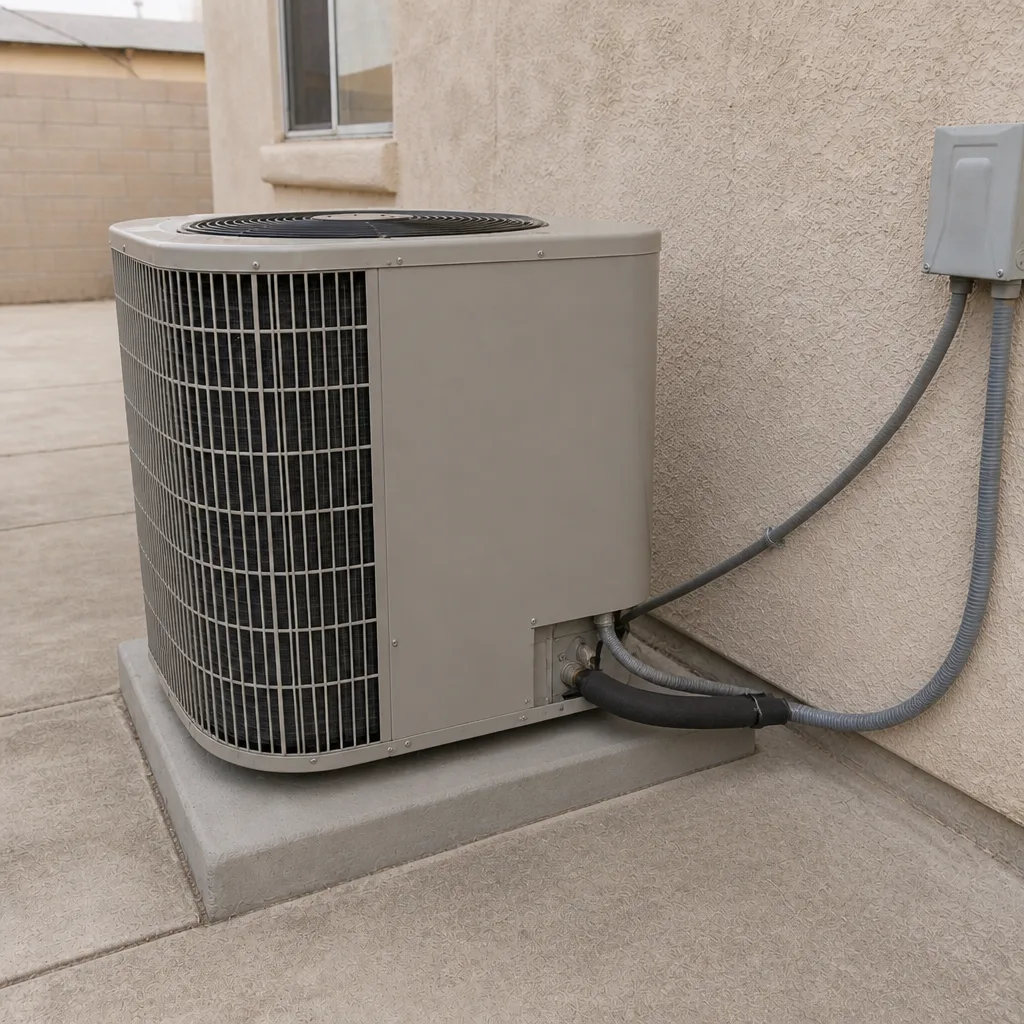
- Walk the exterior and check the outdoor unit’s clearance. Weeds and debris should be at least two feet away from the condenser. In North Las Vegas, spring winds push tumbleweeds and dust right into that clearance zone.
- Verify the condensate drain terminates where it should. A clogged drain in July means water damage, not just a shutdown.
Skip April and you spend June trying to get on someone’s schedule during their busiest week of the year. Get the work done in April and you’re running clean when the heat hits.
The October Window: Post-Summer Recovery
October is the recovery month. Summer has just pushed 3,000 or more hours of runtime through your system. Dust accumulation is at its annual worst. And the system is about to shift to heating mode, which uses a different internal path and a different set of components.
The October checklist:
- Change the filter again. The filter that went in during April has seen a full summer. Replace it.
- Schedule a post-season inspection and heating-side tune-up. Blower cleaning, evaporator coil inspection, and furnace safety check. This is also when the technician can spot summer-related damage while it is still cheap to fix.
- Clean the outdoor condenser coil. Dust and caliche accumulate on the fins. A professional coil cleaning restores efficiency before the next summer.
- Check the attic for dust infiltration around flex duct runs. Old or poorly sealed ducts leak. October is when you’ll notice the dust streaks.
- Test bath fans and range hood under load. Hold a piece of tissue near the grille. If it doesn’t stay put, the fan isn’t pulling enough air.
Two windows a year, April and October, cover the majority of home air quality needs in North Las Vegas. Everything else is monthly maintenance between those checkpoints.
The 20-Minute Monthly List
These are the tasks any homeowner can knock out in 20 minutes with no tools beyond a vacuum and a step ladder. If you learn nothing else from this guide, put these on a repeating monthly reminder on your phone:
- Check the filter (2 minutes). Hold it up to a light. If you can’t see through it, replace it. In North Las Vegas from May through September, plan to replace monthly rather than every 90 days.
- Vacuum return-air grilles (3 minutes). Brush attachment, quick pass.
- Wipe bath fan grilles (2 minutes). Just the exterior face. Full cleaning goes quarterly.
- Check the outdoor unit (3 minutes). Eye-level walkaround. Clear debris, verify clearance.
- Sheetrock check (5 minutes). Walk the house and look for new dust streaks near supply vents. Streaks mean a leaking duct or a failing seal.
- Smell test (1 minute). Stand near a return grille. Musty means moisture is getting somewhere it shouldn’t.
That’s it. Twenty minutes. Nothing here requires a ladder, a license, or an appointment. The other tasks in this guide are a different story.
Filter Loading and the Right MERV Rating for North Las Vegas
Filter ratings are often misunderstood. MERV 13 and MERV 16 filters are marketed as premium, but for many North Las Vegas homes they actually create a problem: system pressure drop. A filter that is too restrictive for your specific blower forces the fan motor to work harder, cutting airflow and increasing stress. The right MERV rating depends on the system and the home, and a technician can measure static pressure to determine what your setup handles.
What we see in North Las Vegas homes, most often:
- MERV 8 pleated: the practical baseline for most residential systems here. Adequate for dust, pollen, and larger particulates. Doesn’t choke airflow on older Trane or Goodman systems.
- MERV 11: a reasonable upgrade for homes with allergy concerns, provided the system can handle the pressure drop. Worth measuring before installing.
- MERV 13+: only when the system’s static pressure has been verified. In many North Las Vegas homes with older ductwork, MERV 13 loads the blower too heavily.
- MERV 4 fiberglass: don’t. Basically a dust catcher with minimal filtration. The filters we see fail most often in summer heat are the cheap fiberglass ones, because they load quickly and stop passing air entirely.
Caliche dust from construction around the valley accelerates filter loading. If there is active construction within a half mile, treat the filter as loaded when you see visible dust on the inlet face, not when the calendar says.
If you have questions about what filtration your system actually supports, our AC repair and installation team can measure static pressure and recommend the correct MERV.
The Ventilation Check Most People Skip: Bath Fan Backdrafting
This is the check that separates a real air quality maintenance schedule from a generic one. Bath exhaust fans are supposed to vent warm, moist air out through a roof or wall cap with a backdraft damper. In high winds, which North Las Vegas gets in spring and fall, that damper can fail to seat properly. When it does, air from the attic and the roof cavity pulls back down into your bathroom. That air carries dust, insulation particles, and whatever has accumulated up there over the summer.
How to check for backdraft in 5 minutes, no ladder required:
- On a windy day, turn on the bath fan and stand in the bathroom.
- Hold a tissue near the fan grille. If the tissue gets pushed away from the grille, air is coming in, not going out.
- Smell the air. A dusty, warm, or attic-like smell is a strong backdraft signal.
- Repeat for every bath fan in the home.
If you detect backdraft, the fix is usually a properly sealed exterior cap with a functional damper, sometimes a new motor assembly. It’s one of the failing points we see most often in North Las Vegas homes older than 15 years. It should be checked during the October window, every year, without exception.
What Requires a Ladder, a Vacuum with a HEPA Bag, and a License
Plenty of homeowners want to handle all air quality work themselves, and for the monthly tasks in this guide, that’s exactly right. But some jobs carry real risk. Duct cleaning requires reaching the main trunk and branch runs, which usually means attic access, sometimes a ladder on a pitched roof, and a HEPA vacuum that costs more than a service call. Blower cleaning involves the air handler compartment, where wiring and blower motors live. Vent termination work means getting onto the roof. These are tasks where a trained technician is the right call.
Here is the short list of what should require a licensed professional:
- Duct cleaning and inspection. Attic access, HEPA vacuum, and a camera to verify leak points.
- Blower motor cleaning or replacement. Requires the air handler panel off, and blower wheels balanced after cleaning.
- Coil cleaning. Evaporator and condenser coils are the two surfaces where dust accumulation causes the most efficiency loss. Both require specific coil cleaners and access panels.
- Vent termination inspection and repair. Roof access, flashing, damper replacement.
- Static pressure measurement. The single most useful diagnostic in air quality work, and it requires calibrated equipment.
- ERV/HRV installation or repair. Energy recovery ventilators balance fresh air intake with exhaust, and installation involves duct work, electrical, and building code compliance.
When the work involves duct runs, blower compartments, or roof access, call someone who does this daily. Our North Las Vegas home page has more on how we approach air quality and ventilation work across the valley.
The One-Page Calendar for Your Water Heater Closet Door
The problem with most maintenance schedules is that they exist on someone’s website, not on the door of the closet where your water heater lives. Print this and stick it there. It works. It’s the version that works specifically for a North Las Vegas home.
JANUARY: Filter check (visual light test). Walkaround of outdoor unit.
FEBRUARY: Filter change. Vacuum return grilles. Bath fan grille wipe.
MARCH: Filter check. Sheetrock dust-streak walk. Wind-event warning: check filter again after any dust storm.
APRIL – MAJOR SERVICE WINDOW: Filter change. Professional pre-season inspection. Bath fan deep clean. Outdoor unit clearance check. Condensate drain verify.
MAY: Filter change (start monthly through September). Outdoor unit walkaround.
JUNE: Filter change. Return grille vacuum. Static pressure check if the system is struggling.
JULY: Filter change. Smell test at return grille.
AUGUST: Filter change. Duct leak visual check if you have attic access.
SEPTEMBER: Filter change. Sheetrock dust-streak walk.
OCTOBER – MAJOR SERVICE WINDOW: Filter change. Professional post-season inspection with heating-side tune-up. Condenser coil cleaning. Bath fan and range hood load test. Attic duct inspection.
NOVEMBER: Filter change. Outdoor unit winter walkaround.
DECEMBER: Filter check. Bath fan grille wipe.
Between windows, the monthly tasks are yours. The April and October windows should be a professional visit for a thorough system inspection of both the heating and cooling side.
Common Mistakes to Avoid
- Following a national spring/fall calendar. A schedule built for humid climates is 60 days out of phase for North Las Vegas. April and October are the real windows.
- Trusting the “every 90 days” advice on the filter bag. It might be fine in Cleveland. In North Las Vegas during summer, monthly is the floor.
- Installing a MERV 13 filter because it seems better. A restrictive filter can choke airflow on systems that weren’t designed for it. Static pressure should be measured first.
- Skipping bath fan checks. A backdrafting bath fan pulls attic dust into living space. The problem isn’t visible without a check.
- Cleaning the condenser coil with a garden hose. It warps fins and drives dust deeper into the coil. Coil work should be done with the right cleaner and tools.
- Doing duct cleaning with a shop vac. It disturbs more dust than it removes and drives it into the living space. HEPA and a running duct blower are what make this work.
- Waiting until the system fails to schedule service. April and October windows exist because the system is easiest to service before it’s under load, not after it’s shut down. If your system has just quit in a heat wave, that’s a repair call, not a maintenance call.
See the difference
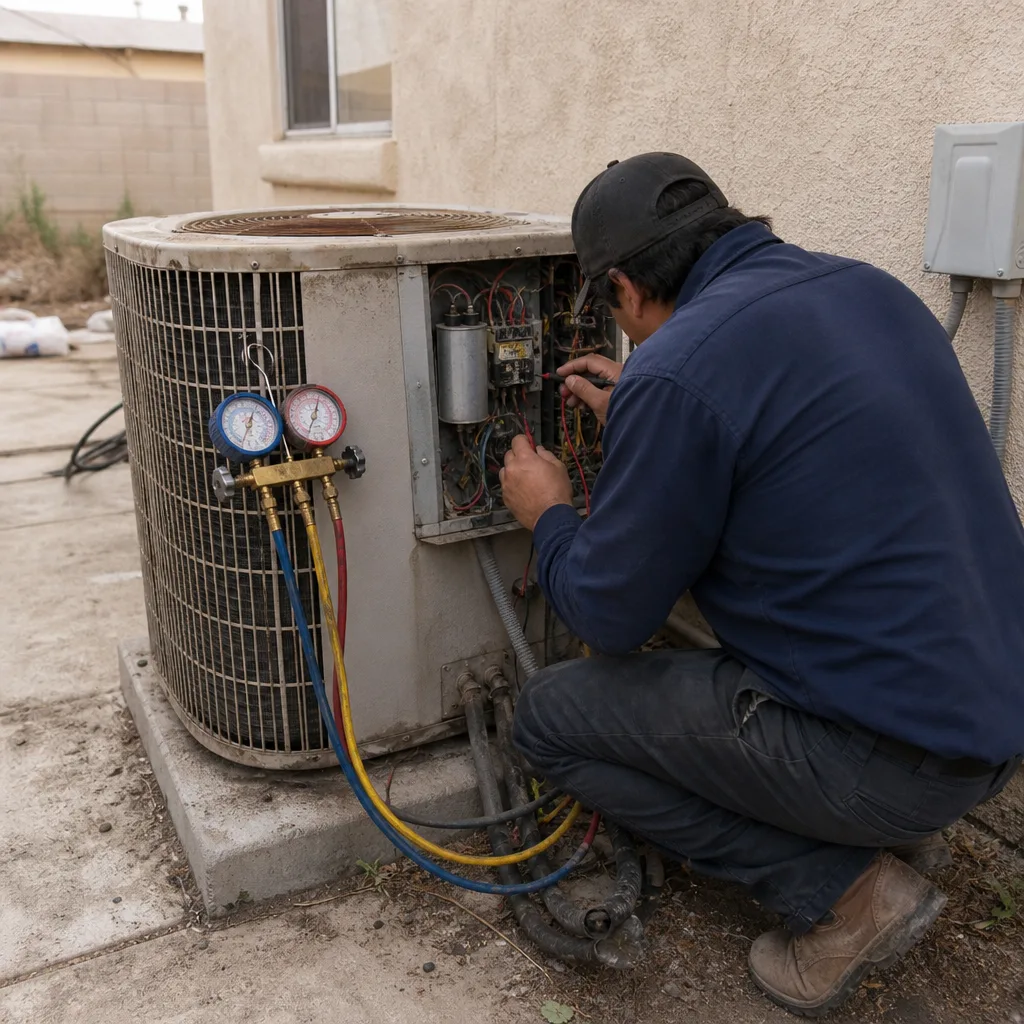 Before
 After
 Before
 After
 Before
 After
When to Call a Professional
Call a professional when the task requires attic or roof access, when ductwork is involved, when the air handler panel comes off, or when you’re not sure whether your system can handle a MERV upgrade. Also call if the filter is loading faster than the calendar suggests. That can mean a duct leak, a failing blower, or a backdrafting vent, and none of those are DIY fixes. If you’ve been smelling something musty at a return grille for more than a few days, that isn’t a filter problem. If you have heat pump or mini-split equipment that needs air quality service alongside the seasonal inspection, our heat pump and mini split page covers what that work involves for North Las Vegas homes.
For a pre-season or post-season inspection with a written report of what the technician actually found, call (844) 761-6871 for a free estimate.
Frequently Asked Questions
Every 30 days during May through September, and every 60 to 90 days during the rest of the year. North Las Vegas dust load is roughly triple the national average, and summer runtime accelerates filter loading well beyond what the filter manufacturer’s “every 90 days” guidance assumes.
MERV 8 is the practical baseline for most North Las Vegas residential systems, and MERV 11 is a reasonable upgrade where static pressure allows. MERV 13 or higher should only be used after a technician measures the system’s static pressure. Higher MERV can force the blower to work harder and reduce airflow, which is the opposite of what you want in a desert climate.
High-wind events in spring and fall can cause the exterior backdraft damper on a bath fan to fail to seat, letting attic air pull back into the bathroom. That air carries dust and insulation particles. Checking every bath fan during the October service window catches this before it becomes a year-round problem.
We wouldn’t recommend it. A shop vac disturbs more dust than it removes and drives it into the living space rather than trapping it. Duct cleaning requires a HEPA vacuum and airflow to remove debris. It also requires attic access and inspection of every branch run. Trained technicians with the right equipment catch leak points that a visual check misses.
Yes. April, followed by October, are the two service windows that make the most sense in North Las Vegas. April work catches issues before the system runs 14 or more hours a day, and October work catches summer-related wear while it’s still cheap to fix.
We service all major brands, including Trane, Lennox, Goodman, Rheem, Carrier, Bryant, York, Daikin, and American Standard. Air quality work like duct cleaning and static pressure measurement is brand-agnostic, but inspections are always scheduled toward the specific equipment in your home.
The Bottom Line
The minimum useful air quality maintenance schedule for a North Las Vegas home is monthly filter checks, quarterly bath fan grille cleanings, and two professional service windows a year in April and October. Skip the national spring/fall calendar. It was written for a different climate and puts your heaviest maintenance tasks at the wrong time. Print the one-page calendar from this guide, stick it on your water heater closet door, and follow it. What you skip, the desert takes out of your system eventually, and usually in the middle of July when everyone else is calling.
Call (844) 761-6871 for a free estimate. Ray’s Heating & Air North Las Vegas offers free estimates on air quality and ventilation work across North Las Vegas.
Written by the team at Ray’s Heating & Air North Las Vegas.