
Last updated November 17, 2026
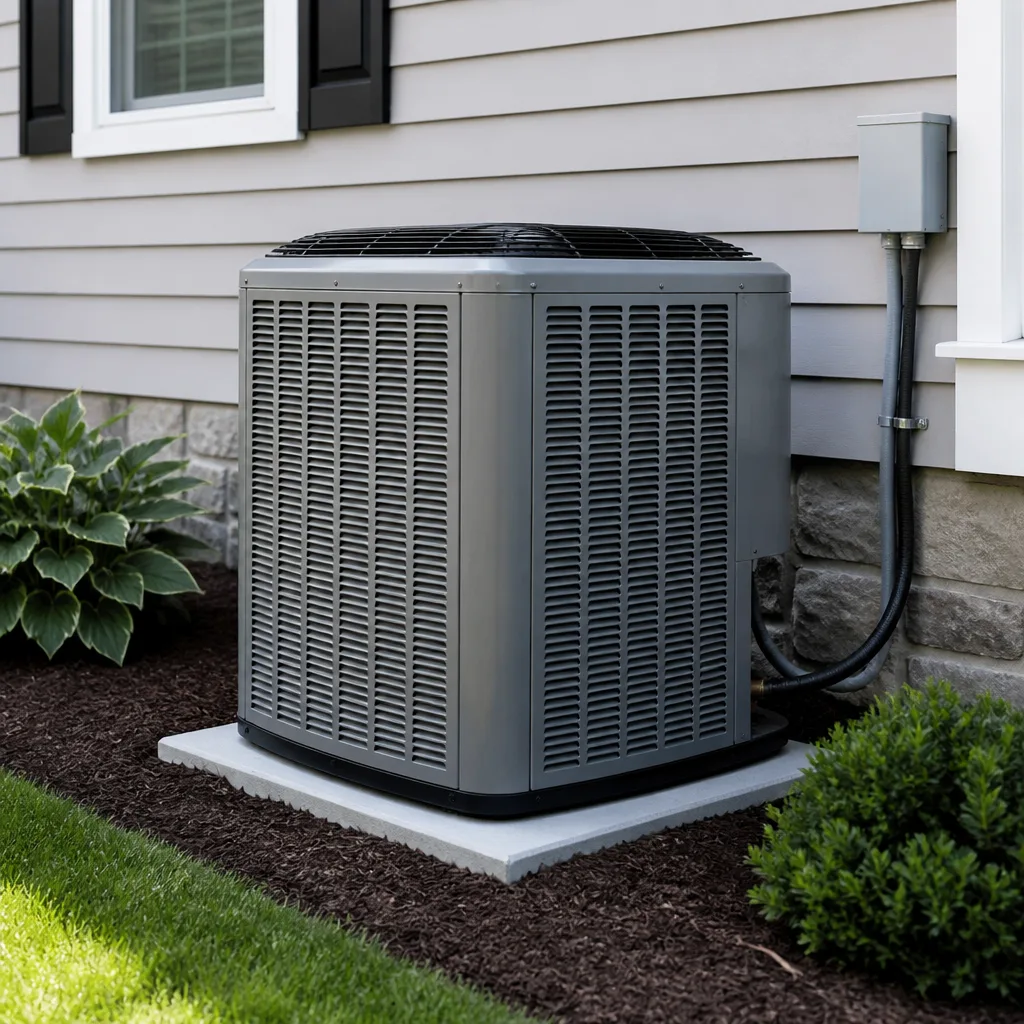 AC repair
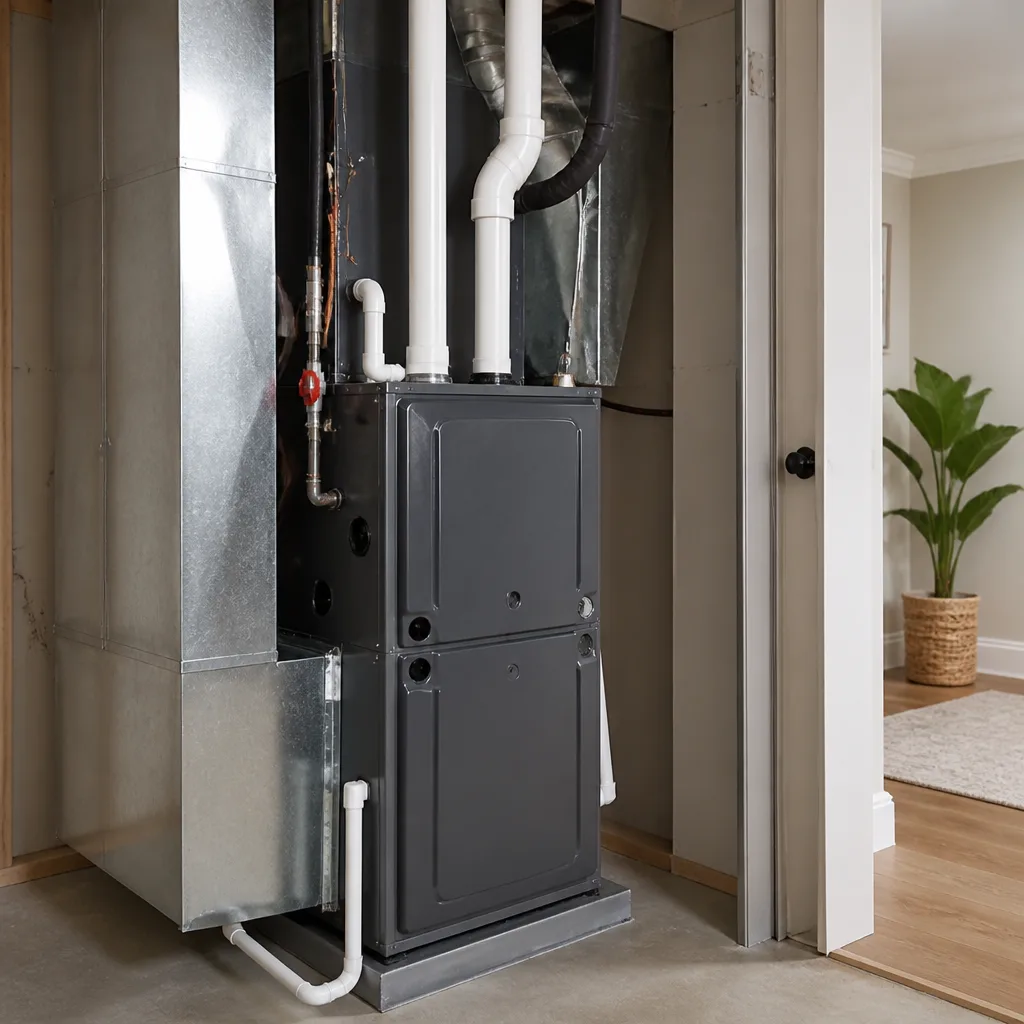 Furnace & heating
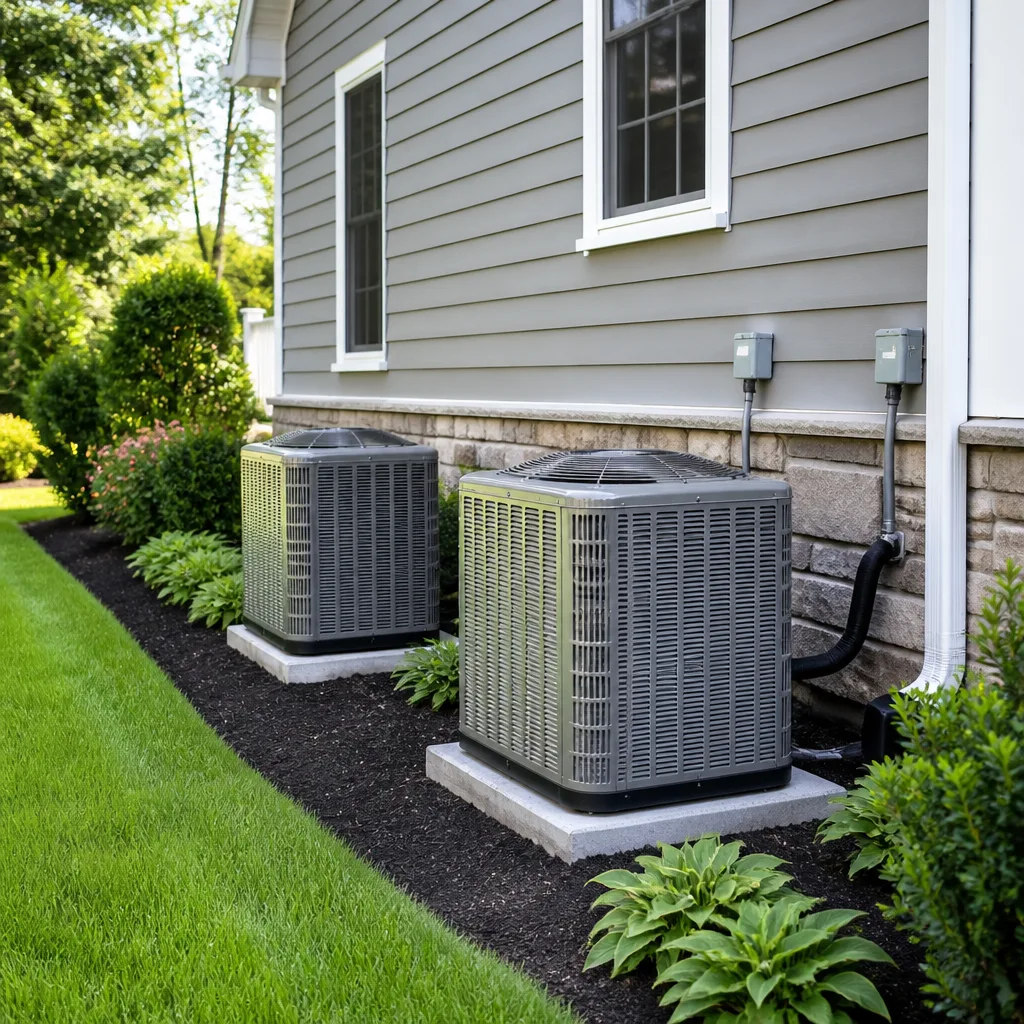 Heat pumps
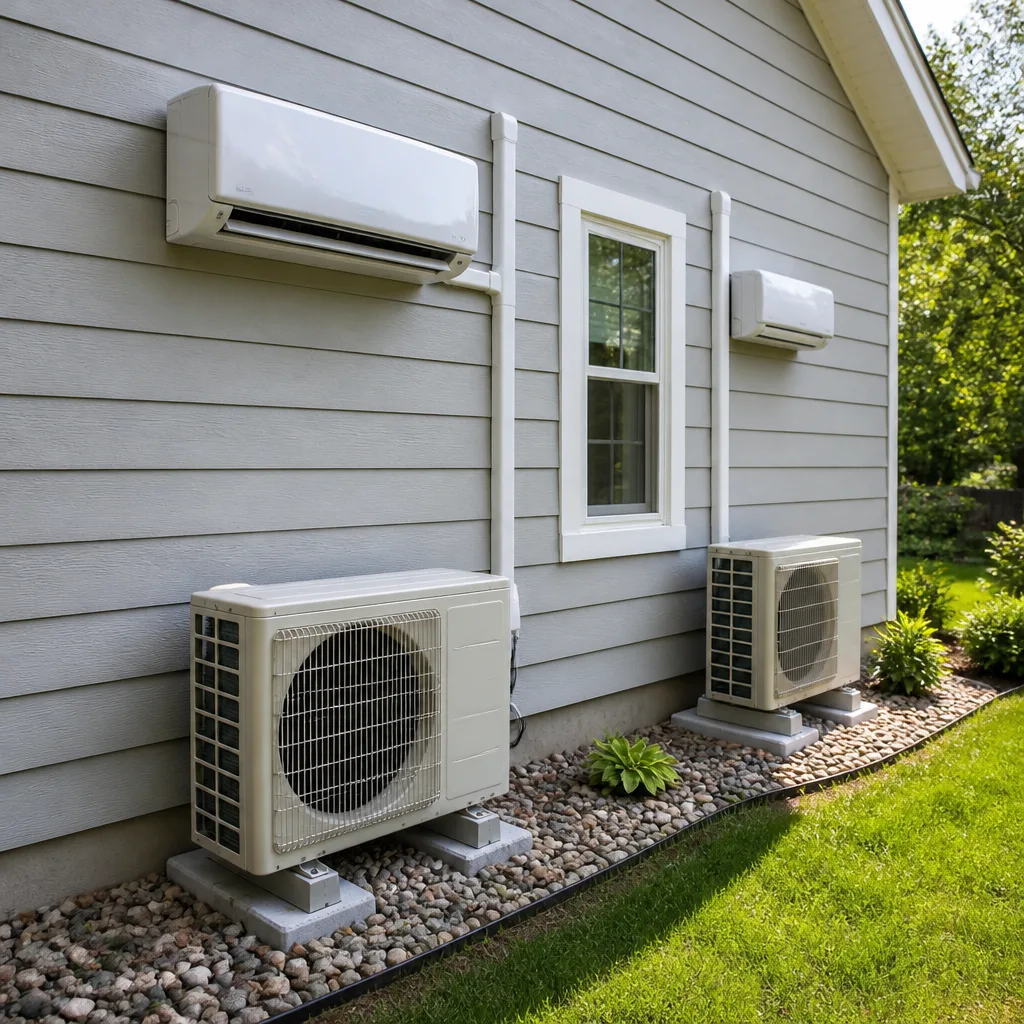 Ductless mini splits
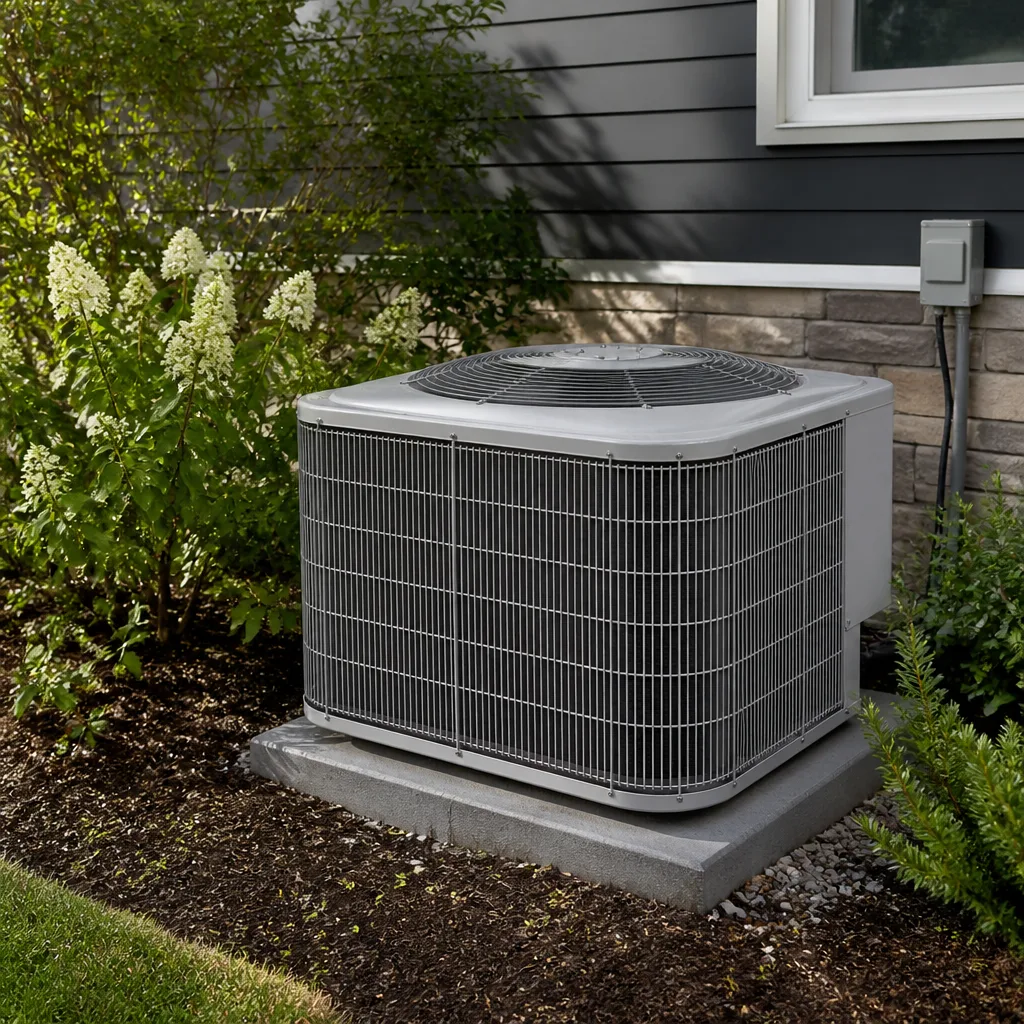 Carrier
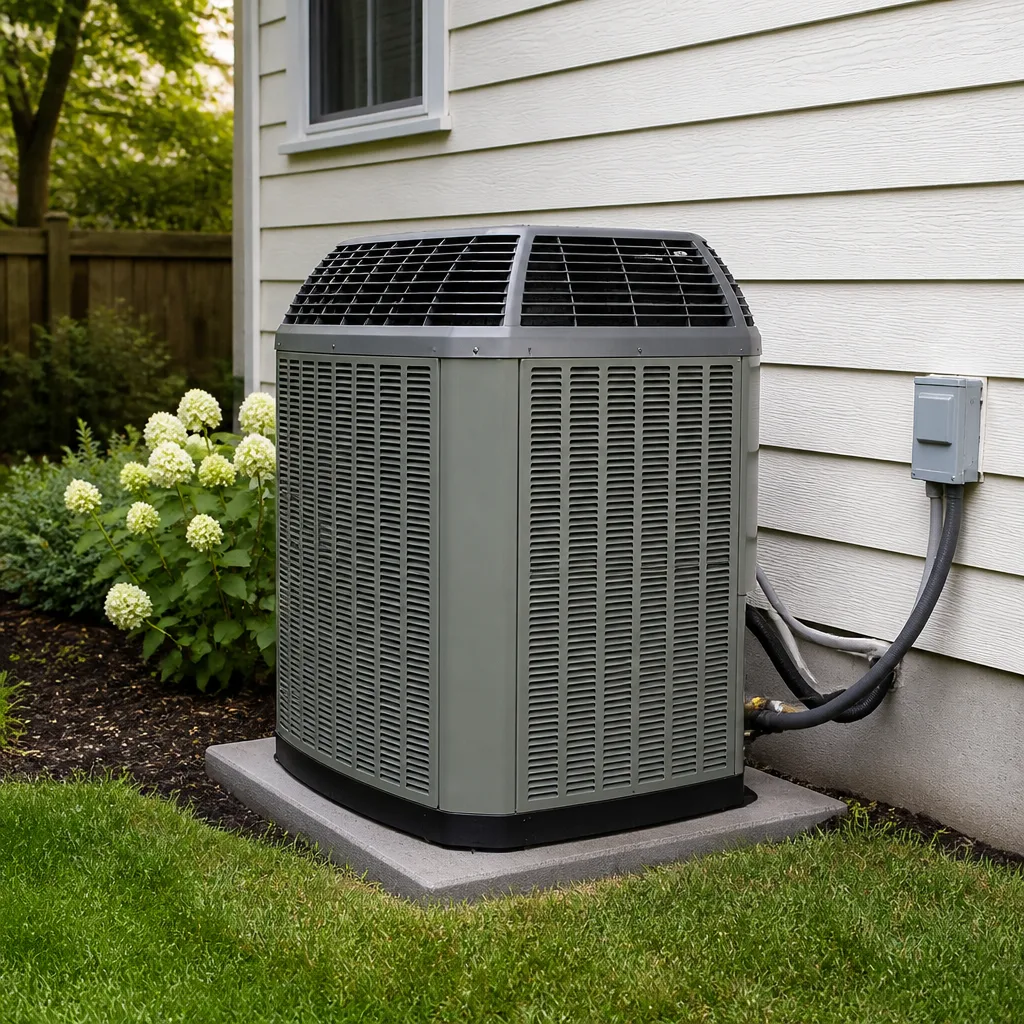 Trane
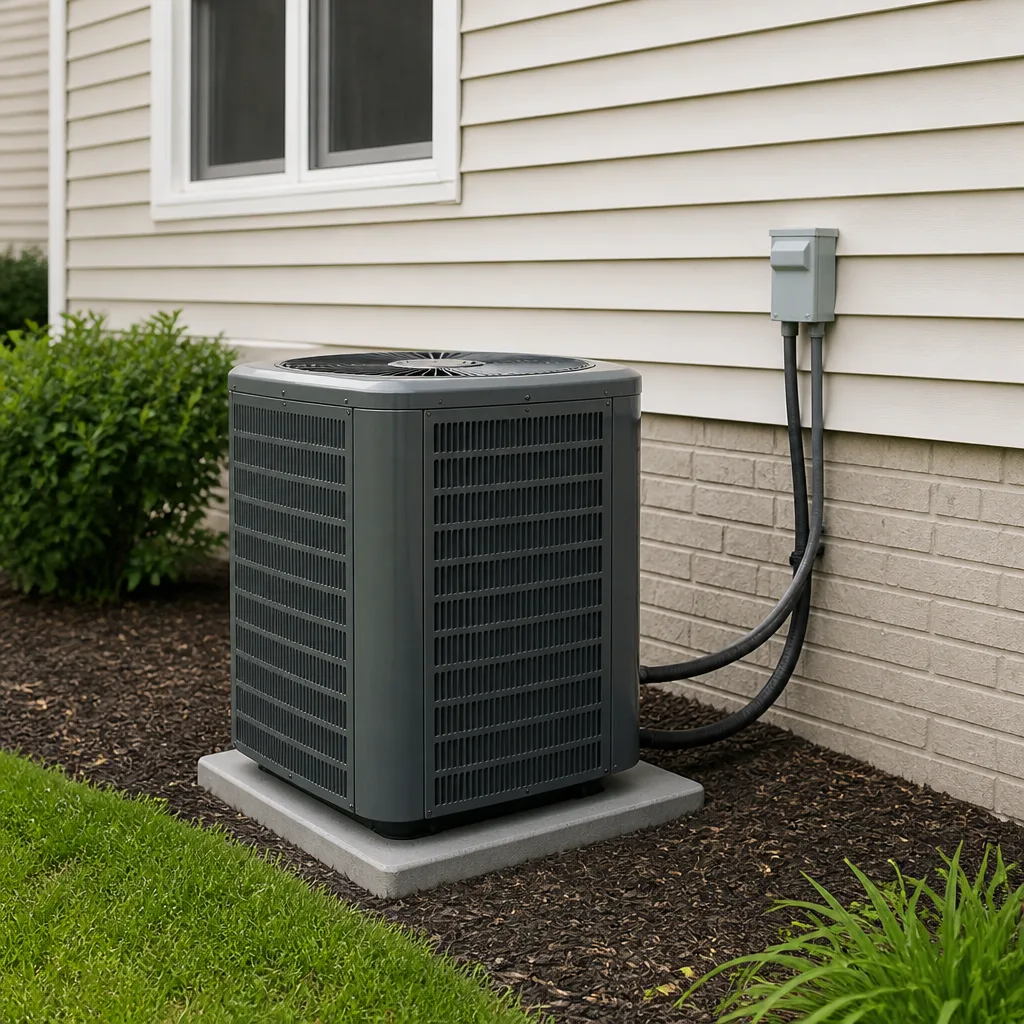 Goodman
Seasonal tune-up and full diagnostic on your Carrier, Trane, or Goodman system - readings shown to you before any repair is proposed
Diagnosis first, numbers second - you approve the repair price before a single part goes in.
Get your free estimateAir Quality & Ventilation Warning Signs Every Homeowner Should Know
If you’re dusting your ceiling fans every five days, the valley gets blamed every time. But nine times out of ten there’s a return duct pulling unfiltered attic air and nobody’s checked it in years. In our experience across North Las Vegas, the same three complaints come up again and again – dust that won’t quit, a dry throat by morning, a musty smell after a monsoon – and each one points to a specific, fixable system failure, not just the desert doing what deserts do. This guide walks through each warning sign, how to check it yourself, and when to call. By the end you’ll know the difference between climate and a real ventilation problem.
Quick Answer
The main warning signs of poor home air quality and ventilation are dust that returns within days of cleaning, a musty smell after rain, morning congestion that clears once you leave the house, condensation or rust streaks inside registers, and combustion backdraft smells near a gas furnace. In North Las Vegas, most of these trace back to filtration, duct, or condensate problems rather than the dry climate itself, and most are fixable with a proper inspection.
Styles & brands we work with
- AC repair
- Furnace & heating
- Heat pumps
- Ductless mini splits
- Carrier
- Trane
- Goodman
Table of Contents
- Dust That Comes Back Too Fast: Filter Problem or Separated Duct?
- Why a Musty Smell After Monsoon Season Points to Your Condensate Drain
- Carbon Monoxide and Backdraft Signs in Gas-Furnace Homes
- The Waking-Up-Congested Pattern (and How to Test the Theory)
- The Five-Minute Flashlight Check Inside Your Registers
- Dry Throat and Static: Low Humidity or a Ventilation Failure?
- A Step-by-Step Home Ventilation Check You Can Do This Weekend
Dust That Comes Back Too Fast: Filter Problem or Separated Duct?
Normal desert dust settles on horizontal surfaces over a week or two. Dust that returns within 48 to 72 hours of cleaning, especially on the tops of door frames and along the return grille, is usually not a cleaning problem – it’s an air-path problem. Two things cause it, and they call for very different fixes.
The first is filtration. A clogged or wrong-sized filter lets dust pass straight through to your blower and out your registers. We regularly see North Las Vegas homeowners running a high-MERV filter their system wasn’t designed for, which chokes airflow and lets the fan motor pull dust past the filter frame entirely. The second is a separated duct in the attic. When a supply or return duct joint pulls apart, the system draws hot, unfiltered attic air straight into your living space – and the attic in North Las Vegas is loaded with decades of dust and insulation fibers.
How to tell the difference:
- If dust is heavy near a single register but light elsewhere, suspect a duct leak near that run.
- If dust is uniform throughout the house, suspect filtration and blower pressure.
- If you find gray or pink fibrous dust (insulation), have a duct inspection done right away.
A dirty filter is a $15 fix. A separated duct in a 115-degree attic is not a job to tackle yourself – the heat alone makes attic work genuinely dangerous in summer, and a botched reconnection can worsen the leak. This is the kind of thing we check first on any air-quality call.
Why a Musty Smell After Monsoon Season Points to Your Condensate Drain
Here’s the counterintuitive part: in a dry climate like North Las Vegas, a musty smell after a summer monsoon is almost never mold growth from humidity in your walls. It’s water sitting where water shouldn’t sit. Your AC produces condensate every time it runs, and that water has to drain away. When the drain pan holds water, the drain line clogs, or the pan cracks, that standing water becomes a quiet breeding ground – and the smell pushes back through your return into the house.
Why monsoon season? The storms spike outdoor humidity for a few days, your system runs harder, and it produces more condensate than a dry week. A marginal drain setup that was fine in June floods a pan in July. We’ve walked into plenty of North Las Vegas garages where the drain pan was holding an inch of water and the homeowner had been chasing the smell for weeks.
How to check it:
- Find your air handler or furnace (usually in a utility closet, garage, or attic).
- Look at the drain pan underneath it with a flashlight. Any standing water is a problem.
- Check the condensate line for slime or a clogged trap. A trickle is normal; a backup is not.
- Sniff the return grille. A musty, damp smell there – rather than a dry, dusty one – points at moisture.
If you catch it early, clearing the drain line and cleaning the pan fixes it. If it’s been sitting a while, the coil and cabinet may need a proper cleaning. That’s a job for someone who knows what they’re looking at.
Carbon Monoxide and Backdraft Signs in Gas-Furnace Homes
This is the section we want you to read slowly. Homes in North Las Vegas with a gas furnace – especially older ones with the furnace tucked in a small utility closet or a tight garage corner – can develop a backdraft problem. A backdraft means combustion gases that should vent up the flue are being pulled back into your living space instead. That includes carbon monoxide, which you can’t see or smell.
The warning signs to know:
- A “spill” smell or a faint exhaust odor when the furnace first kicks on.
- Soot streaks or rust near the flue pipe or the furnace flue collar.
- A draft coming into the furnace area when you hold a hand near the flue (not up it).
- Headaches, nausea, or drowsiness that show up at home and fade when you leave.
The usual cause is a ventilation problem: a utility closet with no dedicated combustion-air supply, a newer furnace pulling air harder than the closet can feed it, or a water heater and furnace sharing air in a space too small for both.
Safety first: do not open a flue, adjust a burner, or attempt to reseal a closet yourself. Combustion work is a genuine life-safety job, and a real expert should be the one diagnosing the draft and the air supply. If you ever smell gas, or a CO alarm goes off, get everyone outside and call your gas utility from outside. Any homeowner with a gas furnace and a utility closet deserves a professional combustion-safety check – it’s one of the most important things you can do.
The Waking-Up-Congested Pattern (and How to Test the Theory)
Waking up congested is normal for a lot of people. Waking up congested only at home, in one specific room, and clearing up within an hour of leaving the house is a ventilation signal. In our experience, that pattern usually tracks back to a supply register blowing into a bedroom with no return path back to the system, or to a return grille in a hallway pulling stale air from one side of the house while a bedroom goes stagnant.
You can test the theory yourself overnight. Pick a night this week:
- Sleep with the bedroom door open all night and note how you wake up.
- Next night, sleep with the door shut and the register fully open.
- A third night, sleep with the door shut and the register closed.
If the bedroom with the door shut and the register open makes you more congested than the door-open night, it points to poor pressure balance – air coming in but not circulating out. If closing the register makes it better, that room is likely getting stale air, and the system needs its return path reviewed. A simple check with a $20 handheld pressure gauge (sold at any hardware store) tells a pro which way the air is flowing. That one reading often explains years of morning congestion.
The Five-Minute Flashlight Check Inside Your Registers
You can learn a lot from your registers and return grilles with a flashlight and five minutes. This is the check we wish every homeowner would do once a season.
- Shut the system off at the thermostat.
- Remove one supply register (the grilles that blow air into the room).
- Shine the flashlight into the duct. Look for loose insulation, dust clumps, or torn duct liner.
- Look at the metal inside the boot – rust streaks or condensation mean moisture is getting in.
- Now remove the return grille (typically the large one in the hallway). Look for a dirty filter, dust packed on the grille, or animal droppings (yes, really).
- Sniff near the opening. Any damp, musty smell means moisture upstream.
What you find tells the story. Insulation fibers in a supply duct point to a break. A rusted inside surface points to a moisture problem. A filter that’s visibly clogged explains the dust. And a return grille with dust caked on both sides points to a system starved for air – which is exactly the cause of poor filtration we see most often in North Las Vegas homes.
Dry Throat and Static: Low Humidity or a Ventilation Failure?
Yes, southern Nevada is dry. But a dry throat every morning, shocks whenever you touch a doorknob, and wood furniture cracking are signs your home is running drier than it should. Here’s the part most homeowners miss: a tight, well-sealed home ventilated only by a bathroom fan can get drier than the outside air, because every time the fan runs it pulls in a little outside air and the system doesn’t replace the moisture your body and cooking produce.
In North Las Vegas, this pattern shows up more in newer homes than older ones – tighter construction holds less humidity. If you’re waking up with a dry throat and getting static shocks in the fall, your ventilation could be too leaky, too tight, or simply not delivering enough fresh air to the right rooms. A humidity reading inside the house (a $15 hygrometer tells you) under 30 percent when you’re running the heat is worth a conversation. Whole-home humidity control and better return-air design are the usual fixes.
A Step-by-Step Home Ventilation Check You Can Do This Weekend
Here’s the routine we recommend to any homeowner who wants to know if their ventilation is working. It’s not a substitute for a professional inspection, but it will tell you whether to call someone.
- Change the filter. Check it monthly during cooling season. A clogged filter is the number-one cause of airflow problems we see in North Las Vegas.
- Do the flashlight check on one supply and the main return (above).
- Check the condensate pan under the air handler for standing water.
- Sniff the utility closet when the furnace first fires up – any exhaust or “spill” smell is a call-now issue.
- Test overnight congestion with the door open/shut method above.
- Read indoor humidity with a hygrometer. Below 30 percent in heating season is a flag.
- Write down what you found – dates, readings, where the problems are. That notes sheet is gold when a pro comes out.
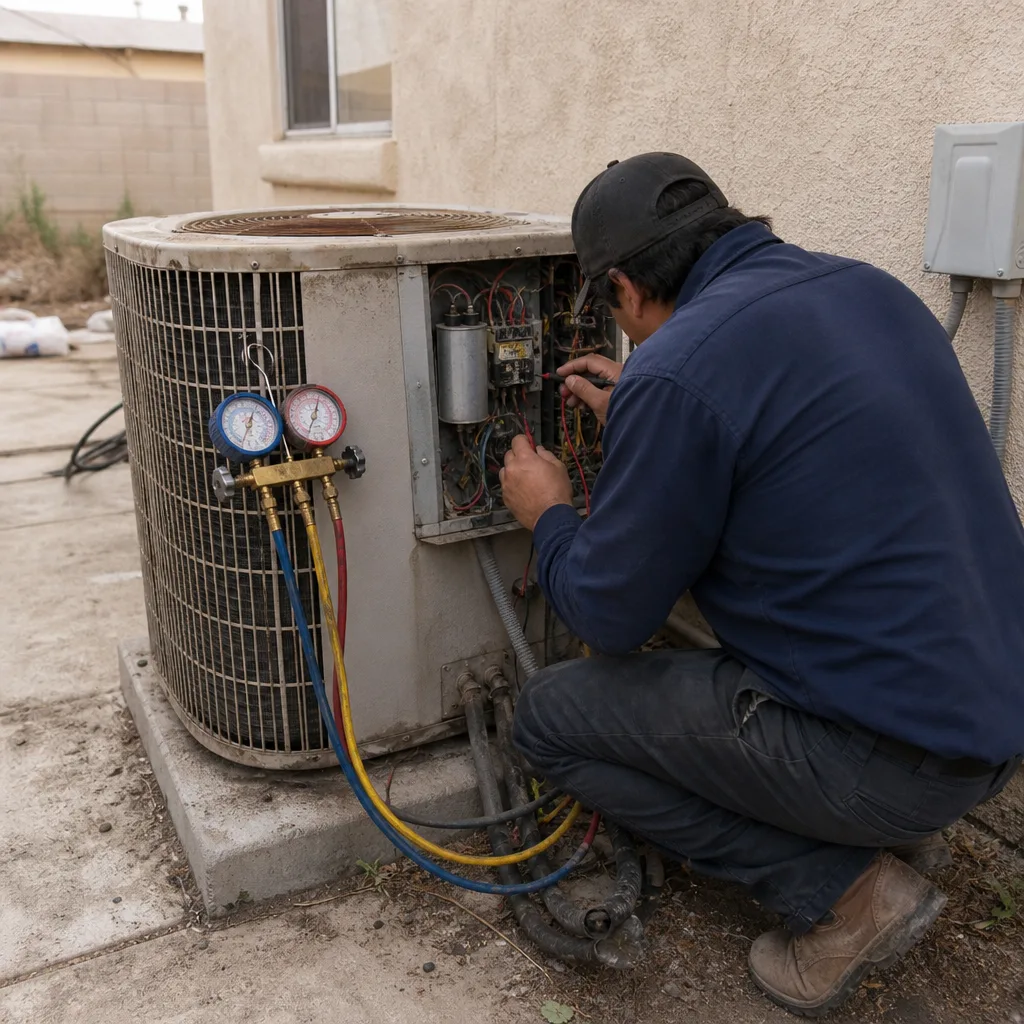
A trained technician takes the same list and adds two things you can’t easily do yourself: pressure readings across the air handler to catch filter and duct restrictions, and a combustion test on any gas appliance. Those readings tell the story before any work is recommended.
Common Mistakes to Avoid
- Blaming the desert for everything. Dust, dryness, and musty smells each have a specific system cause. Treating them all as “just North Las Vegas” means real duct, drain, or ventilation problems go unfixed for years.
- Running the highest-MERV filter you can find. A filter your blower wasn’t designed for chokes airflow and can make dust and air-quality problems worse. Match the filter to the system.
- Ignoring a musty smell after monsoon season. Left alone, standing condensate water eats into the coil, pan, and cabinet. Catch it early and it’s a drain cleaning; catch it late and it’s a bigger repair.
- Sealing the house tighter without adding ventilation. New windows and weatherstripping keep the desert out, but they also hold stale air in. A tight home needs deliberate fresh-air ventilation.
- Skipping the combustion check. If your utility closet holds a gas furnace, a backdraft check is a safety item, not a luxury. Don’t skip it.
- Trying to reconnect a duct or reseal a flue yourself. Attic heat and combustion work are genuinely dangerous. A pro does this safely; the wrong tools and a 115-degree attic don’t.
- Not writing down what you find. A quick notes sheet of readings and dates saves your technician time and keeps you from re-diagnosing the same problem next season.
See the difference
 Before
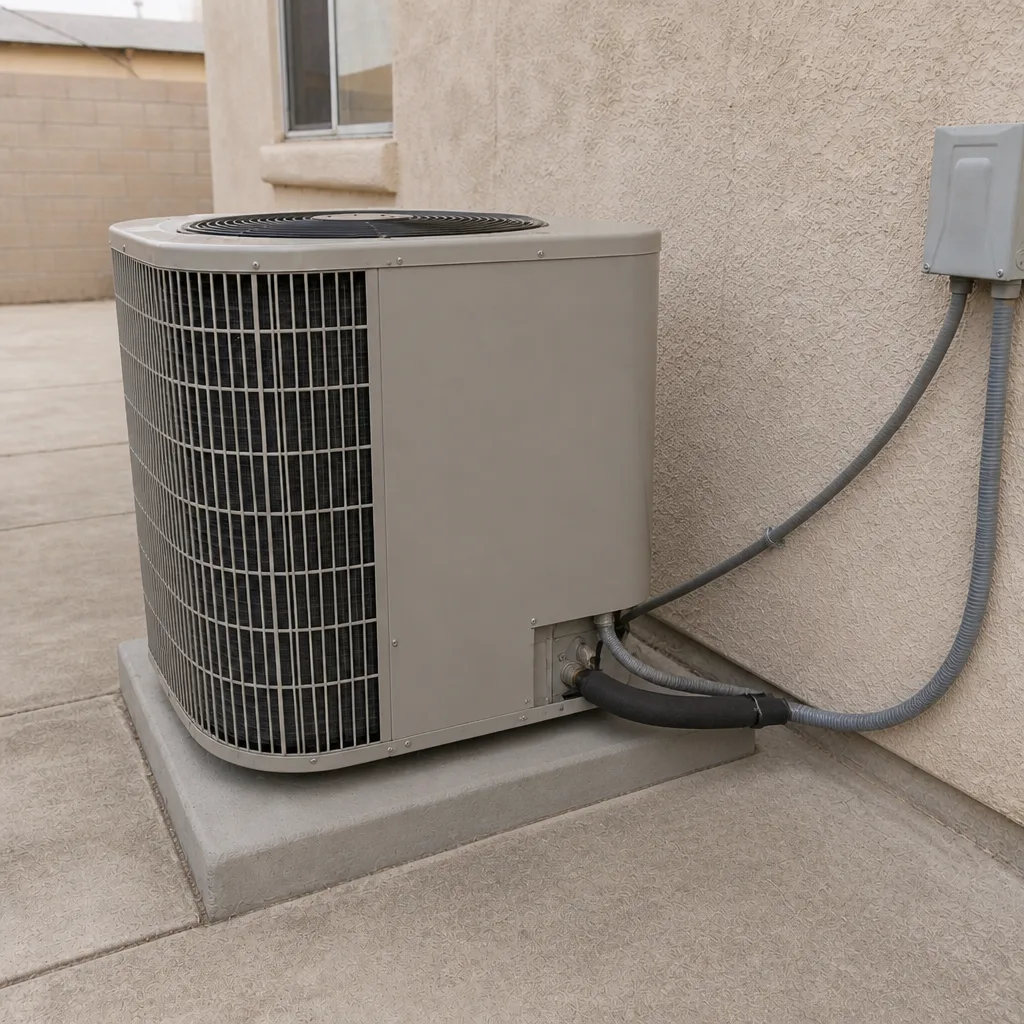 After
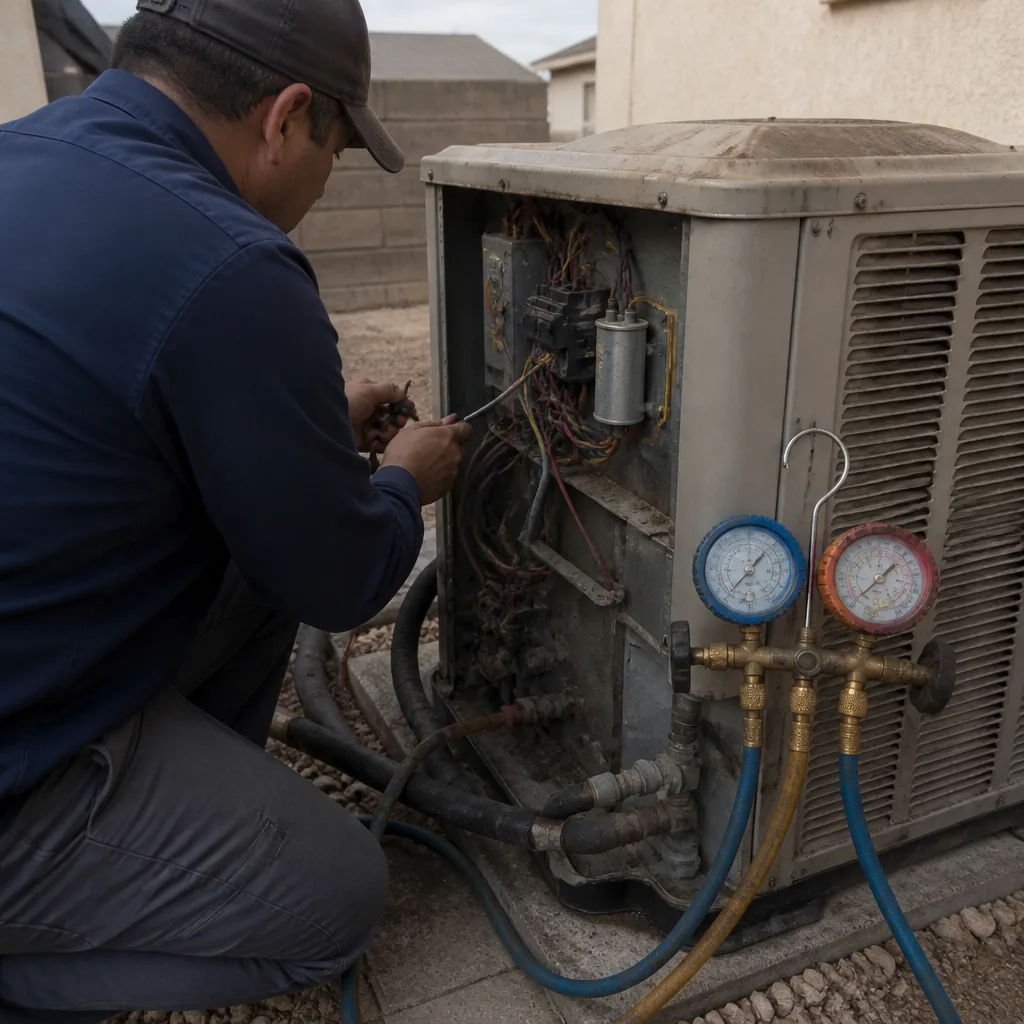 Before
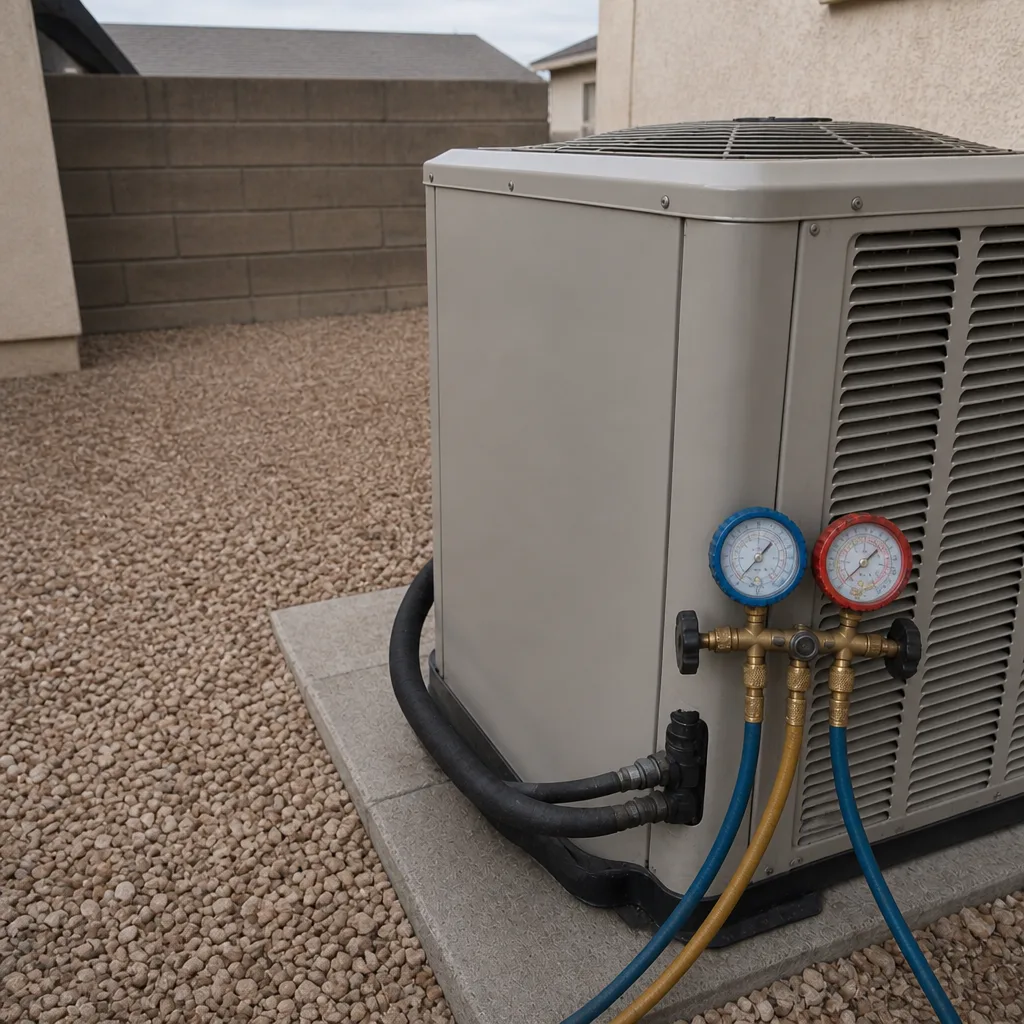 After
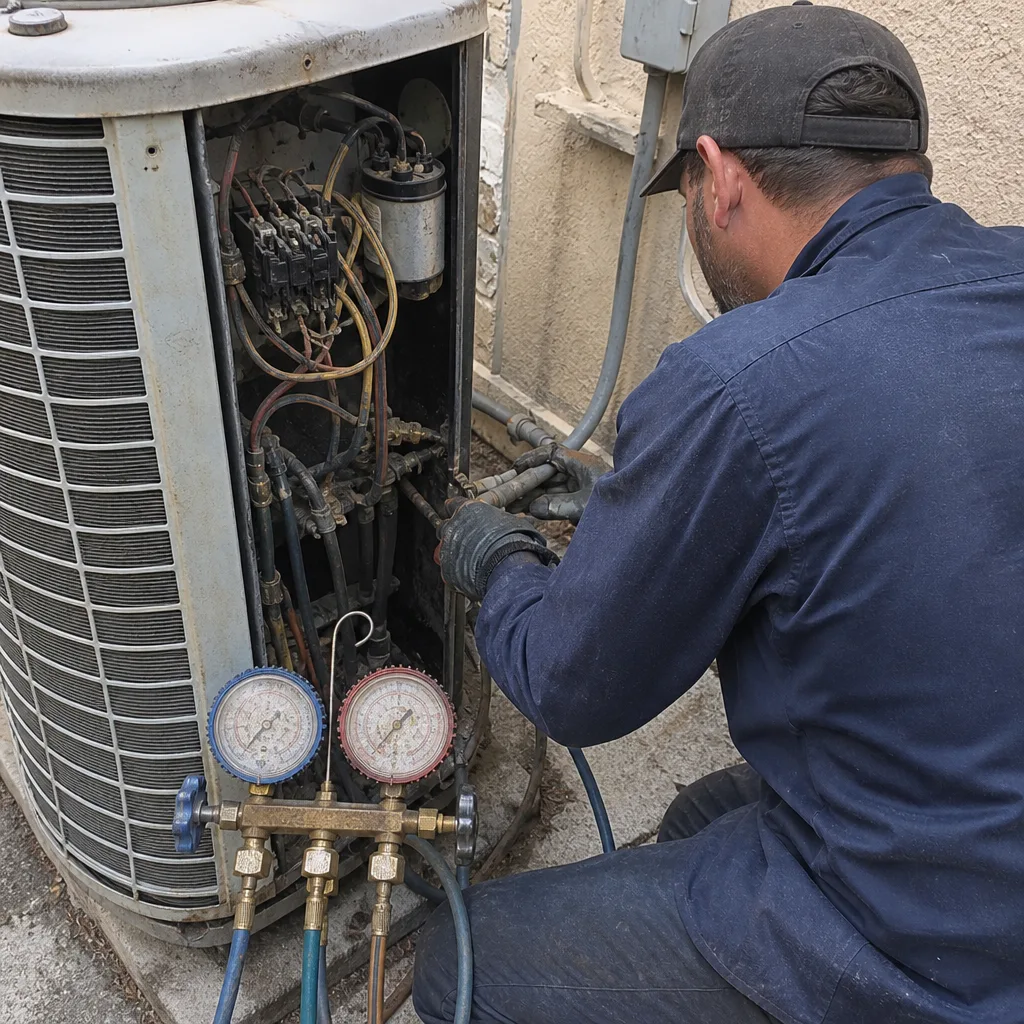 Before
 After
When to Call a Professional
You should call a professional if you find standing water in the condensate pan, insulation fibers inside a supply duct, soot or rust near a furnace flue, or any combustion or gas smell at all. Those are not “wait and see” problems. Also call if you’ve done the nighttime congestion check and the pattern points to pressure or return-air problems, or if dust keeps returning within days of cleaning after you’ve changed the filter. In North Las Vegas, the desert makes all of this worse, and getting a proper read on the system is worth the call. Ray’s Heating & Air North Las Vegas offers free estimates in North Las Vegas – call (844) 761-6871. Every job carries the 90-Day Done Right Promise, and the phone is answered by a live person around the clock, including Ray himself.
Frequently Asked Questions
Dust that returns within days, morning congestion that clears once you leave, a musty smell after rain, or static shocks all season are signs of a ventilation problem rather than normal desert dryness. Dry desert air typically causes the same dry-throat feeling everywhere, not just in one room or one specific pattern. If your symptoms track a pattern – one room, one season, one time of day – it’s worth a professional look.
A musty smell after a monsoon almost always means moisture is sitting somewhere it shouldn’t, most often in the AC condensate pan or drain line. In a dry climate it’s rarely humidity growing mold in the walls – it’s standing water from your cooling system. Call (844) 761-6871 and we’ll check it quickly.
No. Waking up congested only at home, especially in one specific room, is a sign of poor ventilation or pressure balance. Try the door-open/door-shut overnight test in this guide to narrow it down, then call for a free estimate and we’ll read the pressure balance for you.
Look for a faint exhaust smell when the furnace fires, soot or rust near the flue pipe, a draft coming into the closet (not up it), or headaches and drowsiness that fade when you leave the house. If a CO alarm goes off or you smell gas, get everyone outside and call your gas utility from outside. Call (844) 761-6871 for a combustion-safety check on any gas furnace.
Yes, and it’s one of the most common causes we see in North Las Vegas. A separated supply or return duct pulls hot, dusty attic air straight into your living space, which shows up as fine dust and insulation fibers around a register. A flashlight check on a supply register will catch it.
Not always, but tighter newer homes in North Las Vegas benefit from deliberate fresh-air ventilation, especially if indoor humidity drops below 30 percent in the winter. We’ve seen the pattern in practically every newer North Las Vegas neighborhood, and the fix is often simpler than people expect.
The Bottom Line
Most ventilation warning signs in North Las Vegas get written off as “just the desert,” and that’s exactly why they go unfixed. Dust that returns in days, a musty smell after monsoon season, waking up congested, dry throat and static, and soot or a spill smell near a gas furnace each point to a specific, fixable failure – a separated duct, a clogged condensate drain, a return-air problem, or a combustion-air issue. Do the flashlight check and the overnight test yourself; call a pro for the moisture, attic, and combustion problems. Ray’s Heating & Air North Las Vegas is locally owned and owner-operated, answers the phone live around the clock, and shows you the readings before the numbers. Call (844) 761-6871 for a free estimate.
Written by the team at Ray’s Heating & Air North Las Vegas.