
Last updated November 17, 2026
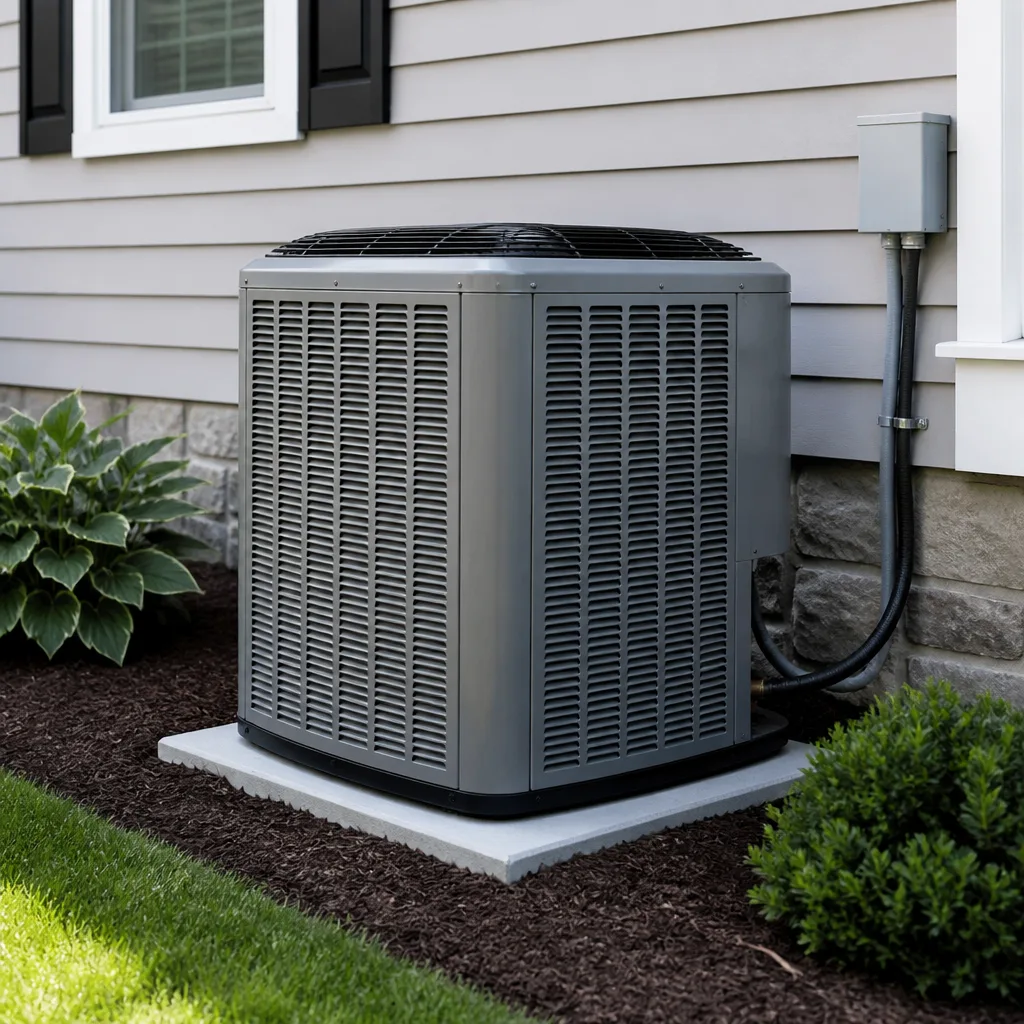 AC repair
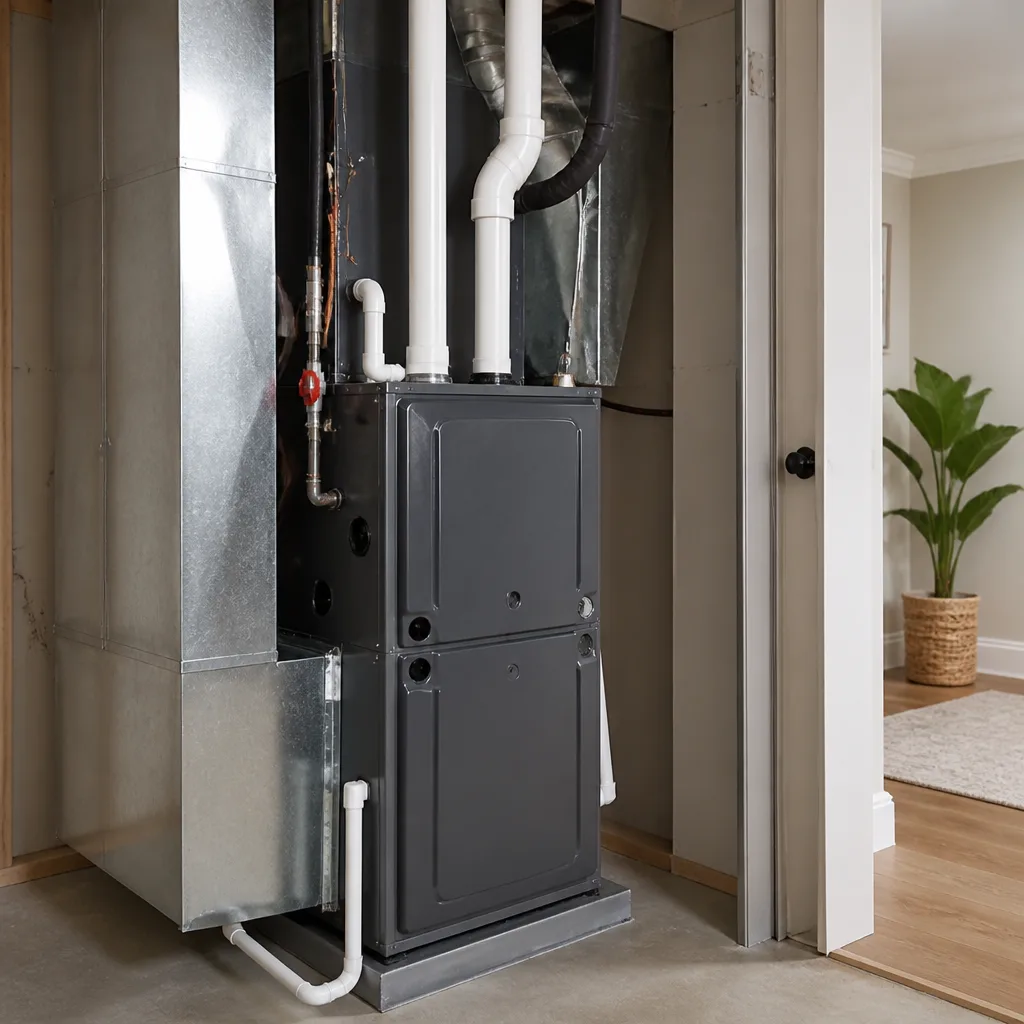 Furnace & heating
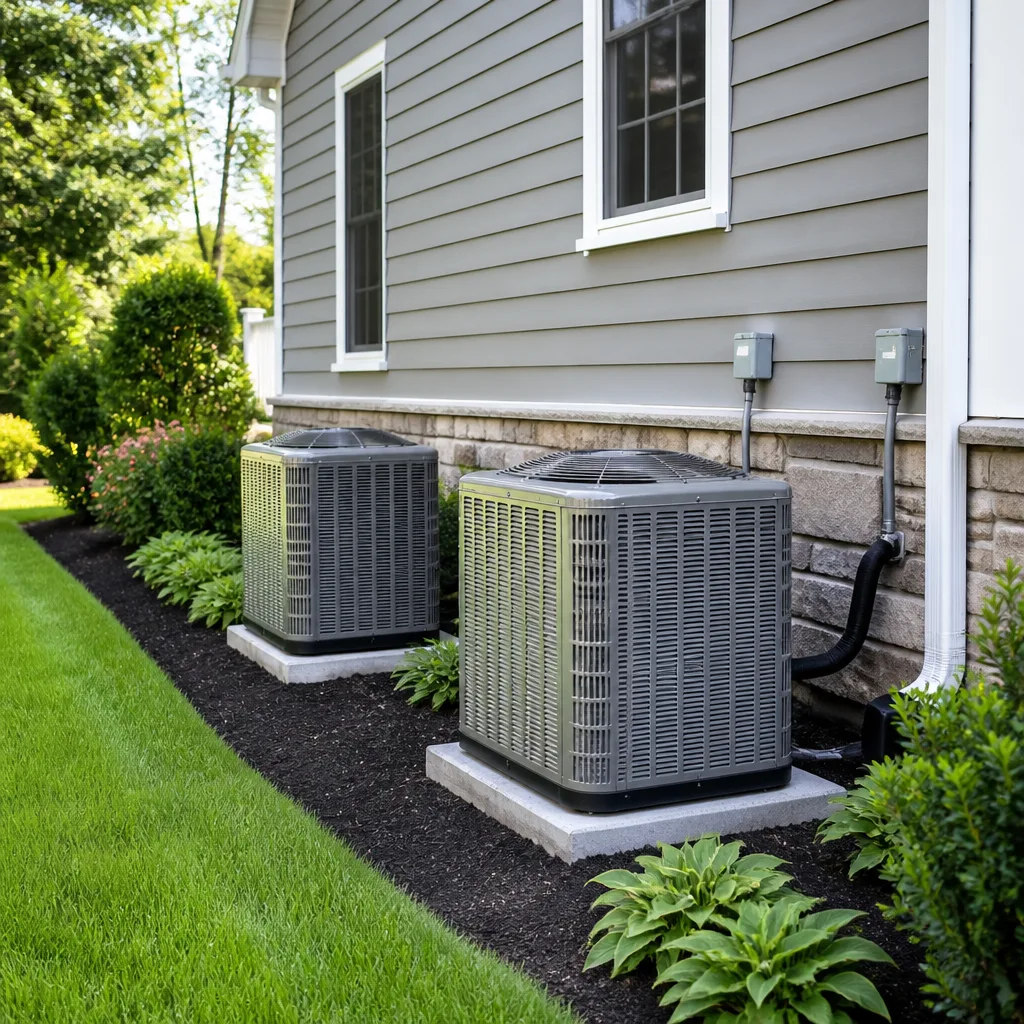 Heat pumps
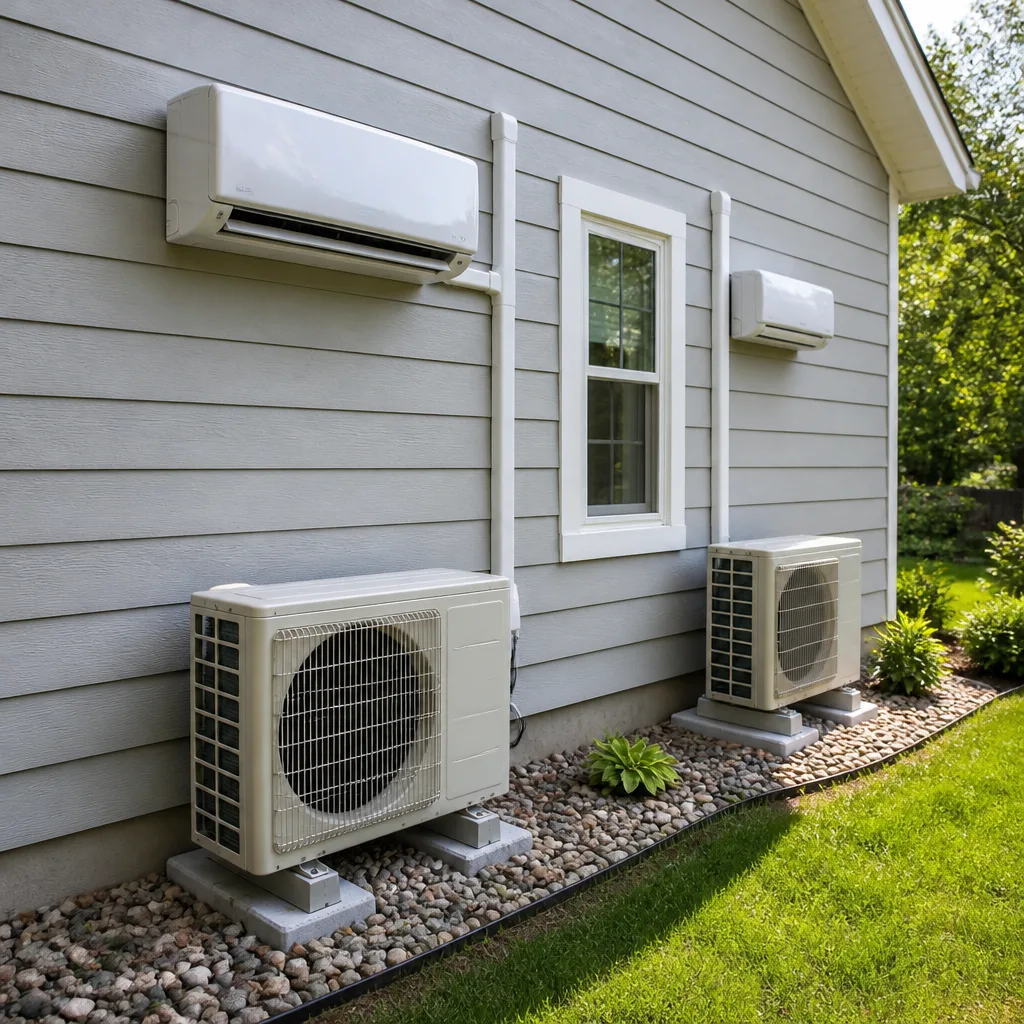 Ductless mini splits
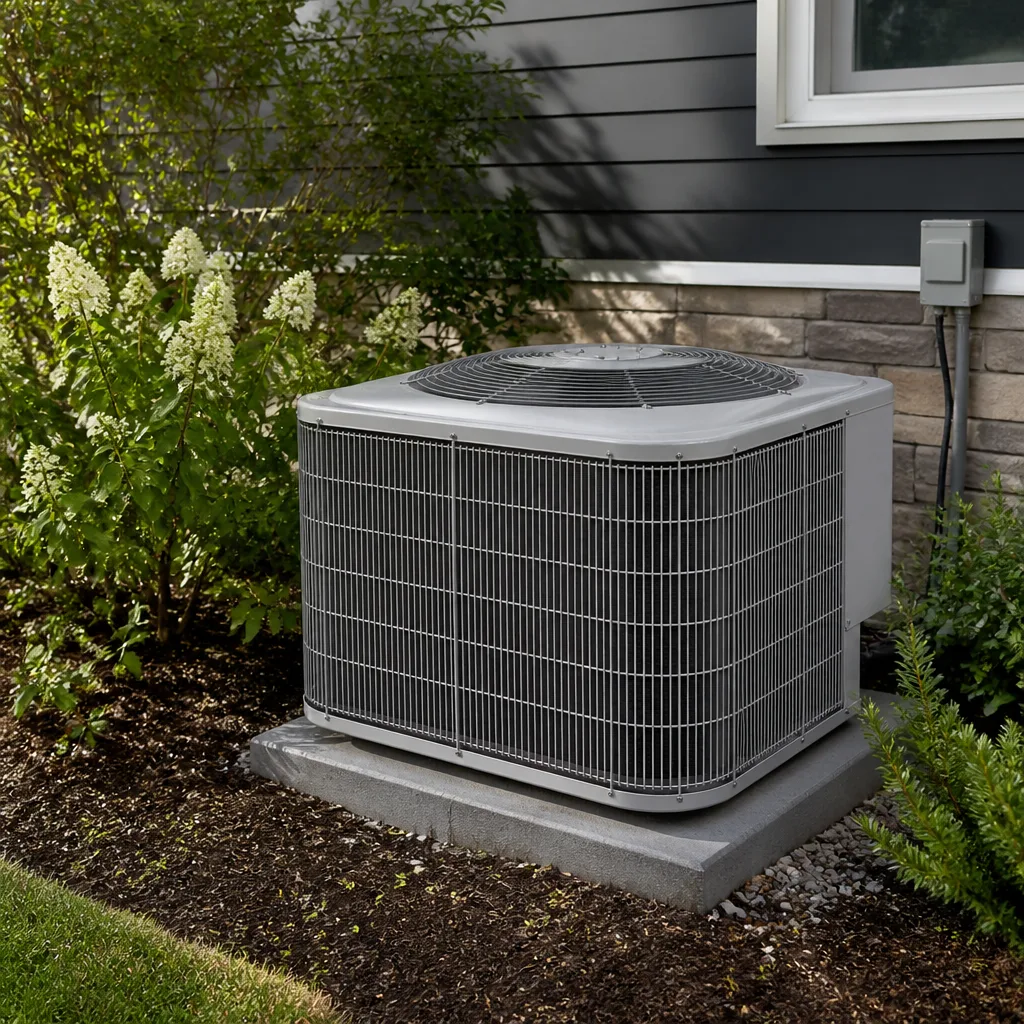 Carrier
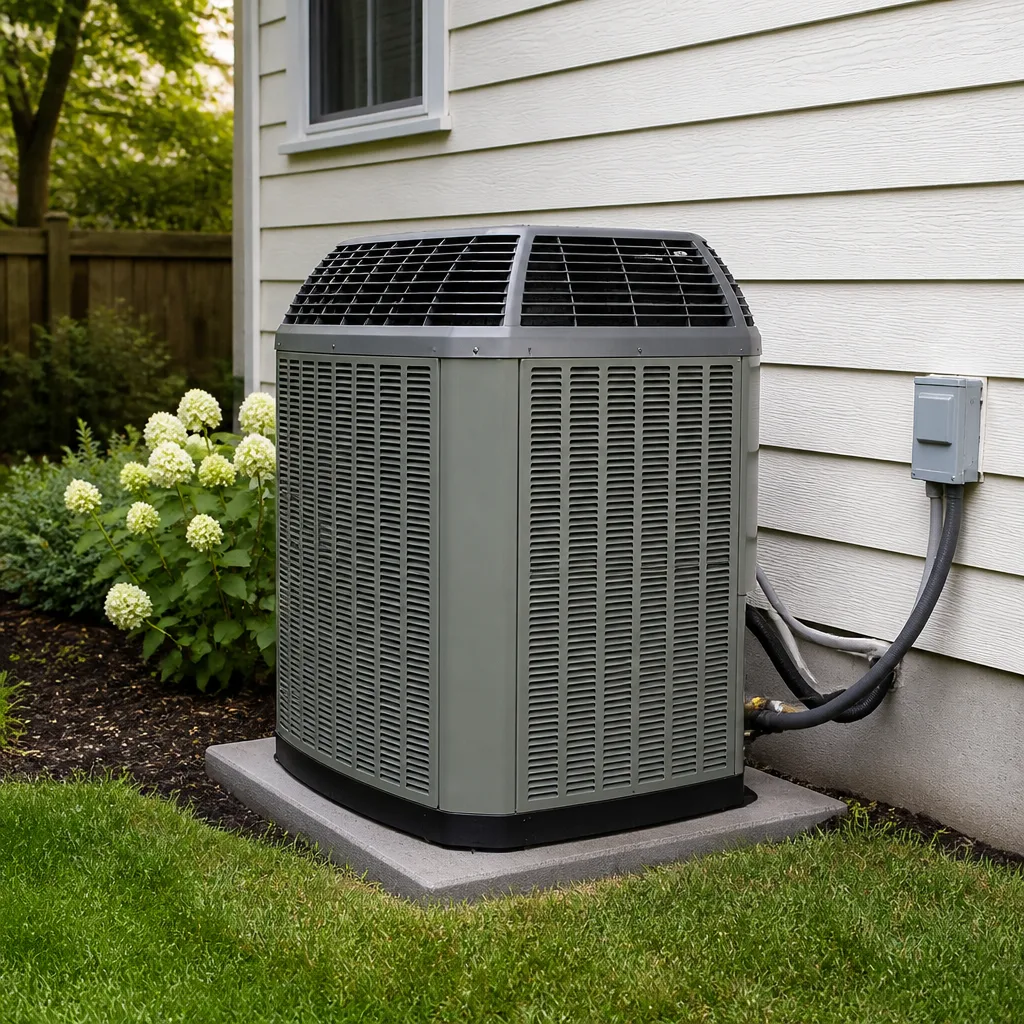 Trane
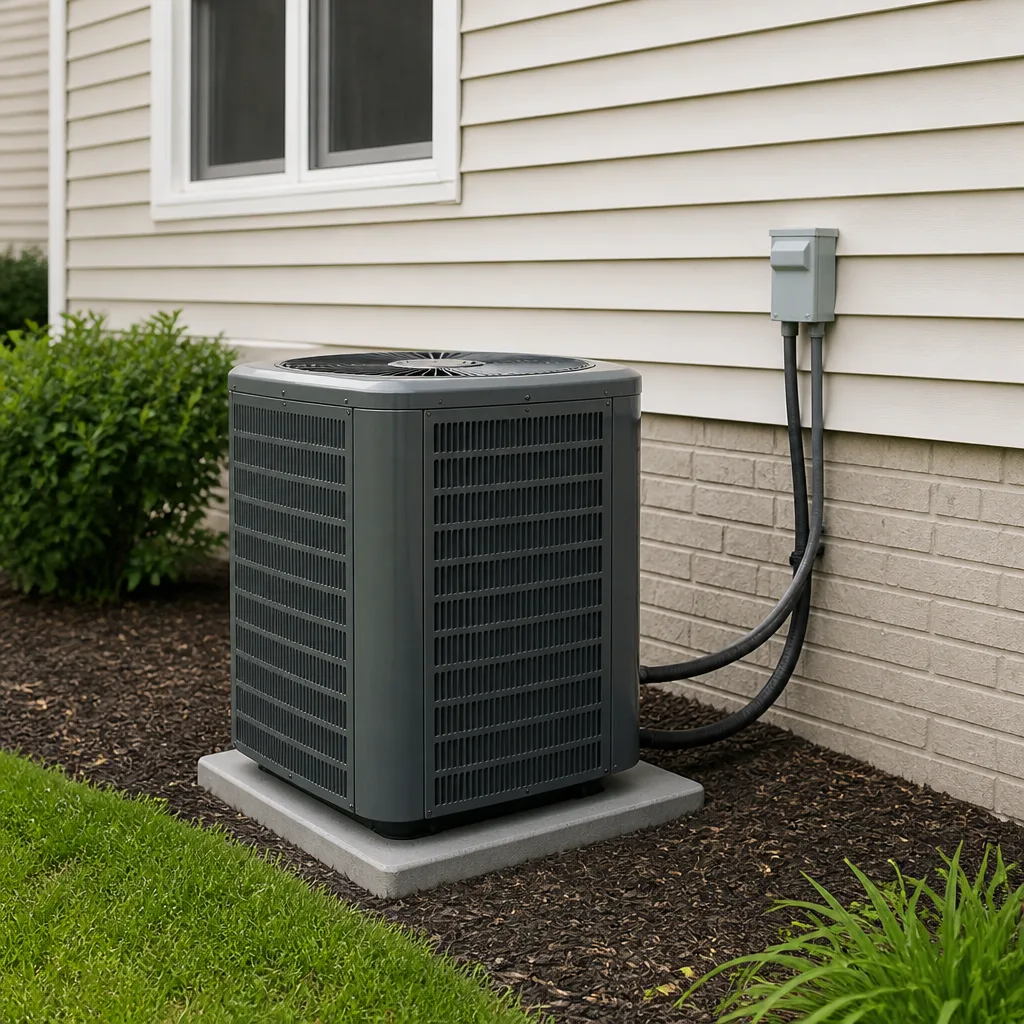 Goodman
Seasonal tune-up and full diagnostic on your Carrier, Trane, or Goodman system - readings shown to you before any repair is proposed
Diagnosis first, numbers second - you approve the repair price before a single part goes in.
Get your free estimateThe Complete Emergency & Commercial HVAC Guide for North Las Vegas Homeowners
When your RTU goes down on a 112-degree Thursday and you’ve got a crew showing up at 6 a.m. Friday, the last thing you want is a dispatcher at a national chain trying to find someone in your zip code. North Las Vegas isn’t the Strip, and it isn’t Henderson either. The industrial dust rolling off the I-15 and Lamb corridors cakes coils faster than anywhere else in the valley, and the commercial equipment up here works harder for a shorter life. This guide covers how to triage an emergency in the first 15 minutes, what Clark County actually allows same-day, and how to protect yourself from scope creep. We’ll give you the straight version, the one a neighbor would give you over the fence.
Quick Answer
For an emergency commercial HVAC failure in North Las Vegas, your first moves are to shut off the equipment at the disconnect, confirm the thermostat and breaker, and call a licensed contractor who can respond the same day. A licensed tech can handle most refrigerant, electrical, and motor repairs immediately, but anything touching gas piping, structural work, or a full unit swap usually needs a next-day Clark County inspection. Do not open panels, reset high-pressure switches repeatedly, or touch refrigerant lines yourself.
Styles & brands we work with
- AC repair
- Furnace & heating
- Heat pumps
- Ductless mini splits
- Carrier
- Trane
- Goodman
Table of Contents
- Why North Las Vegas Equipment Wears Down Faster
- How to Triage a Commercial HVAC Emergency in the First 15 Minutes
- Clark County Permits and Inspections for Emergency Repairs
- Rooftop Units vs. Split Systems: Different Emergencies, Different Parts Stories
- What to Get in Writing Before Emergency Work Begins
- When the Emergency Is at Home: North Las Vegas Residential Calls
- The Maintenance Schedule That Prevents Most Emergencies
- How to Choose a Contractor You’ll Actually See Again
Why North Las Vegas Equipment Wears Down Faster
A commercial rooftop unit in North Las Vegas typically loses efficiency two to three years earlier than the same model across town in Summerlin. It’s not the heat alone. It’s the dust.
The I-15 corridor and the Lamb Boulevard industrial stretch generate a constant load of airborne grit that gets pulled through condenser coils. When that grit mixes with the moisture a unit produces and the summer dust storms blow through, you get mud-packed coils, restricted airflow, and compressor heads running hotter than they were designed to. We’ve pulled coils on North Las Vegas warehouses that were 40 percent blocked after eighteen months of service.
Here’s what that means practically:
- Coil cleanings in North Las Vegas commercial buildings should happen every six to nine months, not annually.
- Filter changes on units serving shop floors or fabrication areas often need to happen monthly, not quarterly.
- Compressor and fan motor life drops when static pressure climbs because the coil is clogged.
- Buildings near the Speedway or the industrial parks off Losee see the highest dust loading.
The homes aren’t immune either. Houses in neighborhoods like Aliante and Providence sit close enough to the dust corridors that their outdoor condensers collect grit faster than a comparable home in Green Valley. It’s a North Las Vegas problem, and it’s why the maintenance schedule up here looks different from what the manufacturer’s manual recommends. If you want the residential repair side, our AC Repair & Installation in North Las Vegas page covers what a home call actually looks like.
How to Triage a Commercial HVAC Emergency in the First 15 Minutes
Most commercial HVAC emergencies aren’t solved by the first phone call. They’re managed by whoever’s on site in the first quarter hour. Here’s the sequence we walk property managers through when they call us at 5:30 a.m.
- Shut off the equipment at the disconnect. The service disconnect is usually within sight of the rooftop unit. Kill power before anyone touches anything. If the unit is smoking, sparking, or making a grinding noise, this is not optional.
- Check the thermostat and the breaker panel first. Plenty of “emergencies” are tripped breakers or a thermostat someone bumped. Confirm both before you assume a compressor failure.
- Note the symptoms in writing. What time it stopped, what it sounded like, whether the fan was running, what the thermostat showed, and whether any alarms fired. That log saves a diagnostic hour when the tech arrives.
- Call a licensed contractor immediately. Give them the make, model, and serial number of the unit if you can read the plate. This is where parts availability becomes the deciding factor.
- Protect the space. If this is a server room, a restaurant kitchen, or a manufacturing floor, start moving product and shutting down heat-generating equipment to buy time.
What not to touch: refrigerant lines, compressor terminals, gas piping, and any control wiring inside the cabinet. If a high-pressure switch has tripped, don’t reset it repeatedly. It tripped for a reason, and forcing it back on can turn a $400 fan motor into a $4,000 compressor replacement. We’ll say it plainly: an HVAC system has high-voltage electrical components and pressurized refrigerant. That’s a call for someone with training and insurance, not a maintenance person with a wrench.
Clark County Permits and Inspections for Emergency Repairs
Here’s where a lot of out-of-town contractors get themselves and their customers into trouble. Clark County has a permit structure, and an emergency does not erase it.
What a licensed contractor can typically handle the same day without a permit:
- Diagnostics and troubleshooting
- Replacing capacitors, contactors, fan motors, and blower motors (like-for-like)
- Refrigerant leak detection and recharge
- Cleaning coils and clearing drains
- Repairing or replacing thermostats and controls
What usually requires a permit and a scheduled inspection:
- Full rooftop unit replacement or a change-out that alters the equipment footprint or capacity
- New refrigerant line sets or rerouted line runs
- Any gas piping work on a gas-pack unit
- Ductwork modifications that change the system layout
- Electrical circuit changes to support new equipment
In practice, on a Thursday night emergency, a licensed contractor will often make the unit safe and running for the weekend, then pull the permit Monday for the permanent repair or replacement. Ask your contractor to spell out which parts of the job are immediate and which are permitted work. A contractor who can’t explain that difference is a contractor you should be nervous about.
Rooftop Units vs. Split Systems: Different Emergencies, Different Parts Stories
The emergency response is completely different depending on what’s on your roof versus what’s in your mechanical closet.
Rooftop Units (RTUs)
RTUs are the workhorses of North Las Vegas commercial buildings, and their parts availability story is genuinely different from residential splits. Common brands in this market – Trane, Lennox, Goodman – all have varying lead times. A universal replacement part like a capacitor or contactor is usually hours away. A manufacturer-specific control board or economizer module can be days. We’ve seen a Lennox RTU sit dead for four days waiting on a proprietary board. That’s why we check the exact model plate before we promise a timeline, not after.
Split Systems
Residential and light commercial split systems use more standardized components across brands. A Rheem or Goodman condenser fan motor is usually on a shelf locally. Compressors are similar. Where splits get complicated is when the system is older (12+ years) and the refrigerant has been phased out. If your split is running R-22 in a North Las Vegas property, a leak is a much bigger problem than a bad capacitor because the refrigerant itself is hard to source and expensive.
We’ve written a fuller breakdown of residential heat pump and mini-split work on our Heat Pump & Mini Split in North Las Vegas page if you want the mechanical detail.
What to Get in Writing Before Emergency Work Begins
The single best protection against a $900 emergency call turning into a $4,200 invoice is a written scope before anyone turns a wrench. Here’s what should be on that sheet.
- Diagnostic fee stated up front. The number you’ll pay before any repair is authorized. Get it in writing on the call.
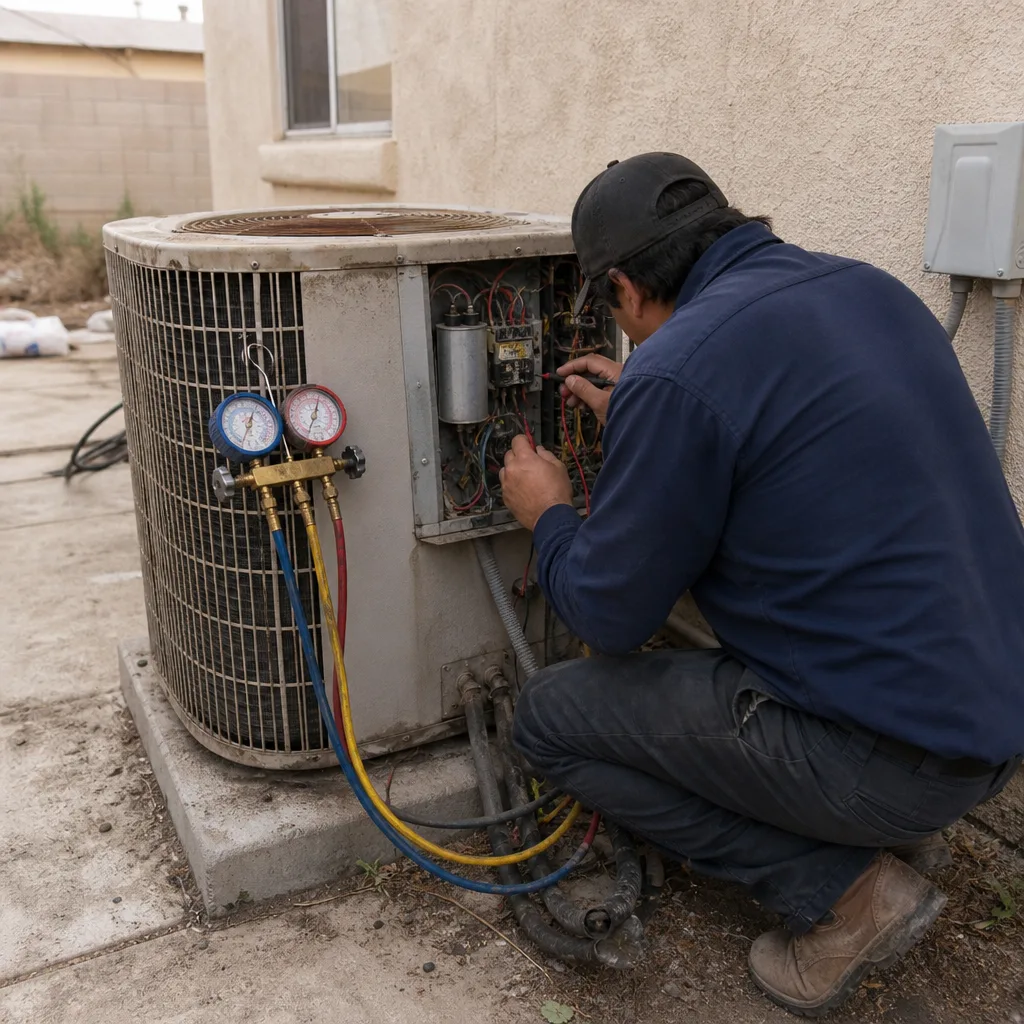
- Findings written down after diagnostics. Readings from the meter, not a guess. You should see the actual capacitor microfarads, amp draw, and pressure readings before you approve anything.
- Parts and labor broken out. Not one lump sum. A line for the part, a line for the labor, and a line for any refrigerant.
- Time-and-materials ceiling. If the job is billed hourly, put a not-to-exceed number on the sheet. The specific language you want is: “Total shall not exceed $X without written owner approval.” That one sentence is what protects you from scope creep.
- Parts sourcing timeline. “Part on order” is not a date. Ask for the ETA and what happens if the part is delayed.
- What’s not included. The exclusions paragraph is where surprise charges hide. Ask them to spell out what’s not in the price.
- Warranty terms in writing. Labor warranty, parts warranty, and how long each lasts. If it’s not on paper, it doesn’t exist.
Any contractor who balks at putting a not-to-exceed ceiling on an emergency time-and-materials job is telling you something. Believe them.
When the Emergency Is at Home: North Las Vegas Residential Calls
Most of what we do in North Las Vegas is residential, and the emergency calls have a rhythm. The two weeks in July when the overnight low doesn’t drop below 95 – that’s when we get the 2 a.m. calls. A failed compressor on a 108-degree night with a 78-year-old homeowner inside is a health emergency, full stop. Heat illness kills people here every summer, and a home without working AC in July is not a “we’ll get to it Monday” situation.
What to do when it’s your home:
- Check the thermostat first. Batteries, mode, setpoint. You’d be surprised how often this is the whole problem.
- Check the breaker at your panel. If it’s tripped, reset it once. If it trips again, stop and call.
- Check the air filter. A completely clogged filter can ice the coil and shut the system down.
- Look at the outdoor unit. Is the fan spinning? Is there ice on the lines? Is there anything making noise? Note it and call.
- Do not open the electrical panel or refrigerant service valves. Those are the two spots where a homeowner gets hurt.
If your heat goes out in January – which happens in North Las Vegas more than people expect – the same rules apply. Our Heating & Furnace in North Las Vegas page covers furnace emergencies and what to check before you call. Gas furnace work in particular should never be a DIY job; carbon monoxide is not something you troubleshoot from a YouTube video.
The Maintenance Schedule That Prevents Most Emergencies
Nine out of ten emergency calls we run in North Las Vegas are the result of a maintenance gap, not a sudden failure. The compressor that seized was running hot for two years. The blower that burned up had a filter nobody changed. Here’s the schedule we recommend for anyone in North Las Vegas, based on the climate and dust load we actually see.
Residential (Spring and Fall)
- Spring: full AC tune-up, coil cleaning, refrigerant check, capacitor test.
- Fall: furnace or heat pump tune-up, heat exchanger inspection, igniter and flame sensor check.
- Monthly: change the filter. Even the “3-month” ones need attention when North Las Vegas dust is in the air.
Commercial (Quarterly Minimum)
- Quarterly: filter replacement, belt inspection, drain pan and condenser cleaning.
- Semi-annually: full coil cleaning, electrical tightening, refrigerant pressure check, controls verification.
- Annually: economizer inspection, gas train inspection, and a written service report you can put in the file.
Ray’s Heating & Air sets up maintenance agreements on exactly that schedule, and we put the findings in a written report every visit. If we say a capacitor is on its way out, we show you the microfarad reading against the label rating. Readings first, numbers second. You see both.
How to Choose a Contractor You’ll Actually See Again
The best contractor to call in an emergency is the one you already know. Failing that, here’s what to look for in North Las Vegas, where the market is a mix of legitimate local shops and rolling crews from out of state.
- A published name and address you can verify. Not a P.O. box, not a call center, not a phone number that routes to another time zone.
- A live person answers the phone, day or night. Not a voicemail maze promising a callback within 24 hours.
- The same person shows up twice. Continuity matters. A rotating crew who has never seen your system starts from zero every visit.
- Readings before prices. A contractor who diagnoses on the phone without a meter reading is guessing.
- A written warranty on the labor. “90-day” is a good bar. Anything shorter is a red flag.
- Background-checked, uniformed, insured. If you’re letting someone onto your roof or into your business after hours, you want a check to back that up.
Ray’s Heating & Air has been locally owned and owner-operated in North Las Vegas since 2002. Every job carries our 90-Day Done Right Promise: if it’s not done right, one call brings Ray back, no hassle. We also offer a Free Second Opinion on any written estimate, which is a good way to sanity-check what the first contractor quoted you.
Common Mistakes to Avoid
- Approving a compressor replacement when the actual problem is a bad capacitor. We test the capacitor before anyone says the word compressor. A $30 part and a $1,900 conversation get confused way too often in this market; make the contractor show you the microfarad reading.
- Resetting a tripped breaker repeatedly. If it trips three times, something is shorting. Forcing it back on turns a $250 fix into a $2,500 burn-up, and it’s a fire risk.
- Calling a “24/7” number that routes to voicemail. A lot of the ads you see on the freeway billboards route to a call center that dispatches whoever answers. Test the number at 2 a.m. before you have a real emergency.
- Letting a contractor start a time-and-materials job without a not-to-exceed ceiling. Emergency pricing is where scope creep lives. Get the number in writing.
- Ignoring the dust load on your coils. An annual coil cleaning in Henderson is a nine-month job in North Las Vegas. Skip it and you’re burning compressor life to save $180.
- Replacing a rooftop unit on Friday afternoon before you’ve checked the parts window. RTU change-outs almost always need a permit and inspection. Pushing a Friday install pushes the inspection to Monday and you spend the weekend down anyway.
- Hiring a contractor with no published address. This one matters more in North Las Vegas than almost anywhere else in the valley. There are a lot of truck-and-a-cell-phone operations working out of the industrial corridor. Some are excellent. Some disappear after the check clears. The published address and license number is the sort of thing you check before you need it, not after.
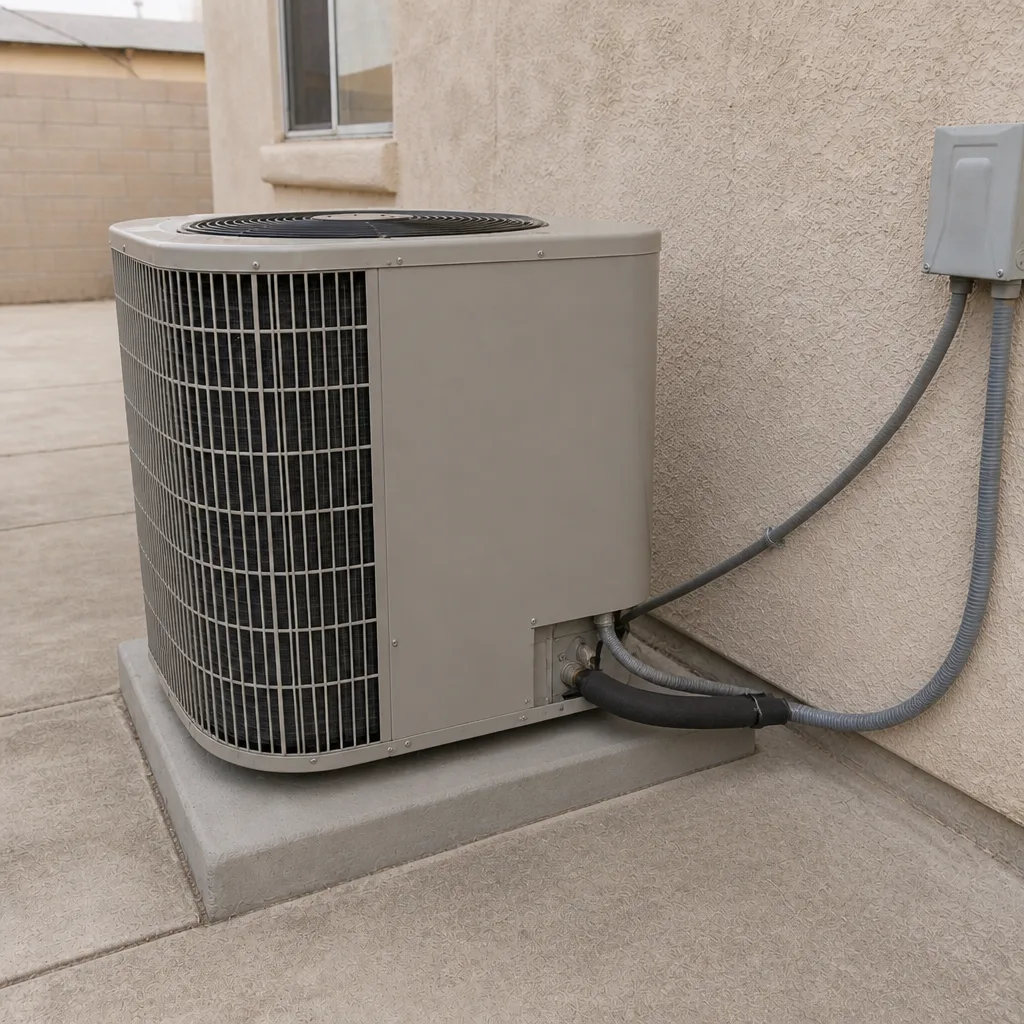
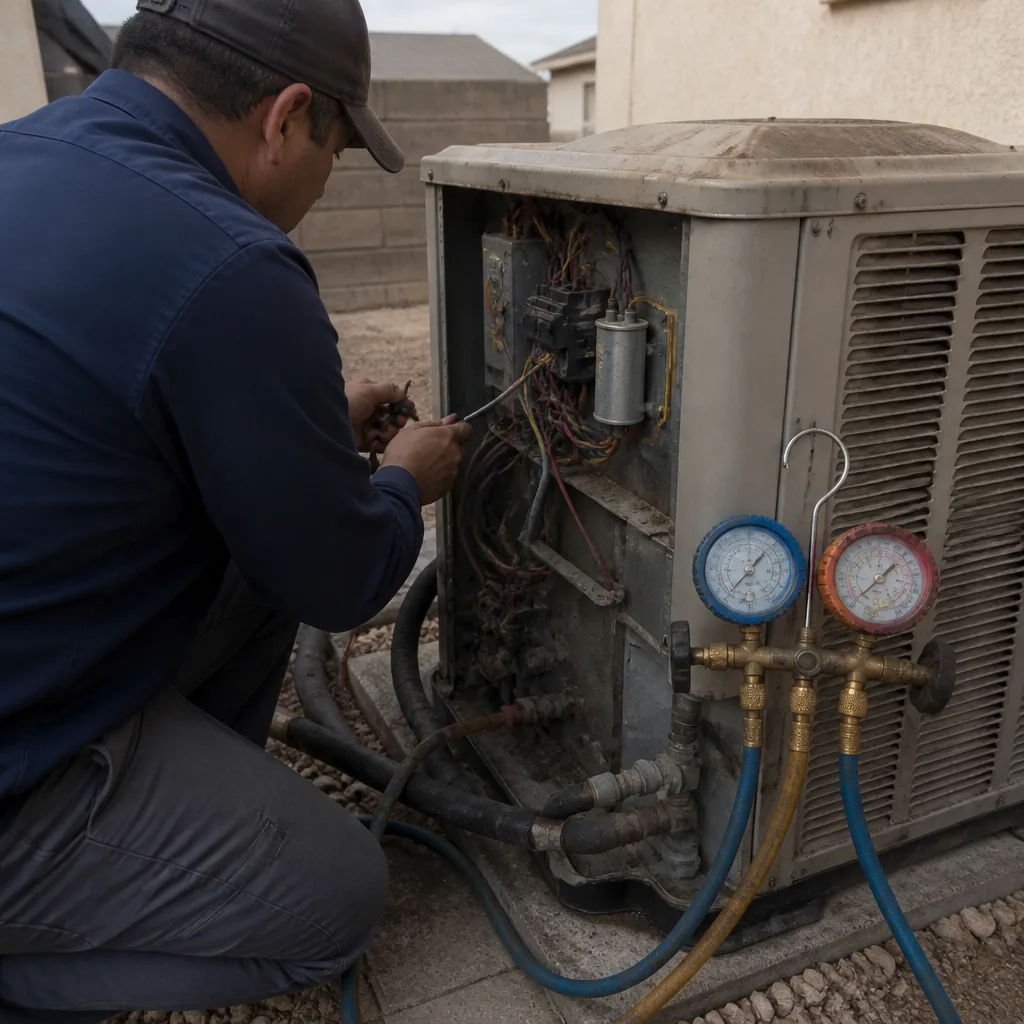
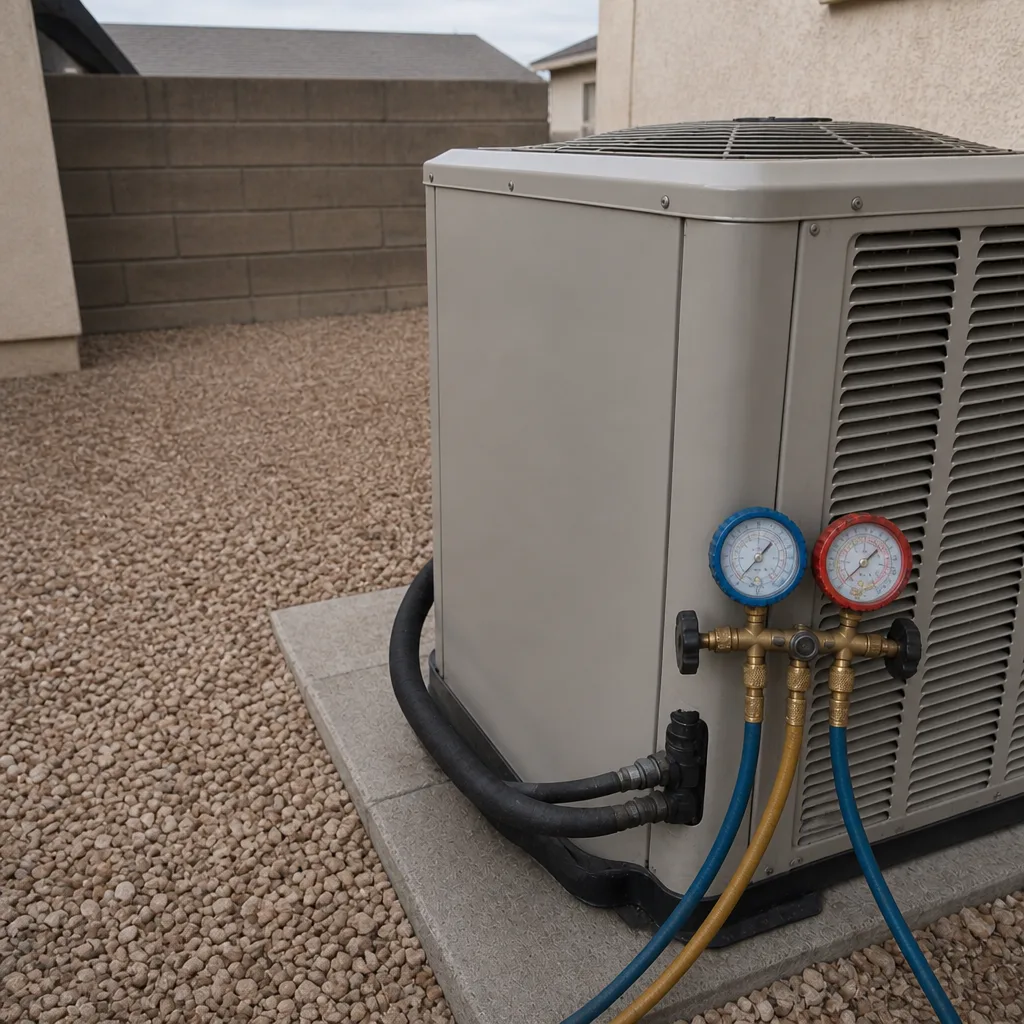
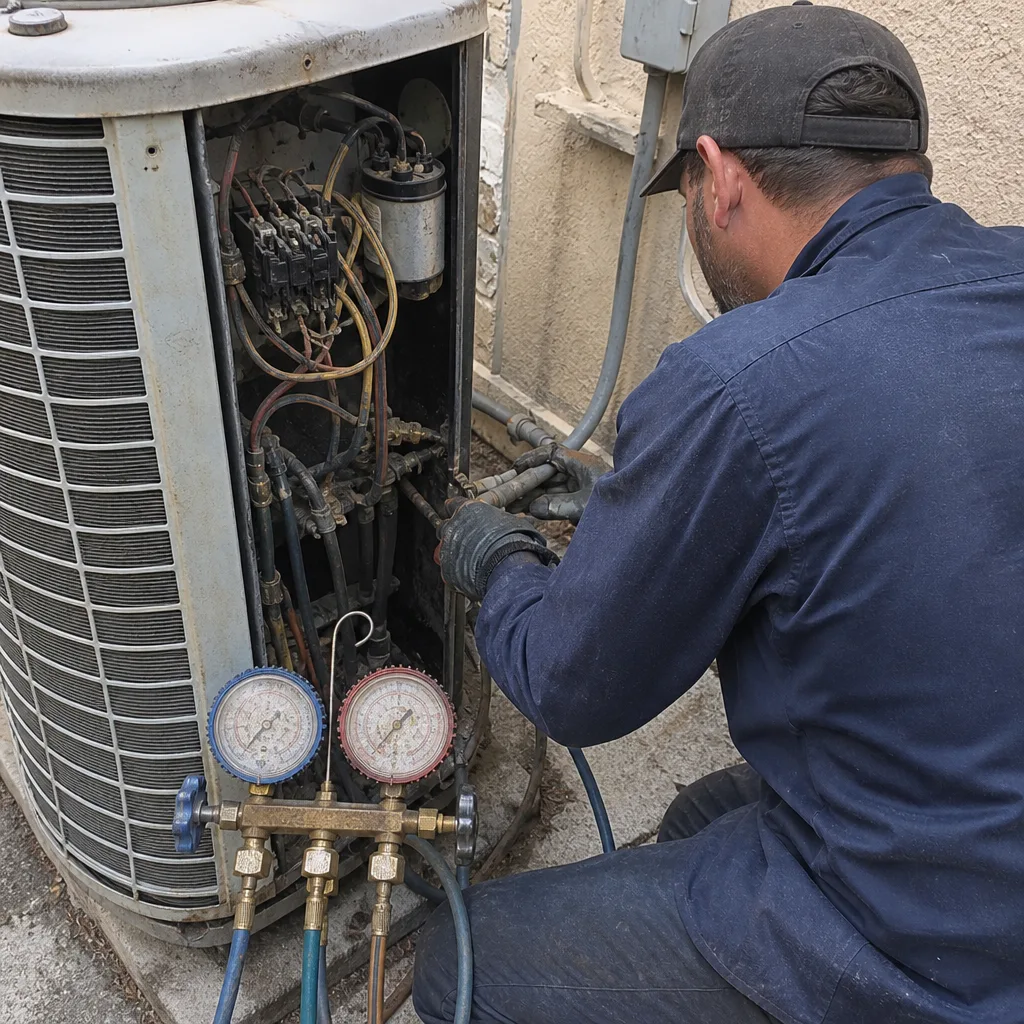
See the difference
 Before
 After
 Before
 After
 Before
 After
When to Call a Professional
Call a professional immediately if you smell gas, if a unit is smoking or sparking, if a breaker won’t stay reset, or if anyone in the home or building is at medical risk from the temperature. Those are not diagnostic puzzles to work through with a phone in one hand; they’re calls to make right now. Less urgent: a unit running but not cooling well, odd noises, ice on lines, or a thermostat that won’t respond. Those can usually wait for a scheduled visit, but don’t push them past a few days in summer. Ray’s Heating & Air North Las Vegas offers free estimates in North Las Vegas – call (844) 761-6871. Our technicians have up to 24 years of experience, and every call is answered by a live person, day or night, no voicemail maze.
Frequently Asked Questions
Most North Las Vegas commercial HVAC emergencies get a response the same day, and true no-cooling emergencies get priority. Response time depends on the time of day and what’s failing; a bad capacitor can be diagnosed and swapped in one visit, while a factory-ordered control board adds days for delivery. Call (844) 761-6871 for a straight estimate on response time for your address.
Universal parts like capacitors, contactors, and standard fan motors are usually fixable on the same visit. Manufacturer-specific control boards, economizer modules, and compressors often need to be ordered, and lead time varies by brand – a Goodman part is typically easier to source locally than a proprietary Trane or Lennox board. We check the exact model plate and give you the ETA in writing before you commit.
Most emergency repairs – replacing a capacitor, motor, contactor, or recharging refrigerant – do not require a permit. Full unit replacements, new line sets, gas piping work, and duct modifications typically do require a Clark County permit and inspection. A licensed contractor can usually handle the diagnostic and temporary fix the same day and schedule the permitted work for the next business day.
If the unit is under 12 years old and the repair costs less than 40 percent of a replacement, repair is usually the right call. Past 15 years, or after the second compressor failure, replacement is usually cheaper over the next five years. The dust load in North Las Vegas shortens equipment life – a commercial RTU up here often gives 13 to 15 years of good service versus 18 to 20 elsewhere in the valley, so plan accordingly. Call (844) 761-6871 for a free estimate on both paths.
Diagnostic fees typically run $75 to $150 for a commercial call, and standard repairs like a capacitor or contactor swap run $200 to $450 once parts and labor are included. A compressor replacement runs $1,800 to $3,200 depending on tonnage and brand. We give you the numbers in writing before any work begins, and current offers include $40 off any repair over $200, a free second opinion on any written estimate, no trip charge inside the county, and a 10 percent senior and veteran discount. Call (844) 761-6871 for your exact quote.
Some utility and efficiency rebates exist, and financing is available for replacement jobs. Rebate eligibility depends on the equipment model and efficiency rating – we’ll tell you which options qualify in writing, and we handle the paperwork. New equipment installs are scheduled jobs, not same-day, because the load calculation and equipment order have to happen first. Call (844) 761-6871 to start the quote process.
The Bottom Line
North Las Vegas is a different HVAC market than the rest of the valley. The dust from the I-15 and Lamb corridors eats equipment faster, the commercial building stock takes more abuse, and the contractor mix includes more roll-in crews than you’d like. The playbook is simple: know your equipment, keep the maintenance current, get a written not-to-exceed number before anyone starts, and call someone whose name and address you can actually verify. Ray’s Heating & Air has been owner-operated in North Las Vegas since 2002, and every job still carries the 90-Day Done Right Promise. If you want the full-service picture, start at our Ray’s Heating & Air North Las Vegas home page, or call (844) 761-6871 for a free estimate and get the same person on the phone at 2 a.m. that shows up at your door in the morning.
Written by the team at Ray’s Heating & Air North Las Vegas.