
Last updated November 17, 2026
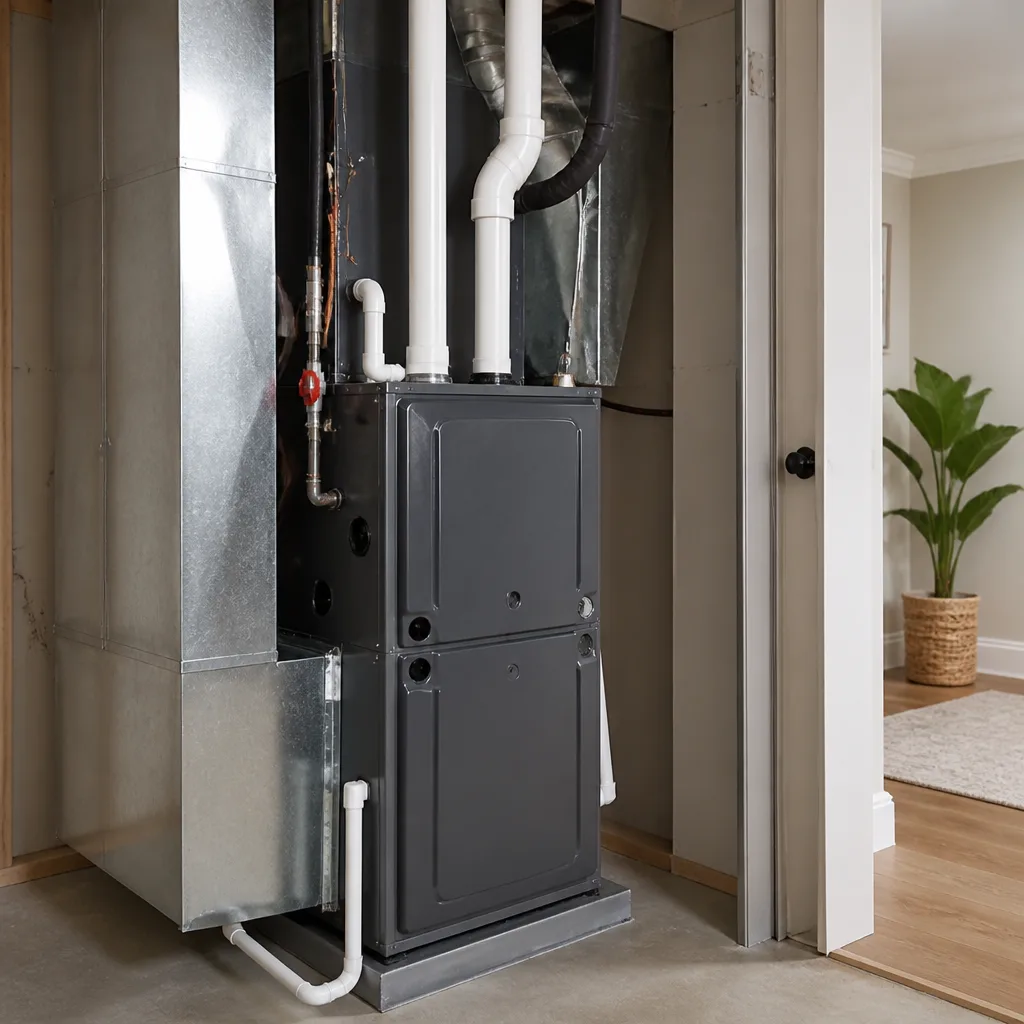 Furnace & heating
 AC repair
 Heat pumps
 Ductless mini splits
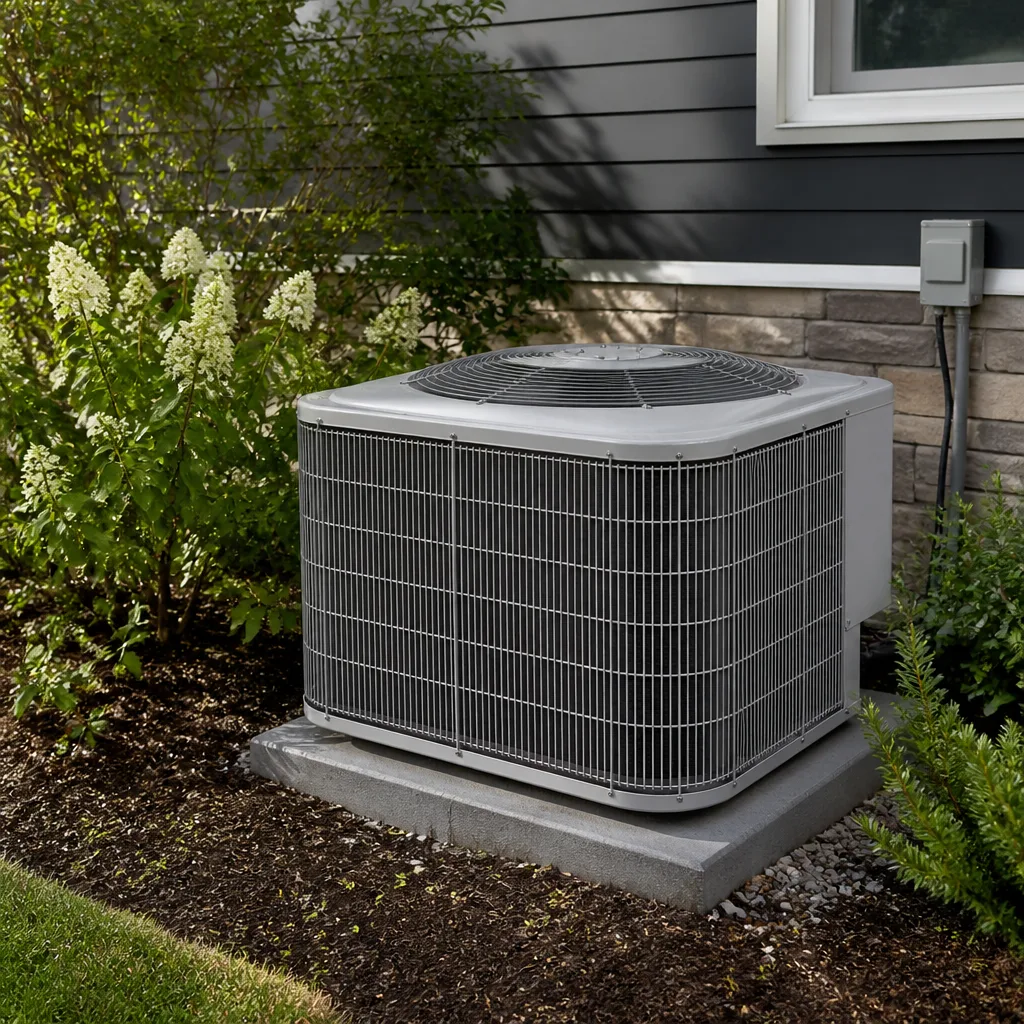 Carrier
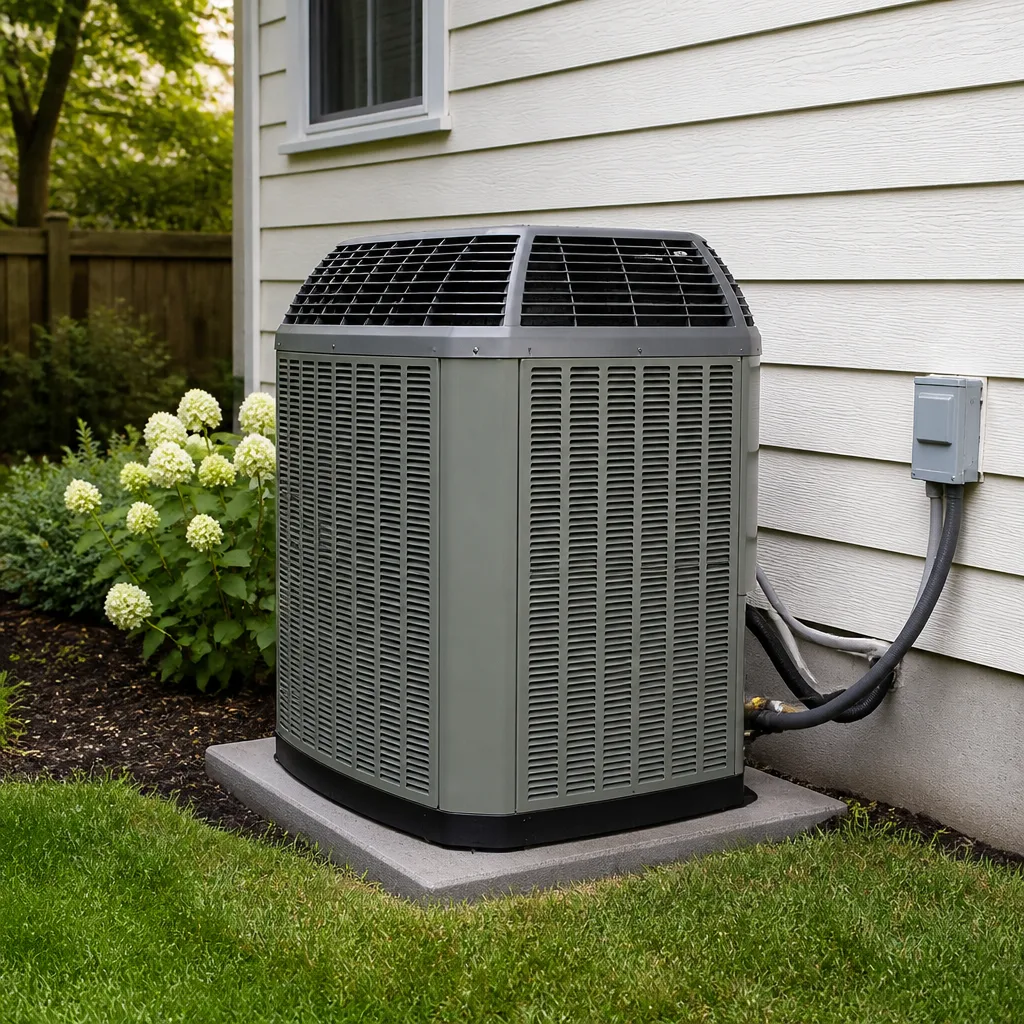 Trane
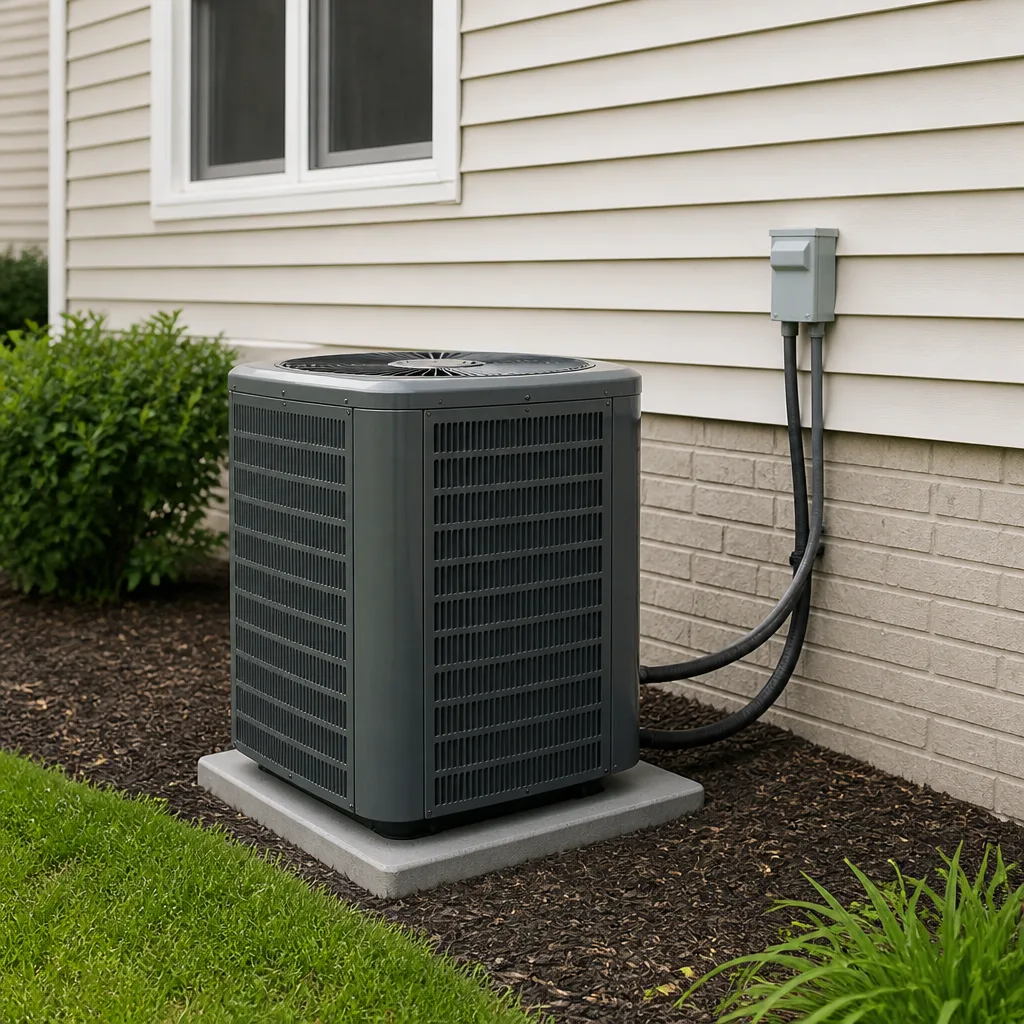 Goodman
Seasonal tune-up and full diagnostic on your Carrier, Trane, or Goodman system - readings shown to you before any repair is proposed
Diagnosis first, numbers second - you approve the repair price before a single part goes in.
Get your free estimateHeating & Furnace Troubleshooting: Common Problems and How to Fix Them
About 40% of the no-heat calls we run in November are a tripped breaker, a clogged filter, a pilot that needs relighting, or a thermostat set to “cool” instead of “heat.” That is a free fix that takes ten minutes. The rest of the time, your furnace is telling you exactly what failed before anyone opens a panel. In this guide we walk the honest homeowner sequence in the order that actually solves problems, not the order that runs up a service ticket. We cover the four no-start culprits, how to read your unit’s error code blinks, how to tell a won’t-start from a short-cycling from a blowing-cold furnace, carbon monoxide signs that mean you leave the house, and exactly what observations to give the person on the phone in North Las Vegas so the quote is accurate before the truck ever pulls up.
Quick Answer
If your furnace won’t heat, check four things in this order: the thermostat is set to “heat” with fresh batteries, the circuit breaker is not tripped, the air filter is not clogged, and the pilot light or igniter status. Those four account for roughly four in ten no-heat calls we see. If those check out and the furnace still won’t start, flashes a code, smells like gas, or the blower runs cold, stop and call a licensed technician. Gas and ignition work is not a homeowner job.
Styles & brands we work with
- AC repair
- Furnace & heating
- Heat pumps
- Ductless mini splits
- Carrier
- Trane
- Goodman
Table of Contents
- The homeowner diagnostic sequence you should try first
- Won’t start versus shuts off quick versus blowing cold
- How to read your furnace’s error code blinks
- Why the filter is the most ignored part in the house
- Pilot light and hot surface igniter: what you can check
- Carbon monoxide warning signs to leave the house for
- What to tell the technician when you call
- Common mistakes to avoid
The homeowner diagnostic sequence you should try first
Start with the thermostat, and start there honestly. Nine out of ten “no heat” calls we take start with a thermostat question, and it saves a truck roll about a third of the time. Do this in order, and do not skip ahead.
- Thermostat settings and batteries. Set the switch to “heat,” not “auto” and not “cool.” Raise the set point five degrees above the current room temperature. Pull the cover and check the batteries on a battery-powered unit. Flick the fan switch to “on.” If the blower runs on “on” but not “auto,” the problem is downstream of the thermostat and you need a technician.
- Circuit breaker. Find the breaker for the furnace and the air handler. It may be in the main panel or a subpanel. Look for a breaker that is tripped (halfway between on and off) or tripped to off. Cycle it off and back on once. If it trips again immediately, stop. That is a short, and it is not a homeowner fix.
- Filter. Pull the filter from the return slot or the door of the air handler. If it is grey and matted, or you can hold it up to a light and barely see through it, replace it. A clogged filter chokes airflow, trips the high-limit switch, and shuts the burner down within minutes. We see this constantly in Mojave Desert homes where dust settles fast.
- Pilot light or igniter. If you have an older standing-pilot furnace, look through the sight glass for a flame. Relight it only per the printed instructions on the unit’s door panel and only if you smell no gas. If your furnace is newer and has a hot surface igniter, you can watch through the sight glass during the first 30 seconds of a call for heat to see if the igniter glows orange.
That sequence covers about 40% of the calls we take in early heating season around North Las Vegas. It costs you nothing, and it tells a technician exactly where to look first.
Won’t start versus shuts off quick versus blowing cold
How your furnace fails is diagnostic information. Three symptoms point to three different components and three different urgency levels.
Furnace won’t start. No blower, no click, no flame. This is usually an electrical or control issue: thermostat batteries, a tripped breaker, a bad igniter, a pressure switch that isn’t closing, or a safety switch triggered by a shutoff panel or a blocked flue. Urgency: moderate. It is not a safety emergency, but call the same day because a cold house at 45 degrees overnight is a health risk for older adults.
Furnace starts and shuts off within seconds to a few minutes. The burners light briefly and go out, or the blower runs for a minute then stops. In our experience, short cycling lands in one of four buckets: a clogged filter, a dirty flame sensor, a failing high-limit switch, or a thermostat set with a narrow heat differential. A clogged filter is homeowner-fixable. The flame sensor almost never is. Urgency: moderate to high. Repeated short cycles wear the heat exchanger faster, so don’t let it run for weeks.
Furnace runs but blows cold. The blower is moving air, and the air is not hot. That means the burner is not lighting or the gas valve is not opening. On a gas furnace, this is a component issue. On a heat pump in heat mode, it might be a reversing valve or defrost cycle issue, which is a different repair. If you’re in a heat pump home and not sure which you have, our Heat Pump & Mini Split in North Las Vegas page covers the difference in a way that makes sense for homeowners. Urgency: high if the outside temperature is below freezing.
How to read your furnace’s error code blinks
Most modern furnaces made in the last twenty years have a small LED window on the control board. When the furnace locks out or fails to light, that LED flashes a sequence. Read it. It literally tells you which switch failed to close or which sensor did not report.
How to read it: remove the upper door (typically two screws), and watch the LED for a full 60-second cycle. Count the number of flashes in each burst, note the short pause between bursts, and look for the chart printed on the inside of the door. The chart maps blinks to components. Do not touch any wires, and do not stick your hand into the burner compartment. Just read and close up.
Five of the codes we see most often in North Las Vegas:
- One flash: Typically a “flame sensed with gas valve off” or a pressure switch fault. Often a blocked flue or a condensate line clogged with dust. Stop and call.
- Two flashes: Pressure switch did not close. This often points to a blocked flue, a cracked pressure switch tube, or a discharge blower issue. Call.
- Three flashes: High-limit switch tripped. Check the filter first. If the filter is clean and it trips again within minutes, call.
- Four flashes: Flame sensor or ignition problem. This is the dirty flame sensor code. Call.
- Five flashes: Rollout switch tripped. A rollout switch is a safety device that trips on flame rolling out of the burner. This is a carbon monoxide risk and you should shut the furnace off at the breaker and call immediately.
Different brands number them differently, so read your unit’s chart. But that five-code list covers most of what we hear on the phone.
Why the filter is the most ignored part in the house
A furnace that is choked for air will overheat and shut down, and it will do it over and over, and each cycle costs you money and stresses the heat exchanger. That is a lot of damage from a $12 part.
North Las Vegas and the surrounding communities like Aliante, Centennial, and the neighborhoods off Carey and Simmons see heavy dust in spring and fall. Between the wind and the construction near the 215 and the 15, filter loading happens faster here than in most places we hear about. During windy season, check the filter every 30 days. The rest of the year, every 60 days is honest.
Use the filter size printed on the old filter’s edge. MERV 8 is right for most homes. Do not upgrade to MERV 13 without asking first: it can choke a standard blower and cause more problems than it solves. If you have questions about that, our Ray’s Heating & Air North Las Vegas home page is the place to start.
Pilot light and hot surface igniter: what you can check
On a standing-pilot furnace, you can relight the pilot following the printed instructions on the door panel, provided you smell no gas. Turn the gas valve knob to “pilot,” hold a lighter at the pilot tube, hold the reset button for 30 seconds, then release and set to “on.” If the pilot won’t stay lit after two tries, stop. That is a thermocouple issue and it is not safe to keep trying.
On a furnace with a hot surface igniter, you cannot fix it, but you can watch it. Call for heat and look through the sight glass during the first 30 seconds. You should see the igniter glow orange, the burners light, and the flame turn steady blue. If you see the glow and no light, it is a gas valve or a gas supply issue. If you see no glow at all, the igniter is likely dead. Either way, that is a technician diagnosis, not a homeowner repair.
Safety note. A gas furnace involves a gas valve, a burner assembly, a flue, and a heat exchanger. Touching any of those parts is not a homeowner job. Our rule: if you smell gas at any point, leave the house and call from outside.
Carbon monoxide warning signs to leave the house for
Every gas furnace produces a small amount of carbon monoxide, which is why the flue exists. A properly vented furnace is safe. A furnace with a cracked heat exchanger, a blocked flue, or a combustion problem is not. Know the signs that mean leave now, and don’t troubleshoot them.
- A yellow or orange flame instead of a steady blue flame. Light dust during initial ignition is normal. A persistent yellow flame at steady state is a combustion problem.
- A CO alarm going off, even once. Leave. Call the fire department first, then a technician.
- Soot streaks or black smudges around the burner compartment, the vent, or the flue collar. This is unburned residue and it means combustion is failing.
- A damp or stuffy smell in the house, or windows fogging up on the inside during a heating cycle. Moisture in the exhaust is a symptom.
- Headaches, dizziness, or nausea that seem worse at home and better when you leave. This is a house-level symptom, not a furnace symptom, and it deserves a CO test regardless of what the furnace looks like.
If you see any of these, get out of the house and call from outside. A CO test is a free-standing inspection we run with every furnace repair, and it is worth every minute.
What to tell the technician when you call
The better the phone call, the more accurate the quote. Here is the exact information that turns a vague estimate into a real one before anyone pulls up to your house.
- The make and model of your furnace. Find the data plate inside the burner compartment or on the side of the unit. Write down the brand: Trane, Lennox, Goodman, Rheem, and the model number.
- The error code blinks. Give the exact number of flashes and the length of the pause between bursts.
- What the unit does during the first 30 seconds of a call for heat. Blower runs? Clicking sound? Igniter glows? Burners light? That minute of observation tells us more than three questions will.
- Filters and age. When the filter was last changed and roughly how old the furnace is. A fifteen-year-old unit points to different diagnostic expectations than a two-year-old unit.
- Any smell. “Smells like gas” means leave the house first. “Smells like burning dust” on first light of the season is normal. “Smells like rotten eggs” is a gas leak signal, not a furnace issue.
- Your symptom classification. Won’t start, starts and shuts off quick, or runs but blows cold. Use one of those three phrases and your technician knows where to start.
That is the call that lets the person on the other end tell you whether it is a $40 flame sensor or a heat exchanger, before anyone pulls up. It is one of the reasons we take the call at the shop with the panel chart open.
Common Mistakes to Avoid
- Resetting the breaker over and over without checking anything else. If a breaker trips twice, something is wrong. Resetting it a third time risks damage to the compressor, the blower, or the control board. Call and stop.
- Throwing away a dirty flame sensor without a technician’s eyes on it. The part is cheap, but you don’t know whether the flame sensor is dirty, failing to sense, or whether the burner is producing a weak flame. Diagnose, don’t guess.
- Ignoring a yellow flame. A steady blue flame is what you want. A yellow or orange flame that persists after the first 10 minutes of a heat call is a combustion issue. Do not run the furnace waiting for it to fix itself.
- Buying a bigger filter is not the same as buying a better filter. MERV 13 and above reduce airflow. Stick with MERV 8 unless a technician balances the system for the higher restriction.
- Taping the door panel shut. We have seen houses where a homeowner taped the furnace door closed because it rattled. That door carries the safety switch that shuts the unit down when the door is open, and taping it changes how the unit operates. Do not do it.
- Assuming a new furnace is the only answer when a fifteen-year-old one quits. Repair is often the right call. The trigger for replacement is a failed heat exchanger, or repeated repairs that total more than half the cost of a new unit. Get a written estimate on both before deciding.
- Not writing down the blinks. We take calls every week where the homeowner saw the code, then closed the panel, then forgot the count. Snap a photo with your phone. It takes five seconds and saves a repeat service call.
When to Call a Professional
Call a licensed technician the moment any of the following is true. Anything involving gas, ignition, or a flame is not a homeowner repair, and we say that to anyone who asks, whether they hire us or not.
Call if you smell gas, if a CO alarm goes off, if the breaker trips twice, if the furnace flashes a code you can’t clear, if the flame is yellow or orange, if the furnace starts and shuts off repeatedly, if you’re not sure whether the furnace is safe, or if any household member is dizzy, headachy, or nauseated during heat cycles. A furnace repair is not a job for online videos when the components involve a gas valve and a heat exchanger. That is the duty of care.
Ray’s Heating & Air North Las Vegas offers free estimates in North Las Vegas and answers the phone live around the clock. Call (844) 761-6871 and tell us the blinks, the smell, and what the unit does in the first 30 seconds. You’ll get readings first and numbers second before any work begins.
See the difference
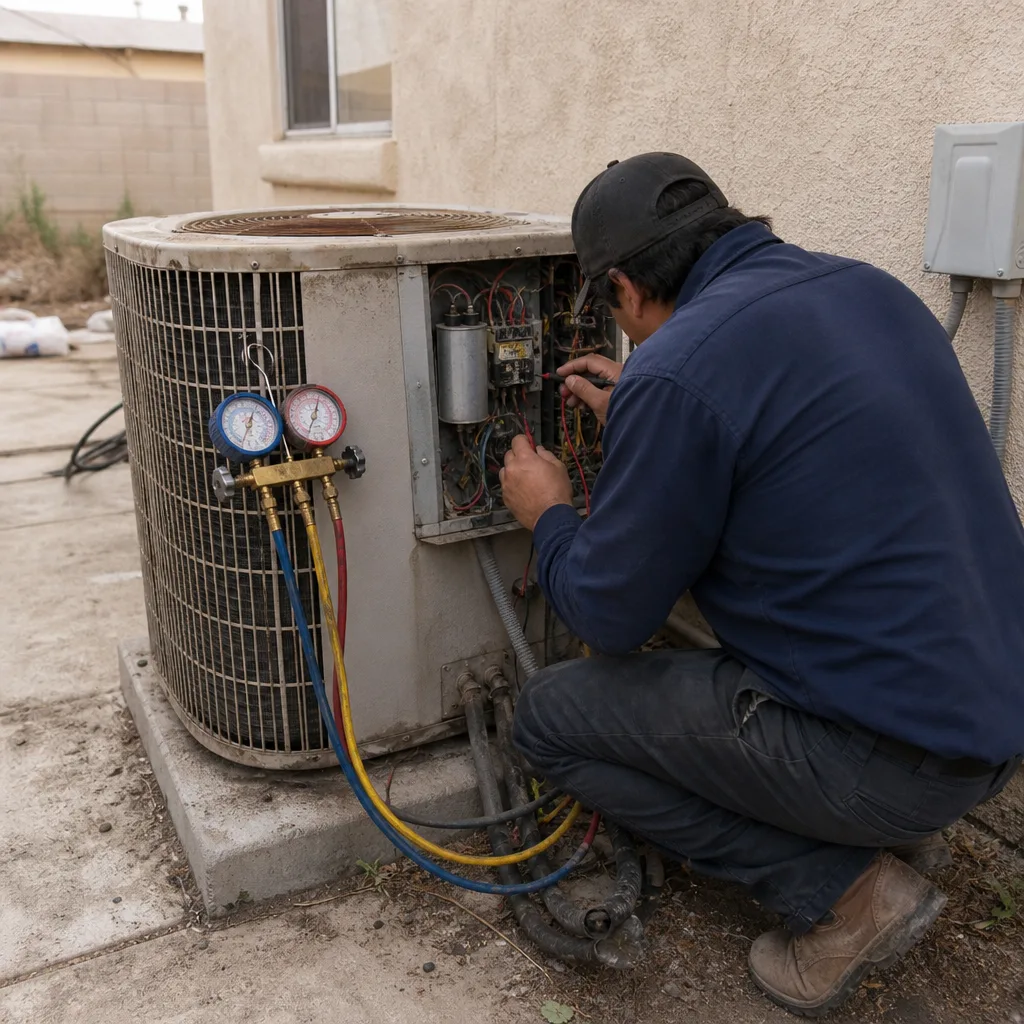 Before
 After
 Before
 After
 Before
 After
Frequently Asked Questions
Most often it’s one of four things: a thermostat set to “cool” or with dead batteries, a tripped circuit breaker, a clogged air filter that tripped the high-limit switch, or a pilot that needs relighting. Check those four in order. If they all check out and the furnace still won’t start, it’s a component issue and you need a technician. Call (844) 761-6871 for a free estimate.
It means the control board is telling you which safety switch or sensor did not report. Count the flashes in each burst, note the pause between bursts, and match to the chart inside the door panel. Four flashes is usually a dirty flame sensor. Five flashes is a rollout switch, which is a CO safety trip: shut the furnace off at the breaker, leave the house, and call a technician immediately. Call (844) 761-6871 for readings first and numbers second.
Repair is usually the right call until the repair costs more than half of what a new furnace costs, or until the heat exchanger fails. A failed heat exchanger is not repairable. For everything else, get a written estimate on both before deciding. Ray’s Heating & Air North Las Vegas offers a free second opinion on any written estimate, so call (844) 761-6871 and ask for one.
Most homeowner furnace repairs we quote run in the low-to-mid hundreds, depending on the part and the diagnostic time. A flame sensor is on the low end; a blower motor or control board is on the higher end. You see the readings and the numbers before any work starts, and there is no trip charge inside the county. Call (844) 761-6871 for an exact quote, and it’s free.
Yes, if the printed instructions on the door panel are followed exactly, and if you smell no gas. If the pilot won’t stay lit after two tries, stop and call. A pilot that will not hold is usually a thermocouple issue, and continuing to try is not safe. Call (844) 761-6871 and we’ll walk you through it on the phone.
Because the burner is not lighting or the gas valve is not opening. The blower runs, but the air coming through is room temperature. That’s a component issue on a gas furnace. On a heat pump in heat mode it could be a reversing valve or defrost problem, which is a different repair. Do not keep running it waiting for it to fix itself. Call (844) 761-6871 and we’ll diagnose it.
Every 30 days during windy season and every 60 days the rest of the year. The dust around Aliante, Centennial, and the neighborhoods near the 215 loads filters faster than most parts of the country. MERV 8 is right for most homes. Higher ratings restrict airflow and can cause more problems than they solve. Call (844) 761-6871 if you have questions about what filter your system takes.
Yes, and it’s free. Ray’s Heating & Air North Las Vegas offers a standing Free Second Opinion on any written estimate. Bring the quote from whichever company gave it to you and we’ll tell you what we would and wouldn’t do. Call (844) 761-6871 to schedule it.
The Bottom Line
Most North Las Vegas furnace problems are one of four things, and three of them have a step you can try before paying for a service call. Check the thermostat, the breaker, and the filter, then read the blinks on the control board. That sequence honestly resolves about four in ten no-heat calls. Beyond that, the blinks, the smell, and what the unit does in the first 30 seconds tell a trained ear exactly which component failed. If you smell gas, see yellow flame, or a CO alarm goes off, leave the house and call from outside. For everything else, Ray’s Heating & Air North Las Vegas answers the phone live around the clock, runs readings first and numbers second, and covers the job under the 90-Day Done Right Promise in writing. Our technicians have up to 24 years of experience, and we service all major brands including Trane, Lennox, Goodman, and Rheem.
For everything else, our Heating & Furnace in North Las Vegas service page and our AC Repair & Installation in North Las Vegas page cover repair, replacement, and maintenance in detail.
Ready to Get Your Heat Back?
If you’ve run the four checks and you’re still cold, or if a blink code, a yellow flame, or a smell has you calling it, we’re ready to help. Call (844) 761-6871 for a free estimate in North Las Vegas. Live person answers around the clock, including Ray himself at two in the morning. No trip charge inside the county. Senior and veteran discount available. And a free second opinion on any written estimate, no strings attached.
Written by the team at Ray’s Heating & Air North Las Vegas.