
Last updated November 17, 2026
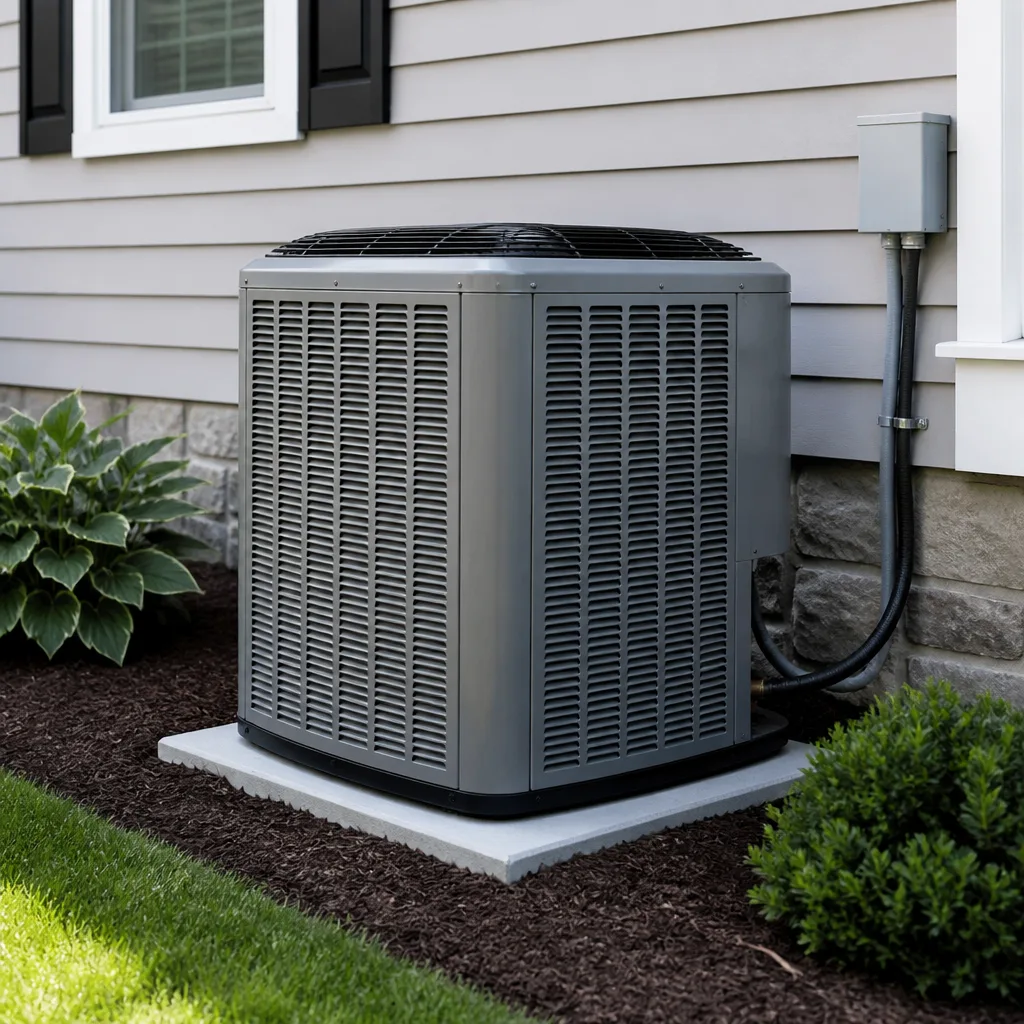 AC repair
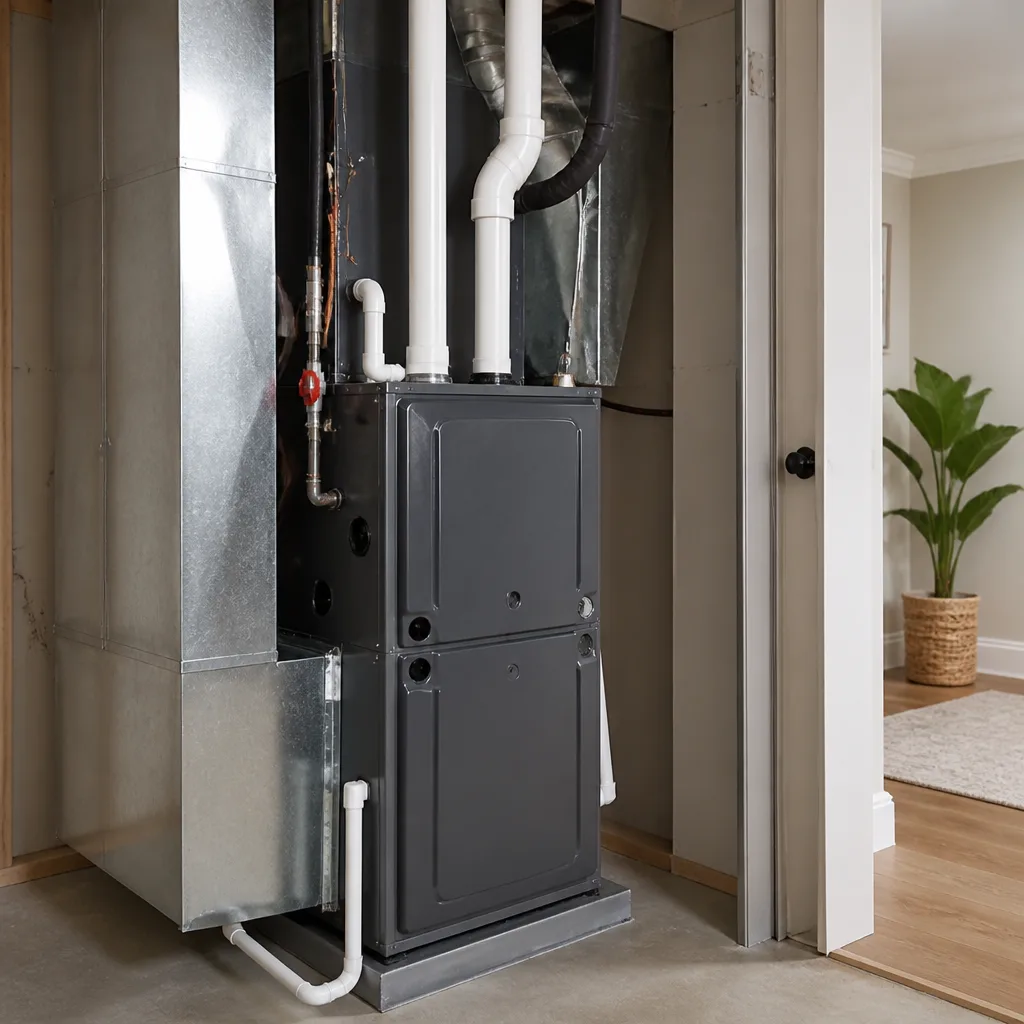 Furnace & heating
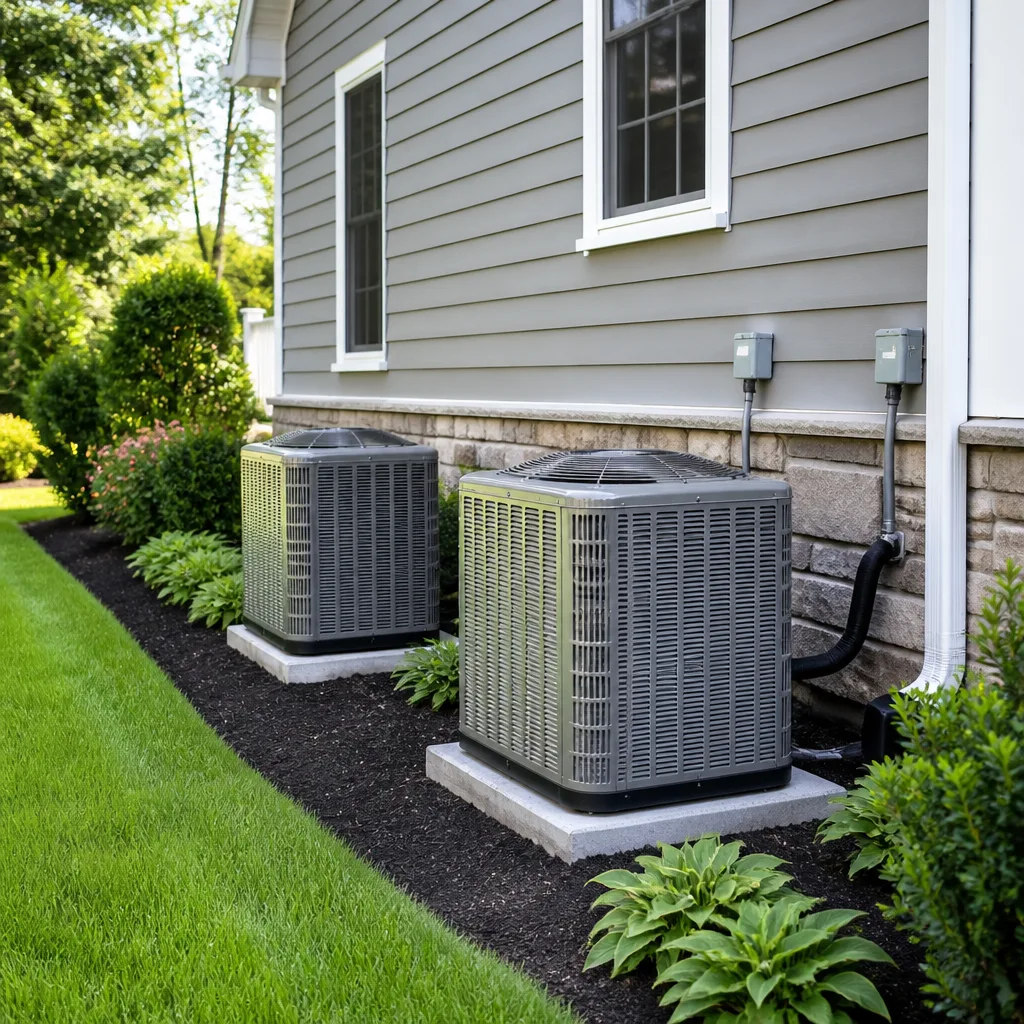 Heat pumps
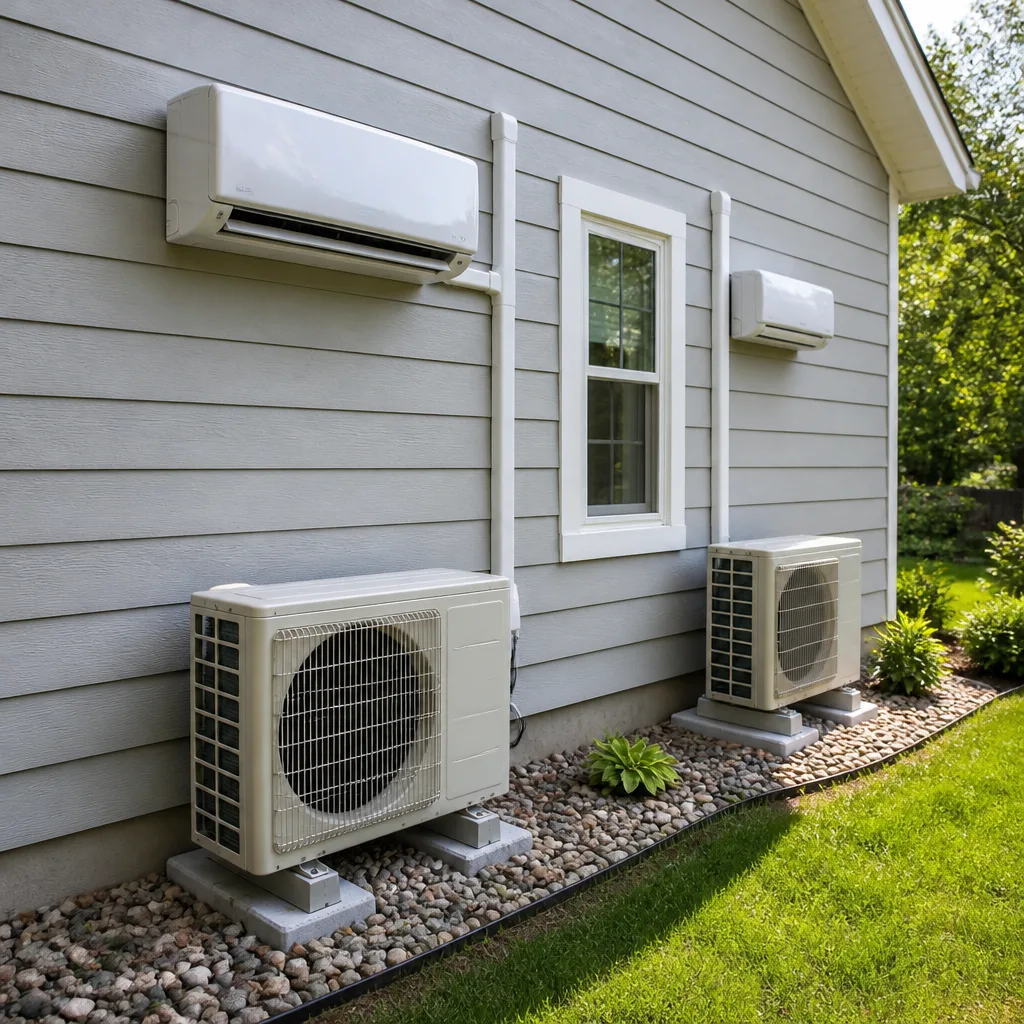 Ductless mini splits
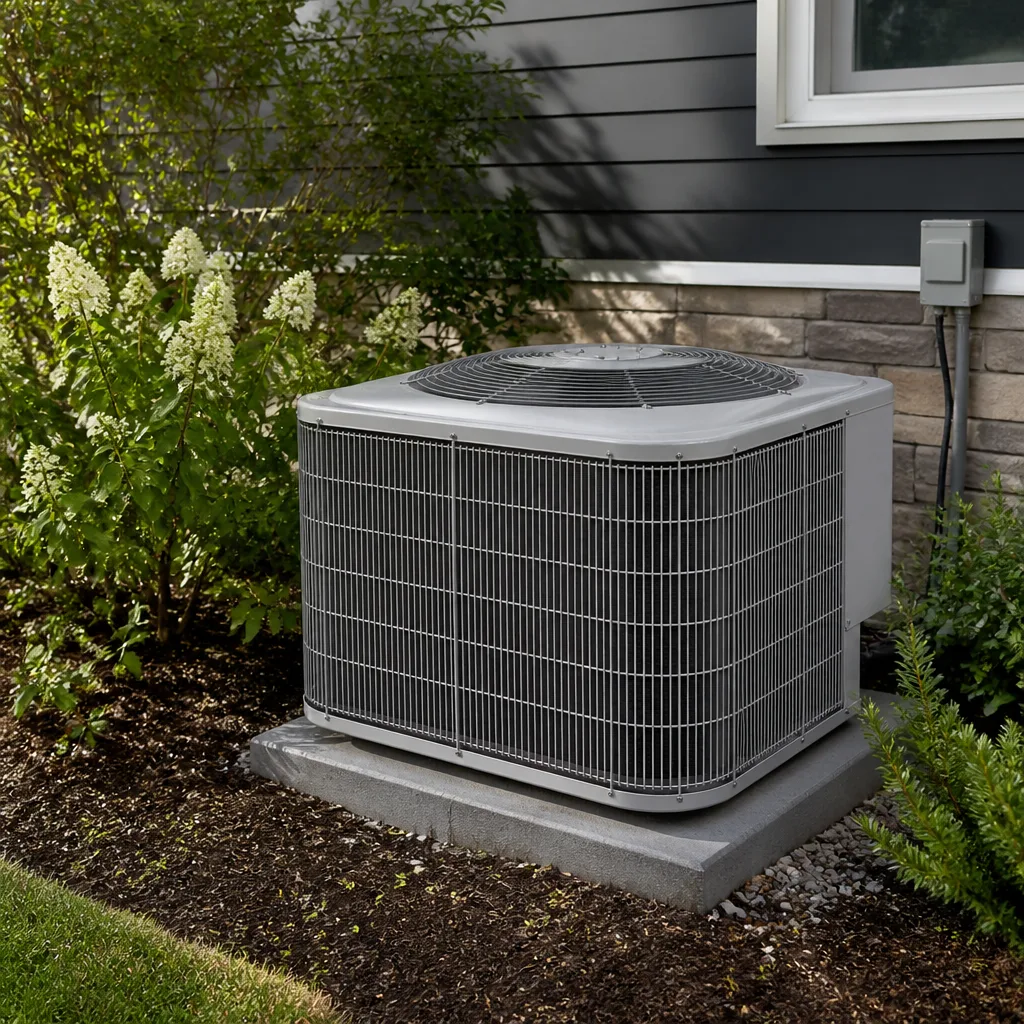 Carrier
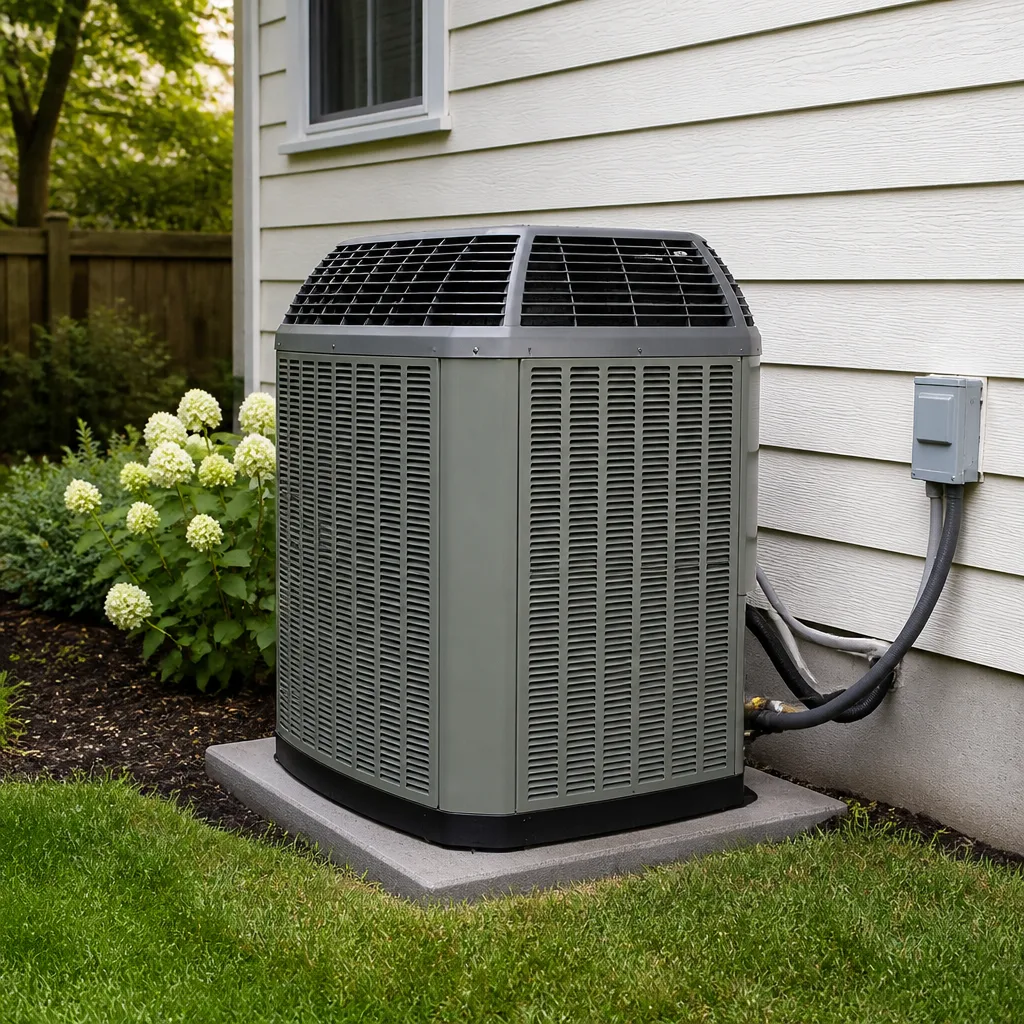 Trane
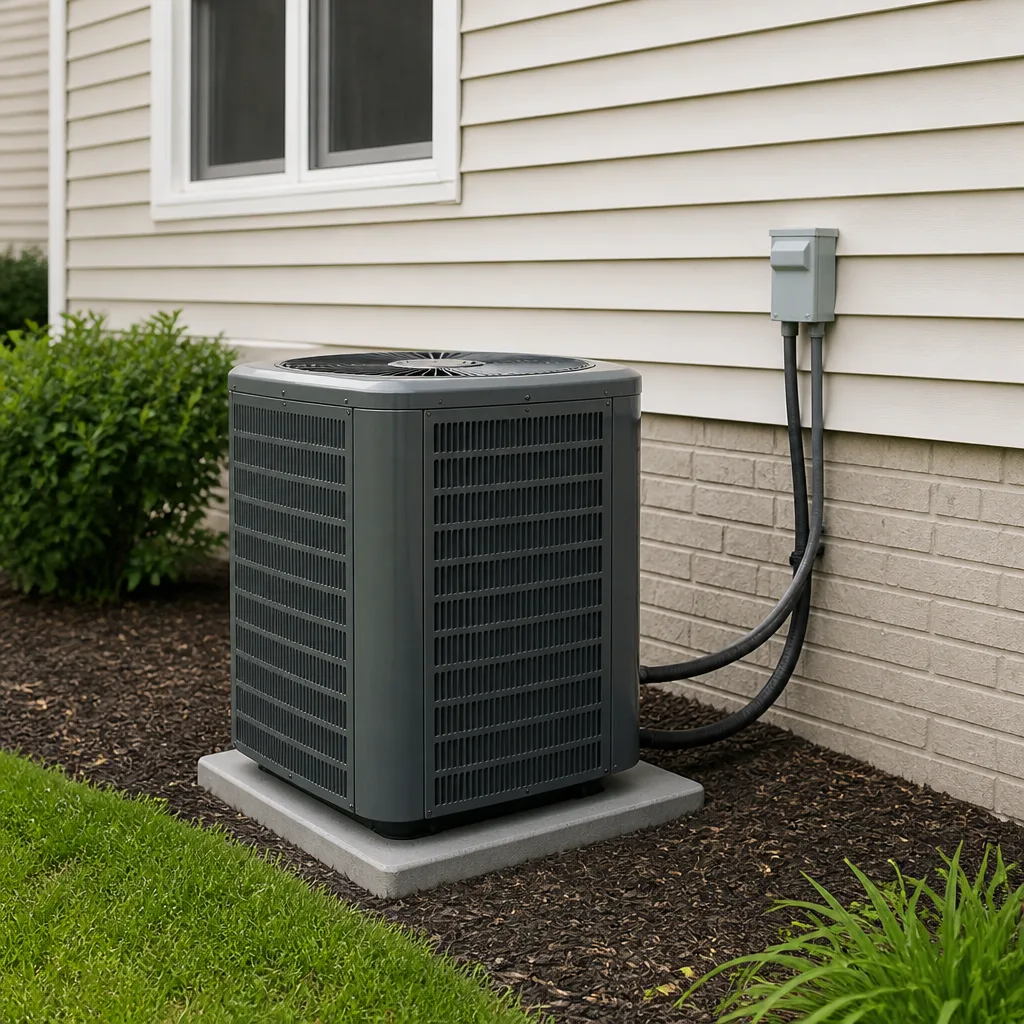 Goodman
Seasonal tune-up and full diagnostic on your Carrier, Trane, or Goodman system - readings shown to you before any repair is proposed
Diagnosis first, numbers second - you approve the repair price before a single part goes in.
Get your free estimateAC Repair & Installation Troubleshooting: Common Problems and How to Fix Them
Nine out of ten “my AC stopped working” calls that come in during July trace back to one of three failure chains that started showing quiet warning signs back in May. That’s not a guess. It’s what happens when you spend a summer running into the same problems over and over in the same desert heat. The warning signs were there – a slightly warmer house on a 108-degree afternoon, a unit that cycled a little longer than it used to, a breaker that tripped once and then behaved. Nobody noticed, because who notices a small thing. This guide walks you through the actual chain of failure that happens in a North Las Vegas heat cycle, so you can tell us exactly what your unit is doing and stop paying for diagnostic time on ground you’ve already covered.
Quick Answer
Most AC failures in North Las Vegas come down to three things: refrigerant loss from sun-baked line insulation, capacitor failure from voltage spikes during peak-grid hours, and coil freeze from airflow restricted by dust. A 10-minute check of thermostat, breaker, filter, and drain pan rules out the free fixes. If you hear grinding, smell burning, or see ice on the lines, turn the system off and call a professional rather than cycling it on and off trying to reset it.
Styles & brands we work with
- AC repair
- Furnace & heating
- Heat pumps
- Ductless mini splits
- Carrier
- Trane
- Goodman
Table of Contents
- The Three Desert Failure Chains
- The 10-Minute Homeowner Check Before You Call Anyone
- How to Describe Your Symptoms So We Can Actually Help
- Which Symptoms Give You 24 to 48 Hours vs. Which Mean Turn It Off Now
- Why Cycling the Unit Makes a $300 Repair Into a $900 Compressor Job
- What to Know Before a New Installation
- Common Mistakes to Avoid
- When to Call a Professional
The Three Desert Failure Chains
An AC doesn’t fail all at once. It fails in a sequence, and in North Las Vegas that sequence has a shape it doesn’t have in cooler parts of the country. Understanding the chain tells you where you are on it – and how much time you have.
Chain One: Refrigerant Loss from UV-Degraded Line Insulation
Your refrigerant lines run from the outdoor unit into the house, and they’re wrapped in insulation. In most climates that insulation lasts a long time. In North Las Vegas, with the sun bearing down on those lines all summer, the insulation cracks, peels, and turns to dust. Once it’s gone, the copper is exposed, and exposed copper flexes and wears. That’s when the slow leak begins.
By the time you notice the house isn’t keeping up, you may already be down a pound or two of refrigerant. It usually starts in May with a system that cools fine in the morning but can’t catch up by 3 p.m. By July it can’t catch up at all.
Chain Two: Capacitor Failure from Grid Spikes
The capacitor is the small, cheap part that gives the compressor and fan motor their starting jolt. During peak-grid hours, when every house in the neighborhood is running its AC at once, the voltage coming in gets dirty. Those spikes and sags wear out capacitors fast. We test the capacitor before anyone says the word compressor, because in North Las Vegas a dead capacitor is the single most common cause of “the unit just hums and the fan doesn’t spin.”
Chain Three: Coil Freeze from Dust-Restricted Airflow
The desert throws dust at everything, and filters fill up faster here than in most places. When airflow drops, the evaporator coil gets too cold and freezes into a block of ice. Air can’t pass, cooling stops, and the compressor runs itself to pieces trying to reach a temperature it will never hit. This one is almost always preventable with filter changes, and it’s the chain homeowners trip over most often.
The 10-Minute Homeowner Check Before You Call Anyone
Run this before you pick up the phone. It rules out the free fixes and tells whoever you call whether you’re looking at a simple visit or a bigger job. If you don’t have the tools or the confidence to look at the breaker panel, skip that step and go straight to the call.
- Check the thermostat. Is it on COOL, not FAN? Is the set temperature actually below room temperature? Has it been in the same mode for a few minutes? A thermostat set to FAN blows air all day without cooling anything.
- Check the breaker. Look at the panel for the breaker labeled for your outdoor unit. If it’s tripped, flip it once. If it trips again immediately, stop. You have a real electrical problem.
- Change the filter. Pull the filter and hold it up to a light. If you can’t see through it, replace it. Do this before anything else if you’re seeing frozen coils.
- Check the drain pan and line. Look for standing water or a water stain near the indoor unit or in a closet. A clogged condensate line can shut a unit down, and in a North Las Vegas summer the slab of ice that forms on the coil drips plenty.
- Look at the outdoor unit. Is the fan spinning? Is there debris, cottonwood fluff, or a shade cover on it? Is there ice on the copper lines going into the house?
- Feel for a temperature differential. Put a hand in front of a supply register and at the return. You should feel a drop of roughly 15 to 20 degrees. Less than that means the system is running but not cooling.
If everything checks out and the house is still warm, that’s when you have a real diagnostic job. Call (844) 761-6871 and we’ll be straight with you about what it takes to look at it.
How to Describe Your Symptoms So We Can Actually Help
“It’s just not cold” is the hardest symptom to diagnose over the phone. It could be a refrigerant leak, a failing capacitor, a frozen coil, or a thermostat issue, and each one takes a different path. What helps is observable facts – the kind you can notice yourself without opening a panel.
- Sound: Is the outdoor fan spinning? Can you hear a hum with no fan moving? Is there grinding, clicking, or rattling? A hum without fan movement points hard at the capacitor. Grinding points at bearings.
- Smell: A musty, dirty-sock smell usually means a wet coil or drain pan that’s growing something. A burning or hot-plastic smell means shut it off at the thermostat and call.
- Temperature differential: Air coming out of the vent should feel noticeably colder than the air going into the return. Estimate: cooler, cold, or not at all.
- Ice: Is there a block of ice on the indoor coil or the outdoor lines? That’s the freeze chain and it’s a different job than a warm-house-no-ice call.
- Runtime: Is the unit running nonstop, or is it short-cycling? Short cycles point at something different from long runs.
Give us any two or three of these on the call and we can tell you what to check before anyone rolls a truck. If it turns out the unit needs a part that day, we’ve got the shop set up for it. If it turns out it’s bigger, you’ll hear a real number, not a guess.
Which Symptoms Give You 24 to 48 Hours vs. Which Mean Turn It Off Now
Not every warm house is an emergency. Some things can wait a day. Others can’t wait an hour. Here’s how we sort it when you call.
Symptoms that give you 24 to 48 hours
- The unit runs but the house only gets down to 78 or 80 by late afternoon. That’s a capacity problem, likely refrigerant or airflow. Schedule it in the next day or two.
- The unit cycles on and off more than normal but the fan still runs. Likely capacitor on the way out or a strain on a restricted system.
- One room is warmer than the others. Usually a duct or balancing issue.
- Water in the drain pan but no ice on the coil. Clogged condensate line or the start of one.
Symptoms that mean shut it off at the thermostat
- Burning smell or any scorching near the outdoor unit. Shut off the breaker and call.
- Grinding, screeching, or a loud rattle from the outdoor fan. Bearings are going and continued running will damage the motor.
- A block of ice on the indoor coil or outdoor lines. Running it frozen damages the compressor.
- The breaker trips again immediately after you reset it. Do not reset it a second time.
For anything on the second list, call (844) 761-6871 now. Phones are answered by a live person around the clock, every day.
Why Cycling the Unit Makes a $300 Repair Into a $900 Compressor Job
This is the one we wish more people knew before they called. When an AC is failing, the instinct is to flip the thermostat to OFF and then to COOL, walk away, come back, try it again. Sometimes that works and the house cools for a while longer, and that feels like progress. It isn’t. It’s how a small repair turns into a big one.
Here’s the mechanism. Every time a compressor starts, it draws a big surge of current and relies on a healthy capacitor to get over the hump. If the capacitor is already weak, each start brings the compressor closer to a locked-rotor failure – the state where it draws maximum current and can’t turn. That locked state can burn the compressor windings or weld contacts. A compressor replacement can run into the thousands. A capacitor replacement is a small fraction of that.
The frozen-coil version of this trap is just as bad. Running a system with the coil iced over starves the compressor of refrigerant return, and it runs hot and stressed the whole time. Multiply that by a cycle of ON, freeze, OFF, thaw, ON again, and you’re buying a compressor. Turn it off and let it thaw, then leave it off until someone looks at it.
If the house is genuinely hot and you need relief while you wait, run fans in the rooms you’re using. Stay on the ground floor, drink water, and get out to a cooling center if it gets too bad. Hot houses are a health risk for older homeowners, so don’t tough it out to save the service call.
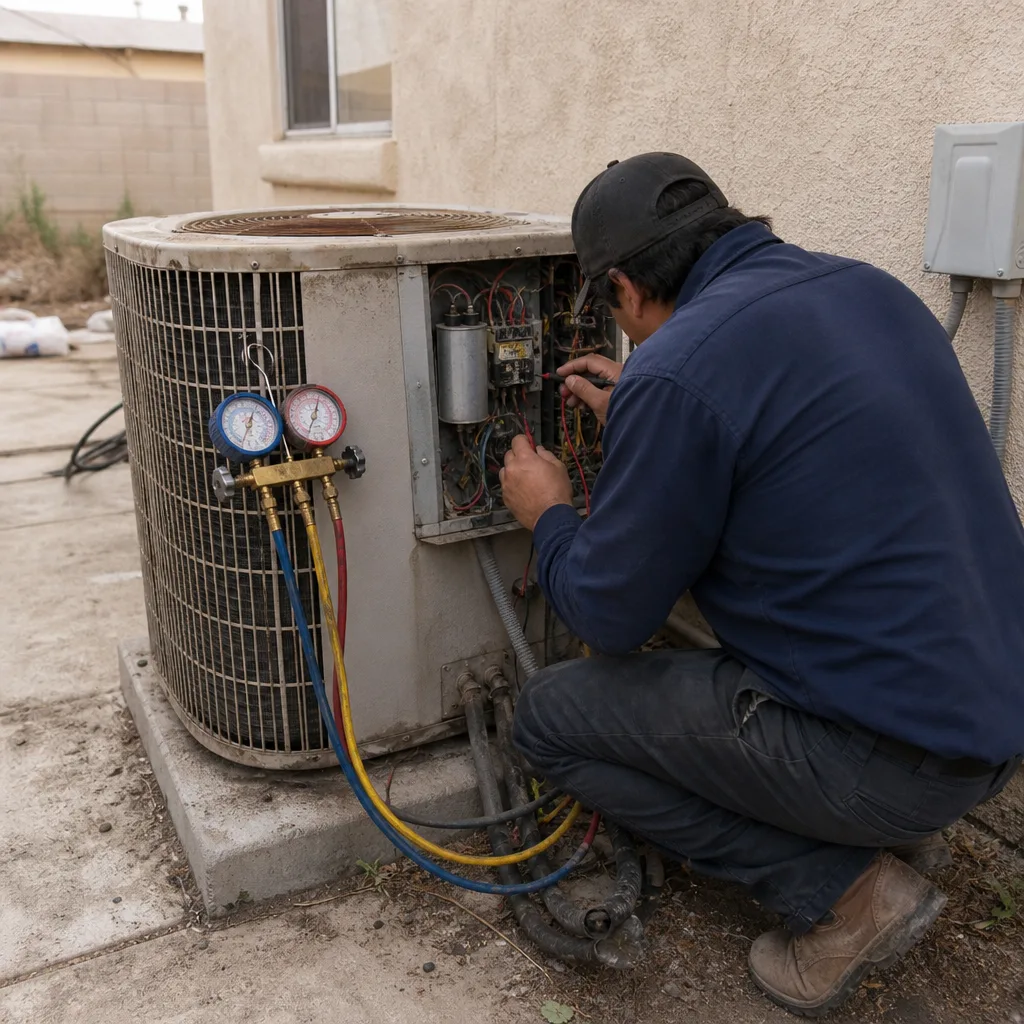
This is where a professional diagnosis earns its keep. At Ray’s Heating & Air, you see the readings before the numbers. We test the capacitor and take actual pressure and temperature readings before anyone says the word compressor. If the compressor is healthy and it’s a capacitor, we tell you. If it’s a refrigerant leak, we find it. No guessing. For more on that side of the work, see our AC Repair & Installation in North Las Vegas page.
What to Know Before a New Installation
If a system has been limping along for several summers, there comes a point where repairing it is throwing good money after bad. A capacitor here and a refrigerant charge there, and pretty soon you’ve spent more on a 15-year-old unit than a new one would cost. That’s a decision only the homeowner should make, but you should make it with good information.
Installation in North Las Vegas isn’t the same as installation in a cooler climate. Size matters more than people assume. An oversized unit short-cycles, never runs long enough to pull humidity out of the air, and works itself to death. An undersized unit runs nonstop on a 108-degree afternoon. A proper installation starts with a load calculation, not with the size of the old unit. From there it’s duct inspection, line-set routing, electrical verification, and a clean install with a return-air check before we call the job done.
Every installation job carries the 90-Day Done Right Promise in writing. If something isn’t right after we’re finished, one call brings us back. We’ll walk through the numbers with you, show you what the readings look like, and give you a fixed price before anyone picks up a tool. For brands, we work on all major makes, and whether you’ve got a Carrier, Trane, Bryant, or American Standard system, the process is the same: readings first, numbers second.
If you’re thinking about a new system, call and we’ll talk through what fits your house. For the bigger-picture side of related work, our Heat Pump & Mini Split in North Las Vegas page covers the other options, and our Heating & Furnace in North Las Vegas page covers the other half of the year.
Common Mistakes to Avoid
- Cycling the unit repeatedly trying to reset it. As above, this is the most expensive mistake we see in North Las Vegas. Each restart is another stress cycle on a compressor that may already be hanging by a thread.
- Skipping the filter because it doesn’t look that bad. Desert dust packs a filter faster than you think. In North Las Vegas during a windy spring, a filter can load up in four to six weeks. If you’re not sure, change it.
- Adding refrigerant without finding the leak. Topping off a leaking system is a temporary fix that costs real money and hides the actual problem. The refrigerant goes somewhere, and the leak needs to be found.
- Covering the outdoor unit with shade cloth or a bush. Some homeowners think they’re helping by shading the unit from the sun. What actually happens is restricted airflow around a condenser that needs to breathe. Keep it clear on all sides.
- Ignoring a small water leak from the indoor unit. A clogged condensate line that drips is easy to shrug off. The damage it can do to drywall and framing in a North Las Vegas attic is not easy to shrug off.
- Resetting a tripped breaker without asking why. A breaker that trips is telling you something. Sometimes it’s just a hot day. Sometimes it’s a wiring fault. If it trips twice, stop and call.
- Using a handyman for electrical work on the outdoor unit. The capacitor and compressor circuits on an outdoor unit carry a real shock hazard. This is not a homeowner job, and it’s not a job for a general handyman either. It’s a job for someone who knows what the components are and how to safely test them.
When to Call a Professional
If you’ve run the 10-minute check and the house is still not cooling, that’s a call. If the unit is humming with no fan movement, that’s a call. If there’s ice on the coil, that’s a call – and a turn-off first. If you smell anything burning, see a breaker trip twice, or hear grinding from the outdoor unit, shut it down and call immediately. If the system is more than 12 to 15 years old and you’re facing a major repair, it’s worth a conversation about whether the money is better spent on a new install. Ray’s Heating & Air North Las Vegas offers free estimates in North Las Vegas – call (844) 761-6871.
Every call is answered by a live person, 24/7, and we take readings before we quote a number. Upfront pricing, no surprises. There’s a Free Second Opinion on any written estimate, No Trip Charge inside our own county, and a Senior and Veteran 10% discount. Whatever the system is doing, we’ll find the cause and give you a straight answer.
See the difference
 Before
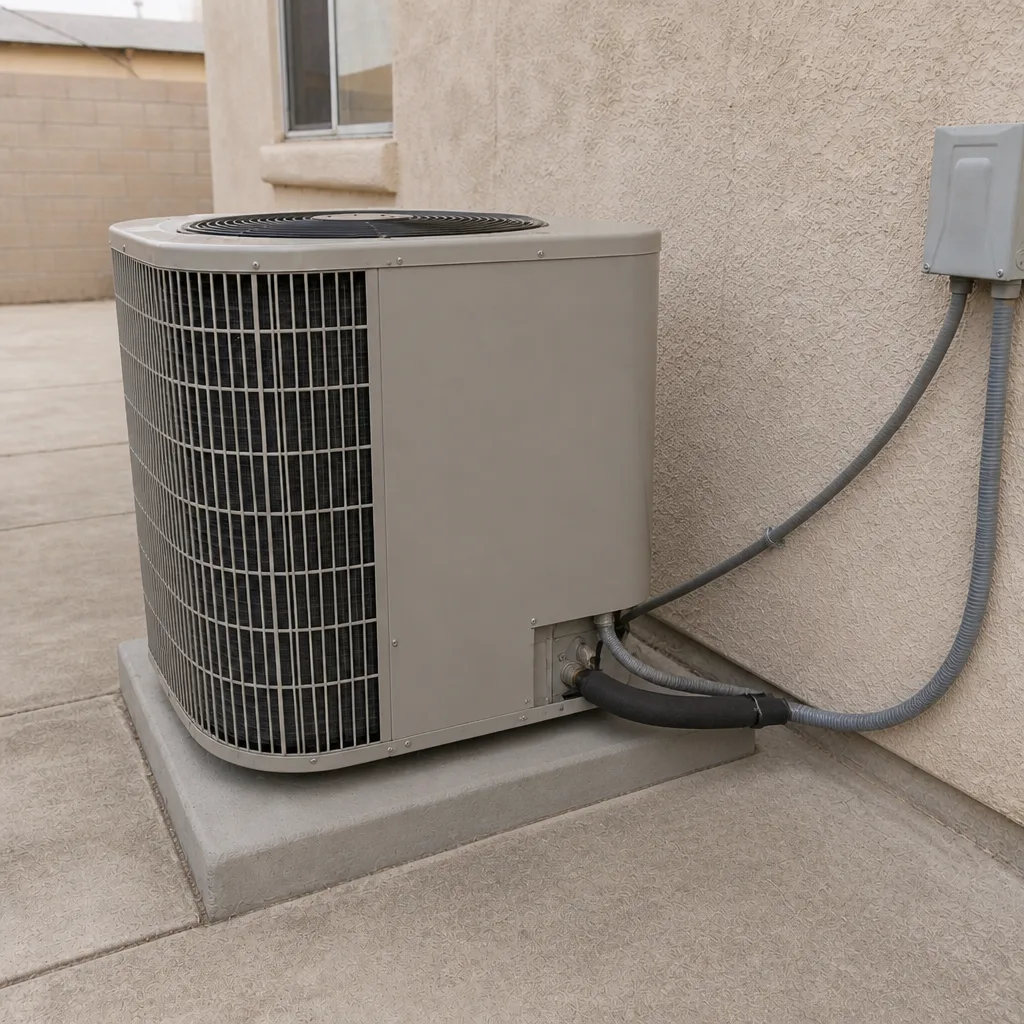 After
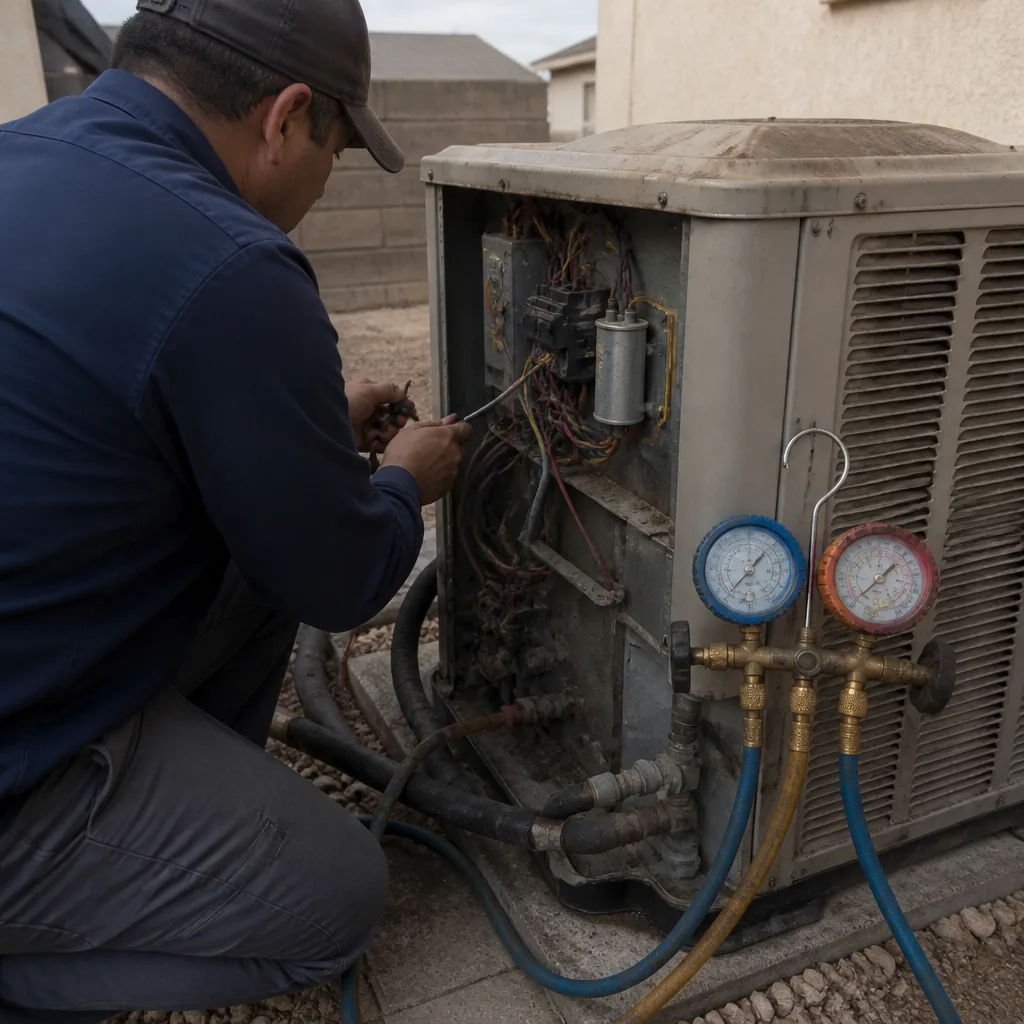 Before
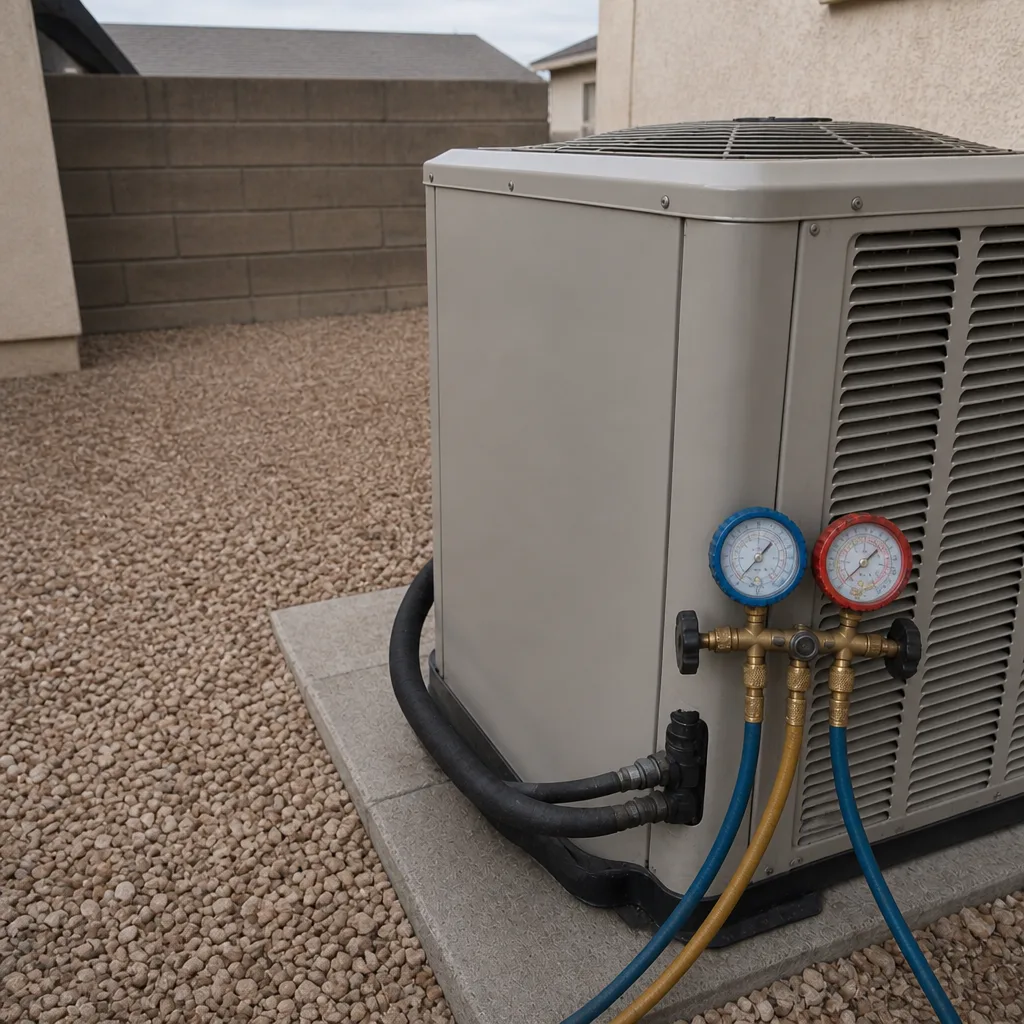 After
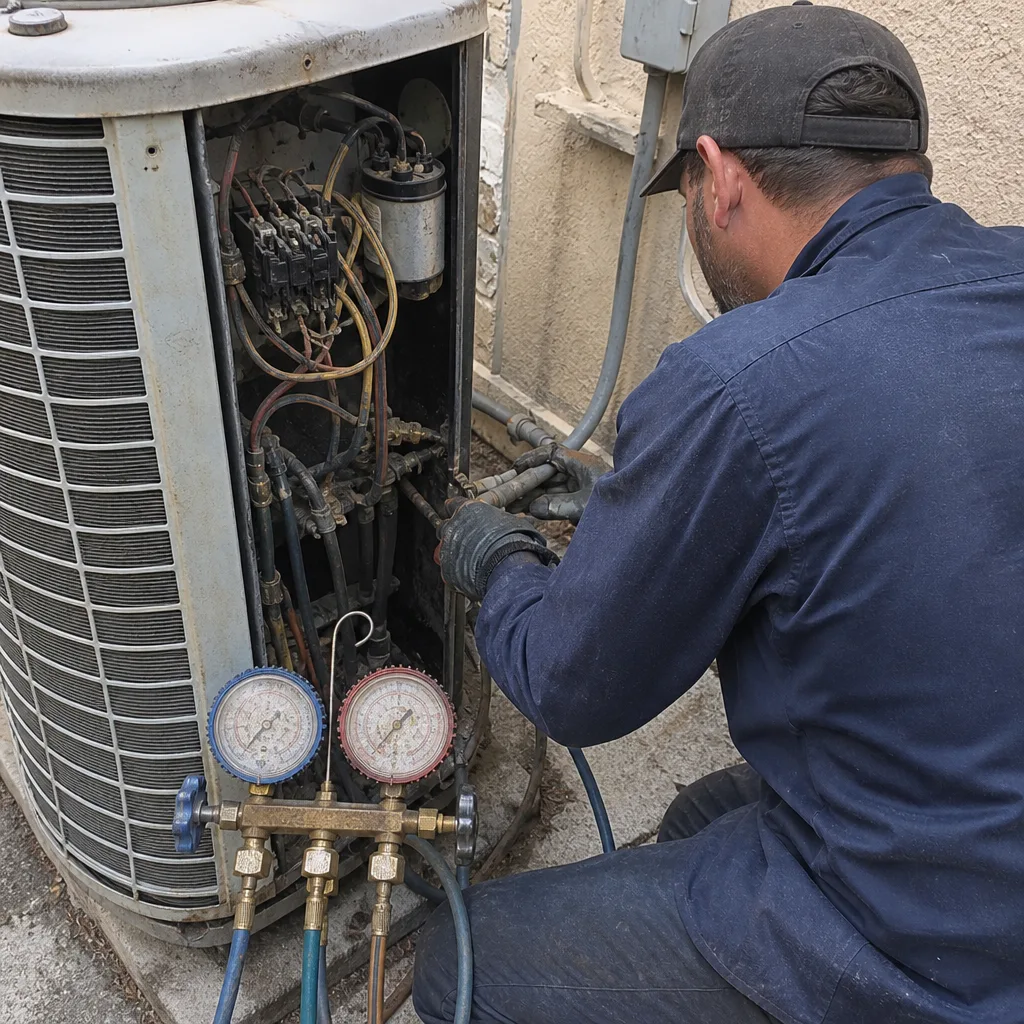 Before
 After
Frequently Asked Questions
Diagnosis usually takes 30 to 60 minutes for a straightforward no-cooling call. We take pressure readings and check the capacitor and airflow before recommending anything. If the problem is a refrigerant leak, finding it sometimes takes longer. Most visits are wrapped up in one trip. Call (844) 761-6871 to set up a diagnostic visit – estimates are free.
The most likely causes are low refrigerant, a failing capacitor, or a frozen coil from restricted airflow. Rule out the filter and thermostat first, then check whether there’s ice on the lines or outdoor unit. If the fan isn’t spinning and you hear a hum, that points hard at the capacitor. Call us and describe what you see – we can usually tell you what to check before anyone rolls out.
It depends on the age of the unit and the size of the repair. As a rule of thumb, if the system is under 12 years old and the repair is a capacitor, motor, or blower issue, repair almost always comes out cheaper. If the system is past 15 years and the compressor is failing, replacement usually makes more sense. We’ll walk through both options with real numbers before you decide. Call (844) 761-6871 for a free estimate.
Coil freeze is almost always an airflow or refrigerant problem, and in North Las Vegas dust is the most common culprit behind restricted airflow. A filter that hasn’t been changed, a return duct that’s fallen out of place, or a coil that’s simply clogged with dust can all drop airflow enough to freeze the coil. Turn the system off, let it thaw, and have the airflow checked. Running it frozen damages the compressor.
Yes. Phones are answered by a live person around the clock, every day. Whether it’s a weekend or 2 a.m., you’ll talk to someone who can help. If the house is dangerously hot, especially for an older homeowner, call right away. Contact (844) 761-6871.
A tune-up includes filter replacement, coil cleaning, capacitor testing, refrigerant pressure check, electrical connection inspection, and a drain line flush. You get a written report of what was actually found. The goal is catching the warning signs in the three chains above before they turn into a July breakdown. Call (844) 761-6871 for a flat-price tune-up – estimates are free.
The Bottom Line
AC failures in North Las Vegas follow patterns. Refrigerant loss from sun-beaten line insulation, capacitor death from grid spikes, and coil freeze from dusty airflow are the three chains that cause nine out of ten breakups. Catch them in May and you spend a lot less than in July. Run the 10-minute check before you call, describe symptoms in observable terms, shut the system off when the signs say shut it off, and stop cycling the unit hoping it resets. That last one is where the cheap repair becomes the expensive one. Call us at (844) 761-6871 when you need a straight answer – free estimates, upfront pricing, and a promise in writing. Written by the team at Ray’s Heating & Air North Las Vegas.
Contact
Whether your system is doing something you’ve never heard it do before or you just want a second set of eyes on a quote from someone else, we’re happy to help. Call (844) 761-6871 for a free estimate on AC repair or installation in North Las Vegas. A live person answers every call. You’ll see the readings before you see the numbers, and you’ll know exactly what you’re paying for before any work begins. If it’s not done right, one call brings us back. For more about who we are, visit the Ray’s Heating & Air North Las Vegas home page.
Written by the team at Ray’s Heating & Air North Las Vegas.