
Last updated November 17, 2026
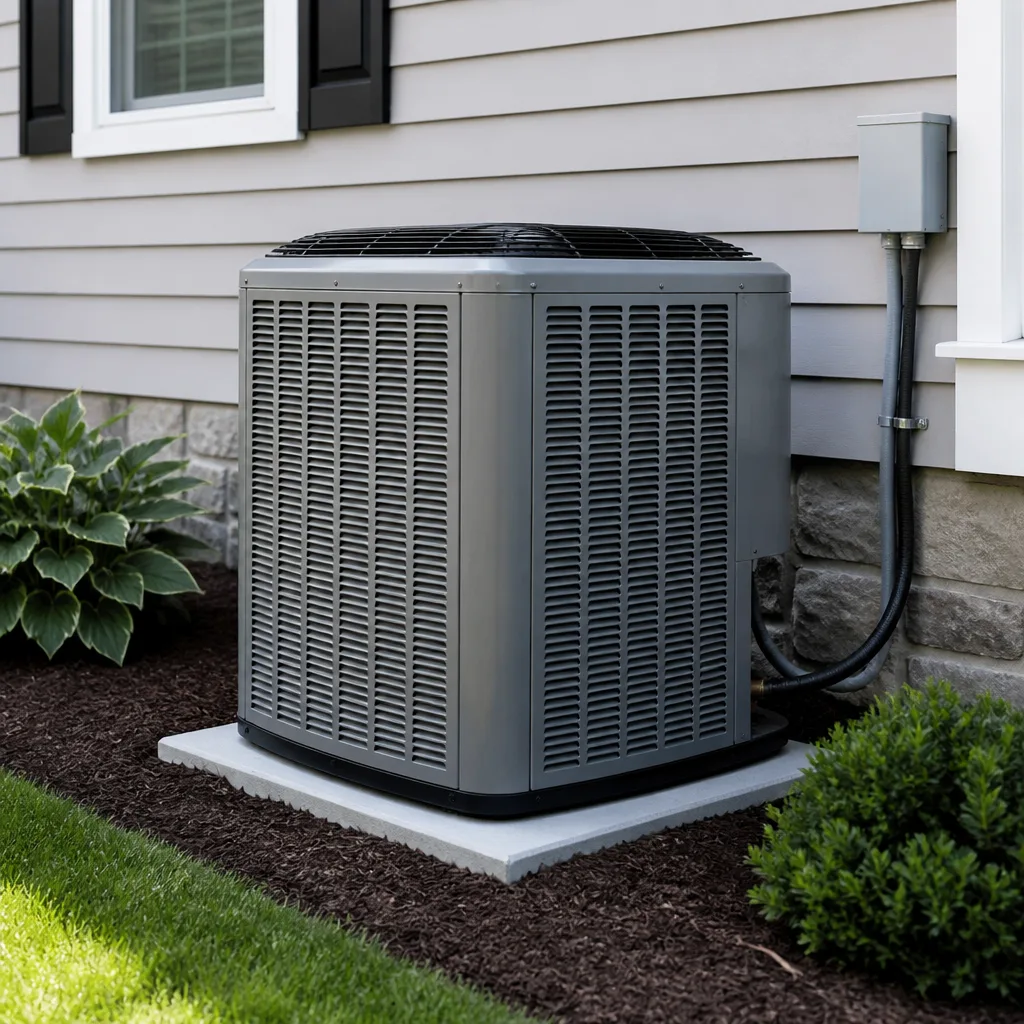 AC repair
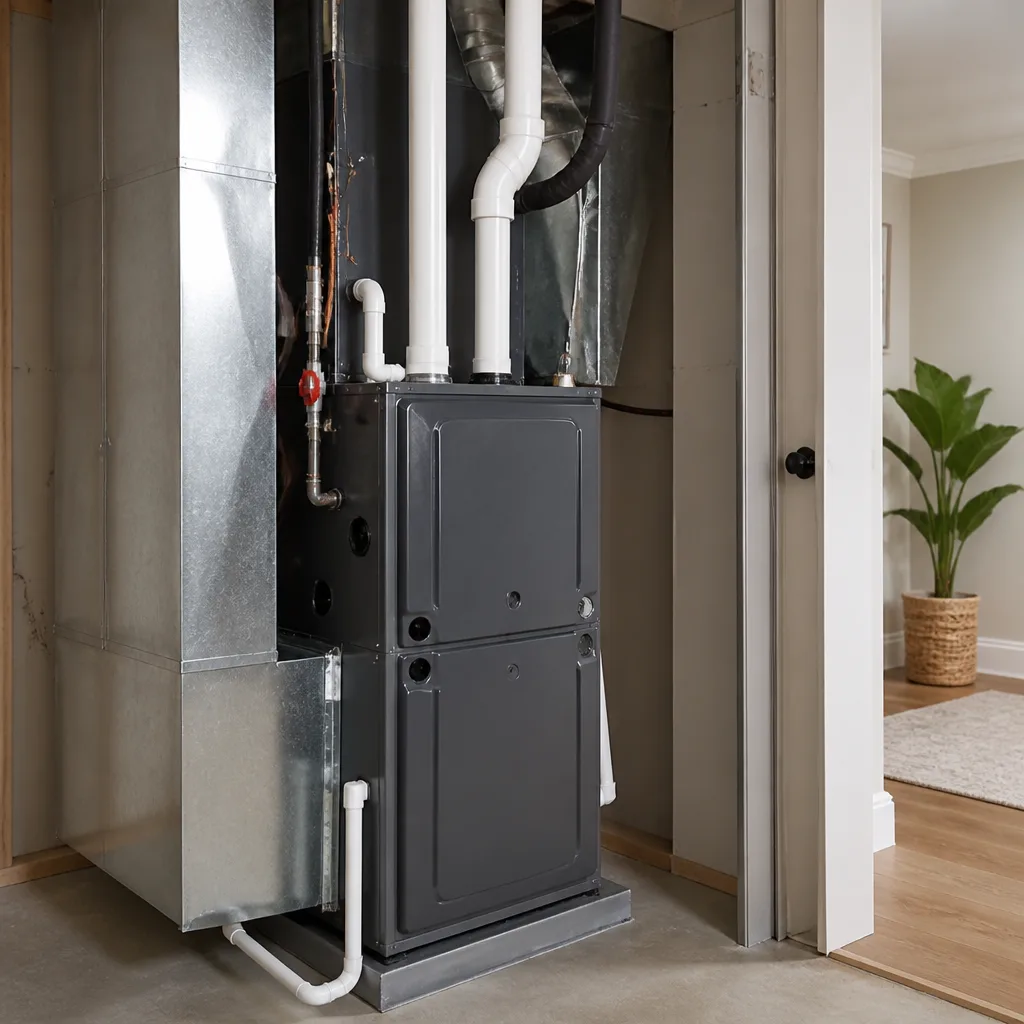 Furnace & heating
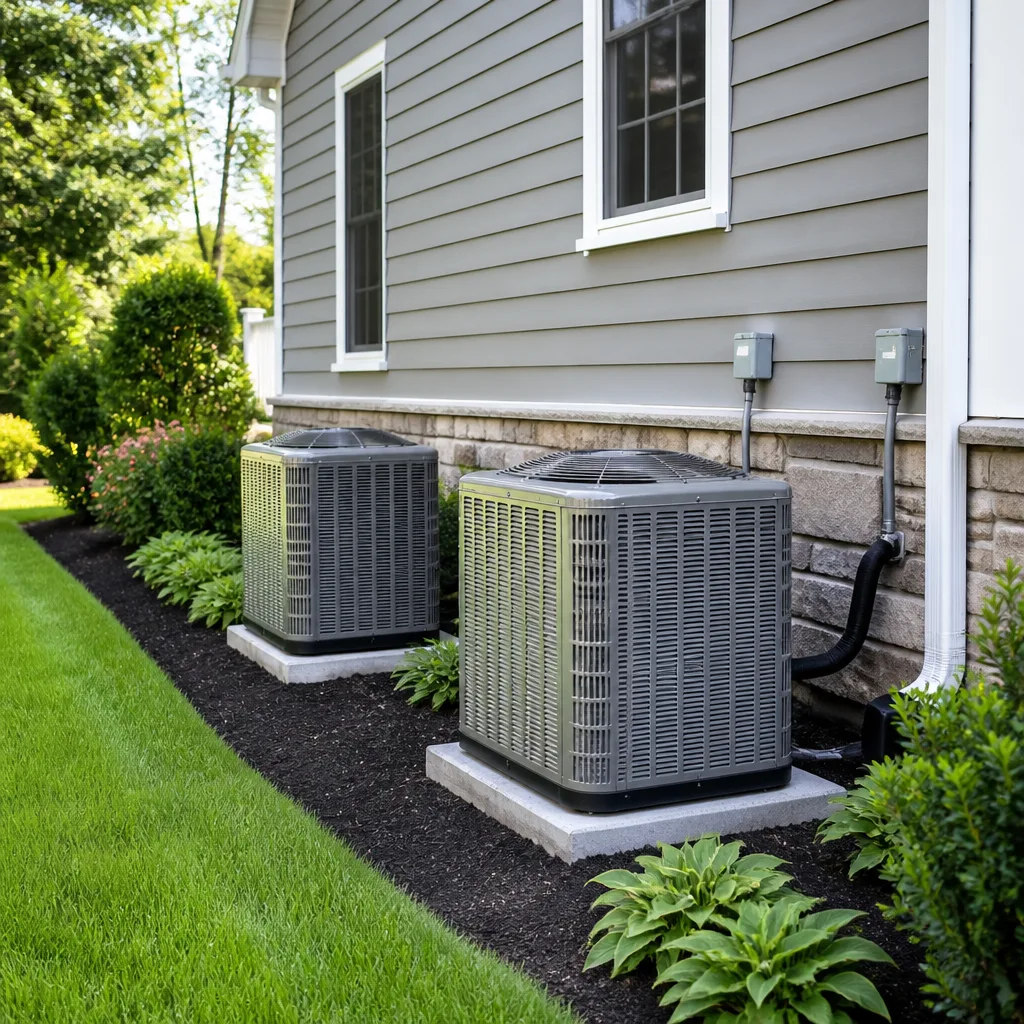 Heat pumps
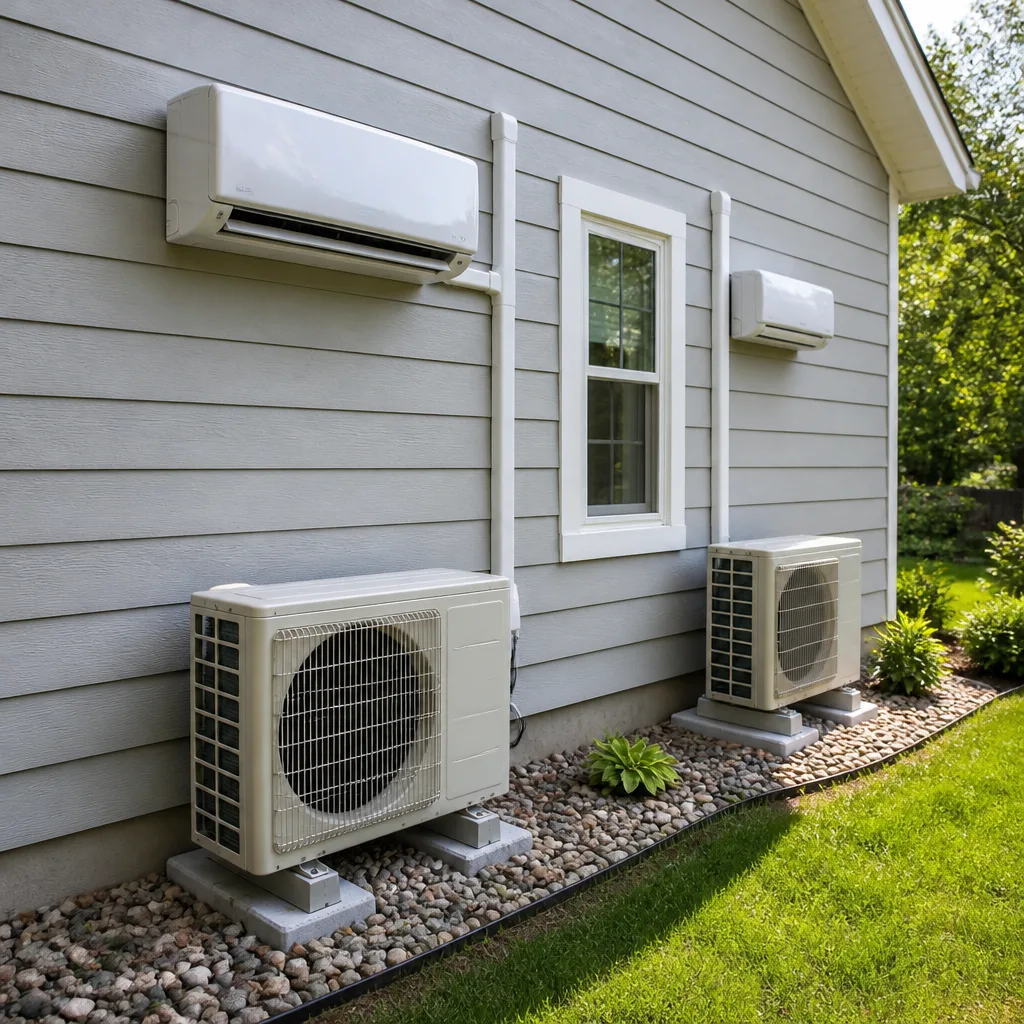 Ductless mini splits
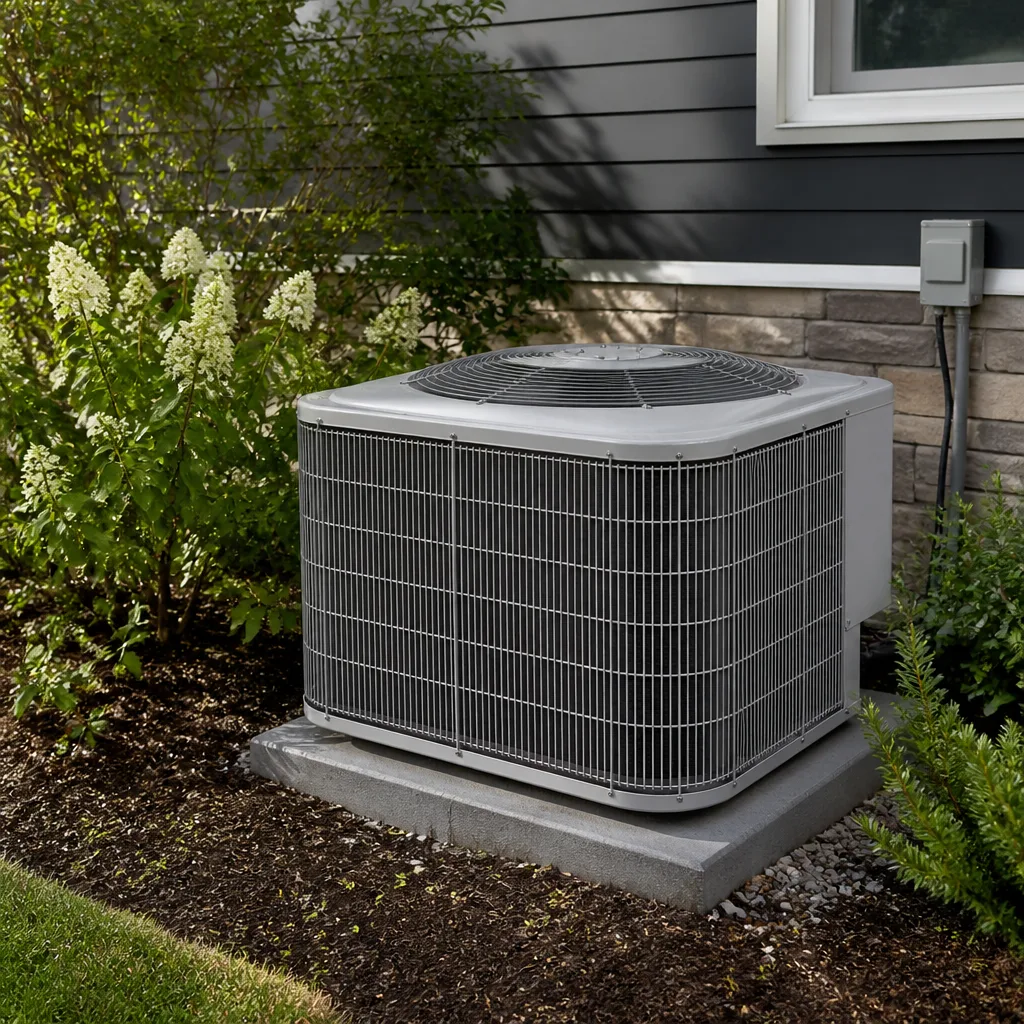 Carrier
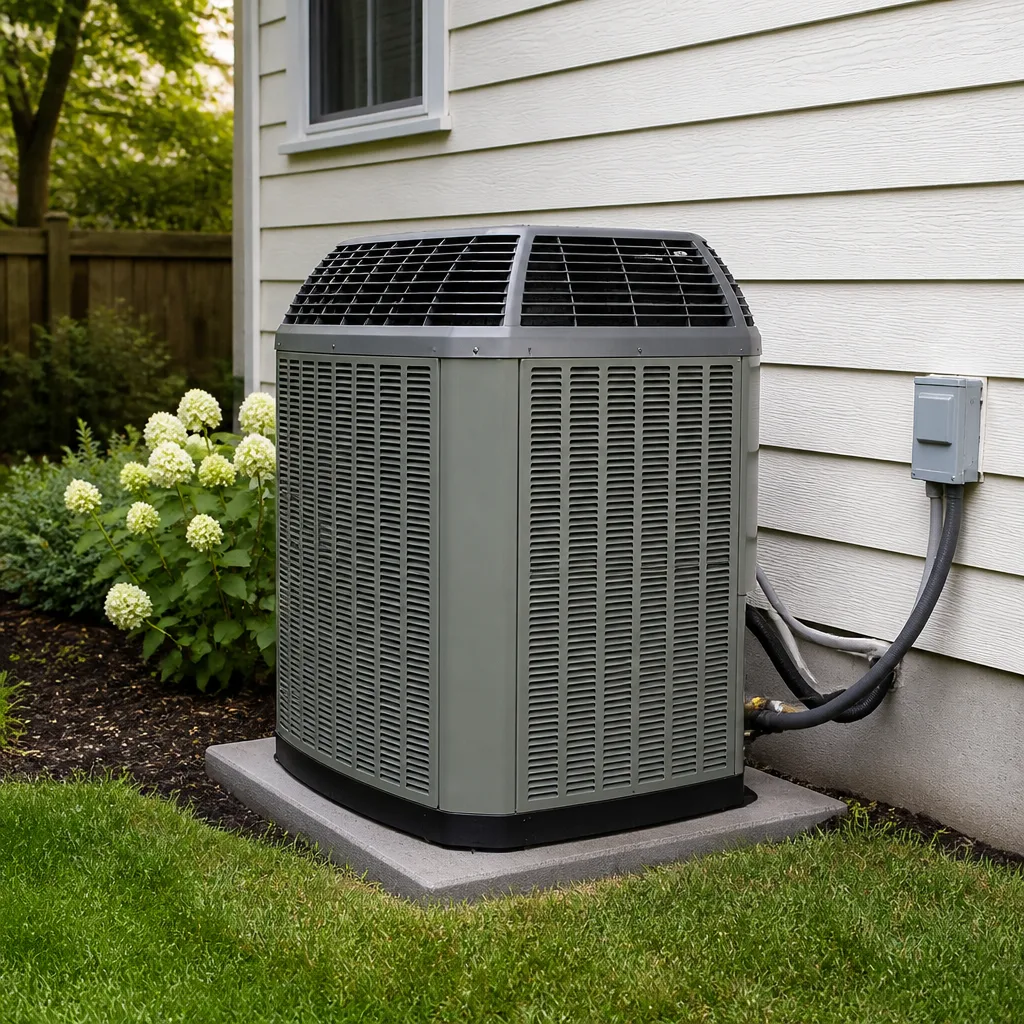 Trane
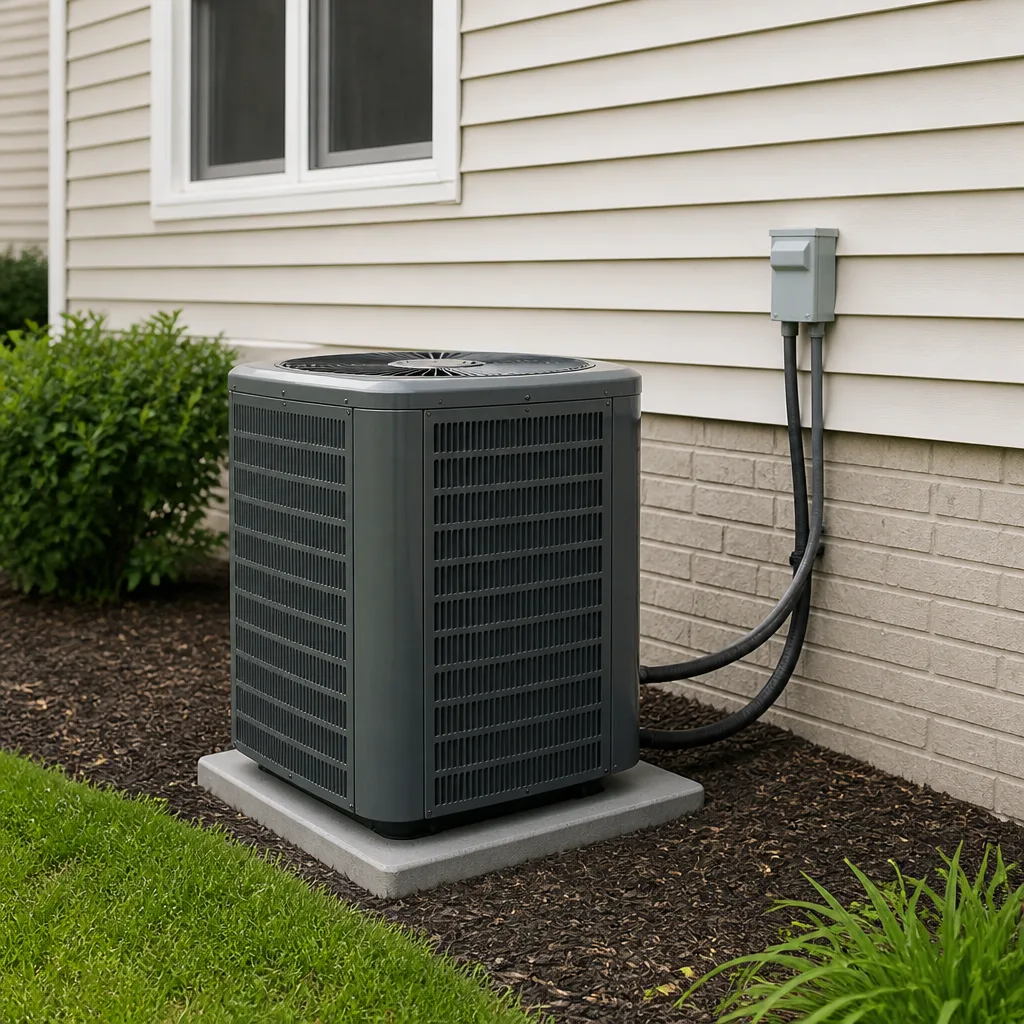 Goodman
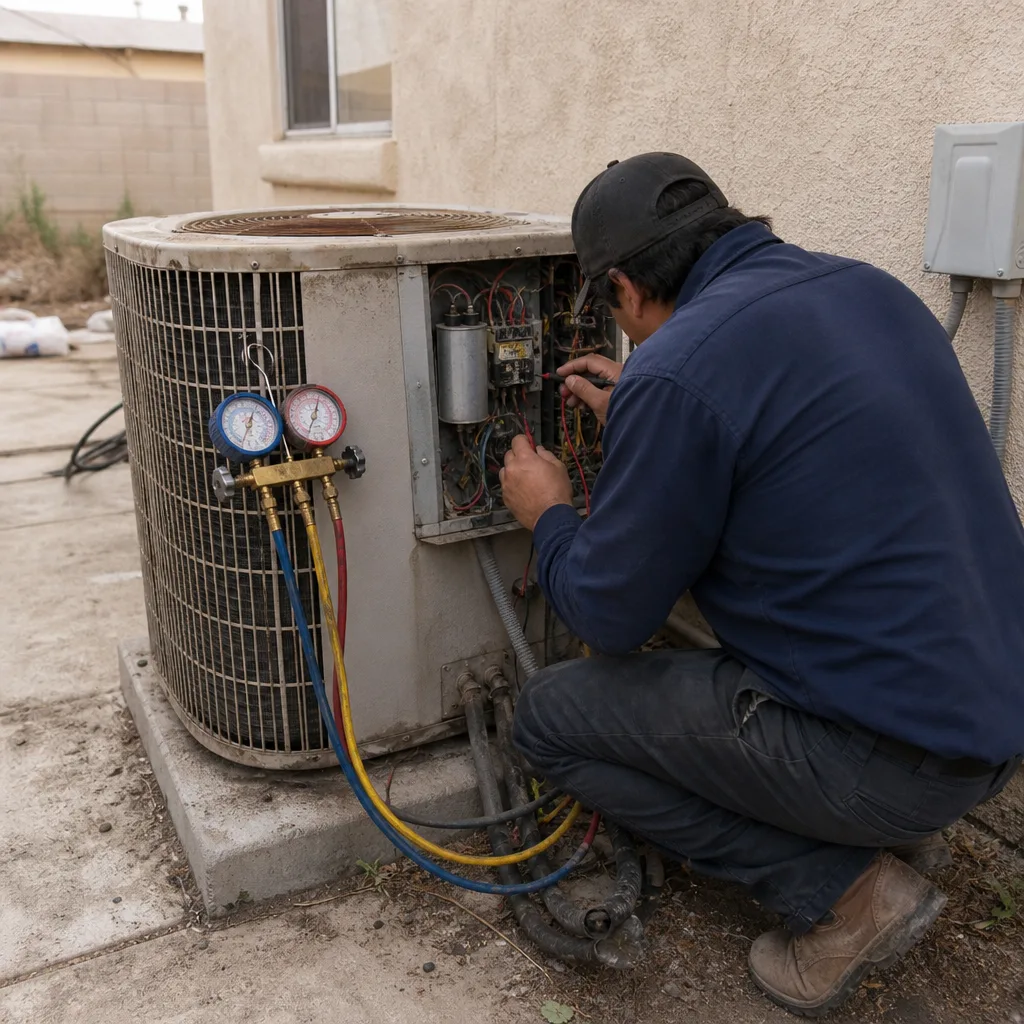
Seasonal tune-up and full diagnostic on your Carrier, Trane, or Goodman system - readings shown to you before any repair is proposed
Diagnosis first, numbers second - you approve the repair price before a single part goes in.
Get your free estimateHVAC Emergency Preparedness Guide for North Las Vegas Homes
The National Weather Service has issued excessive heat warnings for North Las Vegas on 23 separate days over the past three summers. Indoor temperatures in an un-cooled NLV home can reach 95°F within four hours on a 115°F day. The homeowners who navigate that best are the ones who made three decisions in April, not the ones Googling “emergency AC repair” at midnight. This guide is a before-it-happens document. It covers the first 30 minutes of a failure, the April checklist that prevents most summer breakdowns, how to tell a real emergency from a manageable one, what to say when you call at 2 AM, and how to spot after-hours price gouging before you sign anything.
Quick Answer
If your AC fails on a hot North Las Vegas day, the first move is to protect the people and pets in the house before you touch the thermostat: move everyone to the coolest interior room, close blinds on sun-facing windows, drink water, and wet cloths on the neck and wrists. Then call a licensed HVAC pro with a live person answering the phone. A true emergency is heat plus a vulnerable person or animal in the home, not simply a warm afternoon.
Styles & brands we work with
- AC repair
- Furnace & heating
- Heat pumps
- Ductless mini splits
- Carrier
- Trane
- Goodman
Table of Contents
- The First 30 Minutes: What to Do When Your AC Dies on a 115°F Day
- The April Checklist: Four Things to Verify That Prevent Most Summer Failures
- True Emergency vs. Urgent but Manageable
- What to Tell the Contractor When You Call at 2 AM
- After-Hours Pricing: What’s Fair and What’s Exploitative
- Protecting Elderly Residents and Pets During a Failure
- When the Grid Goes Down: HVAC and Power Outage Planning
- Choosing a System That Fails Less in North Las Vegas Heat
The First 30 Minutes: What to Do When Your AC Dies on a 115°F Day
Heat rises fast in a North Las Vegas house. A single-story ranch in the Aliante area with west-facing windows can climb from 78°F to 95°F inside four hours on a 115°F afternoon if the AC quits at 1 PM. The first 30 minutes are about slowing that climb and protecting the people inside, not troubleshooting the equipment. Here is the order of operations we want every North Las Vegas homeowner to know before summer.
- Get vulnerable people and pets into the coolest spot in the house. That is almost always an interior room on the north side, or the lowest floor if you have one. Close the door to keep the cool air pooled.
- Close every blind and curtain on sun-facing windows. West and south windows are the worst offenders in NLV afternoons. Blocking direct sun can drop a room temperature by several degrees within 20 minutes.
- Shut off heat sources you control. Turn off the oven, the dryer, and unneeded lights. Skip the stovetop until evening.
- Get air moving with fans you already own. Box fans in windows pulling air out of the house work better than ceiling fans when outdoor air is cooler than indoor air. After dark, use the window fans to pull in the cooler night air.
- Cool the body, not just the room. Cool showers, wet washcloths on the neck and wrists, and cold water to drink matter more than ambient temperature for an overheated person.
- Call for service before you start tinkering. Most of what a homeowner can safely check takes two minutes. If the thermostat is on and the breaker is not tripped and the outdoor unit isn’t humming, you need a technician.
What not to do: don’t open the refrigerator to “let the cold out,” don’t run the oven to “see if it helps,” and don’t start unscrewing panels on the outdoor condenser. That equipment runs on 240 volts and holds a charge. A capacitor can hold a lethal jolt for minutes after power is off. This is the kind of work that gets a person hurt.
When the outdoor unit needs repair, our AC Repair & Installation in North Las Vegas page walks through what a real diagnostic looks like in a North Las Vegas home.
The April Checklist: Four Things to Verify That Prevent Most Summer Failures
In our experience across North Las Vegas, four issues account for the large majority of summer AC failure calls. Every one of them is detectable in April, before the first excessive heat warning is issued. Spend an hour on this checklist in early April and you cut the odds of a mid-July emergency sharply.
- Capacitor health. The run capacitor is the part that fails first in NLV heat. When it’s weak, the compressor stalls and the whole system shuts down. A technician tests it with a meter in about two minutes. We test the capacitor before anyone says the word “compressor” for a reason – it’s usually the cheaper answer.
- Refrigerant charge. Low refrigerant from a slow leak is the second most common cause of a summer shutdown. A pre-season check with gauges tells you whether the charge is holding. Fixing a slow leak in April costs a fraction of what an emergency top-off in August does.
- Condenser coil cleanliness and airflow clearance. A dirty outdoor coil in a 115°F yard makes the system work harder and run hotter, which shortens the life of the compressor. Clear two feet of space around the unit, wash the coil, and check for cottonwood fluff and tumbleweed debris that collects against the fins.
- Filter condition and return air flow. A clogged filter is the cheapest fixable cause of a freeze-up or an overworked blower. Replace it every 60 to 90 days in North Las Vegas – sooner during a windy spring with dust blowing in from the desert.
Two more things worth writing on the same checklist, even if they don’t fail on their own: the contactor (the switch that kicks the compressor on) and the drain line. Both are cheap to inspect and both cause a no-cool call when they go bad. And if your system is a heat pump, our Heat Pump & Mini Split in North Las Vegas page covers the extra spring checks that apply to those units.
True Emergency vs. Urgent but Manageable
Not every AC failure is an emergency, and the difference matters because it changes both who you call and what you should pay. In our experience, most after-hours panic calls in North Las Vegas are urgent but not life-threatening. A genuine emergency is heat plus a vulnerable person or animal in the home. Everything else is a “call first thing tomorrow, use fans tonight” situation.
It’s a true emergency if any of these are true:
- Someone in the home is over 65, an infant, or living with a heart condition, diabetes, or another heat-sensitive condition – and indoor temperature is climbing past 90°F.
- Pets are in the home and indoor temperature is above 90°F. Small animals and brachycephalic breeds (bulldogs, pugs) are especially vulnerable.
- Indoor temperature is above 95°F and rising, and there is no cool room to retreat to.
- Anyone in the home is showing signs of heat illness – dizziness, confusion, nausea, or skin that’s hot and dry.
It’s urgent but manageable if:
- Everyone in the home is healthy and can use fans and cool rooms.
- Indoor temperature is holding below 90°F with the fan strategy.
- Outdoor overnight temperature is going to drop below 80°F, so you can cool the house overnight.
- The system shut off but no one is in immediate discomfort.
If it’s a true emergency, call and say so. The dispatcher needs to know. If it’s manageable, you’ll usually get a better number on a scheduled call than an after-hours one – and the work is the same.
What to Tell the Contractor When You Call at 2 AM
Our phone gets answered by a live person around the clock, every day. Ray answers his own phone at two in the morning more often than not. But even with a live person on the other end, what you say in the first 60 seconds changes both the diagnostic time and the cost of the visit. Four pieces of information take a call from a marathon to a targeted trip.
- The model and age of your system. The nameplate on the outdoor unit has the model and serial number. Snap a photo before you call or read it off. A 15-year-old Goodman needs a different first guess than a 4-year-old Trane.
- What the system is doing right now. Is the outdoor unit running or silent? Is the indoor blower blowing? Is the thermostat on and calling for cool? Is there ice on the refrigerant lines? Each answer rules out half the possibilities.
- What changed in the last week. New filter? Recent power flicker? New smell? Strange noise before it quit? A power surge took out a lot of NLV condensers last summer – mention it if the failure followed an outage.
- Who is in the home and how hot it is inside. “Two adults, a 4-year-old, and a dog, and it’s 94°F inside and climbing” tells us to move you up the list. “Two adults, it’s 84°F inside, we’re fine until morning” tells us to get you on a scheduled call.
Give those four answers, and the technician arrives already knowing what tools and parts to bring. That’s how you get a faster resolution. When the same call is missing those details, the technician has to figure it out at the door and often makes a second trip for a part.
After-Hours Pricing: What’s Fair and What’s Exploitative
Price gouging on emergency HVAC calls in North Las Vegas is real, and it tends to spike during heat waves. The pattern is consistent: an ad or a phone number that quotes a low diagnostic fee, then an inflated “emergency rate” added at the door, then a hard-sell replacement quote before the technician has even put a meter on the system. Here’s how to tell a fair after-hours rate from an exploitative one before you sign anything.
What legitimate after-hours pricing looks like:
- A clear diagnostic fee quoted on the phone, before dispatch. In the North Las Vegas market, a fair after-hours diagnostic fee usually runs in the $89 to $149 range.
- Readings shown to you before any price is named. You should see the capacitor test result, the refrigerant pressures, the amp draw – not just hear a verbal diagnosis.
- A written estimate you can compare, with a free second opinion standing offer on any written estimate. If a company won’t put it in writing, that’s the tell.
- A published address and license number you can verify with the Nevada State Contractors Board before the technician walks up to the door.
What exploitative emergency pricing looks like:
- A “diagnostic fee” quoted at $39 on the phone that becomes a $299 “after-hours service call” at the door.
- A replacement quote for a system that hasn’t been tested. The tell is a technician who names a price before showing you a reading.
- Pressure to sign “tonight only” emergency replacement paperwork. A working system doesn’t need to be replaced at 2 AM.
- No published address, no license number on the truck, no written estimate.
The fair-play version exists in North Las Vegas: transparent diagnostic fees, readings before numbers, a written estimate. If the person on the other end of the phone can’t tell you their license number and their diagnostic fee before they arrive, call someone else.
Protecting Elderly Residents and Pets During a Failure
The North Las Vegas homeowners we worry about most are the ones living alone, over 65, with a dog. Heat illness in this population moves faster than people expect. An 80-year-old body loses heat less efficiently than a 40-year-old one, and many common blood pressure and heart medications reduce the body’s ability to sweat. A house that feels “warm but tolerable” to a 45-year-old can be dangerous to a 75-year-old within hours.
Three pre-season moves help:
- Have a plan for where the vulnerable person goes if the AC fails – a neighbor with a working system, a family member, a cooling center. The City of North Las Vegas publishes cooling center locations during excessive heat events, and the libraries on Civic Center Drive and Alexander Library serve as day-time relief.
- Keep a thermometer in the room the person sleeps in, not just the thermostat reading. Thermostats lie when the system is off. A $12 indoor thermometer is the most useful emergency tool in the house.
- Register pets with a neighbor who will take them if the house gets too hot. A dog left in a 95°F house during a workday is a genuine emergency even if the human is fine.
For a house with an elderly resident or a medically vulnerable person, plan to call for AC service the moment the system fails, not the next morning. A live person who picks up at 2 AM matters most for these calls.
When the Grid Goes Down: HVAC and Power Outage Planning
A North Las Vegas AC emergency during a power outage is a different problem than a broken system. You can’t call a technician out of a blackout. What you can do is prepare a house that stays survivable for the 6 to 12 hours a summer outage usually lasts here.
- Know which one room in your house is the coolest without power. It’s almost always an interior room with no exterior walls, or a north-facing bedroom on the lowest floor.
- Keep the freezer closed. A full freezer holds cold for 48 hours if you don’t open it. Half-full, plan on 24.
- Have battery-powered fans and a charged power bank for phones. The rechargeable camping fans at any North Las Vegas hardware store are worth more than a generator most summers.
- If you have a portable generator, never run it in the garage or inside the house – carbon monoxide kills people in outages every year. Run it outdoors only, at least 20 feet from windows.
- Plan for a hard start once power returns. The surge when the grid comes back can take out a compressor that was already stressed. If your system is 12 or more years old, don’t be surprised if the first hot day after an outage is a service call.
For a home with a heat pump, an outage that follows a hard-start can stress the reversing valve as well. Our Heating & Furnace in North Las Vegas page covers the heat-side checks that matter for a dual system.
Choosing a System That Fails Less in North Las Vegas Heat
Most summer failures in North Las Vegas aren’t bad luck. They’re a system that was undersized, poorly installed, or hitting the end of its life right as the heat wave started. If your April checklist keeps turning up the same problems two summers running – weak capacitor, low refrigerant, hot compressor – the system is telling you it’s time. Brands like Carrier, Trane, Lennox, and American Standard all make equipment that holds up in desert heat, but the equipment matters less than the install. A correctly sized, correctly charged system from any of those brands will outlast an oversized or undercharged one every time.
A replacement is not an emergency decision. It’s a load-calculated, ordered, scheduled job. If you’re facing a quote on a 15-year-old system, get a written estimate you can compare, and take the free second opinion on it. Ray publishes his name, address, and license number for exactly this reason – so you can verify before you commit.
For the broader picture on living with desert heat in North Las Vegas, our Ray’s Heating & Air North Las Vegas home page is the starting point.
Common Mistakes to Avoid
- Waiting until the house is 95°F to call. In North Las Vegas, the call at 84°F gets a scheduled same-day visit. The call at 95°F goes behind every other household with a vulnerable person.
- Telling the phone “someone will be home” without saying how hot it is inside. Temperature and occupant detail are what prioritize a call. Skip them and you get moved down the list.
- Paying for a compressor before a capacitor has been tested. A failed capacitor presents like a failed compressor and costs $200 to fix instead of $2,000. Any diagnosis that skips the capacitor test is a red flag.
- Letting a technician name a replacement price before showing you readings. Readings first, numbers second. If the compressor is actually failing, you’ll see the amp draw. If it isn’t, you’ll see that too.
- Skipping the April checklist because the system “worked fine last summer.” A weak capacitor and a slow refrigerant leak both hold through a mild spring and fail on the first 115°F day.
- Running a portable generator in the garage during a summer outage. Carbon monoxide poisoning during NLV heat outages is a real risk and entirely preventable. Generators run outdoors only.
- Signing an emergency replacement contract at 2 AM. No working AC system needs to be replaced in the middle of the night. Get it in writing, sleep on it, get a second opinion at no cost.
See the difference
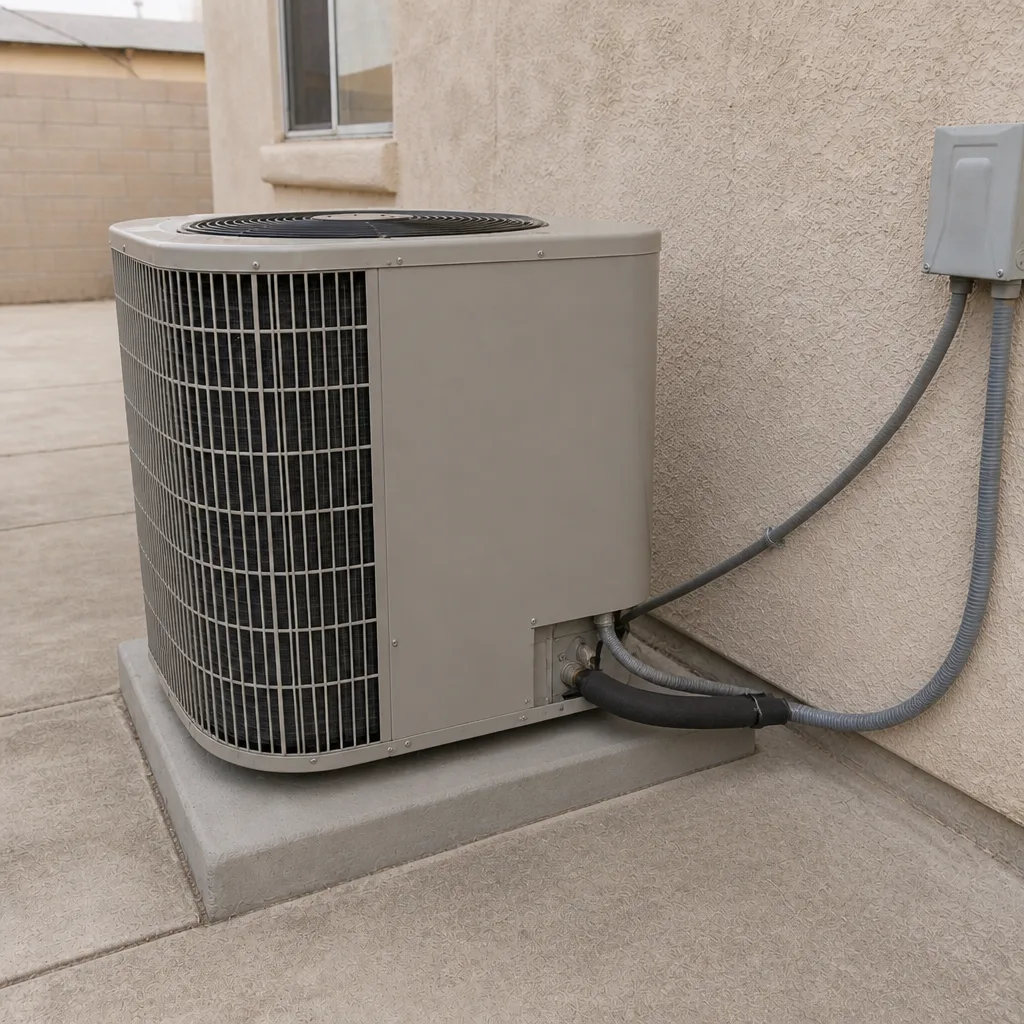
 Before
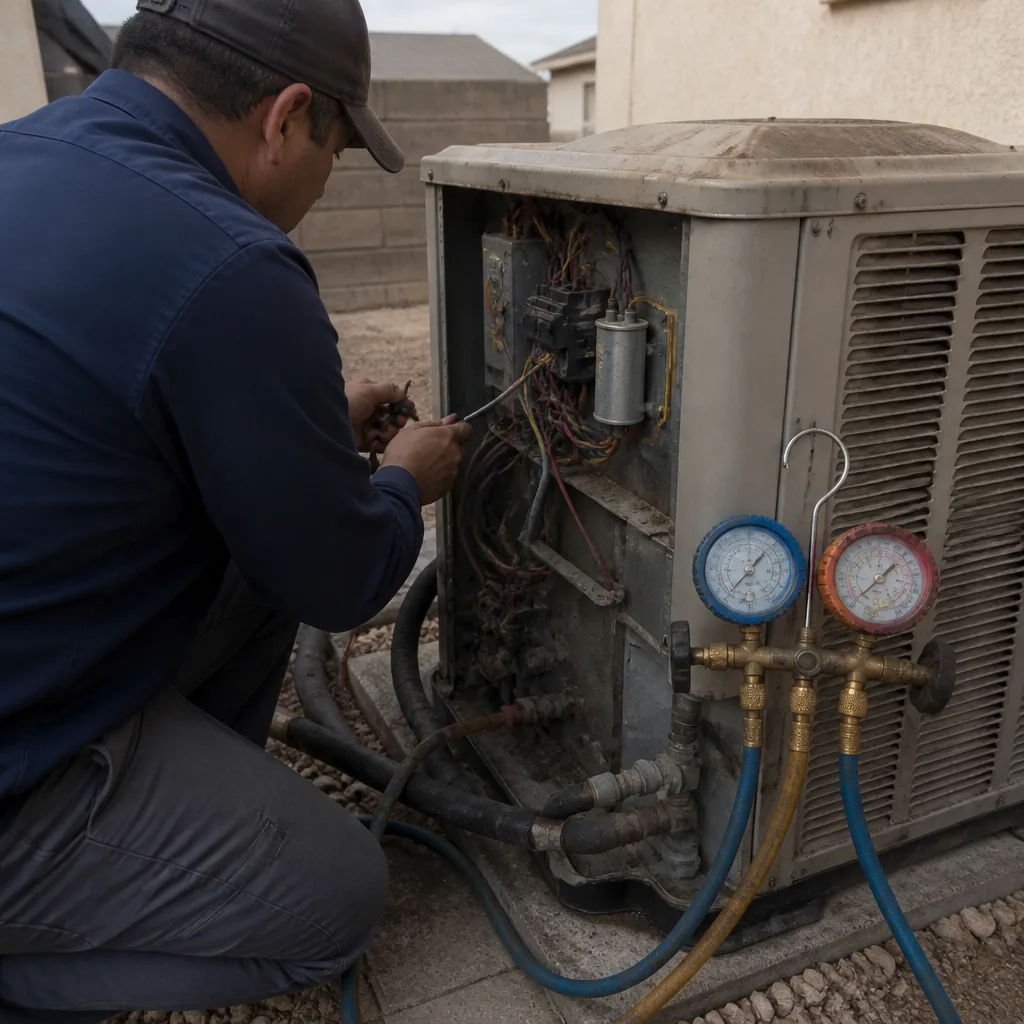
 After
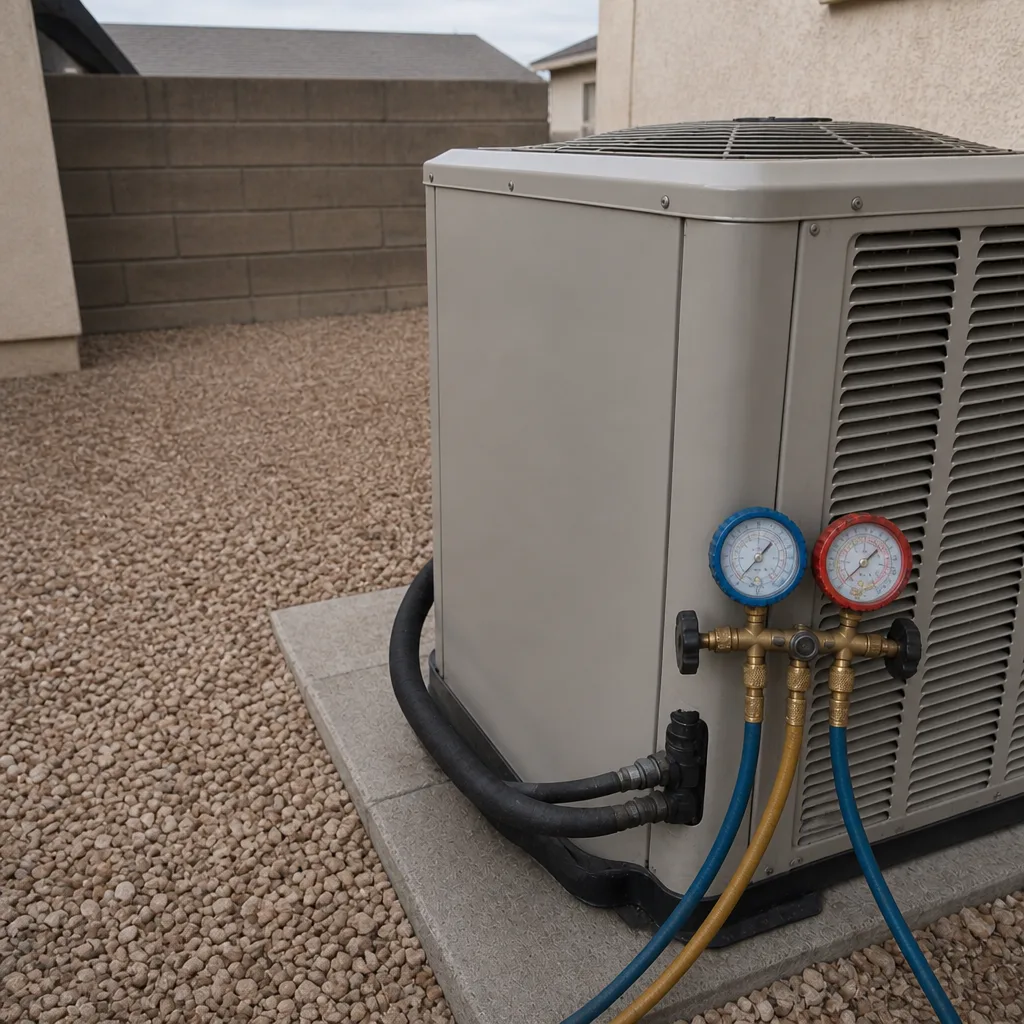
 Before
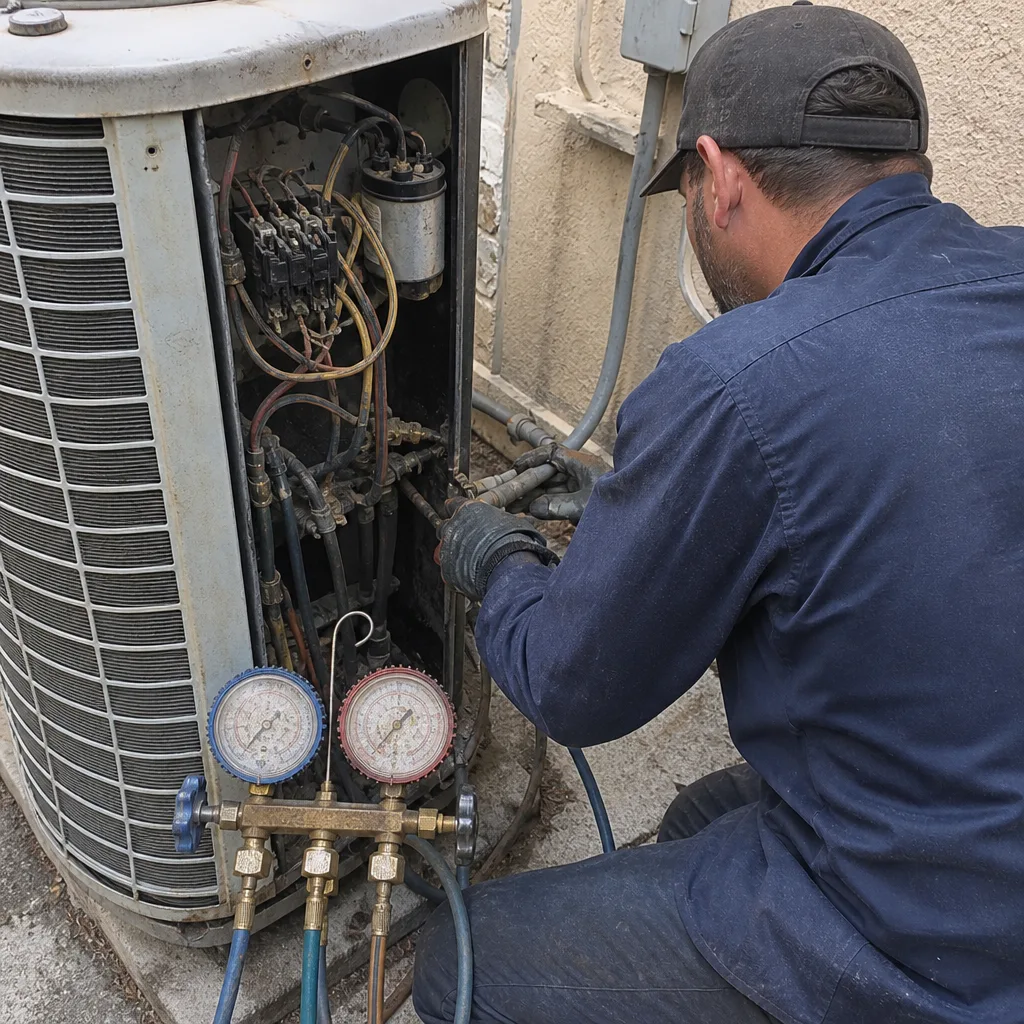
 After
 Before
 After
When to Call a Professional
Call a licensed HVAC pro the moment you can’t cool a vulnerable person or animal, the indoor temperature is climbing past 90°F, or the system has quit and you’ve already verified the thermostat is calling and the breaker hasn’t tripped. Call the same day – not necessarily at 2 AM – for any failure during an excessive heat warning, even if everyone in the house is healthy. Also call if the outdoor unit is humming but not running, if there’s ice on the refrigerant lines, or if the breaker trips twice in an hour. Those are electrical and refrigerant issues you shouldn’t diagnose yourself. Ray’s Heating & Air North Las Vegas offers free estimates in North Las Vegas and phones are answered by a live person around the clock. Call (844) 761-6871.
Frequently Asked Questions
Move vulnerable people and pets to the coolest interior room, close all sun-facing blinds, get box fans pulling air out of the house, and cool bodies with cool showers and wet cloths. Then call a licensed HVAC pro with a live person answering the phone. Don’t open panels on the outdoor unit – the capacitor holds a dangerous charge even after power is cut. Call (844) 761-6871 for an exact quote – estimates are free.
No. It’s a true emergency when an elderly, infant, or medically vulnerable person or a pet is in the home and indoor temperature is climbing past 90°F, or when anyone is showing signs of heat illness. For a healthy household that can cool a room with fans, it’s urgent but manageable until morning. Either way, call and be honest about who’s in the house and how hot it is inside – that prioritizes the trip correctly.
A fair after-hours diagnostic fee in the North Las Vegas market usually runs in the $89 to $149 range, quoted on the phone before dispatch, with readings shown to you before any repair price is named. Anything dramatically below that often becomes an inflated “emergency rate” at the door. Call (844) 761-6871 for an exact quote – estimates are free.
Capacitor health, refrigerant charge, condenser coil cleanliness and airflow clearance, and filter condition. Those four account for most summer failure calls in North Las Vegas in our experience. Each one is a 10- to 20-minute check with the right tools. Get them done in early April, before the first excessive heat warning.
Repair if the failure is a capacitor, contactor, or fan motor and the system has been holding its refrigerant charge. Replace if you’re seeing a second refrigerant leak in as many years, a failing compressor, or a repair bill that runs more than 40% of replacement cost. Get a written estimate for both, and take the free second opinion on it. Call (844) 761-6871 for an exact quote – estimates are free.
Yes. Calls are answered by a live person 24/7, including by Ray himself at two in the morning. Tell the person on the phone that there’s an elderly, infant, or medically fragile resident in the home and current indoor temperature – that moves the call up the list. There’s no trip charge inside our own county. Call (844) 761-6871 for an exact quote – estimates are free.
The Bottom Line
An HVAC emergency in North Las Vegas is a health event, not a comfort blip. The homeowners who do best aren’t the ones who know how to diagnose a capacitor at midnight – they’re the ones who did an April checklist, put a thermometer in the room where the vulnerable person sleeps, and had a phone number they trusted before the first excessive heat warning. Protect the people first. Call a live person when it’s a true emergency. Skip the panel work. Refuse a replacement quote you didn’t see a reading for. Make those three decisions in April and the heat wave is a manageable week instead of a crisis.
Call Ray’s Heating & Air North Las Vegas at (844) 761-6871 for a free estimate. Phones are answered by a live person 24/7, in our own county there’s no trip charge, a free second opinion is available on any written estimate, and every heating and cooling job carries the 90-Day Done Right Promise in writing – if it isn’t done right, one call brings Ray back.
Written by the team at Ray’s Heating & Air North Las Vegas.