
Last updated November 17, 2026
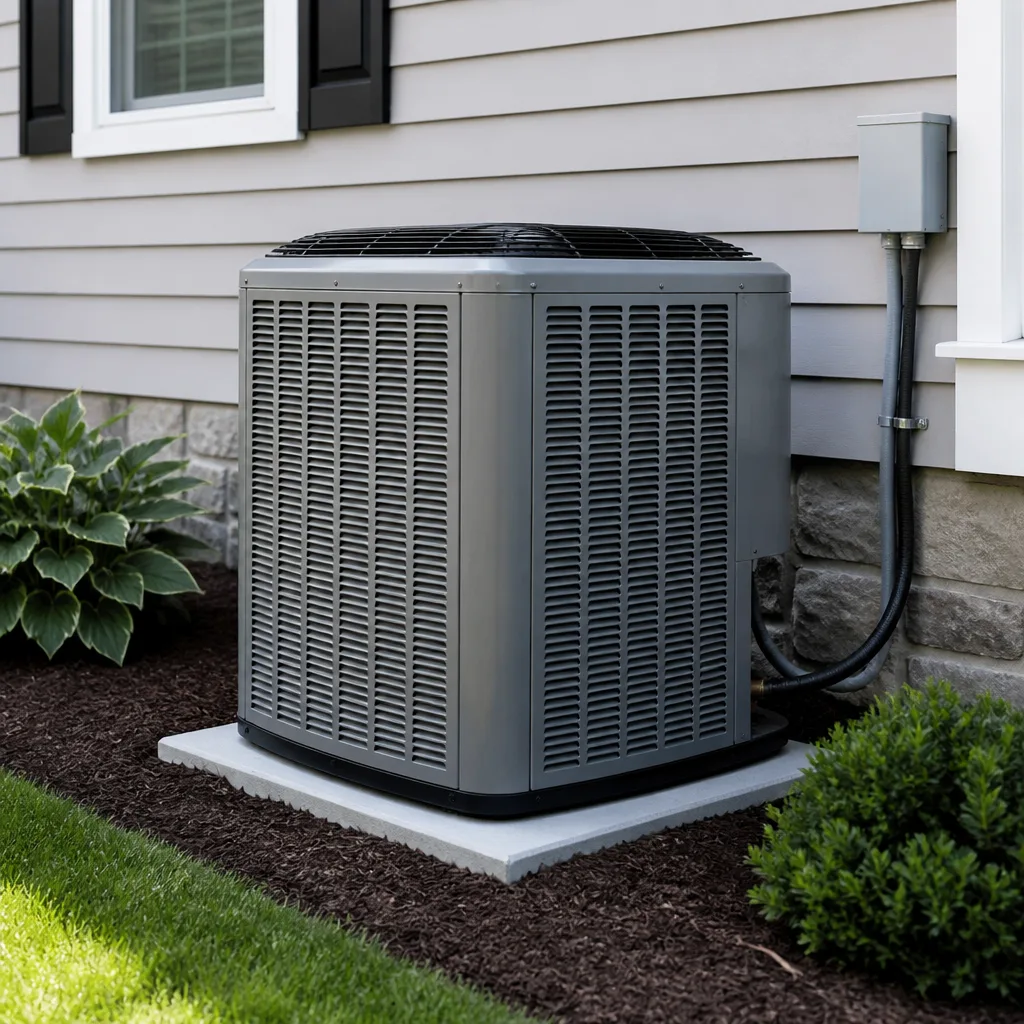 AC repair
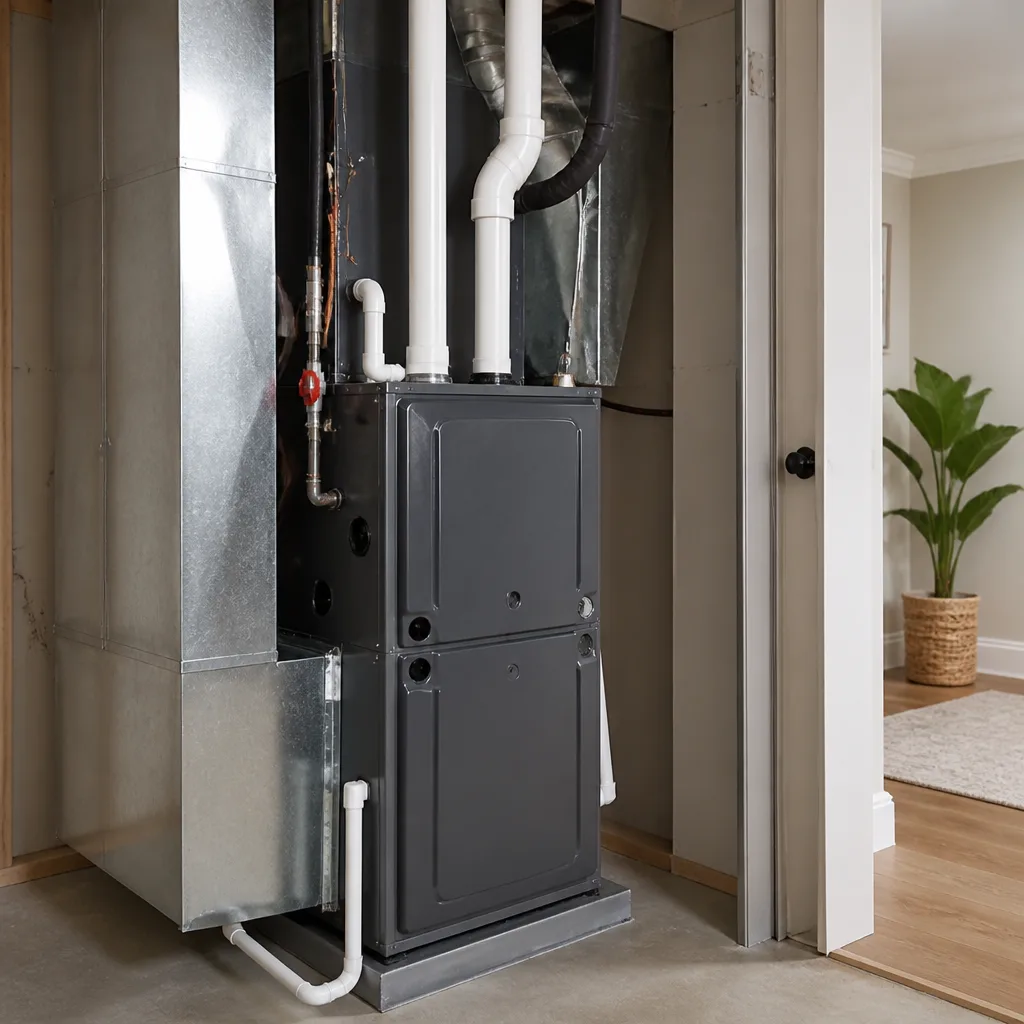 Furnace & heating
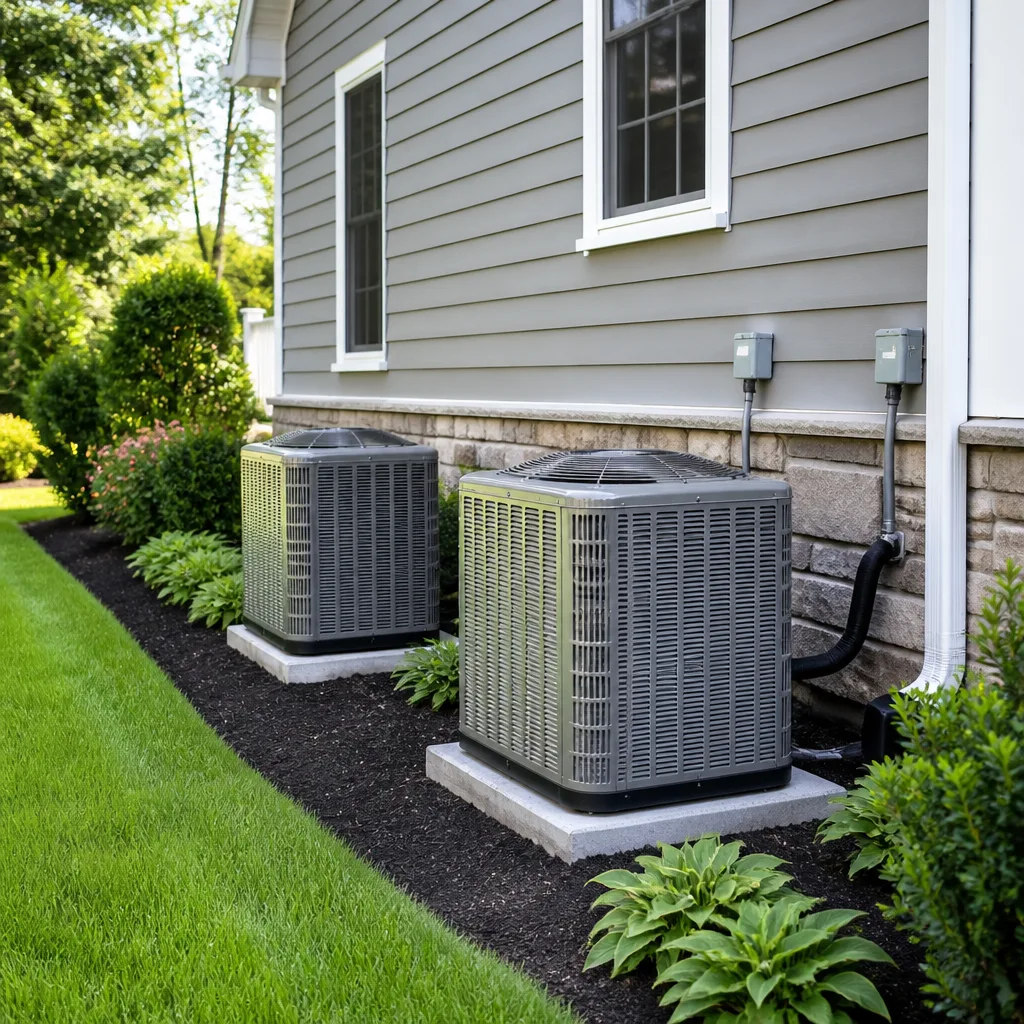 Heat pumps
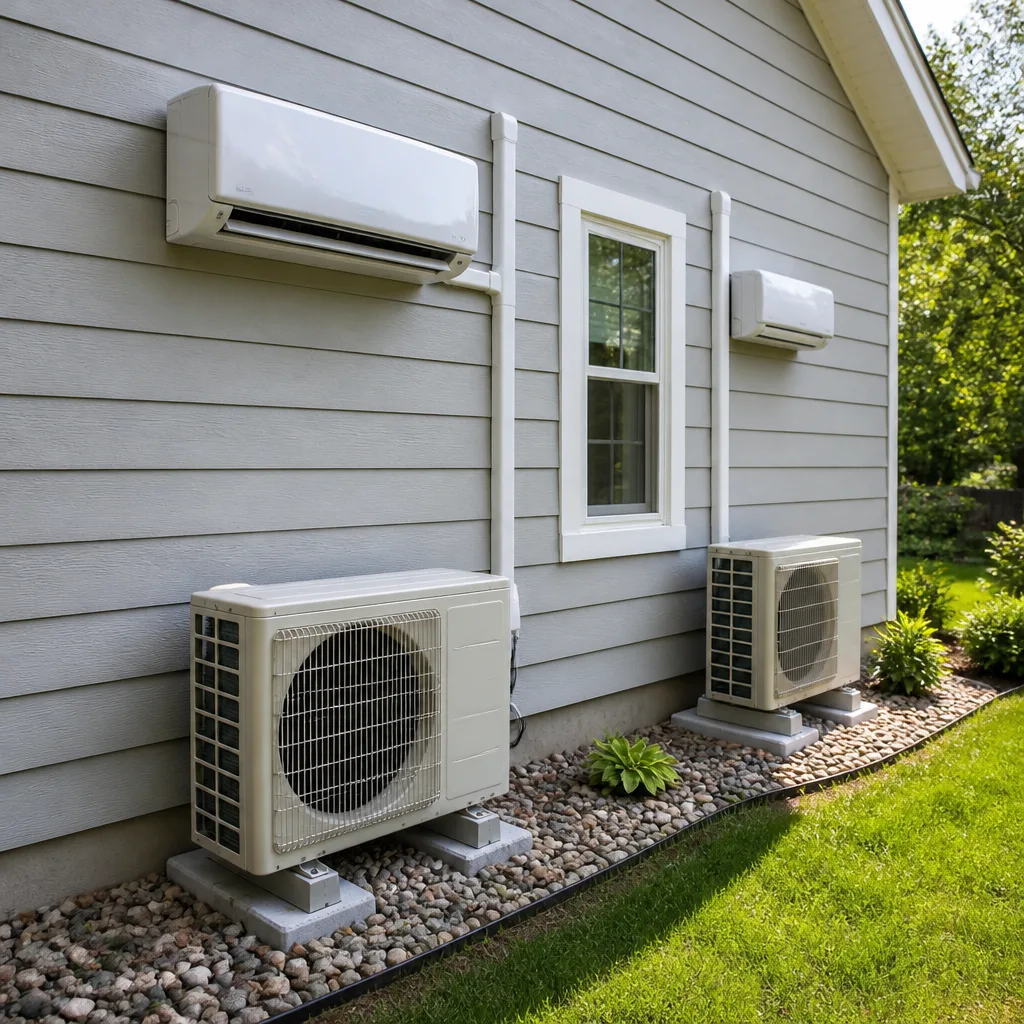 Ductless mini splits
 Carrier
 Trane
 Goodman
Seasonal tune-up and full diagnostic on your Carrier, Trane, or Goodman system - readings shown to you before any repair is proposed
Diagnosis first, numbers second - you approve the repair price before a single part goes in.
Get your free estimateDIY vs Professional Air Quality & Ventilation: What’s Safe to Do Yourself
A YouTube video will teach you to clean your own air handler coils. It won’t tell you that puncturing a coil on a 2003 Lennox voids the last warranty clause you had left. That’s the funny thing about air quality work in a desert valley – the list of things you can safely do yourself is shorter than the internet makes it look, and the list of things that look easy but aren’t is way longer. We’re going to draw that line with specific tasks, not vague warnings. By the end you’ll know exactly what belongs in your Saturday morning and what belongs in a professional’s hands – and how to describe a ventilation problem so the guy who shows up already has the right part in his hand.
Quick Answer
You can safely swap filters, wipe down registers, clean behind the bathroom fan grille, and disconnect-and-clean your dryer vent. You should not touch evaporator coils, seal flex duct with tape, or install an air purifier that taps into your return plenum. Those three carry real danger or real code trouble – and in North Las Vegas, they can also void a warranty or fail an inspection.
Styles & brands we work with
- AC repair
- Furnace & heating
- Heat pumps
- Ductless mini splits
- Carrier
- Trane
- Goodman
Table of Contents
- What You Can Safely Do Yourself
- Tasks That Look Simple But Carry Real Risk
- The Tools That Signal You’ve Crossed the Line
- Why Air Purifier Installation Isn’t a DIY Job
- How to Spot a Ventilation Problem and Describe It on the Phone
- Common Mistakes to Avoid
- When to Call a Professional
- Frequently Asked Questions
What You Can Safely Do Yourself
Start with the honest stuff. Four jobs in your home don’t require a license, a torch, or a prayer – and doing them consistently is most of what “better air quality” actually means for a normal house.
1. Filter swaps. In North Las Vegas, dust season runs basically all year, and a 1-inch filter in a system that runs nine months out of the year clogs faster than the box says. Check it every 30 days in summer. Use a MERV 8 for most homes – a MERV 13 sounds better but chokes airflow on older blowers, and a starved system cools poorly and ices up. If someone sells you a “hospital grade” filter for a 1990s Goodman, that’s a red flag, not an upgrade.
2. Register and return-grille wipe-downs. Dust settles on the face of your supply registers and the return grille. A damp microfiber cloth, once a month, keeps that dust from cycling right back into the air. Pull the grille off the return (usually two screws or a friction fit) and vacuum the face with a brush attachment. Don’t shove a vacuum hose down the return duct – you’ll knock loose debris into the blower.
3. Bathroom fan grille removal and cleaning. The grille pops off with a squeeze or a small screwdriver. Soak it in warm soapy water, wipe the housing, and check that the flapper behind it opens when the fan runs. Hold a piece of tissue up to the grille – if it doesn’t stick, the fan is weak or the duct is blocked. That’s a real finding, not a guess.
4. Dryer vent disconnect-and-clean. Unplug the dryer, pull it out, disconnect the flex hose from the back, and clean the lint out of the hose and the wall collar. Vacuum the dryer’s rear cavity. Reconnect, push back, and confirm the outside flapper pops open when the dryer runs. This is the single highest-value DIY air quality task in any home – lint fires are real, and a clogged dryer vent also dumps humid air and lint into your living space.
That’s the whole list. Four jobs, maybe an hour a month between them. Everything else in this guide is where it gets interesting.
Tasks That Look Simple But Carry Real Risk
This is where we’ve seen homeowners get hurt or get stuck. The tasks below all look like 20-minute jobs on video. None of them are.
Evaporator coil cleaning. The coil sits inches from the refrigerant lines and the condensate pan. A brush or a fin comb, one slip, and you’re bending fins, cracking a braze joint, or punching a hole in the coil. On a R-410A system, a leak means pump-down, recovery, and a repair bill in the four figures. On an older Lennox or York still on R-22, the repair can cost more than the system is worth. We’ve pulled coils out of North Las Vegas homes that were “cleaned” by a homeowner with a shop vac – the fins were crushed, airflow dropped, and the system was short-cycling within a week.
Duct tape on flex duct. Duct tape is the most misnamed product in America. On flex duct it fails within a season in our heat, and the tape crumbles into a sticky mess. Worse: Clark County Mechanical Code treats the duct system as part of the permitted HVAC work, and unlisted tape on a supply duct is a fire and smoke-spread concern in a fire-rated assembly. If an inspector sees silver tape on a supply trunk in a garage ceiling, that’s a correction, not a comment. The correct product is a UL 181-listed mastic or foil tape rated for the application – and honestly, if the joint needs sealing, the duct may also need rerouting, which is not a tape job at all.
Pulling the blower or the air handler door. That panel holds line voltage. On a heat pump system there’s a capacitor that will absolutely light you up if it’s still holding a charge. We’ve had calls from North Las Vegas homeowners who took the door off to “vacuum the wheel” and got a shock, or dropped a screw into the blower cage and bent it. The blower wheel is a balance-critical part – one bent blade and the whole system gets noisy and inefficient.
Sealing return leaks in a garage or attic. Return-side leaks pull air from the garage or attic into your living space. It sounds like a five-minute mastic job. But a return leak in a garage can pull carbon monoxide from a running car into the house – and finding and sealing it correctly often means opening a wall or ceiling. Not a homeowner job.
The Tools That Signal You’ve Crossed the Line
Tools are a decent litmus test. Here’s the split.
Tools that belong in your garage:
- A filter-size note taped inside the return door (so you buy the right one every time)
- Microfiber cloths and a spray bottle of mild cleaner
- A vacuum with a brush attachment
- A long-handled dryer vent brush (the flexible kind sold at any hardware store)
- A screwdriver set
- A piece of tissue for the bathroom fan flapper test
Tools that mean you’ve crossed into professional territory:
- Manometer and a static pressure test kit (used to prove duct restriction)
- Refrigerant gauges and recovery equipment (federally regulated – you need an EPA 608 certification to handle refrigerant)
- Fin comb, coil cleaner, and a pump sprayer
- UL 181-listed mastic and foil tape, plus a duct blaster for leakage testing
- Multimeter for capacitor and motor testing
If you’re shopping for anything on the second list for a one-time project, that’s the sign to call instead. The tool costs more than the job.
Why Air Purifier Installation Isn’t a DIY Job
A plug-in purifier on a tabletop is fine – buy one, plug it in, replace the filter, done. A whole-house purifier or a media cabinet that taps into the return plenum is a different animal, and this is the spot where we see the most expensive mistakes.
When a purifier or a 4-inch media filter cabinet gets cut into the return plenum, three things have to be true. The return has to be sized correctly for the added static pressure. The cabinet has to be sealed airtight – a leaky cabinet pulls attic or garage air into the system. And the installation has to be listed and permitted as part of the mechanical system. Cut a hole in the wrong spot and you starve the blower or short-cycle the system. Cut into the plenum in a way that pulls return air from a garage and you’ve created a carbon monoxide pathway.
We’ve been called to North Las Vegas homes where a homeowner installed a big-box UV light or a purifier cabinet and the system started freezing up within two weeks. The fix usually runs $300 to $700 because the cabinet has to be resealed and the return has to be rebalanced. That’s the cost of a job that looked like a weekend project.
If you’re thinking about a whole-house purifier, a media filter cabinet, or a UV system, this belongs in a conversation with a pro who can measure your static pressure first. Readings first, numbers second. You’ll see both.
How to Spot a Ventilation Problem and Describe It on the Phone
Here’s the part most guides skip. The best thing you can do for your own air quality is learn to describe a problem accurately – because that’s what gets the right person to your door with the right parts. Try these checks first, then write down what you find.
1. The tissue test at each bathroom fan. Hold a tissue to the grille with the fan on. If it doesn’t stick, the fan is weak or the duct is blocked. Note which bathroom and whether the fan is noisy.
2. The dust-stripe test at supply registers. Look for a dark line on the ceiling or wall right at the register. That streak means dust is being pushed out under pressure – often a sign of a return-side restriction or a leaky duct connection behind the boot.
3. The filter check. Pull the filter and hold it up to a light. If light is barely getting through, note the size and the last date you changed it.
4. The “does the air smell like the garage” test. Walk through the house on a hot afternoon. Any gasoline or exhaust smell that shows up only when the system runs is a serious finding. Say those words on the phone: “I smell exhaust when the AC runs.” That moves you to the front of the line.
5. The humidity on the windows test. Sweating windows and a clammy feel in summer point to airflow or charge problems, not just humidity. Note which rooms.
When you call, say: “Two bathrooms, the fan in the guest bath doesn’t hold a tissue, and the master supply has a dust stripe on the ceiling. System is a 2011 Rheem.” That’s a 30-second description that lets the person on the other end load the right parts – grille, mastic, maybe a new fan – before they leave.
If it turns out you need work on the cooling side rather than the air side, our AC Repair & Installation in North Las Vegas team handles that, and Heating & Furnace in North Las Vegas covers the winter half of the same system.
Common Mistakes to Avoid
- Buying a “premium” filter to fix a dust problem. A MERV 13 in a system designed for a MERV 8 restricts airflow, raises static pressure, and cools worse. The dust gets worse, not better. Match the filter to the blower.
- Sealing a duct joint with duct tape. We’ve seen tape that was applied last summer in North Las Vegas already peeling off a flex run in an attic. Use UL 181-listed mastic or foil tape – and if you’re sealing a supply joint, have a pro look at it first.
- Running the bathroom fan with the window open. In our dry summer heat, an open window with a fan running pulls hot 110-degree outside air into the house and wastes the fan’s work. Fan on, window closed.
- Pulling the dryer vent hose to clean the whole run without checking the outside flapper. Half the lint lives in the wall run, not the hose. If the flapper doesn’t pop open easily, the run is blocked and needs a pro.
- Cutting a purifier cabinet into the return plenum without measuring static pressure. The number you skip is the number that tells you whether the cabinet will actually work – and whether you’re about to starve the blower.
- Assuming a dusty house means a bad system. In North Las Vegas, dust is in the air. A dusty house can mean a dirty filter, a leaky return, or a plain old outer wall that needs weatherstripping. Test before you replace.
- Calling one company and accepting the first quote. A written estimate is a piece of paper. A second opinion is free with us, and it’s the reason we publish ours.
When to Call a Professional
Call a professional when you smell exhaust inside the house, when a bathroom fan won’t hold a tissue and the duct can’t be cleared from the grille, when you see a dust stripe on a supply boot, or when any air quality upgrade involves cutting into the plenum or the return. Any of those can also point to a bigger cooling or heating problem in the same system. Our technicians have up to 24 years of experience, and every job carries our 90-Day Done Right Promise in writing – if we don’t do it right, one call brings Ray back. Ray’s Heating & Air connects you with independent local professionals – and in North Las Vegas, a free estimate starts with a call to (844) 761-6871.
Frequently Asked Questions
No – coil cleaning is the one air quality task we tell every homeowner to leave alone. The coil sits next to fragile refrigerant lines, the fins bend easily, and a slip can cause a refrigerant leak that costs far more than a service visit. A $150 cleaning visit is cheaper than a coil replacement every time.
It’s a real problem for two reasons. In Clark County, the duct system is part of the mechanical code, and standard duct tape isn’t a listed sealant for supply ducts. And in our heat, ordinary duct tape fails within a season anyway. Use UL 181-listed mastic or foil tape – or call us and we’ll seal it correctly.
Not safely if it involves tapping into the return plenum or a media cabinet. The cabinet has to be sized, sealed, and installed so it doesn’t starve the blower or pull garage air into the house. We’ve been called to North Las Vegas homes where a DIY install caused freeze-ups within two weeks – the fix usually runs $300 to $700 on top of the original purchase.
Check it every 30 days in summer and 60 days in winter, and change it when it’s visibly gray or light won’t pass through. Our dust and long cooling season mean a filter that would last three months in a milder climate can be done in six weeks here. A MERV 8 is usually the right choice for most homes.
Sometimes – clean the grille, check the flapper, and clear what you can reach from the housing. If it still won’t hold a tissue, the fan itself is weak or the duct run is blocked, and that’s a professional job. A weak fan is more than an annoyance – it lets moisture build up in the bathroom.
Yes – free estimates on air quality work and ventilation, plus a free second opinion on any written estimate you already have. No trip charge inside the county. Call (844) 761-6871 and we’ll get a real reading on your system before we quote a number.
The Bottom Line
The DIY side of air quality work is four jobs: filter swaps, register wipe-downs, bathroom fan grilles, and the dryer vent. Do those consistently and you’ve handled most of what affects the air in a normal home. The rest – coil cleaning, duct sealing, plenum work, purifier installs – belongs to a trained professional. In North Las Vegas, the desert heat and our county’s mechanical code make the “call it in” list a little stricter than most guides admit. Know the split, know how to describe a problem accurately on the phone, and you’ll save money and stay safe.
If you’re not sure which side of that line your project falls on, we’re glad to look. Visit Ray’s Heating & Air North Las Vegas home to see how we work, or learn more about our Heat Pump & Mini Split in North Las Vegas service if you’re thinking about ventilation upgrades that work alongside a heat pump system. For an exact quote, call (844) 761-6871 – estimates are free, and you’ll see the readings before you see the numbers.
Written by the team at Ray’s Heating & Air North Las Vegas.
See the difference
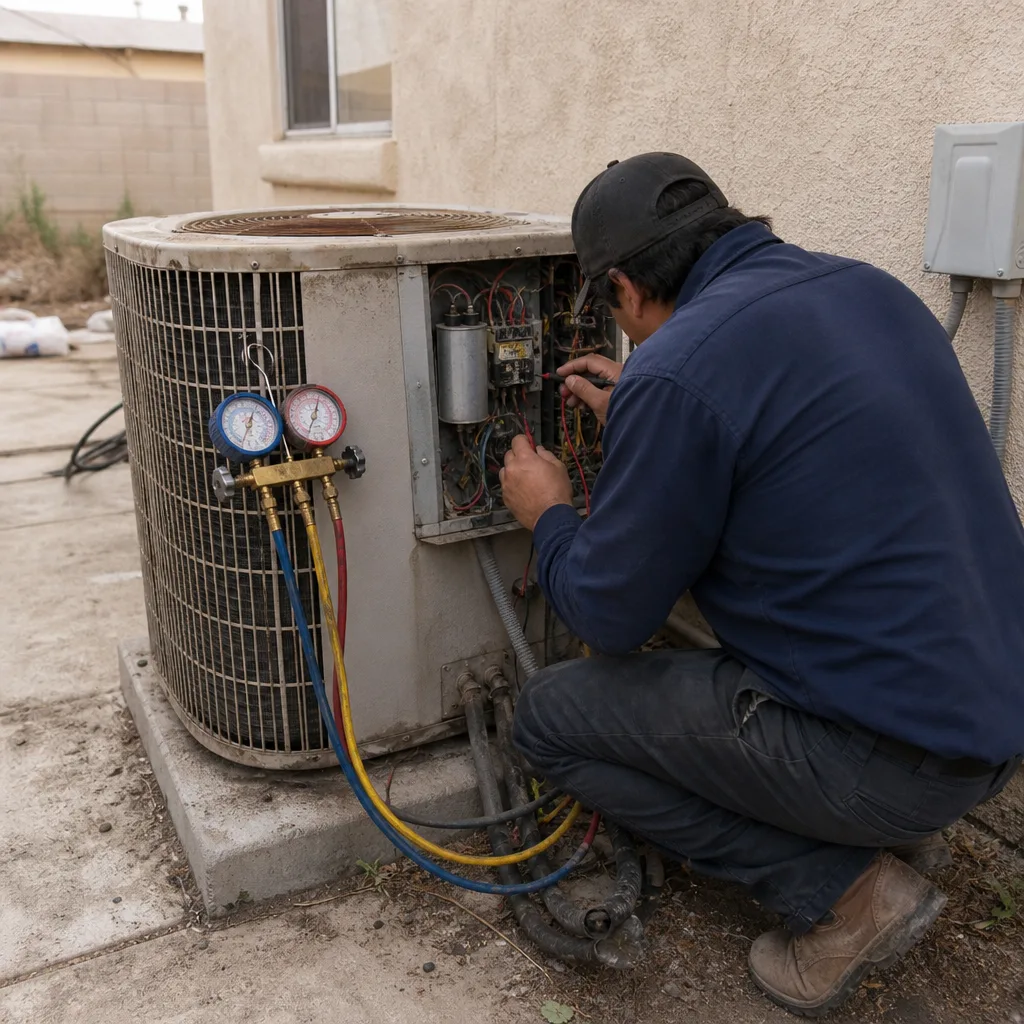 Before
 After
 Before
 After
 Before
 After