
Last updated November 17, 2026
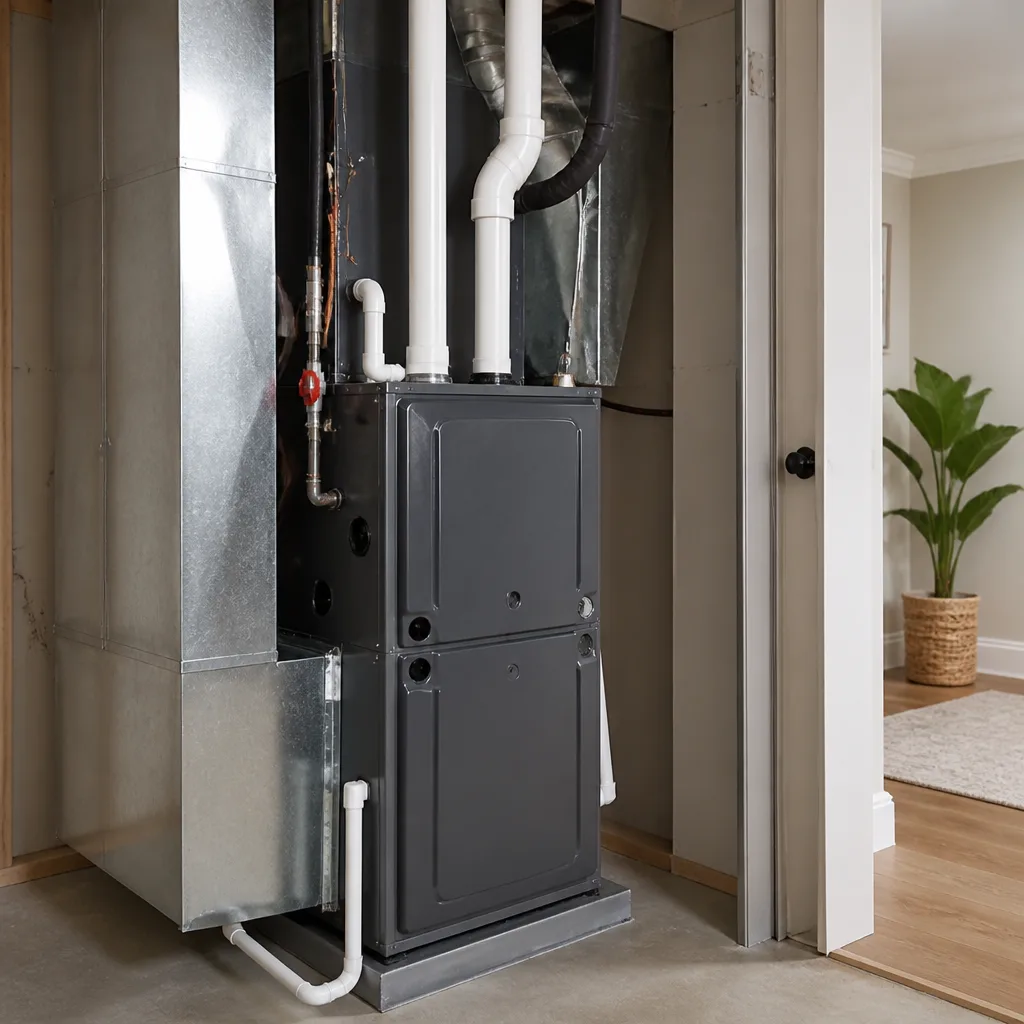 Furnace & heating
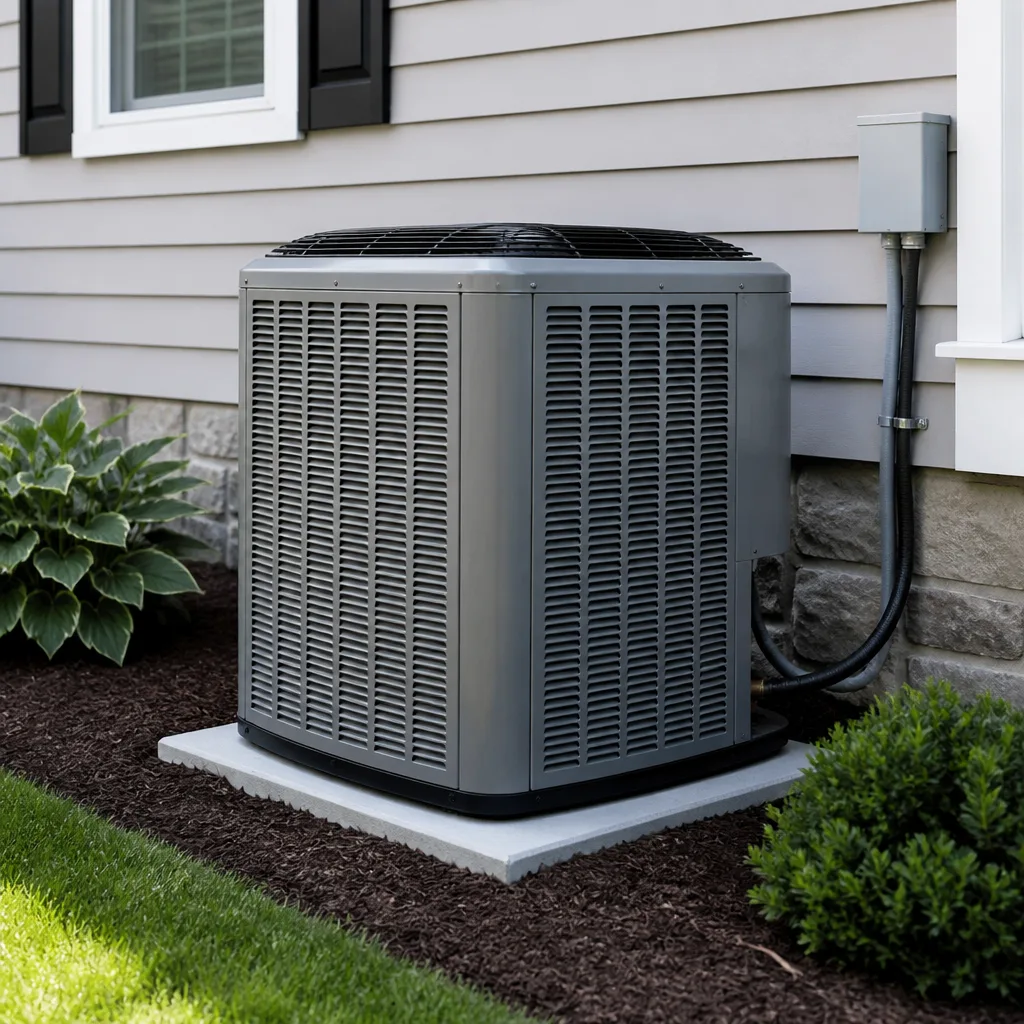 AC repair
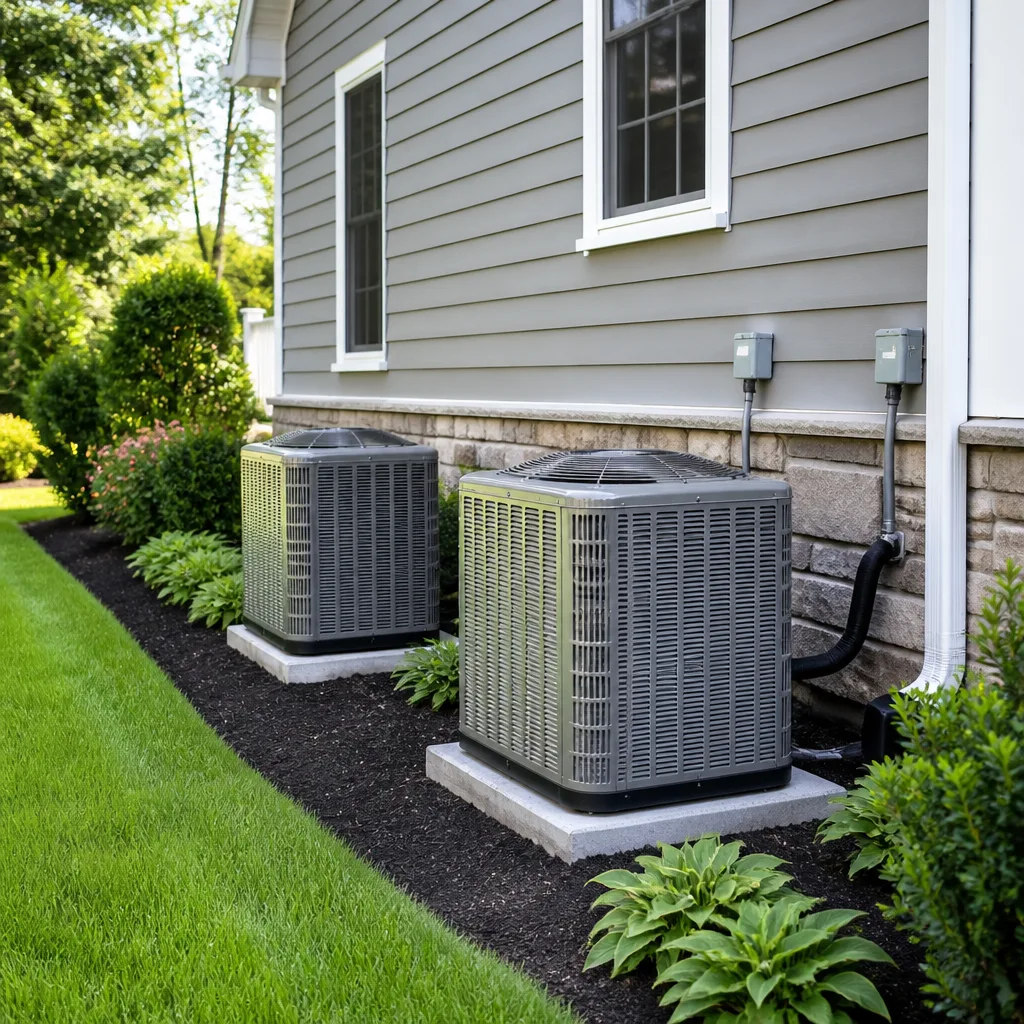 Heat pumps
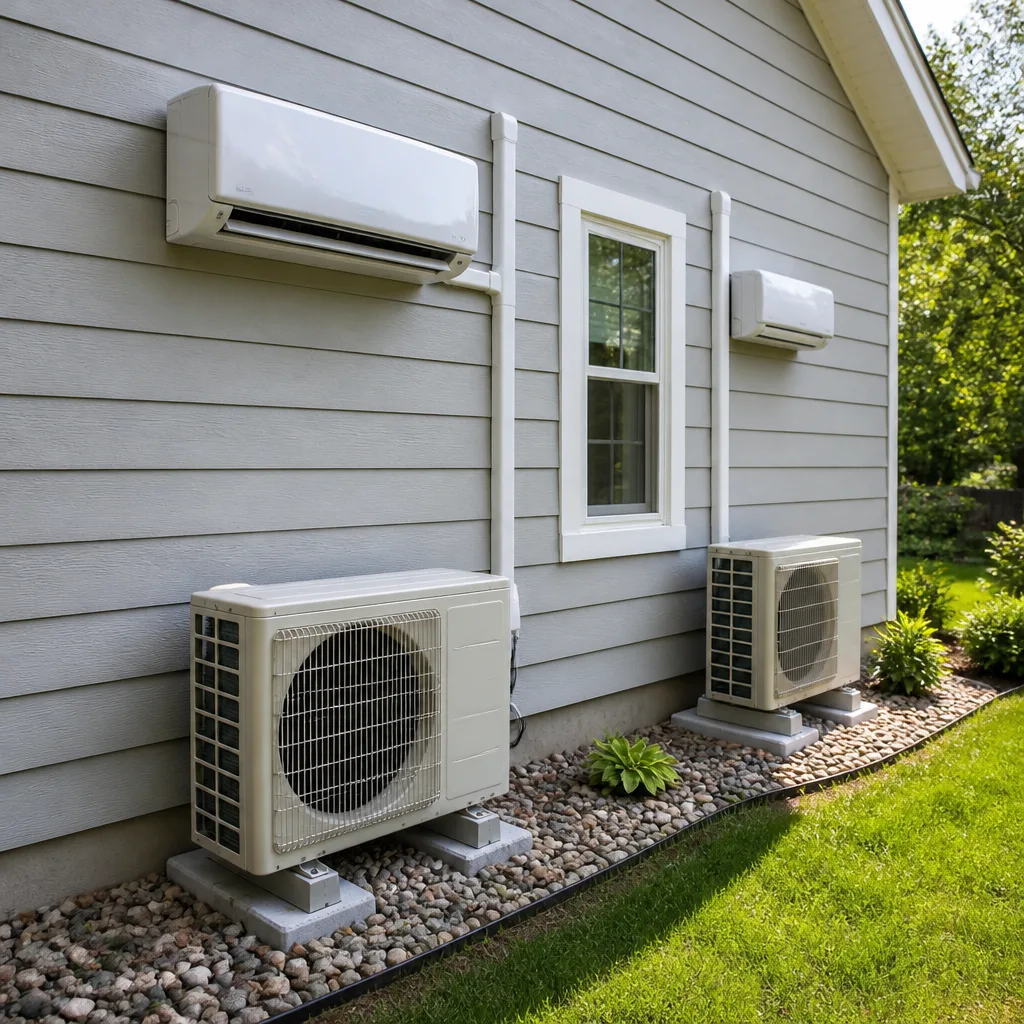 Ductless mini splits
 Carrier
 Trane
 Goodman
Seasonal tune-up and full diagnostic on your Carrier, Trane, or Goodman system - readings shown to you before any repair is proposed
Diagnosis first, numbers second - you approve the repair price before a single part goes in.
Get your free estimateThe Complete Heating & Furnace Guide for North Las Vegas Homeowners
Las Vegas sees an average of 58 nights below 40°F every winter. That’s not brutal cold. But it’s enough to kill a neglected furnace that last ran in February and then sat untouched until November. That’s the trap a lot of North Las Vegas homeowners fall into: December hits 50 degrees and they think “not that cold,” so the furnace keeps getting pushed off another year. Meanwhile it’s burning more gas than it should, running longer than you’d expect, and quietly corroding in the garage until the first genuinely cold night, when it quits. This guide covers why that happens, how North Las Vegas home construction makes it worse, what Nevada gas rules you need to know, and how to decide whether your furnace has years left or is a liability.
Quick Answer
In North Las Vegas, gas furnaces usually fail from neglect and cold-start shock rather than overuse, and most homes built in the 1990s and 2000s here have attic insulation that’s thinner than modern standards call for, which makes correct furnace sizing and airflow more important than most guides admit. A furnace that’s 15 or more years old, rated at 80% efficiency or below, and showing rust or a cracked heat exchanger is generally a replace-now situation rather than a repair.
Styles & brands we work with
- AC repair
- Furnace & heating
- Heat pumps
- Ductless mini splits
- Carrier
- Trane
- Goodman
Table of Contents
- Why North Las Vegas Furnaces Fail From Neglect, Not Overuse
- How North Las Vegas Home Construction Affects Your Furnace
- Nevada Gas Rules, CO Detectors, and Permits for Furnace Replacement
- Repair or Replace? How to Judge the Next 3 to 5 Years
- Why Furnace Sizing and Airflow Matter More Here
- What the 90-Day Done Right Promise Covers on a Furnace Install
- A Simple Annual Furnace Maintenance Routine
Why North Las Vegas Furnaces Fail From Neglect, Not Overuse
Here’s something that surprises people: a furnace that runs for five months straight in Minnesota often lasts longer than a furnace that sits idle for eight months in North Las Vegas. The difference is what happens during the idle months. A furnace in a garage or closet that sits through summer pulls in warm, dusty air. That dust settles on the burners. Condensation forms on cold metal in the morning and evaporates by afternoon, over and over, and each cycle leaves a little more corrosion behind. By November, the heat exchanger has been quietly rusting since spring.
The other failure mode is cold-start shock. On the first genuinely cold night of the season, that furnace fires up after months of dormancy. The blower motor that was fine in February now has dried-out bearings. The igniter that worked all winter is now brittle. The gas valve that sat closed for months can stick. We’ve seen furnaces that ran fine the previous winter and then failed on the first cold night of the next, and it’s almost always because the system was never looked at in between.
The specific mechanical reasons a neglected North Las Vegas furnace corrodes and cracks:
- Rust on the heat exchanger. Repeated condensation cycles in a garage or closet eat through the steel over time. A rusted or cracked heat exchanger can leak carbon monoxide into your home. This is a serious safety issue, not a maintenance item.
- Dust-clogged burners. Desert dust settles on the burner assembly through the off-season. Clogged burners cause incomplete combustion, which means more gas burned for less heat, and higher carbon monoxide risk.
- Dried-out blower bearings. A blower that sat idle for months can seize or squeal on first startup.
- Failing igniters and flame sensors. These small parts get brittle with age and are the most common reason a furnace won’t light in November.
- Dirty flame sensor. A thin film of dust on the flame sensor makes the furnace shut off a few seconds after lighting. It’s a cheap fix if caught, a no-heat call if not.
The takeaway: in North Las Vegas, a furnace tune-up in October is worth more than one in January. Getting eyes on the system before the first cold snap is what prevents the cold-start failure.
How North Las Vegas Home Construction Affects Your Furnace
A large share of North Las Vegas housing was built in the 1990s and 2000s, and the attic insulation in many of those homes is minimal by modern standards. We’re talking older batt insulation that’s settled, compressed, or missing in spots, with an R-value well below what today’s codes call for. That matters for your furnace in a way most guides skip over: a house that loses heat faster needs a furnace sized and tuned correctly, and it needs ductwork that actually delivers the air.
Most of these homes are stucco on the outside, which is fine in the desert, but stucco over wood frame with thin attic insulation means the heat you pay for escapes through the ceiling on a cold night. In a well-insulated house, a slightly oversized furnace is a minor inefficiency. In a North Las Vegas house with thin attic insulation, an oversized furnace short-cycles: it blasts heat, hits the thermostat setpoint fast, shuts off, then repeats. Short cycling wears out the heat exchanger and blower, wastes gas, and leaves some rooms cold while others are too warm.
What we look at on a North Las Vegas home before recommending a furnace:
- Attic insulation depth and condition, room by room, not just the average.
- Duct condition, since leaky ducts in a hot attic lose heat before it reaches the room.
- Window age and glazing, especially on west-facing walls.
- Square footage and ceiling height, plus how the home is zoned.
- Existing furnace input and output ratings, so we’re comparing like to like.
An undersized furnace never keeps up on the coldest nights. An oversized one short-cycles and fails early. Getting the size right is the whole job. If you want the full picture of how we approach the heating side, our Heating & Furnace in North Las Vegas page covers it in more detail.
Nevada Gas Rules, CO Detectors, and Permits for Furnace Replacement
Nevada gas work is regulated at the state level, and gas line modifications generally need to be performed by a licensed professional. Homeowners can handle plenty of small repairs themselves, but anything touching the gas supply line, the gas valve, or venting is not a do-it-yourself job. A gas leak is not something you want to troubleshoot by feel.
On furnace replacement specifically: most North Las Vegas jurisdictions require a permit for a furnace swap, because the work involves gas connections and venting. The permit protects you. It means an inspector looks at the venting, the gas connection, and the clearances, and it means the job was done to code. Skipping the permit can cause problems at resale and can void your homeowner’s insurance if something goes wrong. When you get a quote for a furnace replacement in North Las Vegas, ask whether the permit is included. A quote that doesn’t mention a permit is telling you something.
Carbon monoxide detectors are a separate and important point. A properly installed CO detector on every level of the home and outside sleeping areas is basic safety, and it’s especially important with an older furnace. If your furnace is 15 or more years old, or you’ve never had it inspected, a CO detector is not optional. Carbon monoxide is odorless and symptomless at low levels, and a failing heat exchanger is one of the most common sources in a home.
Safety caveat: if you smell gas, hear a hissing sound near a gas line, or your CO detector alarms, leave the home and call your gas utility or emergency services from outside. Do not flip switches, do not try to find the leak yourself, and do not restart the furnace. Gas and carbon monoxide are genuinely dangerous, and this is a job for a trained professional.
Repair or Replace? How to Judge the Next 3 to 5 Years
This is the question homeowners ask us most, and we give an honest answer even when it’s “you’ve got three or four more years out of this one.” We don’t push replacements on furnaces that don’t need them. Here’s how we actually decide.
The points we check, in order:
- Age. A gas furnace generally has a 15-to-20-year service life. Past 15, we start watching it closely. Past 20, we’re honest that replacement is usually smarter than chasing repairs.
- Efficiency rating. Older furnaces at 80% AFUE or below burn noticeably more gas than a modern high-efficiency unit. If your gas bills have climbed and the furnace is old, the math starts to favor replacement.
- Heat exchanger condition. This is the deciding factor. A rusted or cracked heat exchanger is a safety issue and is not repairable. That furnace gets replaced, not patched.
- Repair history. A furnace that’s needed three repairs in two winters is telling you something. One repair a year on a 12-year-old unit is normal wear.
- Cost of repair versus age. A simple rule: if a repair costs more than a third of what a new furnace would cost, and the furnace is past 12 years old, replacement is usually the better call.
- Parts availability. Some older units have parts that are getting hard to source. That’s a real factor, not a sales pitch.
What we won’t do is walk in and quote a full replacement before we’ve tested anything. We check the capacitor, the igniter, the flame sensor, and the heat exchanger first. Readings first, numbers second. If a $200 repair fixes it, that’s the answer.
Why Furnace Sizing and Airflow Matter More Here
Furnace sizing gets skipped in most buying guides, and in North Las Vegas it’s more important than usual because of the insulation reality we covered above. A furnace has to match the home’s heat loss, and in a house with thin attic insulation and ductwork that runs through a hot attic, that heat loss is higher than the square footage alone would suggest.
The right way to size a furnace is with a load calculation based on the actual house: insulation, windows, ductwork, ceiling height, and climate. The wrong way is to match the old furnace’s size, which is what a lot of quick-change installs do. If the old furnace was oversized, matching it just repeats the problem. If your North Las Vegas home has thin insulation, the correct size might be slightly larger, or it might be the same, but the airflow through the ductwork has to be checked either way.
Airflow is the other half people ignore. A furnace that’s the right size but on undersized ductwork will overheat, trip the high-limit switch, and short-cycle. When we look at a North Las Vegas install, we check the duct static pressure and the return air path before we recommend a furnace. A proper install gets a written price, a set install date, and the rebate and financing paperwork handled before the truck shows up. Furnace replacement is scheduled work, not same-day work, because it takes a load calculation and an ordered unit to do it right.
What the 90-Day Done Right Promise Covers on a Furnace Install
A standard contractor warranty is built around parts. If the furnace itself fails, the manufacturer covers the part, and you still pay labor. What most warranties don’t cover is the workmanship: the venting that was sealed with the wrong material, the gas connection that leaked, the airflow that was never checked, the thermostat that was wired wrong. Those problems show up weeks after the installer is gone, and getting someone back to fix them can be its own ordeal.
The 90-Day Done Right Promise means that if something isn’t right on the heating work we did, one call brings us back, and we make it right. It’s in writing and it’s on the job. Specifically, on a furnace installation that covers:
- The gas connection and venting, and the clearances that go with them.
- Blower and airflow performance, including operation at the temperature rise the unit is rated for.
- Thermostat operation and wiring.
- Any install-related no-heat call in the first 90 days.
What it doesn’t cover is normal wear on consumable parts or a problem that the manufacturer’s warranty is built for. It’s a workmanship promise, not an extended warranty, and we’re clear about that up front. The point is that the person who did the work is the person who comes back, and you have something in writing that says so. You can read more about how we stand behind the work on our Ray’s Heating & Air North Las Vegas home page.
A Simple Annual Furnace Maintenance Routine
An annual check in early October, before the first cold snap, is the single best thing you can do to avoid a November no-heat call. Here’s the routine we recommend.
What a homeowner can and should do:
- Change the furnace filter every 1 to 3 months during heating season. A clogged filter is the #1 cause of furnace trouble.
- Keep the area around the furnace clear, especially in a garage or closet, and don’t store paint, solvents, or cardboard next to it.
- Check that return air vents inside the home aren’t blocked by furniture or rugs.
- Test your carbon monoxide detectors monthly with the test button and replace the batteries on schedule.
- Watch for yellowing or soot near the burners, which can indicate combustion problems, and call if you see it.
What a professional should handle: cleaning the burners, checking and cleaning the flame sensor, testing the igniter, inspecting the heat exchanger for cracks, checking gas pressure, measuring temperature rise and airflow, and inspecting the venting. The heat exchanger inspection and gas pressure check are things you can’t safely assess yourself. That’s the safety caveat that matters here: if you’re not trained on gas appliances, stay out of the burner compartment. The system will tell a trained person what’s wrong. Our AC Repair & Installation in North Las Vegas team handles the cooling side in the same visit if you want both systems checked, and for homes with heat pump or ductless systems, the Heat Pump & Mini Split in North Las Vegas guide covers those routines separately.
Common Mistakes to Avoid
- Skipping the fall check because it’s “not that cold.” That 50-degree December is exactly the trap. The furnace that sat untouched all summer is the one that fails on the first cold night.
- Matching the old furnace’s size without a load calculation. If your North Las Vegas home has thin attic insulation, the old unit might already be the wrong size. Repeating it repeats the problem.
- Ignoring a cracked heat exchanger because the furnace still heats. A cracked heat exchanger can leak carbon monoxide into the home while working fine otherwise. This is a safety item, and it doesn’t get patched.
- Skipping the permit on a furnace replacement. In most North Las Vegas jurisdictions the permit is required, and skipping it can cause resale and insurance problems later.
- Running without a working CO detector. One on every level and outside sleeping areas. An older furnace without one is a gap worth closing today.
- Taking a phone-quote replacement from an outfit that never looked at the house. A furnace beyond its size can’t be priced from a phone call. Real numbers come from real readings.
- Replacing when a $200 repair would do. Test the capacitor, the igniter, and the flame sensor first. If a simple part is the problem, an honest shop tells you so.
See the difference
 Before
 After
 Before
 After
 Before
 After
When to Call a Professional
Call if you smell gas, hear a hissing sound near a gas line, or your CO detector alarms. Those are not homeowner calls. Call if your furnace is blowing cold air, short-cycling (running for a few minutes and shutting off), making a banging or screeching sound, or won’t light at all. Call if the furnace is 15 or more years old and has never had a heat exchanger inspection. Call if your gas bills have climbed and the furnace is older. And call if you’re deciding between repair and replacement and want a straight answer from someone who tests before quoting. Ray’s Heating & Air North Las Vegas offers free estimates in North Las Vegas, with reading-based diagnostics before any numbers, and a free second opinion on any written estimate. Call (844) 761-6871.
Frequently Asked Questions
Once a year, in early fall, before the first cold snap. Because North Las Vegas furnaces sit idle for about eight months, the pre-season check is more important here than in colder climates. That’s the visit that catches the rusted heat exchanger, the dirty flame sensor, and the dried-out blower before the first cold night, rather than during it. Call (844) 761-6871 to get on the schedule before October.
Las Vegas averages about 58 nights below 40°F each winter. It’s not extreme cold, and that’s exactly the point: the furnace that sat untouched for eight months faces its first real test on the coldest night of the year. The failure mode is cold-start shock, not overwork. A pre-winter check is the fix. Call (844) 761-6871 for a free estimate.
In most North Las Vegas jurisdictions, yes, a furnace replacement requires a permit because the work involves gas connections and venting. Ask whether the permit is included in any quote. It protects you at resale and with your insurance. Call (844) 761-6871 and we’ll walk through what your replacement will include.
It depends on the heat exchanger, the efficiency rating, and repair history, not just the age. A 16-year-old furnace with a sound heat exchanger and no repair history often has a few more years. A 16-year-old furnace with a cracked heat exchanger is a replace-now situation. We test before we quote, and we’re honest about it. For a free second opinion on any written estimate, call (844) 761-6871.
A cracked heat exchanger is not repairable and the furnace has to be replaced. It’s a safety issue: a crack can let carbon monoxide into your living space while the furnace otherwise appears to run fine. This is one of the reasons a proper heat exchanger inspection matters more than people expect. If you haven’t had one, call (844) 761-6871 to schedule it.
It covers workmanship on the installation: the gas connection and venting, blower and airflow performance, thermostat operation, and any install-related no-heat call in the first 90 days. If something isn’t right, one call brings us back. It’s a workmanship promise in writing, separate from the manufacturer’s warranty on the equipment. Call (844) 761-6871 to ask about it for your specific install.
The Bottom Line
North Las Vegas isn’t a cold climate, but 58 nights below 40°F is enough to kill a furnace that sat ignored all summer. The failure mode here is neglect and cold-start shock, not overwork, and the thin attic insulation in a lot of 1990s and 2000s homes makes proper sizing, airflow, and annual checks more important than the square footage alone would suggest. Get the furnace looked at in early October. Keep a working CO detector. Ask whether the permit is included on any replacement quote. And when it comes to repair or replace, get an answer from someone who tests the capacitor before saying the word compressor. That’s the whole playbook, and it works.
Ray’s Heating & Air is locally owned and owner-operated, and every heating and cooling job carries the 90-Day Done Right Promise in writing: if it isn’t done right, one call brings us back. Calls are answered by a live person around the clock. We hand over the diagnostic readings and the numbers before any work begins, and there’s a free second opinion on any written estimate. Our team has up to 24 years of experience, and we work on all the major brands, including Carrier, Trane, and Lennox. If you’re in North Las Vegas and want a straight answer on your furnace, call (844) 761-6871 for your free estimate.
Written by the team at Ray’s Heating & Air North Las Vegas.