
Last updated November 17, 2026
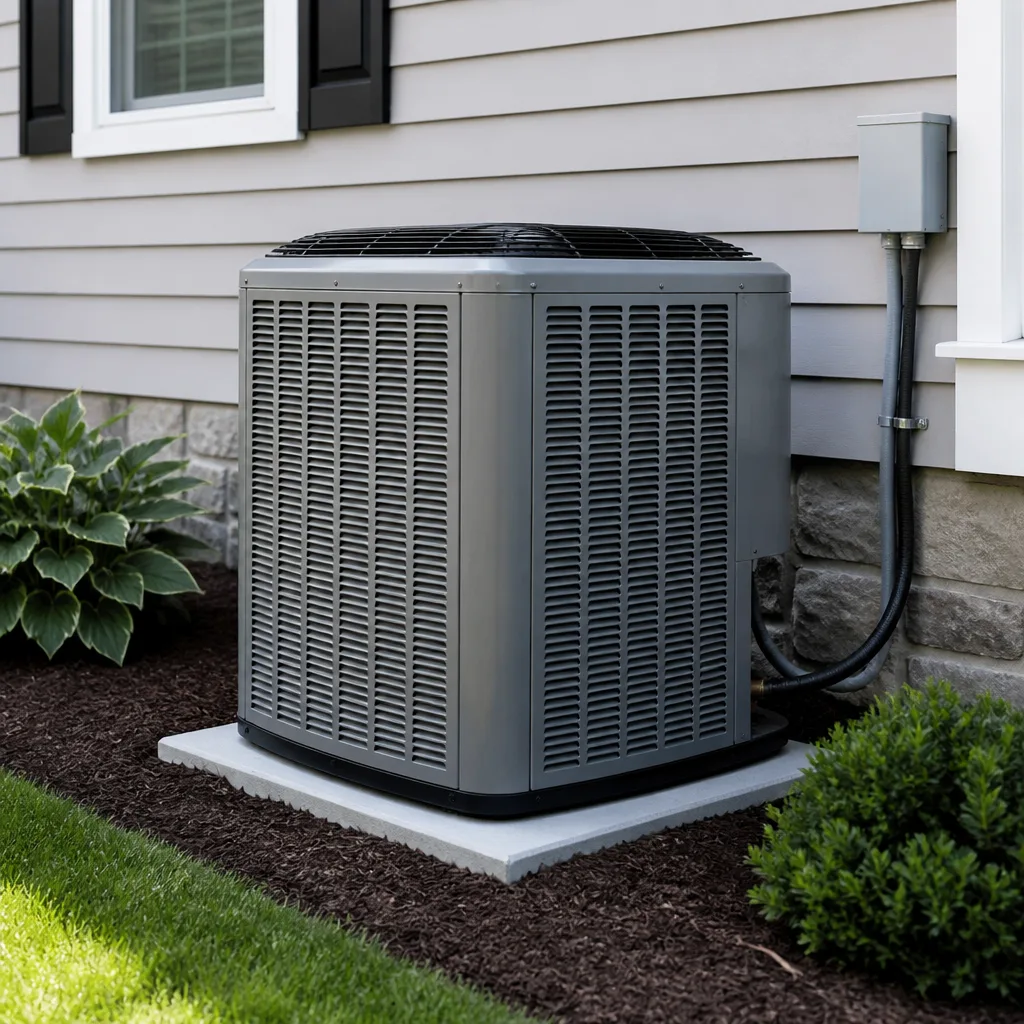 AC repair
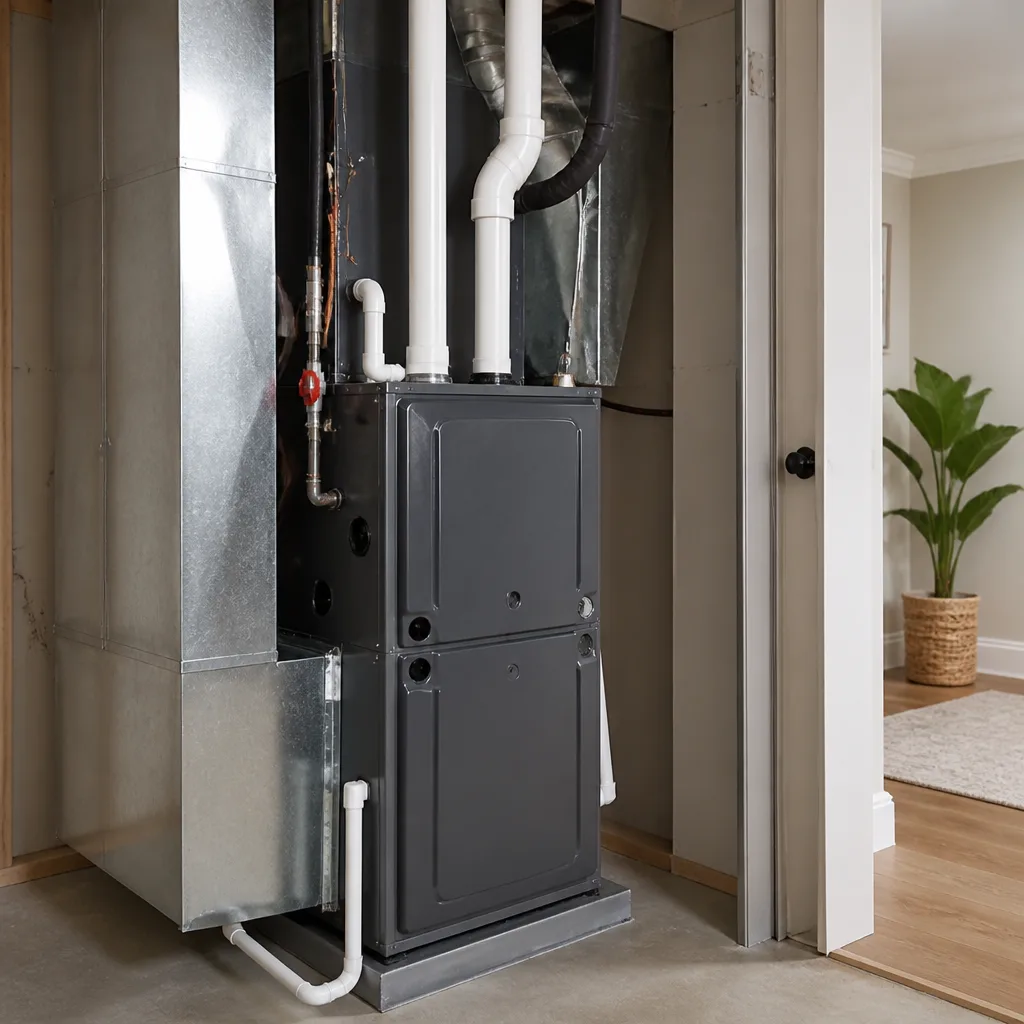 Furnace & heating
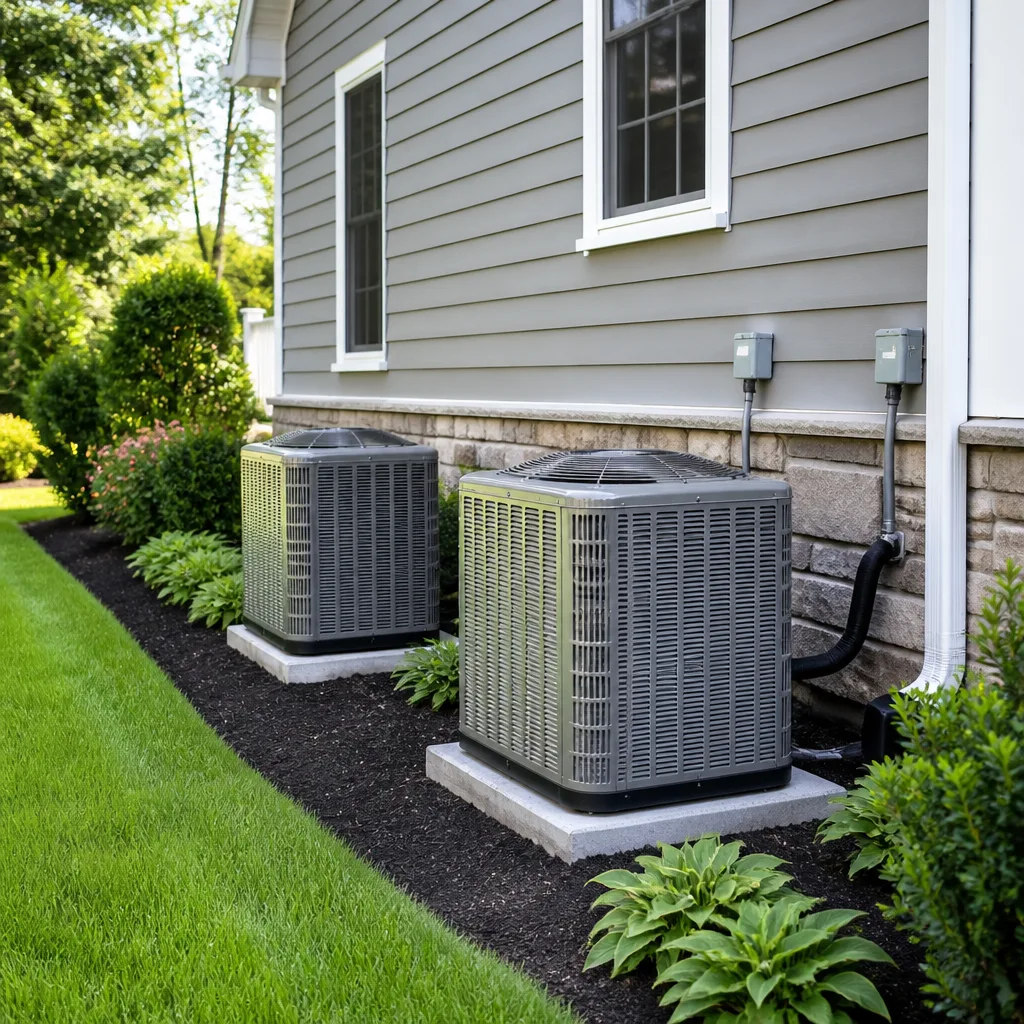 Heat pumps
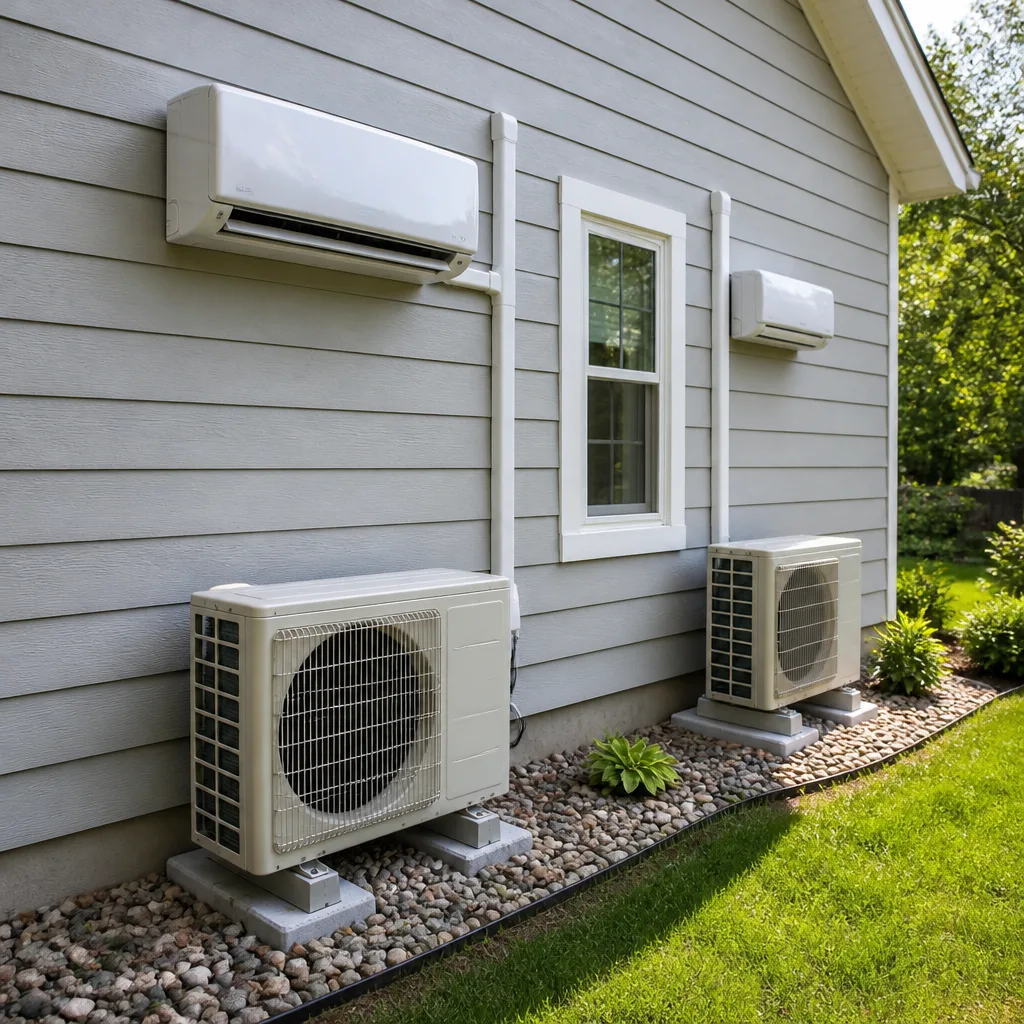 Ductless mini splits
 Carrier
 Trane
 Goodman
Seasonal tune-up and full diagnostic on your Carrier, Trane, or Goodman system - readings shown to you before any repair is proposed
Diagnosis first, numbers second - you approve the repair price before a single part goes in.
Get your free estimateChoosing the Right HVAC Brand: A Buyer’s Guide for North Las Vegas
We’ve watched a homeowner pick a system because it scored well in a national survey, then sit in a 96-degree house for 11 days in July waiting on a part. The nearest distributor stocking that brand’s parts was in Reno, and there was nothing anyone at the door could do about it. Here’s what we want you to take away: in North Las Vegas, the brand on the box matters far less than whether parts for it sit on a shelf in Henderson or on Industrial Road tonight. This guide walks through local distributor support, SEER2 payback at NV Energy rates, the warranty terms people skip, and the R-454B refrigerant switch. We want you to pick a system you can actually get fixed.
Quick Answer
For North Las Vegas, the best HVAC brand is the one with strong Clark County distributor and parts coverage and a contractor who can get you repaired fast during a heat wave. Carrier, Trane, Lennox, and American Standard all have real parts pipelines into Southern Nevada, so the deciding factor usually isn’t the nameplate. It’s local availability, warranty labor terms, and who shows up when it’s 113 degrees out.
Styles & brands we work with
- AC repair
- Furnace & heating
- Heat pumps
- Ductless mini splits
- Carrier
- Trane
- Goodman
Table of Contents
- Why Local Distributor Support Beats Brand Name in North Las Vegas
- The SEER2 Reality: What Efficiency Gains Actually Pay Back Here
- Reading the Warranty: Labor, Refrigerant, and Transferability
- The R-454B Transition and What It Means for 2026 Buyers
- What “Contractor-Preferred Brand” Really Means
- North Las Vegas Climate and How It Shortens System Life
- A Step-by-Step Brand Selection Checklist
- Common Mistakes to Avoid
Why Local Distributor Support Beats Brand Name in North Las Vegas
Parts lead time is the whole ballgame. When your condenser fan motor fails on a 110-degree afternoon, the question isn’t which brand has the best reputation in a magazine. It’s whether a distributor between North Las Vegas and Henderson has that motor on a shelf today. Valley distributors carry the brands they move volume in, and they don’t keep deep inventory on brands they sell a handful of each season.
What that looks like in real terms:
- Common failure parts (capacitors, contactors, fan motors, igniters): same-day access for Carrier, Trane, Lennox, American Standard, Rheem, and Goodman in the Las Vegas valley. Thin brands can mean a two-to-four day wait even on a capacitor.
- Mid-tier components (compressors, control boards, blower assemblies): usually 24-72 hours locally for major brands during peak summer. Off-brands can stretch a week or more.
- Peak season crunch: when every distributor in Clark County sells out of a specific part in July, the brands with the deepest regional inventory recover fastest. We’ve seen this play out over and over.
North Las Vegas sits on the north end of the valley, which adds a wrinkle: if the only stocking warehouse is in Henderson, a mid-day parts run is a 45-minute drive each way, and in August that’s a half-day gone. The brands we work with most – Carrier, Trane, Lennox, and American Standard – have multiple stocking points across the valley. That’s not a knock on other manufacturers. It’s just what we can verify with a phone call on a Tuesday afternoon.
Ask any contractor one question before you sign: where would you get the compressor for this unit if it failed tomorrow? A straight answer names a distributor and a timeframe. A vague answer usually means the parts run is longer than the sales pitch suggests. Our AC repair and installation in North Las Vegas work is built around that reality, because we’re the ones who have to make the call when a system is down.
The SEER2 Reality: What Efficiency Gains Actually Pay Back Here
Here’s the part most sales sheets skip. SEER2 minimums in Southern Nevada start at 14.3 for split systems and 13.4 for packaged units. Moving from a 14.3 to a 16 SEER2 unit is worth real money in a North Las Vegas summer, but the payback isn’t instant, and the math is different here than anywhere else in the country.
At NV Energy residential rates – roughly 13 to 16 cents per kWh depending on tier and season – a typical 2,000 square foot North Las Vegas home runs about 1,800 to 2,400 cooling hours a year. Going from an aging 10 SEER system to a 16 SEER2 unit often cuts summer electric bills by 30 to 40 percent. Going from a 14.3 to a 16 SEER2 unit is a smaller jump, usually 10 to 15 percent. On a $220 summer bill, that’s $22 to $33 a month.
What nobody tells you up front:
- Moving above 16 SEER2 often needs a variable-speed air handler, a specific thermostat, and sometimes a coil matched to the outdoor unit. The equipment cost jumps $1,200 to $2,500, and the utility savings rarely recover it inside the system’s life.
- Duct losses matter more than SEER2 here. A 20 SEER2 unit on 25 percent leaky ducts in an attic that hits 140 degrees will underperform a 16 SEER2 unit on tight ducts every time. Duct sealing in a North Las Vegas attic is often the better dollar.
- Payback timeline: at Southern Nevada rates, the 14.3-to-16 SEER2 jump typically pays back in 4 to 7 years on equipment cost. Anything above 16 SEER2 rarely pays back on energy alone – you buy it for comfort and quiet.
If your current system is a 2006-era 10 SEER unit and NV Energy rebates are in play, the math changes again – the rebate plus the efficiency gain can move payback under three years. Ask for the numbers in writing before you commit.
Reading the Warranty: Labor, Refrigerant, and Transferability
Warranty language sounds identical across brands until something breaks. Then it doesn’t. Three things separate a good warranty from a bad one in North Las Vegas, and none of them is the length of the parts coverage headline.
- Labor coverage duration. Most manufacturer warranties cover parts for 5 to 10 years and labor for 0 to 2 years. A 10-year parts warranty with no labor coverage means you pay $300 to $600 in labor for a warranty repair in year five. Ask specifically how long labor is covered, by whom, and whether the manufacturer reimburses or the installing contractor absorbs it.
- Refrigerant coverage. This one bites hard in Southern Nevada because R-410A prices have been climbing and R-454B is new. Read whether the warranty covers refrigerant recharge after a leak, not just the compressor itself. Some brands cover refrigerant for the first year only. Others don’t cover it past the factory charge.
- Transferability. If you sell the house, does the warranty transfer? Most major brands allow one transfer, but many require registration within 60 to 90 days of install and a transfer fee. A North Las Vegas homeowner planning to sell in five years should know the answer before signing. A transferable warranty is worth real money at resale.
One more: registration deadlines. Almost every manufacturer requires online registration within 60 days of installation to activate the full warranty. Miss it, and some brands drop you to a base 5-year parts warranty. Whoever installs your system should hand you the registration confirmation, not just tell you they did it.
The R-454B Transition and What It Means for 2026 Buyers
R-410A is on its way out. Federal rules cap production of high-GWP refrigerants, and the HVAC industry has been moving to R-454B and R-32 – both lower-global-warming alternatives – since 2024 and 2025. By 2026, most new residential equipment sold in the U.S. is either R-454B, R-32, or existing R-410A inventory the manufacturer is still working through.
Why this matters to you in North Las Vegas:
- R-410A will still be serviceable for years. But prices for it have been climbing and availability will tighten. If you’re buying a new system in 2026 and plan to keep it 15 years, R-454B is the forward-looking choice.
- R-454B is mildly flammable (A2L classification). That changes install requirements – no ignition sources within a specified distance, updated brazing and leak-detection practices, and building code updates that North Las Vegas contractors are adjusting to. A contractor unfamiliar with A2L handling is the wrong contractor for a new install.
- Mixing refrigerants is illegal and dangerous. You cannot top off an R-410A system with R-454B, and retrofit kits are not approved for residential systems in most cases. If a contractor suggests a conversion, walk away.
- Which brands are already manufacturing R-454B: Carrier, Trane, Lennox, and most other major manufacturers have R-454B lines shipping now. When you get a quote, ask whether the specific model number is R-410A or R-454B. The sticker on the outdoor unit tells you.
The practical takeaway: buy R-454B if you’re installing new in 2026. If you’re repairing an existing R-410A system, keep it running – the repair is almost always cheaper than a premature replacement driven by refrigerant panic.
What “Contractor-Preferred Brand” Really Means
When a contractor tells you a brand is “what we prefer” or “the best on the market,” there’s usually a straight answer sitting under that sentence. Here it is: contractor preference is driven by three things – margin, training, and parts stocking. Sometimes those align with your interest. Sometimes they don’t.
Margin. Manufacturers offer volume rebates, spiffs, and priority allocation to contractors who move their equipment. A contractor selling one brand hard may be getting a better dealer price than on a competitor’s equipment. That’s not dishonest – it’s just how distribution works. But it means “best brand” may really mean “best for the dealer’s bottom line this quarter.”
Training. Contractors go to manufacturer training schools. Those schools are usually free, and they teach one brand’s specific equipment. A contractor who’s been trained deep on Carrier often installs Carrier because they know its quirks and its failure modes. That training is genuinely valuable to you as the homeowner.
Parts stocking. Some contractors stock common parts for one or two brands in their own trucks and shop. That’s a real advantage for you when something fails – parts on hand means faster repairs. A contractor who stocks Carrier and Trane parts but doesn’t stock Lennox is not being unfair to Lennox. They’re just being practical with shelf space.
When it’s in your interest: when the contractor’s preferred brand also has strong local distributor support and a warranty that fits your situation. That’s the sweet spot.
When it’s not: when you’ve done the math and a different brand’s warranty, efficiency, or parts availability genuinely fits your house better, but the contractor steers you back to their preferred brand anyway. That conversation is where you learn who you’re actually dealing with.
Our answer is not to hide any of this. We install all major brands, including Carrier, Trane, Lennox, American Standard, Rheem, Goodman, York, Daikin, and Bryant. We’ll tell you what we’d put in our own house. We’ll also tell you why, and it won’t be a brochure line.
North Las Vegas Climate and How It Shortens System Life
North Las Vegas is one of the hardest climates in the country on a cooling system. The average summer high is around 104, but attic temperatures can hit 140 to 150 degrees. Overnight lows in July and August sometimes stay above 90. That means the system runs almost continuously for four straight months, then cycles less but still runs hard through October.
What we see here that you won’t see elsewhere:
- Capacitors fail every 3 to 5 years in North Las Vegas, not 7 to 10. The heat cooks them, plain and simple. A capacitor is a $150 to $250 repair. That’s why we test the capacitor before anyone says the word “compressor.”
- Condenser fan motors average 7 to 10 years here versus 12 to 15 in milder climates. Coil cleaning every spring extends that.
- Ductwork in attics degrades fast – foil-backed flex duct can start failing at the seams within 8 to 10 years in a North Las Vegas attic. Leaky ducts pull attic air at 140 degrees into your supply, which is why some homes have rooms that never quite cool.
- Compressor life averages 12 to 15 years here versus 18 to 20 in cooler metros. Equipment selection matters, but so does whether the unit is properly sized and has correct refrigerant charge.
- Dust and caliche: North Las Vegas sits on the edge of the Mojave with considerable airborne dust, especially during spring winds off the Sheep Range. Condenser coils clog faster than most guides account for. Spring coil cleaning isn’t a sales pitch here, it’s maintenance.
Practically: buy for repairability and parts access, not longest possible lifespan on a spec sheet. The system that gets fixed in two days beats the system that lasts 20 years theoretically but sits dead for a week every time a part fails. Our heating and furnace work in North Las Vegas sees the same pattern in reverse – furnace igniters and pressure switches fail faster here too because of dust and thermal cycling, which is why brand part availability matters in winter just as much as summer.
A Step-by-Step Brand Selection Checklist
Here’s the process we walk homeowners through in North Las Vegas. Get answers to these before you sign a contract.
- Confirm the equipment model number is R-454B, not R-410A inventory. Ask for the exact model on the quote, then look it up. If it’s R-410A and you’re installing new, ask why.
- Call the distributor. Not the contractor’s office – the distributor. Ask what the lead time is on a compressor and a fan motor for that model. If they can’t answer, that’s a red flag.
- Read the warranty for labor coverage. Not just parts. Ask how many years of labor are covered, by the manufacturer or by the installing contractor, and get it in writing.
- Check refrigerant coverage. Does the warranty cover a recharge after a leak in year three, year five, or not at all?
- Ask about transferability. If you sell the house in five years, does the warranty transfer? What does the buyer need to do?
- Get the SEER2 math in writing. Ask the contractor for the estimated annual savings at NV Energy rates on the specific model they’re proposing. Not the brand’s marketing number – the actual estimate for your house.
- Ask for two model numbers, not one. A contractor who only proposes one brand is telling you something. A contractor who proposes two or three comparable options and explains the trade-offs is doing their job.
- Register the warranty. Whoever installs, ask for the registration confirmation email or screenshot. Don’t assume.
Our heat pump and mini split work in North Las Vegas follows the same checklist. Heat pumps live longer with the right parts access too, and mini-split brands vary widely on parts availability in the valley. The same questions apply.
Common Mistakes to Avoid
- Buying on national survey rankings alone. A magazine ranking tells you how a brand performs in aggregate. It tells you nothing about whether its distributor stocks the parts you’ll need. Verify local parts availability separately.
- Ignoring the labor warranty. A 10-year parts warranty with 1-year labor looks great next to a 5-year parts, 5-year labor warranty – until you pay $400 in labor for a $200 part in year four.
- Upgrading SEER2 without checking ducts. Buying a 20 SEER2 system on leaky North Las Vegas attic ducts is like buying a sports car with flat tires. Duct sealing usually delivers more comfort per dollar.
- Skipping registration. Miss the manufacturer’s 60-day registration window and your warranty can drop faster than your blood pressure on the phone.
- Letting a salesperson size a system without a Manual J. Right-sized equipment matters more than brand in a North Las Vegas summer, and a lot of contractors skip the load calculation and just match the old tonnage.
- Panic-buying a new system during a heat wave. If your AC fails in July, the pressure to sign anything that day is enormous. A repair with parts on hand often gets you through the summer. Call for an honest repair-or-replace answer before you buy in a panic.
- Buying a brand with light local distributor presence to save $200. You may save $200 on install day. You’ll spend more than that in hotel costs, ice, and frustration if you have to wait days for a part during a 113-degree stretch.
See the difference
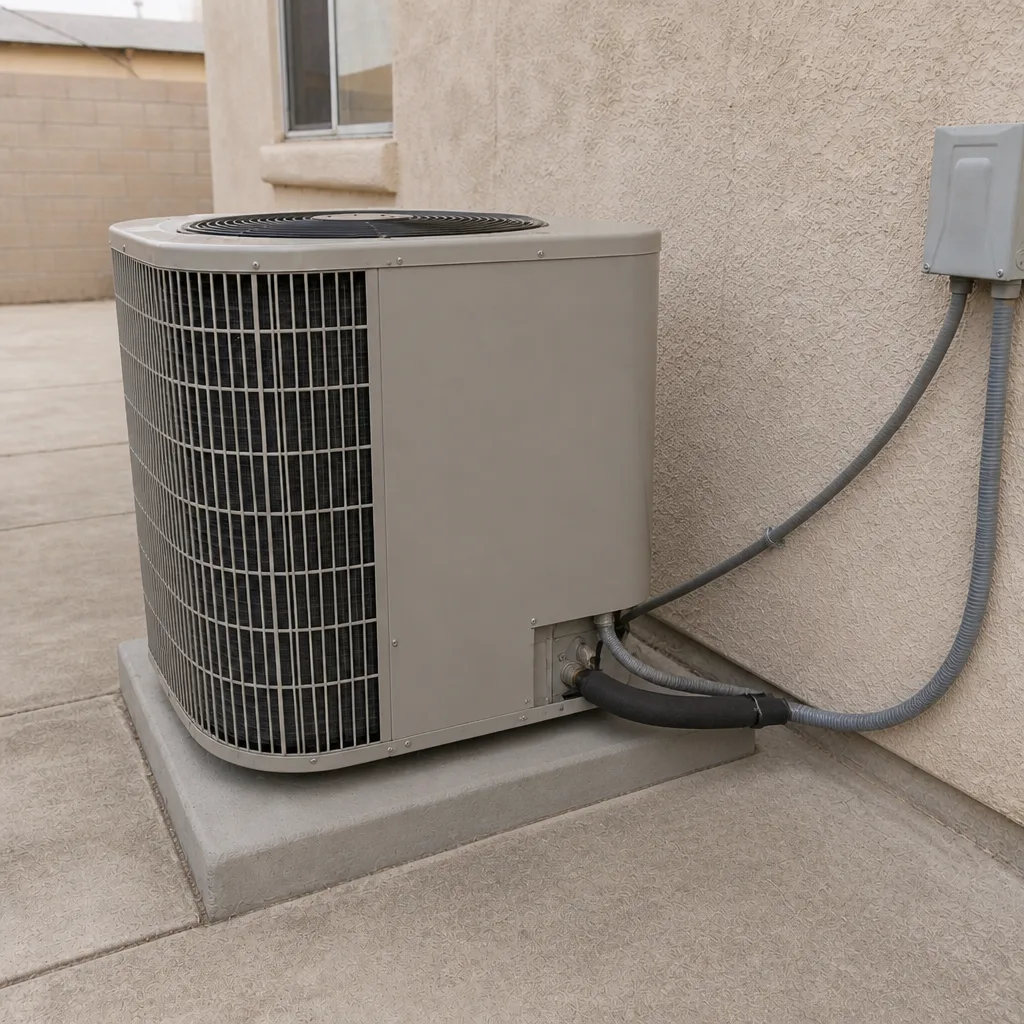
 Before
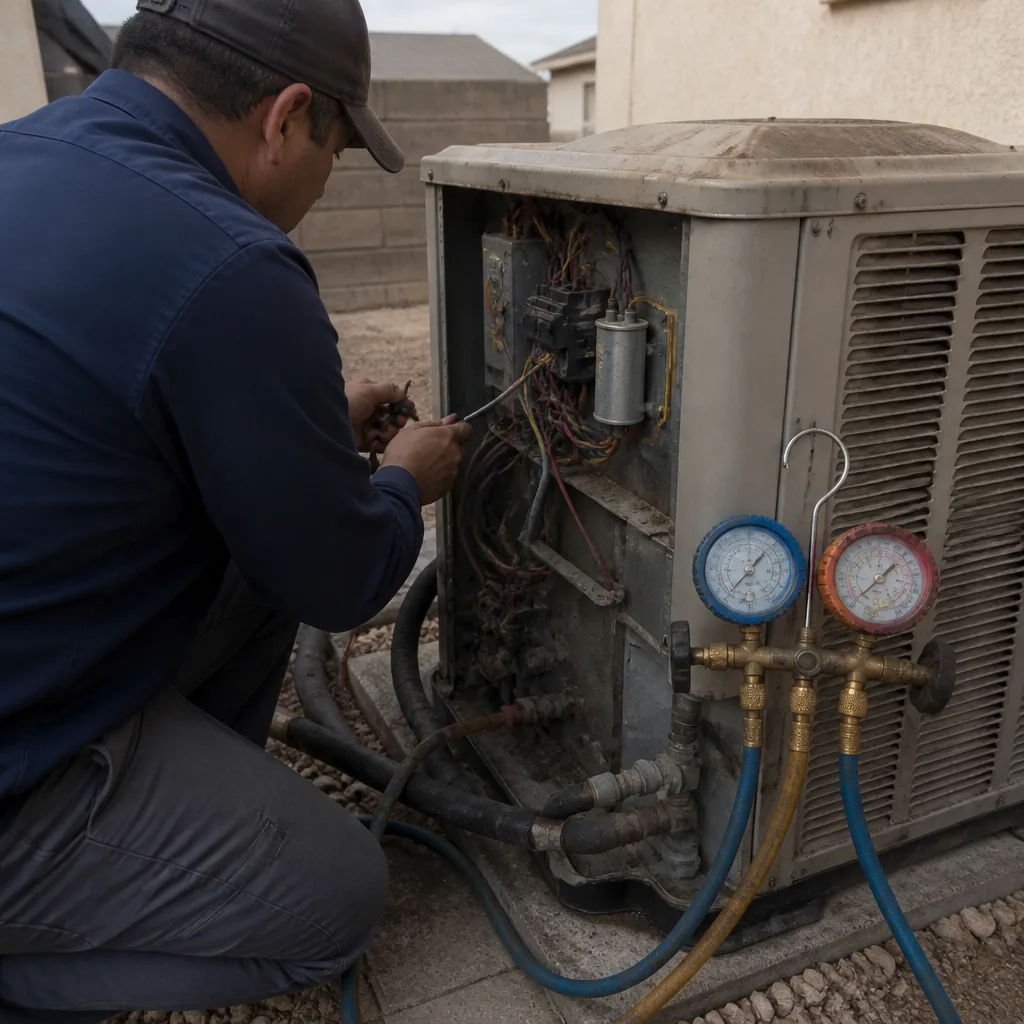
 After
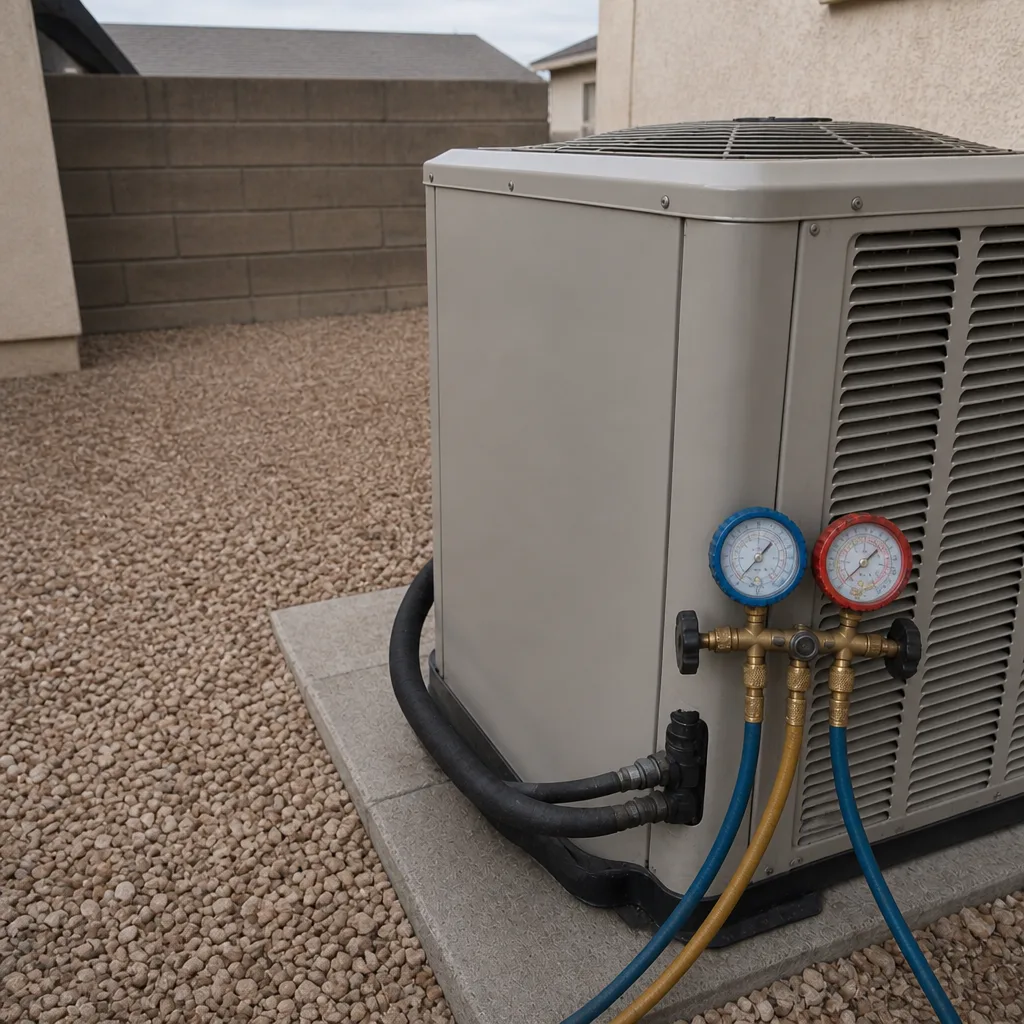
 Before
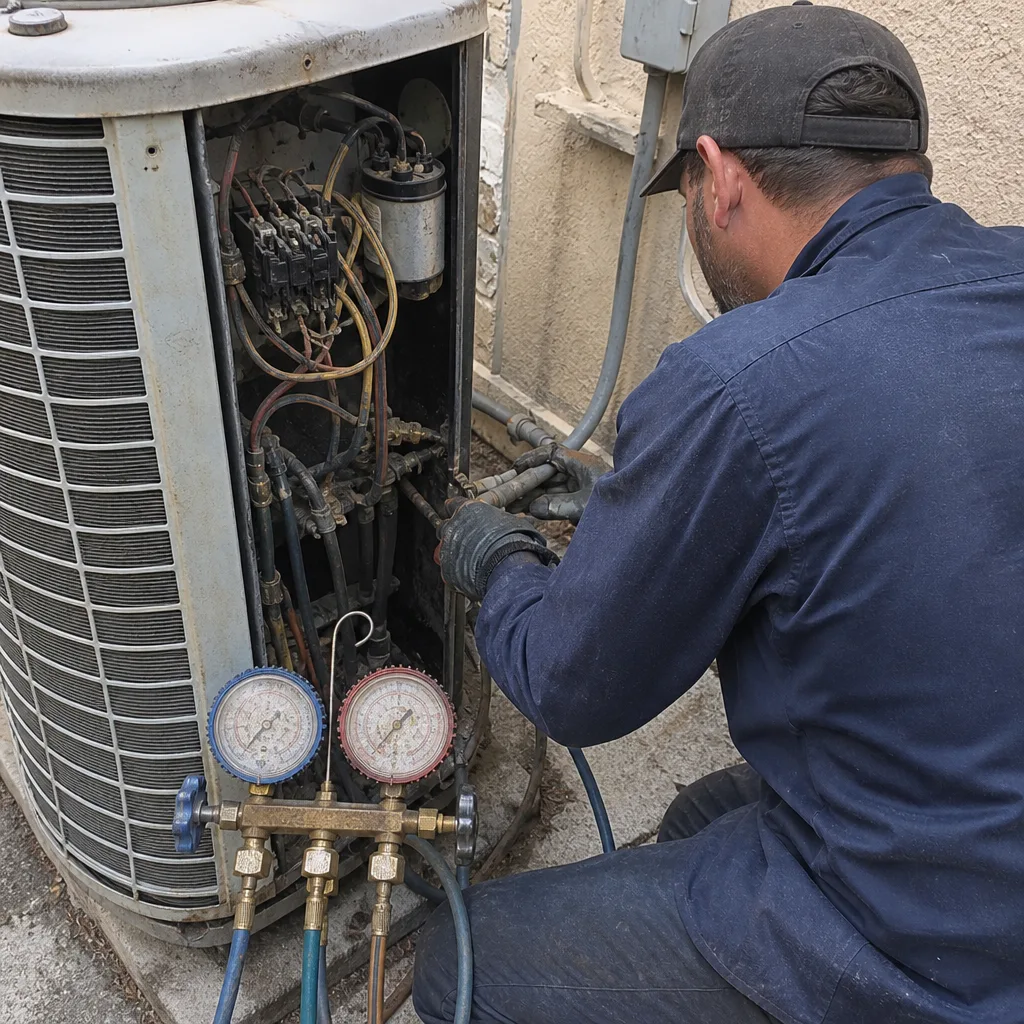
 After
 Before
 After
When to Call a Professional
Brand selection, refrigerant handling, high-voltage electrical work inside the condenser, and gas line connections on the furnace side are not DIY territory. If your system is short-cycling in a North Las Vegas summer, if you’re hearing the compressor struggle, if your electric bill jumped 40 percent from last August with no other changes, or you’re staring at a written quote you can’t make sense of – that’s the time to call. Ray’s Heating & Air North Las Vegas offers free estimates in North Las Vegas – call (844) 761-6871. If you’re deciding between a repair and a replacement, our North Las Vegas home page lays out how we approach that decision. We test the capacitor before anyone says the word “compressor.” We show you the readings and the numbers before any work begins. And if a national outfit quoted you one price on the phone and a different one at the door, we offer a free second opinion on any written estimate.
Frequently Asked Questions
There isn’t a single best brand – the best brand for a North Las Vegas home is the one with strong Clark County distributor coverage, clear labor warranty terms, and R-454B equipment in the current production line. Carrier, Trane, Lennox, and American Standard all meet those criteria. The deciding factor is your specific quote and the contractor behind it, not the nameplate.
It matters, but less than the local parts pipeline. A top-ranked brand with a thin local distributor can take longer to repair in a July heat wave than a mid-tier brand with deep Clark County inventory. Ask your contractor where the compressor and fan motor for any model they quote are stocked. Call (844) 761-6871 if you want us to check a brand you’re considering.
The 16 SEER2 system typically saves 10 to 15 percent on summer cooling costs, which at NV Energy residential rates usually pays back the upgrade cost in four to seven years. Jumping above 16 SEER2 is a comfort and quiet upgrade more than an energy-savings one, and it rarely pays back on electric bills alone. Call (844) 761-6871 for a written estimate with the actual math on your house.
Buy R-454B for any new system in 2026. R-410A is on the way out, prices are climbing, and R-454B is the forward-looking choice for a system you plan to keep 15 years. Ask for the exact model number on any quote and verify the refrigerant before signing. Call (844) 761-6871 if you want us to read a quote with you.
Three things: labor coverage duration (not just parts), refrigerant coverage after a leak, and whether the warranty transfers if you sell the house. Most manufacturers require registration within 60 days of install, and missing it can reduce your coverage. Late in an estimate – any estimate – call (844) 761-6871 for a free second opinion. No trip charge if you’re in Clark County.
Only modestly. In North Las Vegas, the bigger factors are correct sizing, correct refrigerant charge, spring coil cleaning, and duct condition. A properly installed and maintained mid-tier brand typically outlasts a neglected top-tier brand here. Call (844) 761-6871 if you want to talk through repair-versus-replace before a system fails.
The Bottom Line
The best HVAC brand for your North Las Vegas home is the one you can actually get fixed. Local distributor support, labor warranty terms, refrigerant coverage, and whether the warranty transfers matter more than a national survey ranking. Buy R-454B on new installs in 2026. Read the warranty like it’s a mortgage. Get two or three model options, not one. And confirm parts lead times – not brand reputations – before you sign. If you’re in North Las Vegas and want a straight answer on any brand, we’re at (844) 761-6871. Free estimates, no trip charge inside Clark County.
Written by the team at Ray’s Heating & Air North Las Vegas.